

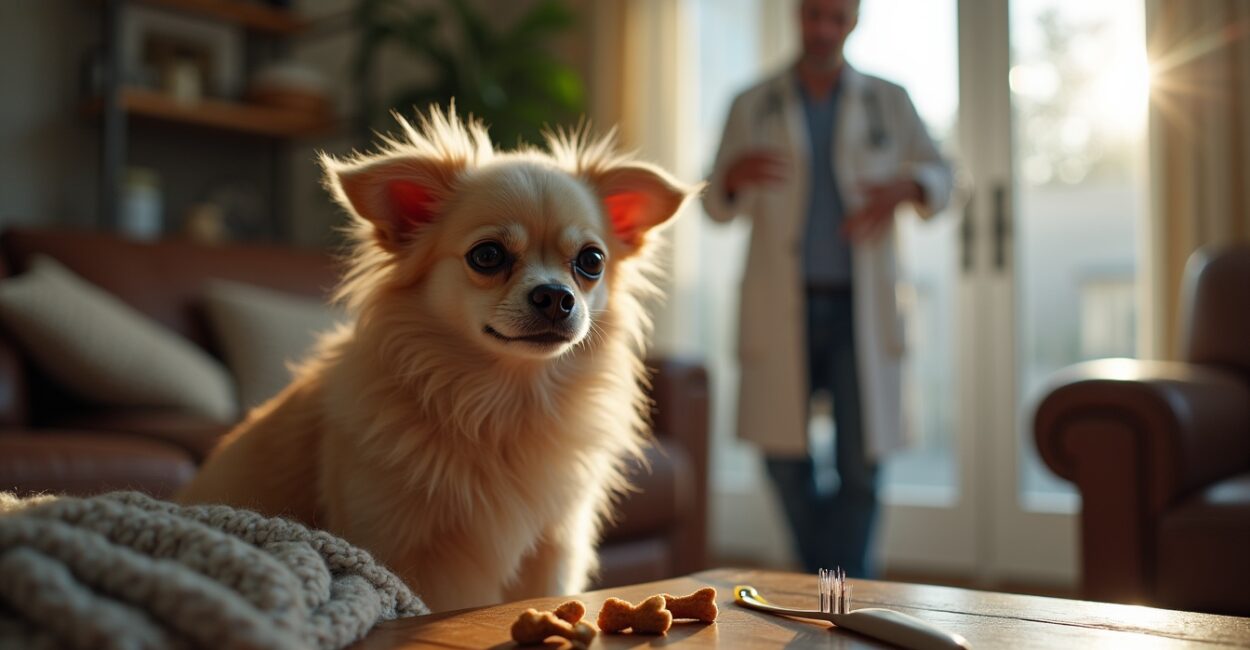
He was shaking his head like he’d swallowed a sock: tiny dog, giant tartar, owners armed with toothbrushes and TikTok hacks. The DIY dental craze for small dogs—home brushing, enzymatic gels, bone-scrubbing treats—has turned living rooms into battlegrounds between anxious owners and skeptical vets. If you’ve ever wondered which at-home moves actually help and which will cost you a vet visit, this piece cuts through the noise.
The One Common Trick Vets Grudgingly Admit Works
Brushing teeth with a proper dog toothpaste is the single at-home habit vets most consistently recommend. It’s simple: soft-bristled brush, pet-safe toothpaste, daily or every other day. The payoff is real—reduced plaque, fresher breath, and fewer emergencies. Many pet owners see measurable improvement in weeks. Small dogs often have crowded teeth that trap food; routine brushing breaks that cycle before bacteria cause periodontal disease.
For vet-backed guidance, read the American Veterinary Medical Association’s tips on home dental care: AVMA dental care.
Cheap Tools That Actually Help (no Fancy Gadgets Required)
Not every tool with flashy packaging is worth the shelf space. Some budget-friendly winners: a fingertip brush, a soft nylon dog toothbrush, enzymatic toothpaste, and dental wipes for on-the-go touch-ups. Spending more doesn’t always mean better results—consistency does.
- Fingertip brush: great for nervous pups who resist a full toothbrush.
- Enzymatic toothpaste: breaks down plaque safely—no rinsing required.
- Dental wipes: quick between-meal maintenance.
Expect to spend under $30 to assemble a basic, effective kit.
The Hacks Dividing Vets and Owners (and Why the Split Exists)
Some at-home methods are loved online and loathed in clinics. Oil-pulling, baking soda paste, and certain chew toys fall into a gray area: they may change breath or remove soft debris but won’t cure tartar or infection. Vets object when owners substitute a viral trick for professional care that prevents irreversible damage.
Part of the split is cultural—owners want low-cost, immediate options; vets see long-term outcomes. For evidence-based comparisons, check research summaries at the National Institutes of Health: NIH PubMed.
Red Flags That Demand a Veterinary Appointment Now
DIY is fine—until it risks your dog’s life. Watch for gums bleeding without recent brushing, swollen cheeks, drooling, bad breath that suddenly worsens, or reluctance to eat. Any visible pus, loose teeth, or sudden behavioral change is not a DIY problem—it’s an emergency.
- Bleeding gums after gentle brushing
- One-sided nasal discharge
- Facial swelling or persistent bad breath
If you see these, schedule a professional exam—home hacks can’t treat abscesses or advanced periodontal disease.
Three Common Mistakes Owners Make (and What to Do Instead)
Owners try hard but sometimes sabotage progress. Here’s what to avoid—and what actually works.
- Mistake: Using human toothpaste. Fix: Use pet-formulated enzymatic toothpaste.
- Mistake: Only relying on treats or chew toys. Fix: Combine chews with brushing.
- Mistake: Waiting for symptoms. Fix: Start light brushing early and add annual dental checkups.
These shifts turn a reactive owner into a preventive one—much cheaper and less traumatic for the dog.
A Small Comparison You Can Do at Home: Expectation Vs. Reality
Expectation: Give a dental chew; plaque melts away. Reality: Chews remove soft debris but rarely affect hardened tartar attached to enamel. Try this quick test: take two similar dogs (or two time periods for one dog). One receives daily brushing plus weekly chew; the other gets only the chew. After six weeks the brushed dog shows less plaque and better-smelling breath. Brushing changes biology; chews only help mechanically.
A Short, True Moment That Illustrates the Risk
She used cotton swaps and baking soda for months because she feared dental cleanings. One night her terrier stopped eating; the vet found an abscess that required tooth extraction and antibiotics. The cost and trauma of a single emergency visit eclipsed years of “cheap” home treatments. Small savings can lead to big bills—and a scared dog.
Ready to act smarter at home? Start with a vet-approved brushing routine, add proven tools, and treat online hacks with healthy skepticism. Your dog’s mouth is small but the consequences of neglect aren’t.
How Often Should I Brush My Small Dog’s Teeth?
Daily brushing is ideal because it prevents plaque from mineralizing into tartar; if that’s unrealistic, aim for every other day and pair with enzymatic toothpaste. Start slowly—30 seconds of brushing per session is fine for nervous dogs—and make it positive with treats and praise. Consistency matters more than duration in the early weeks: short, frequent, stress-free sessions build tolerance. Schedule a vet dental check at least once a year to catch issues you can’t see at home.
Can Chew Toys Replace Brushing for a Chihuahua or Other Small Breed?
Chew toys and dental treats help remove soft food debris and can slow plaque buildup, but they don’t replace brushing. Small breeds have crowded teeth and crevices where plaque hardens into tartar that chews can’t reach. Use chews as a supplement—ideally after meals—but maintain a brushing routine to disrupt bacterial colonies. Choose toys labeled for dental benefit and supervise use to prevent choking; chews are supportive, not curative.
Are Natural Remedies Like Coconut Oil or Baking Soda Safe for Dog Dental Care?
Certain natural remedies are safe in small, veterinarian-approved amounts, but many are ineffective or harmful. Baking soda can irritate gums and upset stomach if swallowed in quantity; coconut oil may freshen breath temporarily but won’t remove tartar. If you consider a home remedy, discuss it with your vet first—some substances can disturb oral pH or mask infections. Evidence-based products formulated for pets remain the safest option for routine use.
What Signs During Home Brushing Mean I Should Stop and Call the Vet?
Stop immediately and contact your vet if brushing causes persistent bleeding, significant discomfort, sudden swelling, or a bad smell that worsens after brushing. If your dog has loose teeth, pus, or one-sided nasal discharge, these indicate deeper infection or tooth root disease. Gentle, non-forceful attempts at home care are fine, but persistent or worsening symptoms require professional evaluation to prevent pain and systemic infection.
Is Professional Dental Cleaning Painful or Dangerous for Small Dogs?
Modern veterinary dental cleaning is safe when performed by trained professionals; it typically involves anesthesia, which carries low risk when your vet performs a pre-anesthetic exam and monitors vital signs. Cleanings remove tartar above and below the gumline, something at-home care can’t achieve. Discuss anesthesia protocols, monitoring, and pain management with your vet—those conversations reduce risk and help you decide when the long-term benefits outweigh short-term stress.