
Low-Maintenance Planters That Thrive on Your Patio
How to select low-maintenance patio planters based on sun exposure, watering access, space, and realistic care routines for plants that thrive with minimal e…
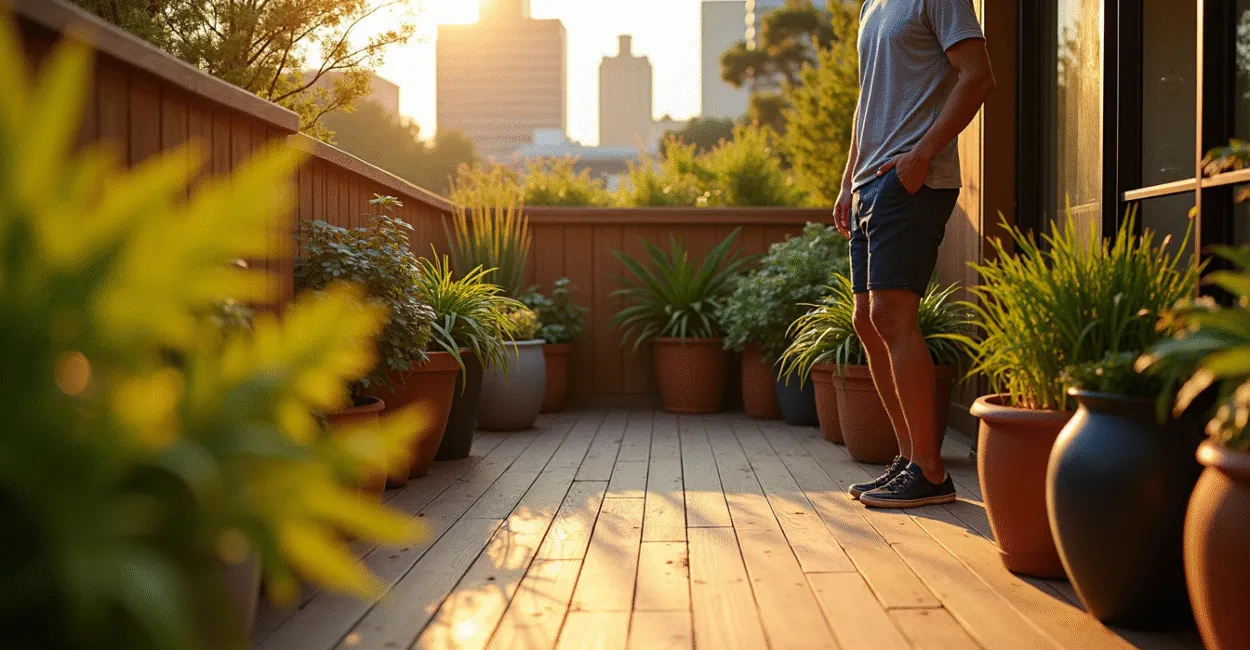 Sunlit patio planters filled with thriving drought-tolerant plants
📅 Updated on 10/10/2026
A patio planter can look thirsty by midafternoon even when you watered it that morning. Heat, wind, direct sun, pot size, and the material all affect how quickly its growing mix dries. Low-maintenance planters are containers set up to reduce routine work through sensible drainage, moisture-managing mix, suitable plants, and a watering approach that fits the site.
The easiest setup starts with your actual patio conditions, not a universal plant list. Check how many hours of direct sun the spot gets, whether rain reaches it, and how often you can check moisture. Those details matter more than choosing a fashionable pot or a plant labeled “drought tolerant.”
Before You Choose a Planter
- Map the light: Note direct sun and shade across the day, including reflected heat from walls or paving.
- Check access to water: Decide whether a hose, watering can, or nearby faucet is practical.
- Measure the space: Allow room for the mature plant and confirm the balcony or patio can safely support the filled container.
- Set a realistic routine: Consider how often you can check soil moisture during hot weather and when you travel.
Choose Low-Maintenance Planters for Your Patio
For an easier-care patio, choose a container with open drainage holes, enough soil volume for the plants, and a material suited to your climate and schedule. Pair it with a well-aerated potting mix and plants that share similar light and moisture needs. This reduces avoidable stress, though no container can remove the need to check moisture.
Step 1: Pick a Material That Fits Your Climate
Container material affects weight, durability, root-zone temperature, and how quickly moisture escapes through the pot walls. The best planter material for outdoors depends on where the planter will sit and whether you need to move it.
Material Useful qualities Trade-offs Glazed ceramic Holds moisture well and resists fading. Heavy; can crack in freezing weather if left exposed. Plastic or resin Lightweight, widely available, and slow to lose moisture through the sides. Quality varies; dark pots can heat up in strong sun. Fiberglass Light for its size and often durable outdoors. Usually costs more than basic plastic. Unglazed terracotta Breathable and easy to find. Dries quickly and may need winter protection in cold regions.
For many busy patio owners, a good-quality resin or fiberglass pot is a practical starting point: it is lighter than ceramic and does not lose water through porous walls as quickly as terracotta. In hot, windy locations, however, even these containers can dry fast. Larger pots also buffer moisture swings better than small ones, provided the plants’ roots can use the added soil volume.
Confirm that drainage holes are open before planting. A decorative cachepot can hide a nursery pot, but empty standing water from the outer vessel after watering.
Step 2: Use Potting Mix That Holds Moisture and Drains
Use a commercial potting mix formulated for containers, rather than garden soil. Potting mix for containers is typically lighter and more porous, helping roots get both water and air in the confined space of a pot.
A mix containing materials such as coir or peat can hold moisture, while bark, perlite, or similar coarse ingredients help maintain air space. Products differ, so check the label and the needs of your plants. Avoid adding a layer of gravel at the bottom: it does not improve drainage from the pot and can leave the saturated zone higher in the root area.
Water newly filled containers until water runs from the drainage holes. If the mix pulls away from the pot or water races down the sides, it may have dried out and become difficult to rewet. Apply water slowly in several passes so the root ball can absorb it.
The University of Minnesota Extension’s gardening resources explain container growing and the role of suitable growing media. Local climate still matters; a mix that performs well in a cool, humid summer may need more frequent checks in a hot, exposed setting.
Step 3: Match Plants to Light and Water Needs
Group plants that need similar amounts of sun and water. Mixing a dry-soil herb with a moisture-loving annual in one pot makes routine care harder because one of them is likely to receive the wrong amount.
Read also: Raised Patio Planters for Small Spaces and Big Impact
For a sunny, dry patio, drought-tolerant patio plants such as sedum or other locally hardy succulents can work in a fast-draining mix. They still need appropriate light and occasional watering while establishing. In a partly shaded spot, consider plants such as begonias or coleus, which generally prefer more consistent moisture; check cultivar labels because needs vary.
For low-maintenance balcony plants, start with the balcony’s exposure. Wind can dry containers quickly, while a covered balcony may keep rain from reaching them. If you are unsure, observe the space for a few days and read the plant tag before buying.
Read also: Easy Patio Planter Setup in 30 Minutes — No Tools Required
Keep mature size in mind. A crowded planter can look full at purchase but soon needs more pruning and water as roots and foliage compete for space.
Step 4: Make Watering More Reliable
There is no fixed answer to how often to water planters: it depends on temperature, wind, rainfall, plant size, pot material, and container volume. Check the mix rather than following a calendar. Push a finger an inch or two into the soil; if it feels dry at root level, water thoroughly, then let excess drain.
During a heat wave, a small exposed pot may need checking daily, while a larger shaded container may stay moist longer. That is a reason to monitor more often in changing weather, not a universal watering schedule. Empty saucers after watering unless the planter’s design specifically uses a reservoir.
Self-watering planters store water in a reservoir and draw it toward the growing mix through a wick or capillary action. They can be worth considering for apartment patios where carrying a watering can is inconvenient or the owner is away for short periods. They still need reservoir checks, occasional cleaning, and monitoring for plants that prefer drier roots.
A drip irrigation line with a timer can help when several pots need regular watering, but emitters must match each container and be checked for clogs. The Utah State University Extension offers practical gardening guidance, including irrigation principles that can help inform container setups.
Step 5: Fix Common Problems Without Starting Over
Many existing pots can become easier to manage without replacing every plant. First check drainage, the mix’s condition, and whether the planter sits in sun or wind that exceeds the plants’ tolerance.
- Water drains straight through: Rewet the mix slowly. If it remains hydrophobic or compacted, replace some or all of it when the plants are suitable for repotting.
- The pot stays wet: Clear blocked drainage holes, remove standing water, and check that the plant is not in an oversized container with persistently soggy mix.
- Plants wilt between waterings: Move the pot out of harsh afternoon sun or wind, add a thin layer of mulch, or consider a larger container at the next repotting.
- One plant struggles in a mixed pot: Replace it with a plant that matches the group’s light and moisture needs.
These adjustments have limits. If roots are rotting, the mix has collapsed, or a plant has outgrown its container, a full repot may be the better fix. The Oregon State University Extension Service provides regionally grounded gardening advice, useful when local weather or plant hardiness changes the usual recommendation.
Step 6: Keep the Design Simple to Maintain
A cohesive planter arrangement does not require many plant varieties. Repeat one foliage color or container finish, then vary plant height and texture. Fewer species with compatible care needs are easier to water and trim than a crowded assortment with conflicting preferences.
For example, replace three small terracotta pots that dry at different rates with one larger resin container. Plant a sun-suited focal plant with two companions that share its watering needs, keep the drainage holes clear, and place the pot where it receives the intended light. The arrangement looks more unified, and its care routine becomes easier to assess because there are fewer separate containers to check.
Trim damaged foliage as needed and remove spent flowers when the plant benefits from deadheading. Avoid pruning or fertilizing by habit; follow the plant’s growth pattern and product directions instead.
Questions About Easy-Care Patio Planters
What is the Easiest Container Material for a Busy Patio Owner?
For most people, quality resin or fiberglass offers a useful balance of low weight and moisture retention. Choose based on sun, wind, winter temperatures, and whether the pot needs to move.
Which Plants Really Qualify as Low-maintenance for Patios?
Plants suited to the patio’s actual light and local climate are the easiest to maintain. Sedum may suit a sunny, dry spot; begonias may suit partial shade with more even moisture. Plant labels and local extension guidance help narrow the choice.
Can I Adapt My Current Planters Without Repotting?
Often, yes. Clear drainage holes, adjust the location, empty standing water, and add a modest mulch layer where appropriate. Repot if the mix no longer absorbs water, drainage remains poor, or roots have filled the container.
Are Self-watering Planters Worth It for Apartment Patios?
They can be useful when a reservoir makes watering more convenient, but they do not eliminate monitoring. Check the water level and make sure the plant tolerates consistently available moisture.
Start with one planter in the patio’s most representative spot. Track how quickly its mix dries over a week of typical weather, then adjust the pot size, placement, or plant choice before expanding the setup.