

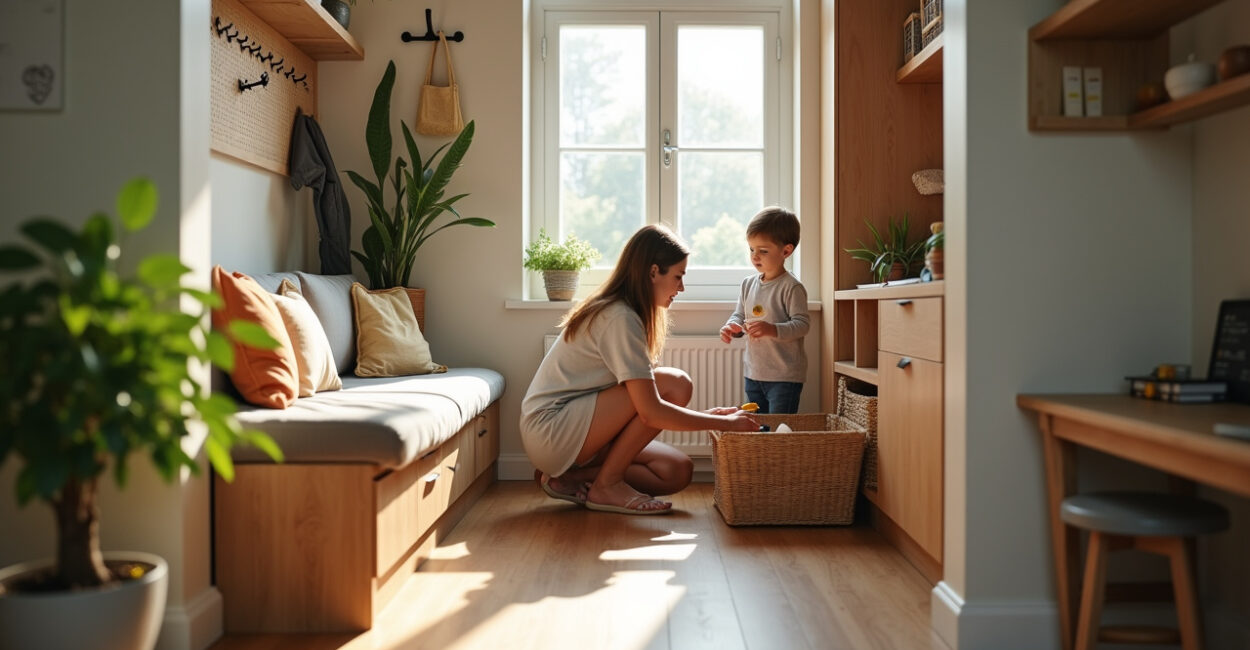
Small house storage is about creating smart, efficient systems so families can live comfortably without clutter. It matters because limited square footage makes organization essential for daily flow, safety, and peace of mind. Start by assessing needs, zones, and patterns to reclaim usable space quickly.
Families face conflicting demands: toys, seasonal gear, work-from-home setups, and busy schedules. This article explores practical layouts, multifunctional furniture, vertical and hidden storage, and rotation strategies to maximize every inch of a compact home. You’ll find actionable tips, comparative tables, and family-focused tactics to implement right away.
We cover seven focused strategies—each a variation of small house storage—detailing room-by-room solutions, furniture choices, seasonal systems, and maintenance routines to keep your home organized long-term.
Compact Home Storage Ideas
Zone Mapping for Family Flow
Mapping zones helps prioritize where compact home storage will have the biggest impact. Start by sketching primary activity areas—entry, kitchen, play, sleep—and note high-traffic bottlenecks. This reveals opportunities for shoe racks, drop zones, and vertical storage that serve daily routines without major remodels.
Consider family habits: where backpacks land, where laundry piles up, and which surfaces attract clutter. A targeted plan reduces duplicate storage and keeps essentials accessible for everyone. Simple labels and color-coded bins speed habit formation.
Use modular containers and adjustable shelving so compact solutions evolve with seasonal needs and changing family life. The goal is flexible storage that reduces friction in daily routines.
Multifunctional Furniture Choices
Choosing multifunctional furniture transforms tight rooms. Benches with internal storage, ottomans that hide toys, and beds with drawers increase usable volume without adding footprint. These pieces also reduce visual clutter, since storage is concealed within existing furniture forms.
Look for builds that combine durability and easy access—soft-close drawers, removable cushions, and breathable bins. Prioritize items that serve multiple family activities like seating, storage, and surface space for homework or meals.
Investing in a few well-designed multipurpose pieces pays off faster than many small single-use organizers. Consider future adaptability when selecting finishes and sizes.
Low-cost Materials and DIY Hacks
DIY hacks can amplify compact home storage on a modest budget. Repurpose crates for under-bed drawers, use tension rods for vertical shoe storage, and install peel-and-stick hooks behind doors. These low-cost fixes are perfect for renters and busy families.
Simple upcycles like turning an old dresser into a media console with cargo baskets create tailored solutions. Use inexpensive labels and consistent containers to keep appearance tidy across spaces.
DIY also allows customization for odd nooks—staircase cubbies, alcoves, and lofted spaces can be converted into functional storage without contractor costs.
Efficient Small House Storage Systems
Entryway Systems to Reduce Clutter
- Wall-mounted hooks for coats and backpacks
- Slim shoe cabinet or cubbies for daily footwear
- Mail sorter and key tray near the door
- Bench with storage for seasonal accessories
An efficient entry system prevents items from migrating through the house. Use vertical hangers and narrow benches to keep the path clear. Clear zones cut morning chaos and reduce lost items.
Arrange by frequency of use: everyday items within easy reach, seasonal items higher up. Durable surfaces and washable mats help maintain tidiness in family homes.
Kitchen Organizers for Tight Spaces
Efficient small house storage in kitchens emphasizes vertical racks, pull-out shelves, and magnetic strips for utensils. Use cabinet door organizers for spices and cutting boards to free counter space. Clear containers and consistent labeling speed meal prep and reduce waste.
Stackable bins, lazy Susans, and drawer dividers create functional zones for snacks, lunch prep, and cookware. Prioritize frequently used items at eye level to minimize bending in compact kitchens.
Periodic purge of duplicates—extra mugs, utensils—frees valuable cabinet real estate for essential cookware and family meal supplies.
Comparative Storage Options Table
| Solution | Best for | Space impact |
|---|---|---|
| Under-bed drawers | Seasonal clothing, shoes | Low profile, high capacity |
| Wall shelves | Books, decor | Vertical use, minimal floor take |
| Fold-down tables | Work or dining | Collapsible when not used |
Space-saving Family Storage Strategies
Smart Toy Management Techniques
- Rotate toys monthly to reduce overwhelm
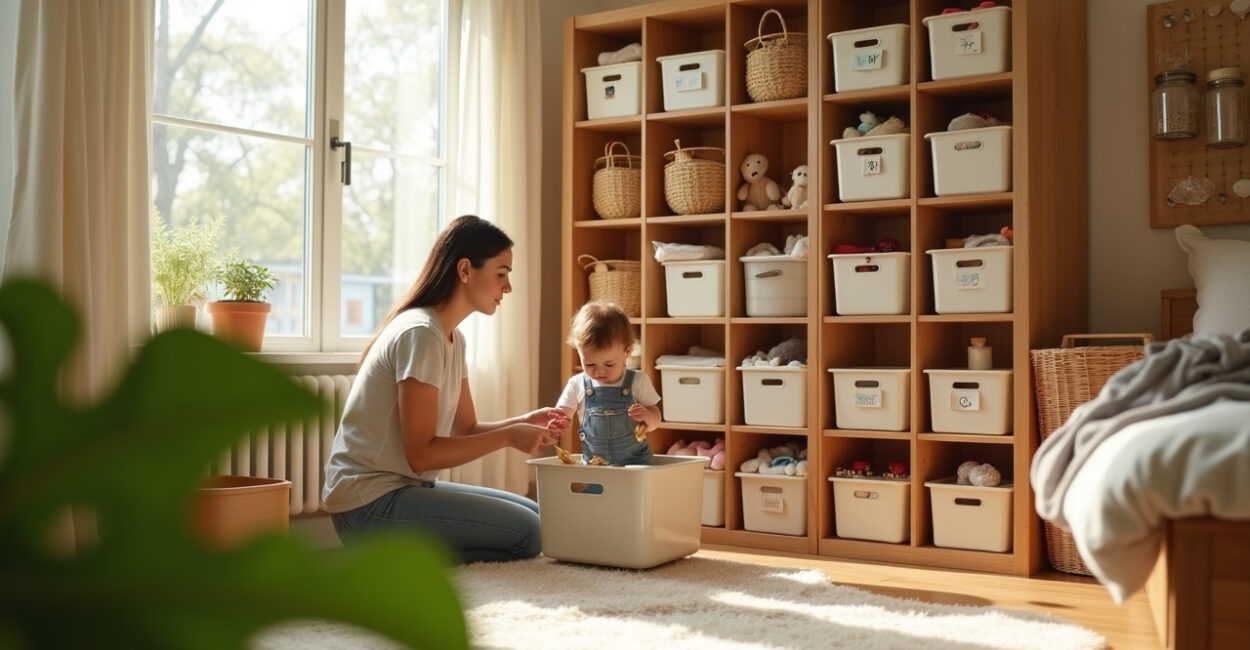
- Use clear bins for quick visibility
- Designate play zones with mats
- Label bins with pictures for young kids
- Donate duplicative toys regularly
Space-saving family storage makes toy management predictable. Rotate sets to rekindle interest and keep floors clear. Use cubbies and baskets at child height so cleanup becomes part of routine and fosters independence.
Incorporate vertical pegboards for craft supplies and wall-mounted baskets for stuffed animals. These solutions keep play areas contained without sacrificing accessibility.
Shared Storage for Mixed-use Rooms
When rooms serve dual purposes—guest room and home office—shared storage is essential. Use modular shelving with closed bins for office supplies and open areas for guest essentials. Fold-away desks and Murphy-style beds reclaim daytime space.
Clear labeling and a consistent container palette make multifunctional rooms feel cohesive. Establish boundaries—when the room switches role, stow work items in assigned bins to restore the guest-ready condition.
Plan electrical and lighting needs so both functions are fully supported without adding clutter from cords and accessories.
Maintenance Routines That Stick
Regular routines keep small house storage systems effective. A weekly 15-minute tidy session prevents pile-ups; monthly audits identify items to donate or relocate. Involve every family member with simple checklists to share responsibility.
Seasonal rotation should be scheduled—swap winter and summer gear at predictable times to avoid last-minute overhauls. Digital reminders and a central calendar help maintain these rhythms in busy households.
Consistent upkeep is what turns storage ideas into lasting behavior change rather than temporary fixes.
Vertical and Hidden Storage Solutions
Maximizing Walls and Vertical Planes
Vertical storage multiplies usable area without expanding the footprint. Install floor-to-ceiling shelving, pegboards, and floating shelves to keep essentials off the floor. Tall, slender units are ideal for narrow corridors and behind doors.
Combine closed cabinets on lower levels with open shelving above to balance storage and display. Use hooks and rails for backpacks and outerwear to free closet space for folded items.
Vertical systems are especially valuable for seasonal rotation—store off-season items high and keep everyday gear reachable for kids and adults.
Under-stair and Hidden Niches
Under-stair spaces and built-in niches provide surprising capacity in small homes. Convert these voids into pull-out drawers, coat closets, or a compact homework station. Custom inserts can be DIY or preconfigured units for easier installation.
Hidden storage maintains a clean aesthetic while delivering functionality—ideal for multipurpose family rooms. Keep frequently used items accessible and store sentimental or seldom-used items deeper within.
Well-lit niches avoid creating dark, cluttered pockets; integrated lighting makes hidden storage both functional and welcoming.
Camouflaged Storage Strategies
Camouflaged storage blends with decor: built-in benches that match trim, panels that open to reveal shelves, or art frames that double as key storage. This reduces the visual clutter that makes small homes feel cramped.
Choose finishes and colors that integrate with room palettes so storage feels intentional, not an afterthought. Camouflaged solutions protect privacy for valuable items while keeping surfaces uncluttered.
Functionality and aesthetics should be balanced so family members use these options rather than avoiding them due to complexity or poor access.

Seasonal Rotation and Inventory Systems
Seasonal Rotation Checklist
- Sort items into keep, store, donate piles
- Label containers with season and contents
- Map storage locations on a simple home inventory
A seasonal rotation checklist makes transitions smooth and minimizes duplicate items in active use. Store labeled containers in designated zones—attic, under-bed, or closet high shelves—so swaps are quick. Keep a simple inventory list to avoid buying duplicates.
Plan rotations around predictable dates (start of school, daylight saving). This reduces the mental load of organizing and keeps the active home footprint minimal throughout the year.
Inventory Tracking Made Simple
Keep an accessible inventory—digital photos and a short list per container—so you can find items without opening every box. Use a free cloud note, spreadsheet, or an app to tag locations and contents. This saves time when seeking seasonal gear or special-occasion items.
Include replacement notes: when an item needs repair, where it was last stored, or if it’s earmarked for donation. For families, shared access ensures everyone knows where things live.
Periodic audits (twice a year) refresh the inventory, clear out forgotten items, and update storage locations based on changing family needs.
Comparative Table: Seasonal Storage Spots
| Location | Best uses |
|---|---|
| Under-bed | Out-of-season clothing, linens |
| Closet top shelf | Holiday decor, bulk items |
| Garage or shed | Sports gear, garden tools |
Organized Closets and Modular Storage
Closet Systems for Families
Organized closets combine hanging rails, adjustable shelves, and labeled bins to serve multiple family members. Group items by category and frequency—daily wear at front, special-occasion pieces at the back. For kids, lower rails and baskets allow independent access.
Consider slim hangers, shelf dividers, and drawer inserts to maximize capacity. Rotate seasonal clothing to minimize overcrowding and use clear containers for shoes to simplify selection.
Regular editing—every three months—keeps closets from becoming catchalls. A consistent system prevents overflow into other rooms.
Modular Units and Adaptable Shelving
Modular storage adapts to changing household needs—open cubes for toys, closed modules for linens, and stackable drawers for craft supplies. Adjustable shelving allows repurposing as children grow or activities shift.
Choose durable materials and neutral finishes for longevity and resale potential. Combine fixed anchors with movable bins so you can reconfigure without new hardware.
Labeling and color coding across modules provides a unified look and speeds daily tidying in busy family routines.
Closet Organization Maintenance
Maintenance keeps organized closets effective: weekly quick tidies, seasonal purges, and returning items to assigned spots. Have donation boxes in a closet corner to collect items for removal—when full, donate immediately to prevent re-cluttering.
Teach family members simple habits—5-minute pickup before bed, hang clothes right away—to sustain order. Use visual cues like empty hangers to signal time to donate or repair garments.
Small investments in closet hardware yield outsized returns in time savings and clarity of daily routines.
Practical Room-by-room Storage Tactics
Bedroom Strategies for Limited Spaces
Bedrooms in small houses benefit from bed frames with drawers, wall-mounted nightstands, and floating shelves. Use dual-purpose furniture like a desk that doubles as a vanity to conserve floor area. Prioritize storage that keeps daily clothing and bedtime essentials within reach.
Under-bed storage is ideal for linens and seasonal items; breathable fabric boxes prevent mildew. Keep a slim laundry hamper to avoid clothes piling on chairs and maintain clear walkways for safety.
Soft textures and concealed storage maintain a restful aesthetic while maximizing capacity for family needs.
Bathroom Storage Without Clutter
Bathrooms gain storage via mirrored medicine cabinets, over-toilet shelving, and recessed niches in showers. Use stackable bins under the sink and magnetic strips for small metal items. Clear containers for toiletries speed morning routines and reduce counter clutter.
Plan for family-size needs by assigning baskets for each member and keeping bulk items in labeled containers. Regularly discard expired products to free space.
Moisture-resistant materials and ventilation prevent damage to stored items and prolong the life of organizers.
Living Room and Media Storage
Living areas need storage that balances display and concealment. Use credenzas with sliding doors, TV mounts with hidden wiring, and tall bookshelves to maintain an airy feel. Baskets beneath coffee tables or benches hide remotes and kids’ crafts.
Consider wall-mounted cabinets to preserve floor area and create a streamlined look. Designate zones for games, reading, and tech to avoid mixed clutter piles emerging.
Keeping surfaces clear with designated storage reduces visual stress and makes cleaning faster for busy families.
Conclusion
Small house storage is achievable with intentional planning, multifunctional furniture, and seasonal systems that match family rhythms. By prioritizing zones, using vertical and hidden solutions, and maintaining simple routines, families can reclaim living space without major renovations.
Start with one room, implement modular solutions, and schedule regular rotations to preserve order. Small, consistent changes deliver big returns—try one tactic this week and watch the difference. Want printable checklists or a sample layout? Reach out and I’ll help tailor a plan for your home.
FAQ
How Quickly Can I Implement Small House Storage Improvements?
Most families can implement meaningful small house storage improvements in a weekend by decluttering hotspots and adding a few multifunctional pieces. Begin with the entry or kitchen to reduce daily friction, then phase in larger systems like shelving and under-bed storage.
Which Multifunctional Furniture Works Best for Families?
Best multifunctional furniture includes storage benches, platform beds with drawers, ottomans with hidden compartments, and fold-down desks. Choose durable, easy-to-clean materials and pieces that match daily routines to encourage consistent use and reduce clutter buildup.
How Often Should I Rotate Seasonal Items in a Small House?
Rotate seasonal items at least twice a year—typically spring and fall. Schedule swaps around predictable events like school start dates or holidays. Regular rotation prevents overcrowding of active storage and keeps frequently used items accessible for the season.
What Are Quick Low-cost Storage Hacks for Renters?
Renters can use tension rods for closet dividers, removable adhesive hooks, over-door organizers, and under-bed rolling bins. Floating shelves with removable anchors and stackable plastic drawers provide extra space without permanent alterations.
Where Can I Find Trusted Resources for Storage Products and Ideas?
Trusted resources include IKEA for modular solutions, the U.S. EPA for household management tips, and lifestyle sites like Houzz for layout inspiration. Review product dimensions to ensure fit and check return policies for trial and error when optimizing your small house storage.
External resources: EPA household tips, IKEA storage solutions, Houzz inspiration