

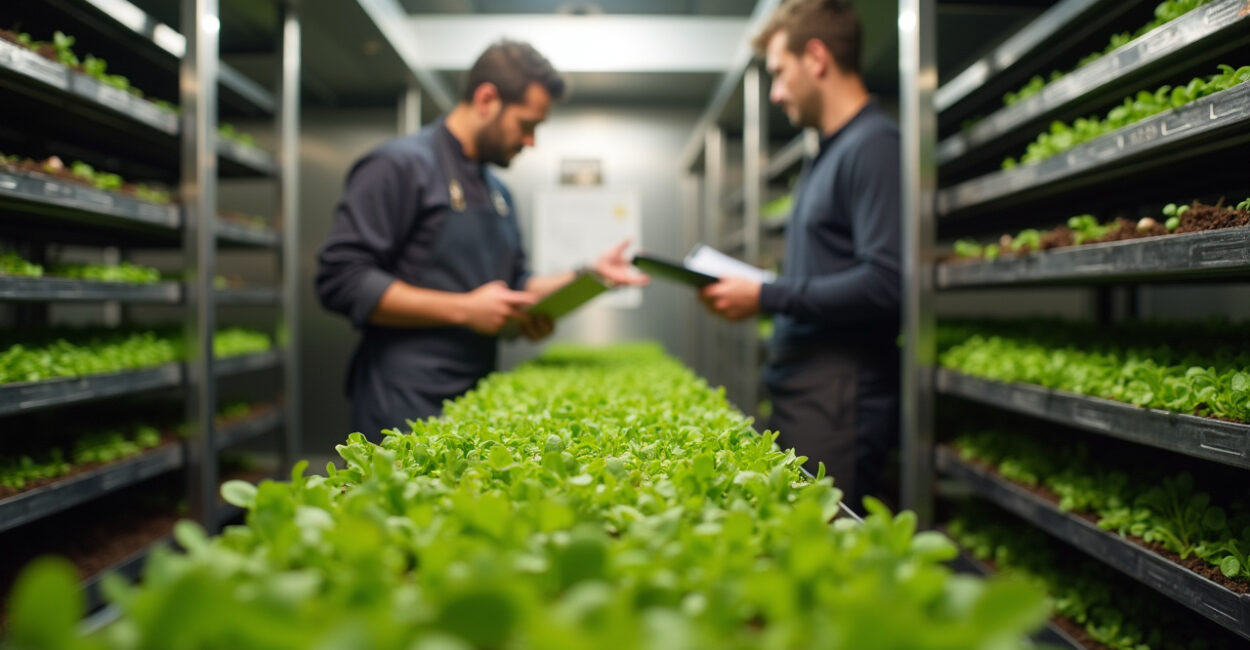
They showed up in the pass and the chef asked, “Did you stagger these?” That’s when the room went quiet. Restaurant owners want steady boxes every week, not surprise surges or empty trays. A smart set of microgreen schedules turns chaos into a reliable rhythm: plantings that finish like clockwork, varieties chefs actually request, and harvests that fill orders without last-minute panic.
Why Weekly Cadence Matters More Than Yield Per Tray
Yield is sexy. Predictability pays the bills. For restaurants, a single missed Monday delivery costs more than a half-empty tray. The best microgreen schedules focus on timing, not just grams per tray. If you can promise a consistent weekly delivery, chefs will pay for it. That means planting intervals that overlap so one tray is ready while another is seven days from harvest. Use faster varieties as anchors and longer growers as filler to smooth out the calendar.
The Season-by-season Playbook Chefs Actually Ask For
Season affects germination, growth rate, and flavor. Your microgreen schedules should change with daylight and temp, not stay static. In spring, lean on quick peppery greens like arugula and radish. Summer calls for heat-tolerant sorrels and basil microgreens. Fall opens brassicas and cilantro. Winter favors hardy mixes and sprouts under lights. Plan each season with three anchor crops and two rotating extras so chefs get variety without gaps.
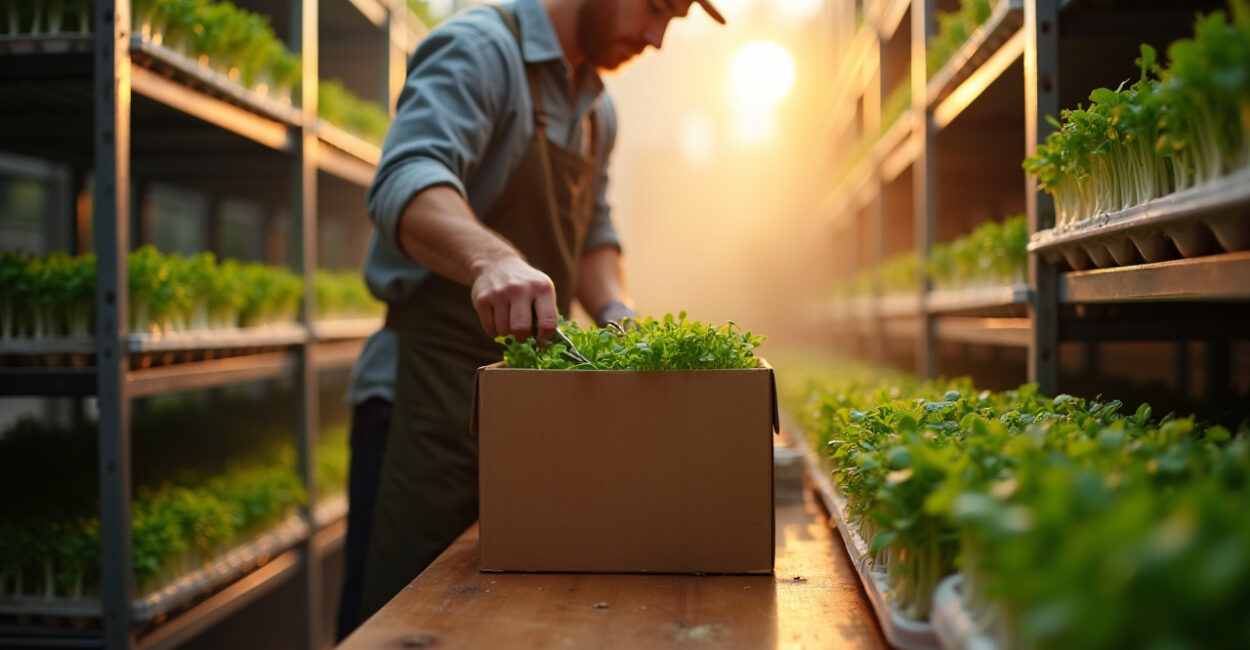
Exact Planting Intervals That Keep Weekly Boxes Full
Here are practical intervals to staple into your calendar. These make microgreen schedules actionable. Plant like this to hit weekly harvests:
- Fast (radish, arugula): sow every 5–7 days; harvest at 8–12 days.
- Medium (broccoli, mustard): sow every 7–10 days; harvest at 10–14 days.
- Slow (pea shoots, sunflower): sow every 10–14 days; harvest at 12–18 days.
Stagger by variety, not by tray. If you run 10 trays, rotate plantings so roughly 1/10th finish each day in your harvest window.
Comparison: Typical Hobby Grower Vs. Pro Restaurant Schedule
Expectation: plant a bunch one weekend and harvest constantly. Reality: you spike supply, then crash. In contrast, pro microgreen schedules look like a conveyor belt. They plant smaller batches more often. The comparison is stark: hobby growers get feast-or-famine; pros get steady weekly crates. That steady rhythm is what restaurants want — predictable volume and variety. The small extra work of frequent sowing buys you reliable revenue and better client relationships.

Common Mistakes That Break a Harvest Calendar (and How to Avoid Them)
People trip over the same things. Avoid these errors to keep microgreen schedules working:
- Overplanting one crop — leads to waste and storage headaches.
- Ignoring seasonal growth shifts — slows harvests unexpectedly.
- Not logging germination rates — you’ll mis-time harvests.
- Failing to communicate changes with chefs — trust erodes fast.
Fix these by tracking simple metrics: germination %, days-to-harvest, and weekly yield. A single spreadsheet that gets updated after every harvest prevents most pain.
Tools and Routines That Make Schedules Effortless
You don’t need fancy software. Start with a shared calendar and three routines: morning check, mid-cycle moisture check, and harvest log. Use labels on trays with sow date, seed type, and expected harvest date. Grow lights on a timer and a small humidity gauge remove guesswork. Automation wins time; documentation saves it. For deeper reading on food safety and post-harvest handling, consult guidance from USDA resources and cultivation tips from university extensions like Penn State Extension.
A Mini-season Plan You Can Copy This Month
Imagine this: you stagger plantings Monday through Friday. Radish on Monday, broccoli on Tuesday, arugula Wednesday, sunflower Thursday, and basil on Friday. Each week you repeat. After two weeks, you have a rolling harvest. Here’s a ready sequence:
- Week 1: Radish (Mon), Broccoli (Tue), Arugula (Wed), Sunflower (Thu), Basil (Fri)
- Week 2: Repeat — adjust based on chef feedback
A short story: a grower switched to this exact rhythm and cut late-night harvest panic in half. Chefs noticed steadier flavor and started ordering weekly boxes. That one change turned inconsistent income into a predictable line of business.
Closing Provocation: Are You Scheduling for Chefs or for Your Ego?
Growing lots of one pretty crop feels good. Selling steady weekly boxes pays rent. Which will you choose? Build microgreen schedules that serve restaurants, not your schedule of grand experiments. Do that and you won’t sell single trays — you’ll sell a service.
How Often Should I Sow to Meet a Weekly Restaurant Order?
To reliably meet weekly orders, sow in staggered batches rather than one large planting. For fast varieties like radish and arugula, sow every 5–7 days so harvests arrive at 8–12 days. For medium-speed greens such as broccoli, sow every 7–10 days with a 10–14 day harvest. For slow growers like pea shoots, sow every 10–14 days. Combine these intervals across trays so you have at least one harvest window opening each week. Track actual days in your environment and adjust the schedule accordingly.
Which Microgreens Do Chefs Request Most, Season by Season?
Chefs favor bright, punchy flavors in spring and fall — think arugula, radish, and mustard. Summer requests include basil microgreens and mild sorrel for freshness. Winter choices shift to hardy brassicas, kale, and sunflower for texture. Local taste and menu styles change requests, so keep a short feedback loop with chefs. Use faster staples as your backbone and rotate in seasonal specialties. That approach keeps both flavor interest and a predictable supply, which is what buyers value most.
How Do I Prevent Gaps After a Failed Germination?
Germination fails happen. Prevent gaps by planning redundancy and recording germ rates. Always have a backup tray sown one or two days after a primary sowing for key crops. Log typical germination percentage for each seed lot and adjust sow density. If a batch underperforms, accelerate a faster crop or harvest another tray earlier. Communication with buyers helps, too—offer a temporary substitute rather than silent delays. Over time, this lowers your risk and keeps deliveries steady.
What Are Simple Metrics to Track for Reliable Schedules?
Track just three numbers per tray: sow date, germination percentage, and actual days-to-harvest. Add harvested grams per tray and any defects. These metrics let you predict future yields and refine microgreen schedules. Update them after each harvest. With two months of data you can estimate how many trays to sow weekly to meet chef orders. A basic spreadsheet or shared calendar is enough. The discipline of logging beats clever guesswork every time.
Can I Scale Weekly Deliveries Without a Bigger Space?
Yes. Scaling doesn’t always mean more square footage; it often means smarter timing. Use vertical racks, optimize light spacing, and squeeze more crop cycles from existing trays by improving germination and reducing days-to-harvest. Shift to varieties with shorter cycles to increase turnover. Outsource peak demand to a partner grower or add a pop-up microbatch for specific days. The core is reliable microgreen schedules—consistent sowing and harvest patterns will let you increase throughput without a proportional space jump.