

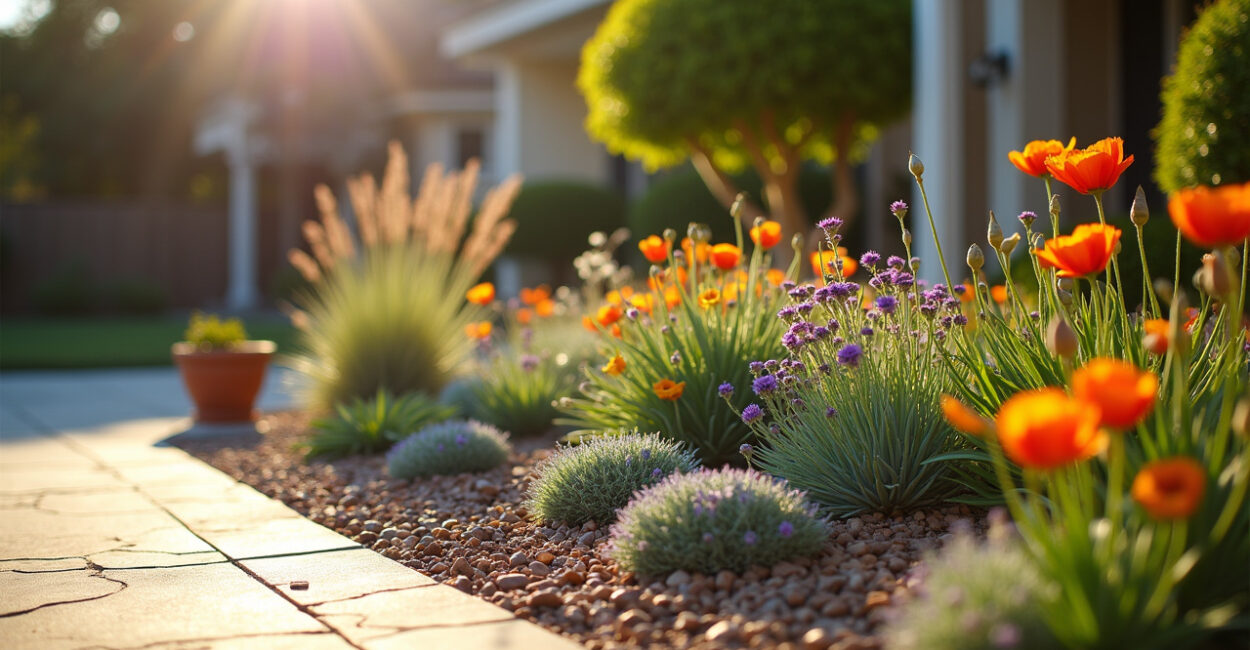
Heat soaks the pavement, sprinklers cut back, and your neighbor’s lush lawn looks like a memory. Yet down the block, a front yard still pops with color, crisp shapes, and zero daily fuss. That’s the power of truly drought-tolerant plants — species that keep form and hue when everything else folds. Read on if you want a garden that stays handsome in heat waves without being a thirsty chore.
Why These 9 Pick Up Where Regular Plants Give Up
These nine ornamental survivors don’t just limp through dry spells — they look deliberate. They evolved to keep leaves tight, flowers timed, and stems upright when water runs low. That means you get structure, color, and curb appeal during the hottest months. Drought-tolerant choices save you time and water bills. They also reduce disease and mowing. In short: choosing the right plants is like choosing furniture that never needs clean-up.
The Nine Resilient Ornamentals That Actually Keep Color in Heat
Here are nine species that gardeners swear by for hot, dry conditions. Each keeps shape and color much longer than typical bedding plants.
- Lavandula angustifolia (English lavender) — fragrant spikes and gray-green foliage.
- Salvia nemorosa (Perennial sage) — long bloom times and upright form.
- Echinacea purpurea (Coneflower) — bold heads that last and reseed.
- Agastache (Hyssop) — summer-long nectar magnets and aromatic leaves.
- Gaura lindheimeri (Whirling butterflies) — airy, long-blooming stems.
- Sedum ‘Autumn Joy’ — succulent leaves and late-season color.
- Ornamental rosemary (Rosmarinus officinalis) — heat-hardy with structure.
- Pennisetum alopecuroides (Fountain grass) — soft texture, drought tolerance.
- Artemisia (Silver sage) — tonal contrast and tough foliage.

Planting Moves That Make Drought-tolerant Choices Actually Thrive
Planting wrong will kill even tough species — so start smart. Place drought-tolerant plants in the sunniest part of the yard they tolerate. Don’t over-plant; air circulation matters. Amend heavy clay with coarse sand and compost to improve drainage. Group plants by water needs — a principle called hydrozoning — so you never water more area than needed. A simple planting hole, backfilled with native soil and a touch of compost, is often better than hauling in tons of foreign mix.
The Mulch and Soil Tricks Pros Use (you’ll Copy Them This Season)
Mulch is the secret handshake of drought-wise gardens. A 2–3 inch layer of organic mulch cuts evaporation, cools roots, and slowly feeds soil. Use coarse bark or chopped leaves around woody perennials; gravel or decomposed granite works around succulents and Mediterranean plants. Avoid piling mulch against stems. Also, consider a thin layer of mulch with a soaking dressing of compost under it — that combo improves water retention without keeping the crown wet and rot-prone.

Watering Strategy: Less Often, Deeper, and Smarter
Deep, infrequent water beats daily sprinkles every time. Watering to 6–12 inches encourages roots to go down, not sit at the surface. Use a soaker hose or drip line for 30–60 minutes early in the morning. Check soil with a trowel before you water — soggy soil means skip the hose. In new plantings, water more often for the first season to establish roots, then taper off. A simple moisture meter or the screwdriver test tells you more than a calendar ever will.
Mistakes People Make with Drought-tolerant Gardens (and How to Stop Them)
Most failures aren’t the plants’ fault — they’re ours.
- Expecting drought-tolerant = zero water. Wrong. Young plants need watering to establish.
- Planting shade lovers in full sun because you “like” the look. Match plant to spot.
- Over-fertilizing — lush foliage invites pests and water loss.
- Too much mulch piled at stems causes rot.
- Mixing water needs — don’t put thirsty annuals next to xeric perennials.
A Small Scene: What a Drought-tolerant Makeover Actually Feels Like
Last summer, an old patch of thirsty turf became a gravel bed with lavender, rosemary, and fountain grass. By mid-July the street looked calmer — gray-green textures, airy seedheads, clear paths. The family stopped worrying about sprinkler schedules. The neighbor stopped asking why their yard looked so good. That patch used about 70% less water and still welcomed kids, dogs, and a barbecue without stress. It’s not dramatic; it’s steady, believable beauty that holds up under heat.
Want authority to back these choices? Check plant hardiness data and regional guidelines from USDA resources and water-wise recommendations at EPA WaterSense. Both explain local limits and smart practices.
Pick the right nine, plant them smart, and you get a garden that performs when the thermometer climbs. That’s drought-tolerant gardening without compromise — gorgeous, practical, and lower maintenance.
How Soon Will a Drought-tolerant Garden Save Water and Money?
Most gardens show measurable water savings within the first season after planting drought-tolerant species and switching to deep, infrequent irrigation. Savings depend on what you remove (lawns save more than watered beds), soil type, and climate, but homeowners typically see 30–70% lower outdoor water use. Initial costs for plants and mulch pay back quickly through lower bills and less equipment wear. The key is proper planting and irrigation setup — skip that and savings shrink.
Can Drought-tolerant Plants Survive a Full Summer Without Watering?
It depends. Mature drought-tolerant species can often survive extended dry stretches with minimal watering, especially Mediterranean and native plants adapted to your region. However, newly planted specimens need regular deep water for at least the first season to establish roots. In extreme heat waves, a single deep soak every few weeks may save them. Think in terms of survival vs. thriving: they may live with almost no water, but occasional moisture keeps them vibrant and flowering.
Are Drought-tolerant Gardens Pet- and Kid-friendly?
Yes—many drought-tolerant plants are safe for families, but you should choose deliberately. Lavender, fountain grass, and many salvias are low-tox and hold up to traffic. Avoid some varieties of ornamental rosemary if dogs chew plants; certain succulents can irritate skin or upset stomachs if ingested. Also, hardscape choices matter: smooth paths and shaded seating make a yard usable. Test a small area first to see how pets and kids interact with plant textures and heights.
How Do I Choose the Right Drought-tolerant Mix for My Yard?
Start by mapping sun, shade, wind, and soil type across your yard. Group areas into hydrozones: high, medium, and low irrigation need. Pick species from the list that match each zone, prioritize native or regionally adapted cultivars, and mix textures: upright perennials, low shrubs, and a few grasses. Consider bloom time to keep color through the season. A landscape pro or local extension service can suggest varieties that suit your USDA zone and aesthetic goals.
Will Switching to Drought-tolerant Plants Reduce Maintenance?
Generally yes — less watering, fewer fungicide needs, and reduced mowing if you replace turf. But drought-tolerant doesn’t mean zero work. Expect seasonal pruning, deadheading for some perennials, and occasional weeding, especially in the first two years while plants settle. Mulch renewal every year or two keeps water savings steady. The payoff is more predictable: less daily effort, lower water bills, and a garden that looks good through heat without constant babysitting.