

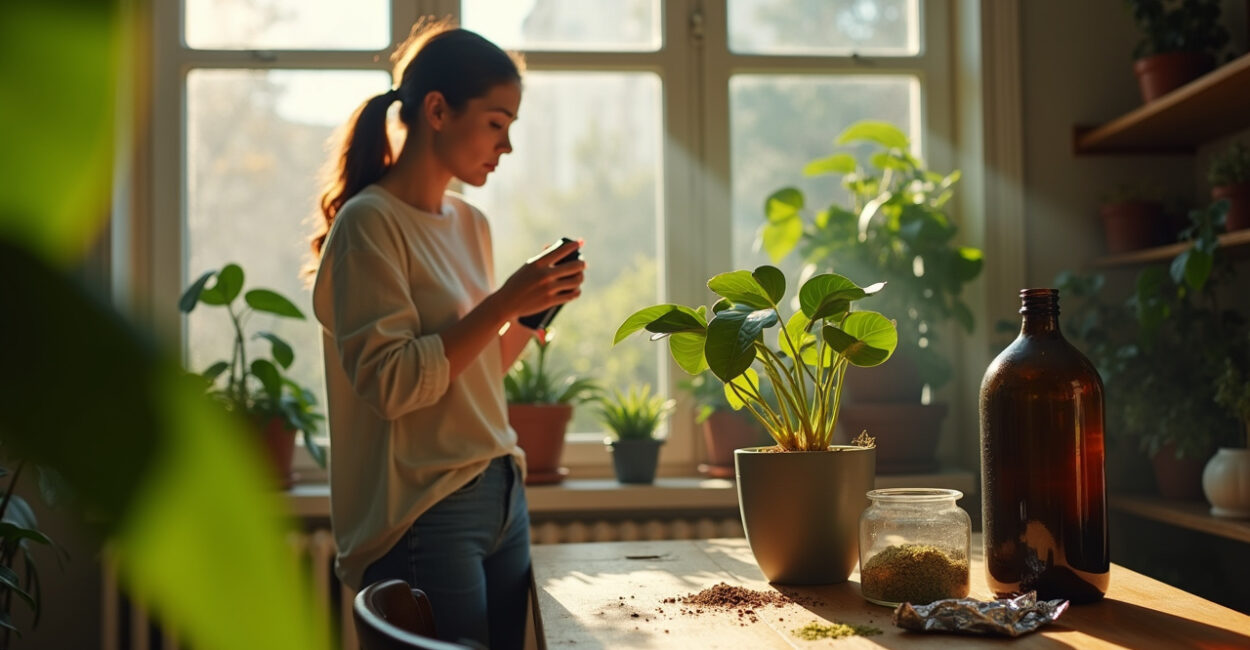
My sister fed a struggling pothos the same high-dose fertilizer she used on tomatoes. Within a week the leaves browned at the edges and her confidence wilted. Fertilizer is powerful — and easily misused. This guide stops the guesswork: when to feed, what NPK means, which products act slowly or fast, and specific tips to boost blooms, fuller foliage, and faster recovery without burning roots.
When to Feed: Timing That Actually Helps, Not Hurts
Too often people fertilize on a calendar instead of the plant. Fertilizer should follow plant activity. Most houseplants pause growth in winter; feeding then often stresses roots. Feed when the plant is actively growing — usually spring through early fall. Watch new leaf growth, not dates. If leaves are yellowing and soft, stop feeding and check water and light first. For outdoor beds, feed after the last frost when soil warms and microbes wake up.
NPK Decoded: What Those Numbers Really Do
NPK numbers look cryptic, but they map to clear results. Nitrogen = leafy growth, phosphorus = roots and blooms, potassium = overall vigor and disease resistance. Want fuller foliage? Choose higher nitrogen. Want more flowers? Boost phosphorus. A balanced 10-10-10 fits general use, but some plants — like orchids — do better on low-N mixes. Think of fertilizer like a recipe: tweak one ingredient and the final dish changes.

Slow-release Vs. Liquid: Pick Your Speed
These two types behave very differently. Slow-release pellets feed steadily over months; liquids give an immediate boost. Slow-release lowers the chance of burning roots when used at recommended rates. Liquids are great for shock recovery or a quick bloom push. Use slow-release to maintain steady growth and liquid for targeted fixes.
- Slow-release: low effort, steady feed, less risk.
- Liquid: quick results, needs correct dilution, can burn if overused.
Common Mistakes People Make with Fertilizer (and How to Avoid Them)
Most damage comes from good intentions. Common errors: overfeeding, feeding dry soil, using the wrong NPK, and treating every plant the same. Overfeeding is the fastest way to kill a plant — signs are brown leaf tips, stunted growth, and crusty soil. Always dilute liquid fertilizer per label, water before you feed if the soil is bone-dry, and cut back during dormancy. Keep a notebook: date, product, and amount. It saves repeated mistakes.

Plant-specific Plans: What to Feed the Favorites
One-size-fits-all rarely works. Here are few practical plans using fertilizer that actually match plant needs:
- Ferns: low N, regular small doses. They like steady, mild fertilizer.
- Flowering houseplants (African violets, begonias): higher phosphorus during bloom time.
- Succulents/cacti: low-frequency, balanced fertilizer during spring only.
- Leafy tropicals (monstera, philodendron): higher nitrogen for lush leaves.
Match the fertilizer to the plant’s goal: blooms, leaves, or recovery.
Recovery: How to Revive a Plant Without Making Things Worse
Reviving isn’t an instant fix. Overcorrecting with fertilizer is common and damaging. First, flush the soil with water if salts built up. Trim dead tissue and let the plant rest with light and stable temperatures. Once you see new growth, use a diluted liquid fertilizer to support recovery — not full strength. A diluted feed every 2–4 weeks is safer than one strong dose. If roots are mushy, focus on repotting to fresh medium before feeding.
Real Comparisons That Change How You Decide
Before/after pictures alone lie. Comparison matters: a rose bush given monthly liquid feeds bloomed for two weeks longer, but required careful watering and pruning. A slow-release program on the same soil produced steady blooms all season with less labor. Expectation vs. reality: liquids produce spikes; slow-release produces stability. Choose based on how much time you want to spend and how forgiving your plants are.
Two reputable sources that back these approaches: research on nutrient uptake and timing from university extension services and government agricultural pages explain why timing and dilution matter. For further reading, see Penn State Extension on plant nutrition and guidance about fertilizers from the USDA at USDA Plant and Crops.
Pick one change and apply it this week: water before you fertilize, or switch to diluted liquid for a month. Small changes avoid burned roots and grow confidence.
How Often Should I Feed My Houseplants?
Feed frequency depends on plant type and fertilizer form. For liquid fertilizer, use a diluted mix every 2–4 weeks during active growth. For slow-release, one application in spring usually lasts several months. Stop or greatly reduce feeding in winter for plants that slow growth. Always check the plant’s growth signs: new leaves and active shoots mean it’s okay to feed; yellowing and limp leaves suggest hold off. Adjust based on recovery after repotting or stress.
Can I Use Garden Fertilizer for Indoor Plants?
Garden fertilizers can work but are not always ideal for houseplants. Outdoor mixes sometimes have higher salt levels or are designed for long-term bed use. Indoor pots are smaller and salts build up faster, which can burn roots. If you use garden fertilizer indoors, reduce the rate to at least half and flush the potting mix more often. Better yet, use a houseplant-specific formula or a balanced, water-soluble product that allows precise dilution for small containers.
What Do Brown Leaf Tips Mean After Fertilizing?
Brown tips often point to salt buildup or fertilizer burn, not necessarily a nutrient deficiency. Excess fertilizer draws moisture away from root tips and damages tissue. If this appears after feeding, flush the soil thoroughly with water several times to remove excess salts and pause fertilizing. Trim damaged tips and monitor new growth. If the problem repeats, lower the concentration, switch to slow-release, or evaluate watering habits and pot drainage.
Is Organic Fertilizer Safer for My Plants?
Organic fertilizers release nutrients more slowly and improve soil biology, which reduces burn risk. They are not inherently safer in all cases: if overapplied, even organic products can cause issues or attract pests. Organic options are excellent for steady, long-term care and for improving potting mix structure. They typically need time for microbes to break them down, so expect gradual results. Pair them with proper watering and light for best outcomes.
How Do I Choose NPK for More Blooms?
To encourage blooms, look for formulas with a higher middle number (phosphorus) relative to nitrogen. A bloom-boosting feed might be labeled with an N-P-K like 5-15-10. Apply according to label directions and avoid overfeeding, which can produce foliage at the expense of flowers. Also check light and pruning: even perfect fertilizer won’t force blooms on a plant that lacks sufficient light or is root-bound. Combine proper NPK with care routines for the best results.