

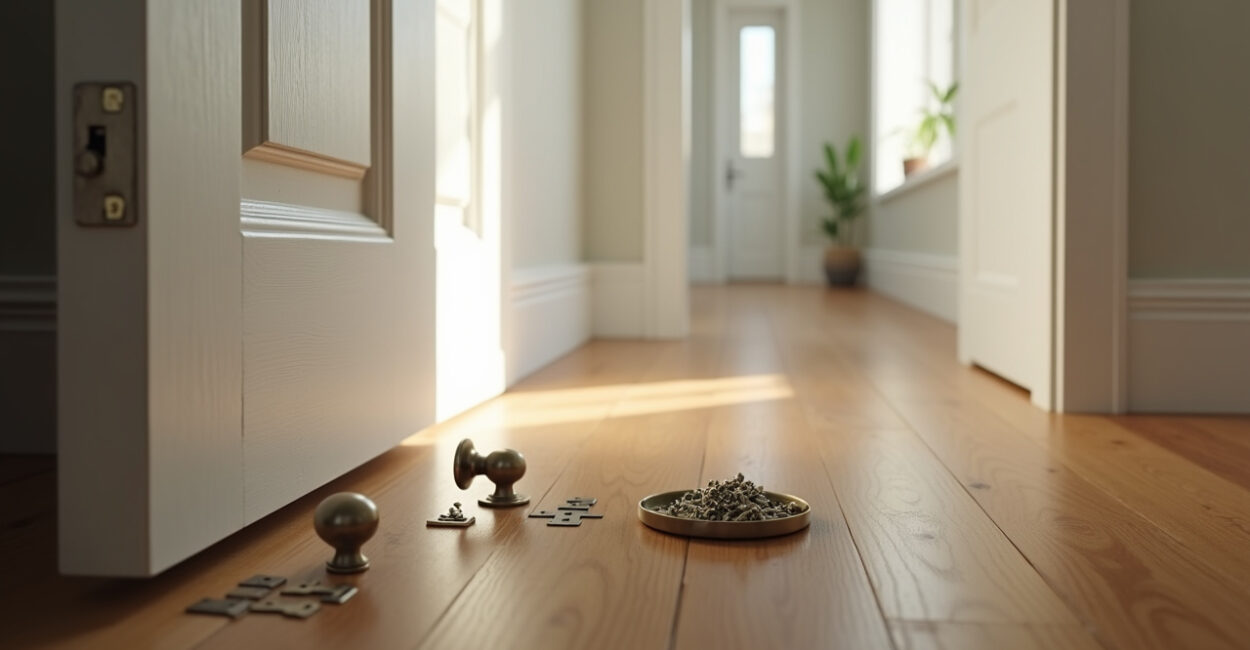
Small hardware changes can make a room look newer than a fresh coat of paint, and that’s why replace interior door hardware is often one of the smartest low-cost upgrades in a home. A dated knob, sloppy latch, or squeaky hinge can make an otherwise finished room feel tired. Swap the right pieces, and the whole door reads cleaner, quieter, and more intentional.
The catch is that not every part needs replacing, and that’s where the budget gets saved or blown. The real job is deciding what to keep, what to match, and where a nicer lever or hinge finish actually changes the feel of the space. This guide breaks down the parts, the cost tradeoffs, and the decisions that matter before you buy anything.
What You Need to Know
- Interior door hardware includes the knob or lever, latch, strike plate, hinges, and sometimes the privacy mechanism; replacing all of it is not always necessary.
- Matching finishes matters more than buying the most expensive set, because mixed metals on one door usually look accidental.
- Hollow-core doors often need only cosmetic hardware upgrades, while solid doors may justify better hinges and a higher-grade latch.
- Most budget overruns come from drilling mistakes, nonstandard backsets, or replacing hardware that was still structurally fine.
- Finish durability and feel matter more than trends; a well-made lever in brushed nickel usually outlasts a decorative bargain option.
Replace Interior Door Hardware Without Replacing More Than You Need
Technically, interior door hardware is the set of mechanical parts that let a door open, close, latch, and lock. In plain English, it’s the knob or lever you touch, the latch that catches, the strike plate on the frame, and the hinges that carry the weight. If you are trying to control cost, that definition matters because it separates the “must replace” parts from the “nice to upgrade” parts.
In practice, the biggest mistake is treating every door the same. A bedroom door with a wobbly lever may only need a new lockset, while a hallway door that drags on the jamb may need hinge work before any cosmetic change makes sense. I’ve seen people spend more on decorative hardware than they should because they started with style instead of function. That usually leads to a second purchase.
What separates a smart hardware upgrade from an expensive one is not the finish you choose — it is whether the existing door still fits the frame and latches cleanly.
If you want a technical reference for door and hardware specs, the Whole Building Design Guide from NIBS is a useful starting point. For consumer safety and hardware installation basics, the U.S. Consumer Product Safety Commission is also worth checking before you buy anything with spring-loaded or locking components.
The Parts That Change the Look Most
Knobs Versus Levers
The handle is what people notice first, and it’s also where comfort shows up. Levers feel easier on hands, especially for kids, older adults, or anyone carrying laundry, but knobs can still look better in traditional rooms. If you are updating a whole hallway, a consistent lever shape often makes the space feel more cohesive than mixing styles door by door.
Hinges and Strike Plates
Hinges are mostly overlooked until they squeak, but finish mismatch on hinges can ruin the look of a door. If your knob is satin nickel and the hinges are yellowed brass, the door reads old even if the handle is new. Replacing hinges makes sense when the existing ones are painted shut, corroded, or undersized for a heavier door slab.
Privacy Sets and Passage Sets
Bedroom and bathroom doors usually need privacy function; closets and hall doors usually do not. That distinction affects cost because privacy sets include a lock or push-button mechanism, while passage sets are simpler and cheaper. Buying the wrong type is an easy way to waste money, so check the room function before you order anything.
A good hardware upgrade is often a small visual correction, not a full makeover. If the trim is clean, the hinges align, and the door closes well, a new lever and matching strike plate may be enough to make the room feel updated.

What to Keep, What to Replace, and Why
The best budget decisions start with a quick inspection. Check whether the latch engages smoothly, whether the hinge pins are loose, whether the door rubs the frame, and whether the existing bore holes match the new set. If the door works well, you can keep more than most people think.
- Keep the hinges if they are structurally sound and the finish still matches the room.
- Replace the latch if the door doesn’t close securely or the mechanism feels gritty.
- Replace the strike plate if the latch misses the opening or the old plate is bent.
- Replace the full lockset only when the bore, backset, or privacy function no longer fits your needs.
Backset is the distance from the door edge to the center of the knob bore. If that measurement does not match the new hardware, the project gets more complicated fast. A standard interior backset is commonly 2-3/8 inches or 2-3/4 inches, but not every door follows the same pattern. That is where careful measuring saves money.
A clean-looking hardware upgrade starts with measurements, not shopping carts; the wrong backset or bore size can turn a simple swap into a repair project.
For an unbiased overview of accessibility and door operation standards, the U.S. Access Board offers practical guidance that helps explain why lever-style hardware is often preferred in real-world use.
Budget Breakdown: Where the Money Goes
Hardware pricing is easier to understand when you separate materials from labor and mistake costs. A basic interior knob set costs far less than a designer lever, but the cheapest option is not always the cheapest outcome if it fails early or needs extra drilling. The real budget question is how many doors you are changing and how much matching you want across the house.
| Item | Typical Budget Impact | When It Makes Sense |
|---|---|---|
| Basic passage knob | Low | Closets, hall doors, quick refreshes |
| Privacy lever set | Moderate | Bedrooms and bathrooms |
| New hinges | Low to moderate | Visible finish mismatch or worn hardware |
| Strike plate and latch upgrade | Low | Door closes poorly or feels loose |
| Pro installation | Moderate to high | Nonstandard doors, damaged bores, or multiple rooms |
Labor becomes the hidden line item when a door has old holes, warped alignment, or a nonstandard pre-drilled pattern. If you are only replacing visible pieces, the project stays affordable. If you need a new bore, a filler plate, or trim repairs around the lock, the total can jump faster than the hardware itself.

Finish, Style, and Matching Rules That Actually Matter
Finish choices affect whether the upgrade looks intentional. Satin nickel, matte black, aged bronze, polished chrome, and brass each send a different signal, but the important rule is consistency within sightlines. You do not need every hinge in the house to match perfectly, yet doors in the same hallway should usually look like they belong together.
There is one exception: older homes with mixed metals can look good when the whole room has a clear historic style. That said, the “mixed on purpose” look only works when the rest of the space supports it. If not, it just looks like leftovers.
- Match visible hardware first. Knob, lever, and hinges should read as one set in the same room.
- Use one finish across a floor. This keeps the home from feeling pieced together.
- Do not overpay for trendy finishes on doors that get little attention, like pantry or utility rooms.
Who works in remodeling knows that finish durability matters more than catalog photos. A finish that resists fingerprints and daily contact will look better six months later, even if it was not the flashiest option on the shelf.
Installation Mistakes That Create Extra Cost
Most installation problems come from assuming the old hardware size will fit the new one. It often does, but not always. The usual trouble spots are backset mismatch, misaligned latch faces, and hinge screws that no longer bite into solid wood. If the screws spin, the door may need longer fasteners or wood filler before the hardware will hold.
Here is a simple real-world example. A homeowner swaps in a sleek lever set on three bedroom doors, then discovers one door has a different backset and a damaged latch bore. The hardware looks right in the box, but the third door now needs an adapter or a new prep. The “cheap” upgrade is suddenly a half-day project.
That is why measuring first is not optional. Check the door thickness, backset, cross-bore diameter, edge bore, and hinge size before ordering. If a door is already misaligned, fix the hinges before blaming the knob. A lot of frustration disappears when the door closes properly before new parts go on.
When a Full Swap is Worth It
A full replacement makes sense when the hardware set is old, visibly mismatched, or mechanically unreliable. It also makes sense when you are standardizing a home for resale or for a cleaner design through multiple rooms. Buyers notice consistency more than they notice individual premium pieces.
Still, not every case justifies a full swap. If a solid brass knob still works and the room style supports it, replacing only the hinges or strike plate may be the smarter move. The best upgrade is the one that fixes a problem without creating a second one. That is where homeowners save money and still get a noticeable visual lift.
Practical Next Steps Before You Buy
The smartest move is to inspect one door from start to finish before you buy hardware for the whole house. Measure the backset, note the room function, check hinge condition, and decide whether the finish should match nearby doors or replace a dated look completely. That one dry run tells you almost everything you need to know.
If you are trying to keep the budget tight, start with the doors people see most: entry from the hallway, bedroom doors, and bathrooms. Those changes give the fastest visual return without committing you to a full-home project. Then buy the rest only after the first installation proves the size, finish, and feel are right.
Frequently Asked Questions
How Do I Know If I Need to Replace the Whole Lockset or Just the Knob?
If the latch works and the door closes properly, you can often replace just the knob or lever assembly. Replace the full lockset when the backset does not match, the privacy function is wrong for the room, or the internal mechanism is worn out. If the door already feels loose at the frame, check alignment before buying new parts. A lot of “hardware problems” are really fit problems.
What Finish is Best for Interior Door Hardware?
There is no universal best finish, but satin nickel and matte black are the easiest for most homes because they are widely available and visually flexible. Satin nickel hides fingerprints better than polished chrome, while matte black works well in modern or transitional spaces. Brass can look beautiful in the right room, but it needs a clear design reason or it can feel dated instead of intentional.
Can I Replace Door Hinges Without Replacing the Knob?
Yes, and that is often a smart budget move. If the knob or lever still works well, new hinges can improve the look of the door and fix squeaks or visible wear without changing the whole set. The important detail is finish matching; a fresh hinge in the wrong color can make the old knob stand out even more. Replace only what the eye will notice or the door function needs.
Why Won’t My New Hardware Fit the Existing Holes?
The most common reason is a mismatch in backset, bore diameter, or door thickness. Interior hardware is not perfectly standardized across every manufacturer, especially on older homes or previous remodels. If the new set is close but not exact, you may need an adapter, filler, or a different model. Measure the old hardware before buying the next one, not after the box is open.
Is It Worth Hiring a Pro for Interior Door Hardware Replacement?
It is worth it when you have several doors, damaged bores, warped frames, or a door that already drags on the jamb. A pro also helps when you want every room to look consistent and you do not want to risk visible installation mistakes. For one standard bedroom door, many homeowners can handle it. For multiple doors with mixed sizes, the labor cost can save you from buying the wrong parts twice.