
The Best Vegetables to Grow in Small Gardens: A Complete Guide
How to choose vegetables that thrive in small gardens: fast-growing, compact crops with cut-and-come-again harvests, vertical support, and succession plantin…
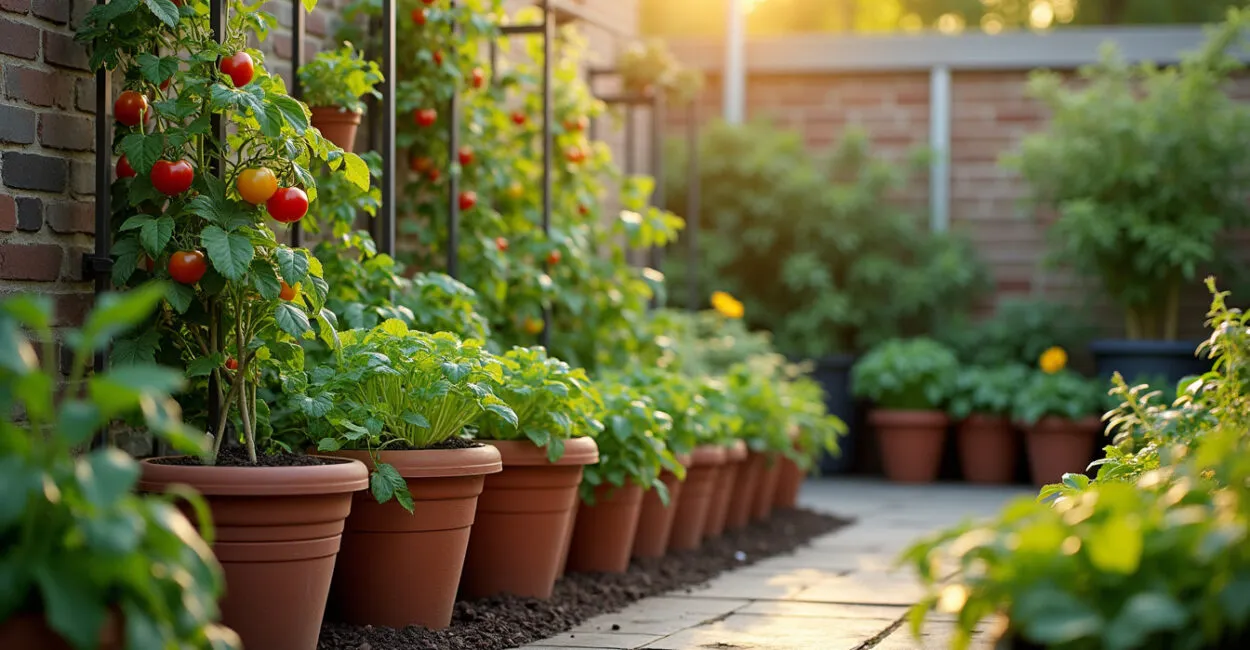 Compact backyard garden filled with thriving vegetables and herbs
📅 Updated on 06/13/2026
A small garden can outproduce a bigger one when every plant earns its space. The difference comes down to choosing vegetables that mature quickly, stay compact, and keep giving after repeated harvests.
That means thinking less about how much ground you have and more about crop behavior: leaf size, root depth, days to maturity, and whether the plant can be picked young or harvested multiple times. In practical terms, a patio planter, raised bed, or narrow side yard can still deliver a steady crop if the right species go in first.
The Essentials
- Small gardens perform best with fast crops, compact plants, and cut-and-come-again harvests.
- Leafy greens, bush beans, radishes, cherry tomatoes, peppers, and herbs are high-return choices for limited space.
- Vertical support matters as much as soil depth; trellises can turn a narrow bed into a productive one.
- Succession planting beats one-time planting because it keeps beds full and harvests continuous.
- Container size, sun exposure, and consistent watering determine yield more than garden size alone.
The Best Vegetables for Small Gardens and Why They Win
The best small-space crops are the ones that give the most food per square foot without demanding long seasons or constant staking. In other words, you want varieties that mature fast, produce often, and tolerate being harvested before they reach full size.
Leafy Greens That Earn Their Keep
Spinach, lettuce, arugula, kale, and Swiss chard are dependable because you can harvest outer leaves first and let the plant keep going. That “cut-and-come-again” habit is ideal when space is tight, since one planting can feed you for weeks instead of days.
Compact Roots and Fast Turnover Crops
Radishes, baby carrots, beets, and turnips are strong choices because they do not ask for much room above the soil line. Radishes are the speed champions here, often ready in about 25 to 35 days, which makes them useful for filling gaps between slower crops.
High-Output Fruiting Plants
Cherry tomatoes, patio peppers, and bush beans are worth the space because they produce heavily over a long stretch. Bush varieties matter in small gardens: they stay more contained than pole types, and they reduce the need for elaborate support.
The most productive small garden is not the one with the most plants; it is the one with the fewest wasted inches.
For regional growing advice, extension programs are often more useful than generic seed-packet claims. The Clemson Cooperative Extension Home & Garden Information Center and the University of Minnesota Extension vegetable guides both give practical, climate-aware recommendations that help narrow down what actually performs.
How to Match Crops to Sun, Soil, and Container Size
Space is only half the equation. Light, root depth, and container volume decide whether a plant thrives or stalls, and that is where many small gardens lose momentum.
Sunlight Sets the Ceiling
Most fruiting crops want full sun, meaning at least six hours of direct light. Leafy greens can tolerate a little shade, which makes them valuable in yards that get split sun or afternoon cover from a fence or tree.
Container Depth Changes the Game
Shallow boxes suit lettuce, herbs, and radishes. Deeper pots are better for carrots, beets, peppers, and tomatoes because root space affects water stability and overall plant size. A plant in a cramped container may stay alive, but it often stays small for the wrong reason.
Soil Quality Beats Guesswork
Loose, well-drained soil with steady organic matter gives small gardens their edge. If the mix holds too much water, roots suffocate; if it drains too quickly, plants stall. The USDA’s home gardening resources at USDA.gov are a good starting point for soil and planting basics that apply beyond one climate zone.
In a small garden, poor soil does more damage than limited space because every square foot has to perform.
Planting Choices That Stretch Limited Space Further
The real trick is not just choosing good crops; it is stacking them in ways that multiply harvests. Vertical growth, staggered sowing, and pairing fast crops with slow ones can turn one bed into a sequence of harvest windows.
Use Vertical Support Where It Actually Helps
Peas, pole beans, cucumbers, and indeterminate cherry tomatoes benefit from trellises because they move production upward. That frees the ground for lower crops like lettuce or radishes early in the season, then opens space again once the first crop finishes.
Plant in Waves, Not All at Once
Sowing a small row of lettuce every 10 to 14 days is more useful than planting one long row and hoping it all matures at the right time. The same logic applies to radishes and bush beans: a staggered schedule keeps the harvest steady and reduces the “everything is ready today” problem.
Choose Varieties, Not Just Crop Names
Not all cucumbers, tomatoes, or beans behave the same way. Dwarf, patio, determinate, and bush varieties are built for tighter footprints. Seed catalogs often hide the key details in the descriptions, so look for words like compact, dwarf, bush, container-friendly, or early-maturing.
That matters in the real world. I have seen gardeners fill a bed with vigorous tomatoes, then discover there is no room left for anything else once the canopy closes. The fix is not bigger ambition; it is a better crop mix from day one.
The Best Small-Garden Vegetable Categories by Harvest Style
Different crops serve different jobs. Some give a quick payout, some keep producing, and some fill the gap between bigger harvests. A smart small garden uses all three.
| Crop Type | Best Examples | Why It Works in Small Spaces |
|---|---|---|
| Quick harvest | Radishes, baby lettuce, arugula | Fast turnover keeps beds productive |
| Continuous harvest | Swiss chard, kale, bush beans | Repeated picking extends yield |
| Vertical crop | Pole beans, peas, cucumbers | Uses height instead of width |
| Container crop | Peppers, herbs, cherry tomatoes | Performs well in pots and raised beds |
This is where the planning gets practical. If you need food fast, prioritize radishes and leafy greens. If you want a longer payoff, add peppers, cherry tomatoes, and chard. If you want the bed to work harder than its footprint suggests, go vertical with beans or peas.
Common Mistakes That Shrink Yield in Small Gardens
Most small gardens fail for boring reasons: too much crowding, too little sun, uneven watering, or choosing plants that look efficient but are not. The problem is rarely lack of effort. It is usually a mismatch between plant habit and available space.
Overcrowding Creates More Problems Than It Solves
When plants compete for light and airflow, disease pressure rises and fruit quality drops. A bed packed too tightly can look productive for a few weeks and then turn messy fast. Leave enough room for mature size, not the size of a transplant tag in spring.
Ignoring Water Needs Causes Uneven Growth
Containers dry out faster than in-ground beds, and fruiting crops hate wild swings between drought and flooding. Even moisture is more important than frequent heavy watering. In a small space, a simple drip line or self-watering setup often improves results more than extra fertilizer.
Choosing Big-Plant Energy for a Small Plot
Large squash, sprawling melons, and full-size corn usually waste valuable real estate unless you have a very specific setup. Those crops can work in some small gardens, but they are not the first place to start. The safer bet is compact crops with proven return.
Some crops can be grown in a small garden, but that does not mean they are the best use of the space.
A Practical Starter Plan for a 4-by-8-Foot Bed
If you want a bed that feels productive without becoming complicated, start with a simple mix: one vertical crop, one leafy crop, one root crop, and one long-season crop. That combination keeps the space busy from spring through fall.
Example Layout That Actually Works
- One trellis side for pole beans or cucumbers.
- A middle block of lettuce or kale for repeat picking.
- A short row of radishes or beets for quick turnover.
- Two to four peppers or one compact tomato at the back edge.
A neighbor once planted a narrow raised bed with nothing but tomatoes because they looked like the “best” crop for the space. By midseason, the plants were healthy but crowded, and the bed produced very little else. The next year, the same bed included lettuce at the front, beans on a trellis, and peppers along the back. The harvest doubled without expanding the footprint.
The pattern is reliable: diversity beats monoculture in small spaces because it spreads risk and keeps the bed producing across the whole season.
Seasonal Timing and Succession Planting That Keep the Garden Full
A small garden should rarely sit empty. As soon as one crop finishes, another should be ready to take over. That rhythm matters more than perfect planting dates.
Spring and Fall Favor Fast Crops
Cool-season crops like lettuce, spinach, arugula, peas, and radishes thrive when temperatures are moderate. They are also ideal for shoulder seasons, when warm-weather plants have not yet settled in or are already fading.
Summer Belongs to Warm-Season Producers
Tomatoes, peppers, beans, cucumbers, and basil usually take over once the weather heats up. If your climate has a short summer, focus on early-maturing varieties so the crop finishes before temperatures swing too hard.
Rotate Fast and Slow Crops Intentionally
Once radishes or baby lettuce finish, replant the same spot with bush beans or a late-season leafy green. That simple move can turn one bed into two or three harvest cycles. The garden feels larger because the calendar is doing more work.
What to Grow First If You Want the Highest Return
If you are starting from zero, begin with crops that are forgiving, productive, and useful in the kitchen. The safest first round is lettuce, radishes, bush beans, cherry tomatoes, peppers, and one climbing crop with a trellis. Add herbs like basil or parsley if you want extra value in a tiny footprint.
There is one limit worth stating plainly: a small garden can be highly productive, but it will not behave like a commercial farm or a full homestead plot. The goal is not maximum variety at any cost. The goal is reliable yield from the space you actually have.
Practical Next Steps
Start by measuring your sun exposure, then choose crops based on growth habit rather than wishful thinking. Favor compact varieties, use vertical supports where they matter, and plant in waves so the bed never sits idle for long. That approach turns a tight plot into a genuinely efficient food source.
Before buying seeds, make one decision: do you want fast harvests, steady harvests, or vertical harvests? Build the bed around that answer, and your small space will perform better than many larger gardens that were planned without a strategy.
FAQ
What are the easiest vegetables to grow in a small garden?
Lettuce, radishes, bush beans, spinach, and cherry tomatoes are among the easiest choices. They mature quickly, fit into containers or raised beds, and do not need complicated support systems. For many beginners, leafy greens and radishes give the fastest success.
Which vegetables produce the most in limited space?
Leafy greens, bush beans, cherry tomatoes, peppers, and climbing crops like pole beans often give the best return. The highest yield usually comes from crops that can be harvested repeatedly or trained upward. A trellis can make a big difference.
Can I grow vegetables in containers only?
Yes, and many of the best small-garden crops grow very well in pots. Lettuce, herbs, radishes, peppers, and compact tomatoes are especially container-friendly. The key is choosing the right pot depth and watering consistently.
What should I avoid growing in a tiny garden?
Large, sprawling crops like full-size squash, melons, and sometimes corn can overwhelm limited space. They are not impossible, but they often crowd out more productive options. In a small area, compact crops usually make better use of the bed.
How do I keep a small garden productive all season?
Use succession planting, harvest cut-and-come-again crops often, and replant empty spaces right away. Mixing fast crops with slower ones keeps the soil working instead of sitting bare. Vertical supports also help extend yield without expanding the footprint.