
The Benefits of Having a Vertical Garden and How to Start One
How vertical gardens save space, enhance privacy, and optimize light and airflow in small outdoor areas, with tips on plant choice and watering essentials.
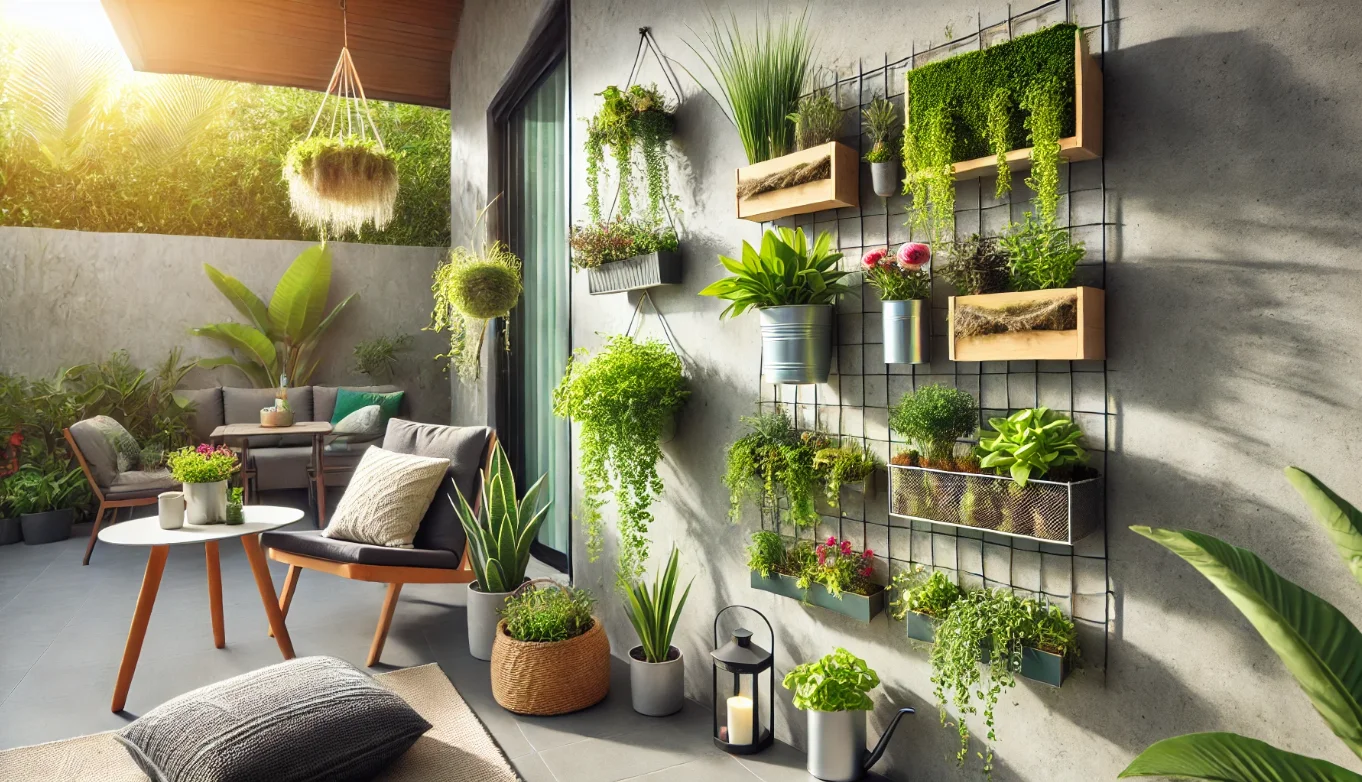 A lush vertical garden transforms a compact courtyard
📅 Updated on 06/13/2026
A vertical garden turns a wall, fence, balcony rail, or small courtyard into usable growing space. That matters because most homes do not run out of interest in plants; they run out of floor area. Done well, it lets you grow ornamentals, herbs, and even some compact vegetables without sacrificing room you actually need.
In practical terms, a vertical garden is a planted structure that uses height instead of width. The strongest setups solve three problems at once: they save space, improve visual privacy, and make small outdoor areas feel finished rather than leftover. This article breaks down the real benefits, the trade-offs, and the easiest way to start one without buying the wrong system.
What You Need to Know
- A vertical garden is a growing system designed to mount, stack, or suspend plants upward instead of spreading them across the ground.
- The biggest advantage is space efficiency, but the second-order benefit is better use of light, airflow, and sightlines in tight areas.
- Not every plant belongs in a vertical setup; shallow-rooted herbs, trailing plants, and small ornamentals usually perform best.
- Watering and drainage matter more than aesthetics, because most failures come from trapped moisture or inconsistent irrigation.
- The right system depends on wall strength, sunlight, wind exposure, and how often you can maintain it.
The Real Benefits of a Vertical Garden and Where It Works Best
A vertical garden is a space-saving planting system that grows upward on a wall, frame, trellis, pocket panel, or stacked planter. The main benefit is that it converts unused vertical surfaces into productive growing area, which makes it ideal for balconies, patios, narrow side yards, and compact urban courtyards.
What makes this approach practical is not the novelty; it is the geometry. A 12-square-foot wall can hold multiple herbs, trailing flowers, or strawberries while leaving the floor open for walking, seating, or storage. In small spaces, that trade-off matters more than almost anything else.
Why Space Is the First Advantage
The obvious advantage is footprint reduction, but the less obvious one is function. A wall-mounted planting system can screen a view, soften hard surfaces, and create a focal point without crowding the area. That is why designers use green walls and modular panels in places where pots would feel cluttered.
In a rental balcony, for example, a slim trellis with climbing jasmine or a tiered planter with herbs can add life without blocking access. In a courtyard, a living wall can make a blank concrete edge feel intentional. The right setup gives you more usable space, not just more plants.
What It Can Grow Well
Shallow-rooted plants usually do best. Herbs like basil, thyme, oregano, parsley, and mint adapt well if the container depth is adequate and drainage is reliable. Leafy greens, compact strawberries, trailing petunias, pothos, succulents, and some dwarf ornamentals also perform well in the right light.
Large root crops, heavy shrubs, and plants that dry out fast in full sun are harder to manage. That is where people get disappointed. A vertical garden is not a shortcut to growing everything; it is a good system for the right plants in the right conditions.
What separates a successful vertical garden from a decorative one is drainage: if water cannot move through the system cleanly, the plants will struggle long before the design looks tired.
Choosing the Right Structure for Your Wall, Fence, or Balcony
The best structure depends on load, light, and maintenance access. A lightweight pocket panel works for herbs and flowers on a sturdy wall, while a freestanding trellis is safer for renters and spaces where drilling is not ideal. If wind exposure is high, simpler frames usually outperform dense modular systems.
Common System Types
- Wall-mounted modular panels: Good for dense planting, but they need a strong backing and consistent watering.
- Pocket planters: Easy to install and flexible, though they dry out faster in hot weather.
- Trellises and lattice frames: Best for climbing plants and light visual screening.
- Stacked or tiered planters: Good for patios and balconies where drilling is not an option.
- Freestanding green walls: Useful when the surface cannot support added weight.
The Main Decision Factors
Check three things before buying anything: how much direct sun the space gets, whether the surface can hold weight, and how often you will water. Most failures are not caused by plant choice alone. They happen because the structure and the site do not match.
If the wall receives intense afternoon sun, choose materials that resist overheating and plants that tolerate faster drying. If the area stays shaded, focus on species that handle lower light and avoid overwatering. For technical guidance on site conditions and plant health, the U.S. Forest Service offers reliable urban-planting resources.
How to Plan Light, Water, and Drainage Before You Plant
Good planning starts with light, because plants cannot compensate for the wrong exposure. Most herbs and flowering plants need several hours of direct sun, while many foliage plants tolerate partial shade. Once light is understood, the next priority is water movement: every container or panel should drain freely and never stay soggy.
Light Exposure Is Not Guesswork
Watch the site for a full day if you can. Morning light is usually gentler, afternoon light is harsher, and reflected heat from concrete or glass can stress plants faster than the weather forecast suggests. That detail matters in small spaces where microclimates are strong.
For a practical reference on plant selection and environmental fit, the University of Minnesota Extension has useful horticulture guidance that translates well to home gardening decisions.
Drainage Is the Part Most People Underestimate
A vertical garden needs a clear path for excess water. If water pools at the bottom of pockets or collects behind panels, roots lose oxygen and disease pressure rises. That is why systems with built-in trays, drip lines, or properly sized drainage holes tend to last longer.
Na prática, the plants do not fail because the wall is vertical; they fail because the root zone behaves like a blocked container. That is why a shallow, breathable setup often outperforms a more decorative one with poor drainage.
The best watering system for a vertical garden is the one that delivers moisture evenly without leaving the root zone saturated for hours.
What to Plant First If You Want Quick Results
Start with plants that forgive small mistakes. Herbs, trailing ornamentals, and compact foliage plants give faster visual payoff and teach you how the system behaves in your specific climate. That matters more than trying to grow the “perfect” plant on day one.
Reliable Starter Plants
- Basil, thyme, oregano, parsley, and chives for edible interest
- Strawberries for small-space fruit production
- Petunias, lobelia, and calibrachoa for color
- Pothos, philodendron, and ferns for shaded areas
- Succulents for bright, dry exposures with excellent drainage
A Small Real-World Example
A homeowner with a narrow apartment balcony wanted greenery but had no floor space to spare. They installed a slim trellis for one side and a three-tier planter for herbs on the other. Within a month, the balcony felt larger, the railing had privacy, and the kitchen herbs were no longer an afterthought.
That kind of result is typical when the setup matches the site. The plants were not rare or expensive. The win came from choosing a structure that respected space, light, and access.
How to Build One Without Creating Maintenance Problems
The easiest way to start is to keep the first build small and simple. A beginner-friendly vertical garden should be easy to water, easy to inspect, and easy to replace if one section fails. If the system is too complicated, maintenance becomes the reason it gets ignored.
A Practical Starter Process
- Measure the available surface and check how much sun it receives.
- Choose a structure that matches the wall strength and your ability to install it.
- Pick plants based on light, not on appearance alone.
- Use a potting mix with good aeration and drainage.
- Plan watering before planting, ideally with drip irrigation or easy manual access.
- Leave room for growth, airflow, and future replacement of weak plants.
Where Beginners Go Wrong
The most common mistake is packing too many plants into too little volume. That creates competition for water and makes pruning harder. The second mistake is buying a beautiful panel that looks finished on day one but becomes a maintenance problem by week three.
There is also a legal and structural issue in some buildings: balconies and exterior walls may have weight or drilling restrictions. Check local building rules or landlord requirements before installation, especially with heavier modular systems. That is one of those cases where a more ambitious design is not the better design.
How a Vertical Garden Changes a Small Space
A vertical garden does more than add plants. It changes how a space feels by shifting the visual weight upward, reducing clutter at ground level, and softening hard edges that usually make compact areas feel temporary. That is why even a small installation can make a balcony or courtyard feel more intentional.
It can also support better habits. When herbs are visible and reachable, people use them more often. When a wall is already green, the space tends to get maintained instead of neglected. That social effect is real, and it is part of the appeal.
For urban greening and ecosystem context, the U.S. Environmental Protection Agency’s green infrastructure resources are useful for understanding how planted surfaces contribute to broader environmental goals, even at a small scale.
When a Vertical Garden Is the Wrong Choice
Not every space should use one. If the wall cannot support the load, if the area gets extreme wind, or if you cannot water consistently, a simpler arrangement of pots may work better. The design should fit the maintenance reality, not the inspiration board.
That is the hard truth. A vertical garden can look elegant in photos and still fail in daily use if access is poor or the climate is too punishing. In very dry, hot, or windy spots, systems need more frequent checks and may require irrigation support. There is no way around that.
Próximos Passos
The smartest move is to treat the first installation as a test, not a final statement. Start with one surface, one plant type, and one watering method. If the setup survives one season with steady growth, then expand it. The goal is a system that earns its place through daily use, not one that only looks good at the start.
If you are planning your own vertical garden, evaluate the site first, choose plants second, and buy the structure last. That order prevents most expensive mistakes and gives you a setup that fits real conditions instead of ideal ones.
FAQ
How much sunlight does a vertical garden need?
It depends on the plants you choose. Herbs and flowering plants often need at least several hours of direct sun, while many foliage plants do better in partial shade. The key is matching the plant list to the actual exposure of the wall or balcony.
What is the easiest vertical garden for beginners?
A simple trellis with climbing plants or a tiered planter with herbs is usually the easiest start. These systems are easier to water, easier to inspect, and less likely to fail than dense modular walls. They also cost less to test.
Do vertical gardens need special irrigation?
Not always, but consistent watering matters a lot. Small systems can be watered by hand if they are easy to reach, while larger setups often benefit from drip irrigation. The real issue is even moisture without waterlogging.
Can a vertical garden damage a wall?
Yes, if it traps moisture or is mounted improperly. Water that sits against a surface can lead to staining, mold, or material damage over time. Proper spacing, drainage, and mounting hardware reduce that risk significantly.