
How to Start a Balcony Garden: Easy Steps for Beginners to Create a Lush Oasis
How a balcony garden maximizes limited space by matching light, wind, and container needs to grow herbs, vegetables, and flowers efficiently without random p…
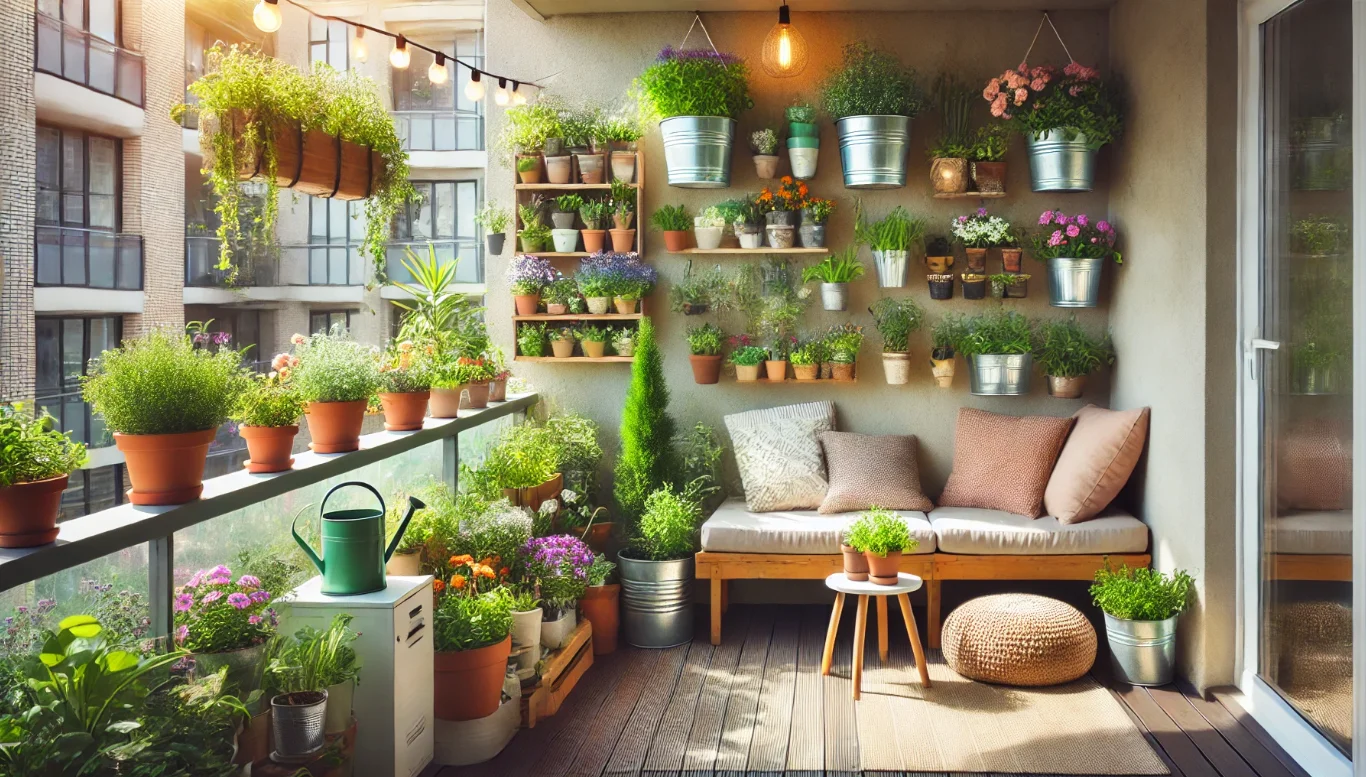 Lush container garden flourishing on a sunny city balcony
📅 Updated on 06/13/2026
A small balcony can do more than hold a chair and a few forgotten pots. With the right setup, a balcony garden turns limited square footage into a productive growing space that can handle herbs, compact vegetables, flowers, and vertical planting without feeling crowded.
The trick is not buying more plants. It is matching your light, wind exposure, container size, and weight limits before you plant anything. A balcony garden is, at its core, a container garden designed for tight spaces, where drainage, airflow, and plant selection matter more than the size of the balcony itself.
In a Nutshell
- A successful balcony garden starts with sunlight, load limits, and wind, not with plant shopping.
- Containers, railing planters, and vertical supports let you grow more without overloading the space.
- Herbs, greens, strawberries, dwarf tomatoes, and peppers are among the most reliable balcony crops.
- Overwatering is one of the fastest ways to fail in container growing because balcony pots dry out unevenly.
- Small space gardening works best when you treat every square foot like a system, not a decoration.
How a Balcony Garden Works and Why It Beats Random Potting
A balcony garden is a container-based growing setup built for a confined outdoor area, usually with pots, troughs, railing planters, hanging systems, and vertical supports. The idea is to use the balcony’s real conditions—sun, wind, drainage, and weight capacity—as design rules instead of fighting them.
That matters because balconies behave differently from yards. Heat reflects off walls, wind dries soil faster, and containers limit root space. If you ignore those constraints, even “easy” plants struggle. If you design around them, a modest balcony can produce steady harvests and look polished at the same time.
What separates a thriving balcony garden from a cluttered one is not how many pots you buy, but how well each container matches the light, airflow, and structural limits of the space.
Why the container approach works
Containers give you control. You can move a basil pot to stronger light, shelter lettuce from afternoon sun, or replace a failing mix without reworking the whole setup. That flexibility is the main reason balcony growing is so efficient.
The one limitation people underestimate
Weight is a real issue. Wet soil, ceramic pots, and water-filled saucers add up fast. If you live in an apartment building, check the building rules and structural guidance before you load the balcony with large planters.
Start With Light, Wind, and Weight Before You Buy Anything
The right plants are the ones that fit your balcony conditions. A sunny south-facing space can handle tomatoes and peppers. A shadier balcony does better with mint, parsley, chives, ferns, and some leafy greens. Windy balconies need sturdier pots and shorter plants that will not snap or topple.
Before buying, watch the space for two or three days at different times. Note where direct sun lands, where the wind funnels, and which corners stay dry or wet longer. That observation saves money and prevents the most common beginner mistake: choosing plants for the label instead of the site.
What to check first
- Sun exposure: full sun, partial sun, or shade.
- Wind: strong gusts can dry soil and damage stems.
- Drainage: water needs somewhere to go, or roots rot.
- Load limits: especially important for large ceramic planters and raised beds.
For general container-garden guidance, the Penn State Extension container gardening guide is a solid place to verify soil, drainage, and potting basics. The principles are the same on a balcony, even if the space is smaller and more exposed.
Best Plants for a Small Balcony That Actually Perform
The best balcony plants are compact, fast to mature, and forgiving in containers. Herbs usually lead the list because they tolerate pruning, fit in small pots, and reward frequent harvesting. After that, leafy greens and dwarf fruiting crops are the most practical choices.
Reliable choices for beginners
- Herbs: basil, parsley, chives, thyme, oregano, mint in its own pot.
- Leafy greens: lettuce, arugula, spinach, baby kale.
- Compact vegetables: bush beans, radishes, salad tomatoes, peppers.
- Color plants: petunias, marigolds, geraniums, nasturtiums.
- Trailing plants: strawberries, sweet alyssum, some ivy varieties.
Mint deserves its own note: it spreads aggressively in mixed containers and can take over neighboring plants. Who works with container herbs long enough sees the same pattern again and again—mint behaves like a guest that never leaves. Keep it isolated.
For crop timing and regional planting guidance, the Old Farmer’s Almanac planting calendar is useful for aligning seeds and transplants with your climate. If you want more technical plant-spacing and crop care guidance, university extension pages are usually more trustworthy than product listings.
Choose Containers, Soil, and Drainage Like They Matter
They do matter. In containers, the pot is the root environment. A deep enough container, quality potting mix, and clean drainage holes usually matter more than fertilizer in the early stage.
What to use
| Item | What to look for | Why it matters |
|---|---|---|
| Pot | Drainage holes, stable base, size matched to plant roots | Prevents waterlogging and tipping |
| Potting mix | Light, airy container mix with good moisture retention | Supports roots without compacting |
| Saucer | Optional, used carefully | Catches runoff, but standing water must be emptied |
| Mulch | Fine bark, straw, or coco chips | Slows evaporation in hot, windy conditions |
Soil choice is where many beginners get burned. Garden soil from the yard is too heavy for containers, and it compacts quickly. Potting mix is lighter and drains better, which is exactly what balcony roots need. The Royal Horticultural Society’s container growing advice reinforces the same rule: in pots, drainage and structure matter more than density.
In balcony planting, poor drainage causes more problems than poor sunlight because overwatered roots fail quietly before the plant looks stressed.
Build Upward With Vertical Space Instead of Cluttering the Floor
Vertical gardening is the fastest way to expand planting space without crowding a balcony. Trellises, wall-mounted planters, stackable shelves, and railing baskets let you grow upward while keeping walking space open.
This is also where the balcony starts to feel designed instead of improvised. A single vertical frame can hold climbing peas, small cucumbers, or flowering vines while freeing the floor for heavier pots and a chair.
Good vertical options
- Trellises: for peas, beans, and trailing ornamentals.
- Railing planters: for herbs and shallow-rooted flowers.
- Tiered shelves: useful when sunlight reaches multiple levels.
- Wall pockets: best for lightweight ornamentals and herbs.
One practical caution: not every balcony railing or wall can safely support added weight. Fastening anything permanent should respect building rules, and removable systems are often the safer choice for renters. This is one area where a clever idea can become a bad one if the hardware is wrong.
Watering, Feeding, and Pruning Without Overdoing It
Container plants dry out faster than ground-grown plants, especially on exposed balconies. Watering needs to be based on soil moisture, not the calendar. If the top inch of mix feels dry and the pot is noticeably lighter, it is time to water.
Simple maintenance rhythm
- Check moisture every day in hot weather.
- Water until you see a little runoff from the drainage holes.
- Feed lightly with a balanced fertilizer during active growth.
- Pinch herbs and deadhead flowers to keep growth productive.
Na prática, what happens is that people either drown their plants or forget them after a week of rain. Balcony containers swing between both extremes because they are exposed. A moisture check beats guesswork every time.
Dead leaves, leggy stems, and crowded growth are not cosmetic issues. They signal that airflow, light, or pruning is off. If you keep plants compact and regularly harvested, the space stays healthier and more useful.
A Small Setup Plan That Fits Real-Life Balconies
Here is a simple starting layout that works for many first-time growers: one tall pot for a tomato or pepper, one medium planter for herbs, one railing box for flowers or lettuce, and one vertical support for a climbing plant. That mix gives you variety without turning the balcony into a storage closet of mismatched pots.
I once saw a renter convert a narrow apartment balcony into a surprisingly productive corner with just four containers and one folding shelf. The turnaround came from restraint, not abundance. Instead of packing the floor, the setup used the railing, one sunny wall, and a single deep pot for tomatoes. By midsummer, the space looked intentional and harvested enough basil and cherry tomatoes for weekly meals.
A practical first-month checklist
- Measure sun exposure before buying plants.
- Choose containers with drainage holes only.
- Start with 3 to 5 plant types, not 15.
- Group plants by water needs.
- Keep a watering can or bottle nearby so care stays consistent.
Common Balcony Gardening Mistakes That Waste Time and Money
The biggest mistakes are predictable: too many plants, too little light, heavy pots, and inconsistent watering. Another common issue is treating every plant the same, when herbs, greens, and fruiting vegetables each need different conditions.
There is also a design mistake that shows up all the time: people fill every inch of space on day one. That looks full for a week, then becomes hard to water, hard to clean, and hard to enjoy. Leave room for movement, drying, and maintenance.
What usually fails first
- Using decorative pots with no drainage holes.
- Buying sun-loving plants for a shaded balcony.
- Overcrowding containers and blocking airflow.
- Letting water sit in saucers for long periods.
There is no perfect formula for every building or climate. A balcony facing strong afternoon heat in Arizona will need a different approach than a shaded apartment terrace in Seattle. That difference is why observation beats internet trends.
Próximos Passos
The fastest way to make a balcony productive is to treat it like a small growing system: test the light, choose plants for the conditions, and start with fewer containers than you think you need. Once the basics are stable, you can add height, variety, and better yields without creating a maintenance problem.
Pick one container today, one plant group tomorrow, and one vertical element after that. A balcony garden works best when it grows in layers, not in a single shopping trip.
FAQ
How much sun does a balcony garden need?
It depends on what you want to grow. Herbs and leafy greens can handle partial sun, while tomatoes, peppers, and most fruiting crops need several hours of direct light. If your balcony gets intense afternoon sun, use heat-tolerant plants or provide light shade.
What is the easiest plant to start with on a balcony?
Basil is one of the easiest choices if the balcony gets enough light. Chives, parsley, and lettuce are also beginner-friendly because they grow well in containers and recover quickly after harvesting. Mint is easy too, but it should stay in its own pot.
Can I grow vegetables in a small balcony space?
Yes, as long as you choose compact varieties. Bush beans, cherry tomatoes, peppers, radishes, and salad greens are all realistic options. The key is matching the plant size to the container depth and the amount of sun you have.
What kind of soil should I use?
Use a quality potting mix made for containers, not garden soil from the ground. Potting mix drains better, stays lighter, and gives roots more air. That difference is critical in pots, where compaction causes problems fast.
Do balcony plants need fertilizer?
Most do, especially during active growth. Container soil runs out of nutrients faster than garden beds, so a light, regular feeding schedule usually works better than one heavy application. Follow the fertilizer label and avoid overfeeding.
How do I keep a balcony garden from getting too heavy?
Use lightweight containers, avoid overfilled ceramic pots, and spread weight across the balcony instead of stacking everything in one spot. When in doubt, choose fewer large items or more lightweight planters rather than multiple heavy ones.