

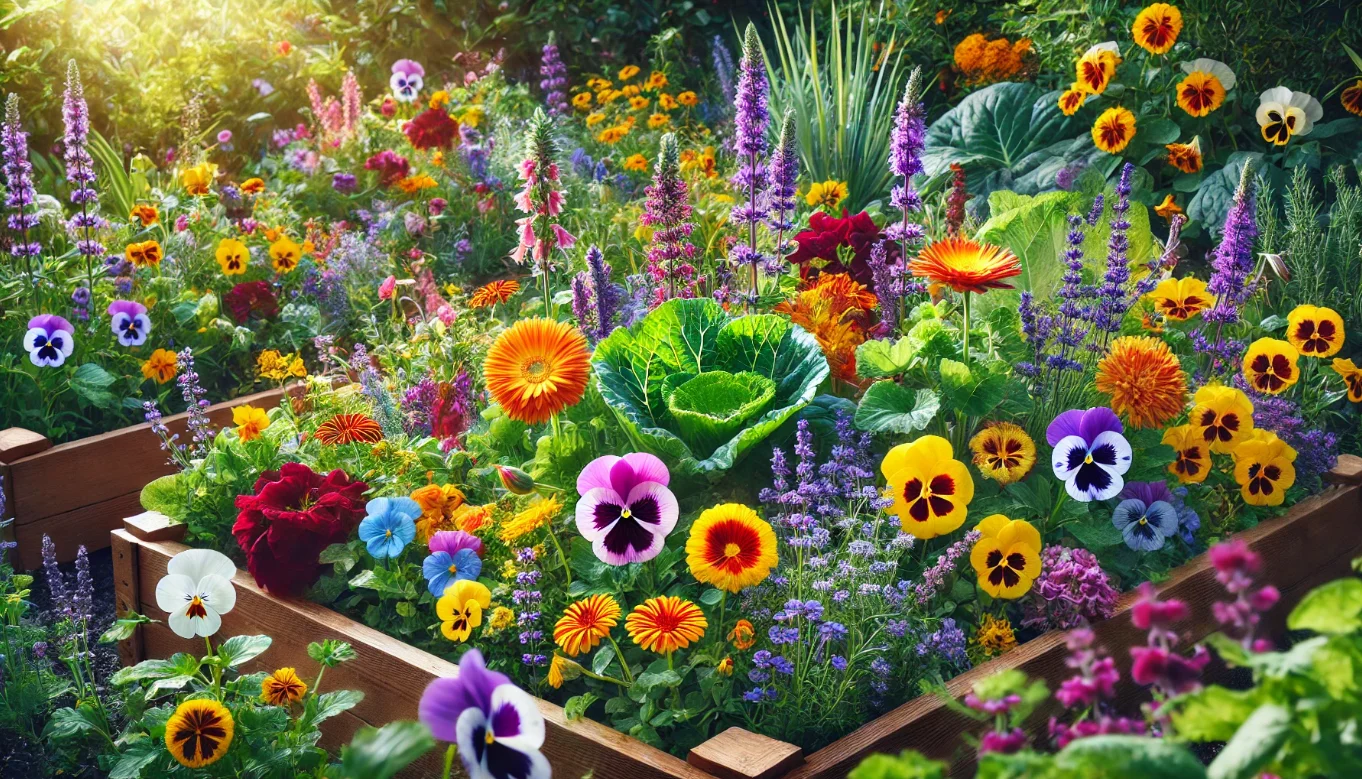
📅 Updated on 06/13/2026
One mislabeled bloom can turn a beautiful garnish into a real problem. That is why edible flowers are not just decoration; they are ingredients with flavor, safety, and handling rules that matter as much as any herb or leafy green.
Used well, they add perfume, color, texture, and a little surprise to salads, syrups, teas, desserts, and cocktails. Used carelessly, they can be bland, overpowering, or unsafe. This guide focuses on which flowers are worth growing, how to use them correctly, and where the common mistakes happen in real gardens and kitchens.
What You Need to Know
- Only flowers that are correctly identified, grown without harmful chemicals, and handled cleanly should be eaten.
- Flavor varies widely: some blooms taste like cucumber or pepper, while others are floral, bitter, grassy, or nearly neutral.
- Freshness matters more than appearance; petals wilt fast, and older blooms often taste worse.
- The best choices are usually nasturtium, calendula, pansy, borage, chive blossom, and rose, because they balance flavor, availability, and reliability.
- Safety depends on the plant species, not on whether the flower looks pretty in a photo.
Edible Flowers to Grow and Use in the Kitchen
The best edible flowers are the ones that bring real flavor, easy harvests, and a low risk of confusion. For most home gardeners, the winners are nasturtium, calendula, pansy, borage, chive blossom, rose, squash blossom, and lavender. They are widely used, relatively easy to identify, and versatile enough to move between savory and sweet dishes.
Na prática, what separates a useful flower from a novelty garnish is consistency. A bloom that tastes great once but turns bitter after heat or age is less valuable than one that holds up in a salad, butter, syrup, or tea. The right plants also produce often, so you are not waiting weeks for a single plate of petals.
The safest edible flowers are the ones you can identify with confidence, grow yourself, and harvest before they lose flavor or collect contamination.
Nasturtium, Calendula, and Borage
Nasturtium is the classic pick for beginners because both the flowers and leaves have a peppery bite. Calendula has a mild, earthy flavor and can mimic saffron’s color in rice, soups, and compound butter. Borage offers a clean cucumber note, which works well in drinks and fruit dishes.
- Nasturtium: peppery, bright, and reliable in salads.
- Calendula: mild, colorful, and good for warm dishes.
- Borage: refreshing, but best used fresh.
Pansy, Rose, and Lavender
Pansies are valued more for their shape and color than for bold flavor, which is why they work so well on cakes and chilled desserts. Rose petals can be fragrant and elegant, but the flavor depends heavily on the variety and how recently the bloom opened. Lavender is powerful; use it with restraint or it will dominate everything around it.
Who works with this regularly knows that lavender is the easiest flower to misuse. A little creates depth. Too much makes the dish taste like soap or potpourri.
How to Identify Safe Blooms Without Guessing
Correct identification is non-negotiable. A flower is only edible if the exact species is confirmed, because many attractive ornamentals are toxic or irritating. In other words, “looks like something edible” is not good enough.
Check the Plant, Not Just the Blossom
Start with the full plant: leaf shape, growth habit, stem structure, and where it is growing. If you bought seeds or starts from a reputable nursery, keep the label. If the plant came from a mixed border, a public landscape, or a friend’s yard, do not assume it is safe.
University extension programs are often the most practical reference point for home growers. For example, Penn State Extension’s edible flowers guidance explains why identification and pesticide history matter just as much as flavor.
Avoid These Common Risk Zones
- Roadside plants exposed to exhaust or dust.
- Store-bought florist flowers that may have been treated with preservatives.
- Plants sprayed with pesticides not labeled for food crops.
- Specimens collected from parks, public beds, or unknown private yards.
There is a real difference between a kitchen garden and an ornamental border. The first is managed for consumption; the second usually is not.
Misidentification is a bigger risk than flavor mismatch, because one wrong flower can cause irritation, illness, or an allergic reaction.
Best Growing Conditions for Flavor and Yield
Flowers grown for eating should be treated like any other crop: soil health, light, water, and spacing all affect quality. Strong sunlight usually improves bloom production, but too much heat can make petals tougher and flavor more intense or bitter. Consistent moisture produces cleaner-looking flowers with less stress damage.
Soil, Sun, and Water
Most culinary blooms do best in well-drained soil with moderate fertility. Overfeeding with nitrogen pushes leaf growth and can reduce flowers. A balanced approach works better: enough nutrition for steady growth, but not so much that the plant becomes lush and weak.
If you want dependable harvests, aim for morning sun and afternoon protection in hot climates. That timing helps petals stay fresher and reduces wilting before harvest.
Harvest Timing Matters
Pick flowers in the cool part of the day, ideally after dew dries. The best time is usually just after the bloom opens, when texture is tender and flavor is at its peak. Older flowers can still be pretty, but they are often past their best eating stage.
- Harvest early in the day.
- Choose fully open but not fading blooms.
- Handle petals gently to avoid bruising.
A common mistake is assuming bigger means better. In reality, smaller, freshly opened blossoms usually taste cleaner and look better on the plate.
How to Clean, Store, and Handle Flowers Safely
Once harvested, edible blooms need careful handling because they bruise fast and lose aroma quickly. Rinse them only if needed, and dry them gently on paper towels or a clean cloth. Excess moisture shortens shelf life and softens delicate petals.
Best Storage Practices
Store flowers in a shallow container lined with a dry paper towel, then refrigerate them lightly covered. Use them quickly, because most petals are best within a day or two. Tougher flowers such as calendula and chive blossoms last a bit longer than fragile blooms like pansies.
For food safety, wash your hands before handling and keep flowers separate from raw meat, unwashed produce, and strong-smelling ingredients. The FDA’s safe food handling guidance is a useful baseline here, even though it is not flower-specific.
When Not to Use Them
- When petals smell fermented or sour.
- When blooms show mold, insects, or slime.
- When the source is unknown or chemically treated.
This is one place where caution beats creativity. A stunning garnish is worthless if it compromises the dish.
How Flavor Changes Across Different Flowers
Flavor is the reason people keep growing these plants after the novelty wears off. Some taste like herbs, some like vegetables, and some are nearly all aroma. The key is matching the flower to the dish instead of forcing every bloom into the same role.
| Flower | Flavor Profile | Best Uses |
|---|---|---|
| Nasturtium | Peppery, mustard-like | Salads, sandwiches, savory butter |
| Calendula | Mild, earthy, slightly bitter | Rice, soups, butter, tea blends |
| Pansy | Very mild | Cakes, plated desserts, ice cubes |
| Borage | Cucumber-like | Drinks, fruit, yogurt |
| Lavender | Floral, resinous | Cookies, syrups, shortbread |
| Chive blossom | Allium-like, oniony | Eggs, potatoes, compound butter |
Why Some Flowers Taste Better Raw
Delicate blooms often lose their best qualities when heated, while sturdier petals can hold their own in warm dishes. Chive blossoms are a good example of the opposite: they deliver more utility than romance, and they shine where onion flavor is useful. Squash blossoms are another case where the flower itself becomes the dish, not just the garnish.
A flower that looks weak on a plate can still be the most useful ingredient in the kitchen if its flavor is focused and clean.
Where Edible Flowers Fit in Real Cooking
The most practical use for flowers is not fancy plating. It is repetition: a handful in salad, a few in syrup, petals in butter, blossoms in tea, or a garnish that adds contrast to a dish that already tastes complete. That is where they earn their place.
Simple Ways to Use Them
- Scatter petals over greens or grain bowls.
- Freeze small blooms into ice cubes for drinks.
- Infuse simple syrup for cocktails or lemonade.
- Blend soft petals into compound butter or cream cheese.
- Top cakes and tarts with intact blossoms for visual contrast.
A small restaurant kitchen I once observed used calendula petals in scrambled eggs not because it was trendy, but because the color lifted a very plain breakfast plate. That is the real appeal: flowers can make everyday food feel more intentional without requiring a complicated recipe.
What Not to Do
Do not drown a dish in petals. The point is accent, not overload. Strong flowers like lavender and rose can overwhelm a dessert if you treat them like parsley.
Where Safety Guidance Comes From
Reliable advice on floral edibles comes from food safety and horticulture authorities, not social media posts that treat every blossom as harmless. The USDA National Agricultural Library maintains consumer-friendly food and plant references, and extension services such as University of Minnesota Extension and other land-grant universities give practical guidance for home growers.
The safest general rule is simple: identify the species, verify it is listed as edible by a credible source, and grow it under food-safe conditions. That rule works well for home gardens, but it fails when the plant’s origin is unknown or when decorative pesticide use is involved. In those cases, the correct answer is not “maybe” — it is no.
When Expert Advice Matters Most
Special care is needed if you are pregnant, managing allergies, serving children, or using flowers medicinally rather than culinarily. Culinary use and herbal use overlap, but they are not identical. A plant that is acceptable in a syrup may not be appropriate as a daily tea or supplement.
What to Plant First If You Want Reliable Results
If you want the highest return with the least hassle, start with nasturtiums, calendula, pansies, and chive blossoms. They are easy to grow, easy to identify, and forgiving in the kitchen. Rose and lavender are excellent too, but they reward a little more restraint and technique.
The smartest strategy is to plant for both beauty and utility. That way, your garden produces flowers you can enjoy on the vine and on the plate, instead of forcing you to choose between ornament and harvest.
Best Starter Choices
- Nasturtium: best all-around beginner pick.
- Calendula: dependable color and gentle flavor.
- Pansy: excellent for presentation.
- Chive blossom: strong savory payoff with little effort.
Practical Next Steps for a Safer Garden
The real advantage of growing flowers for the table is control. You decide the species, the soil, the harvest timing, and the handling. That control is what makes homegrown blooms far more trustworthy than random decorative flowers from outside the food system.
Start with one or two proven varieties, confirm each plant’s identity, and use them in simple dishes first. Then expand only after you have learned which flavors fit your cooking style. That approach keeps the process safe, useful, and worth repeating.
FAQ
Are all flowers safe to eat?
No. Many flowers are toxic, irritating, or unsafe if the species is misidentified. Only eat flowers you can name with confidence and verify from a reliable source.
Do edible flowers need to be organic?
They do not have to be certified organic, but they should be grown without pesticides not labeled for food crops. If you cannot confirm treatment history, do not eat them.
Which edible flowers are easiest for beginners?
Nasturtium, calendula, pansy, and chive blossom are the easiest starting points. They are reliable, easy to identify, and useful in both savory and sweet dishes.
Can you eat flowers from the grocery store?
Only if the package is labeled for culinary use. Standard florist flowers may be treated with chemicals not meant for food.
How long do edible flowers last after harvest?
Most are best used within one to two days. Delicate blooms should be used sooner, while sturdier flowers can keep a little longer if refrigerated carefully.