

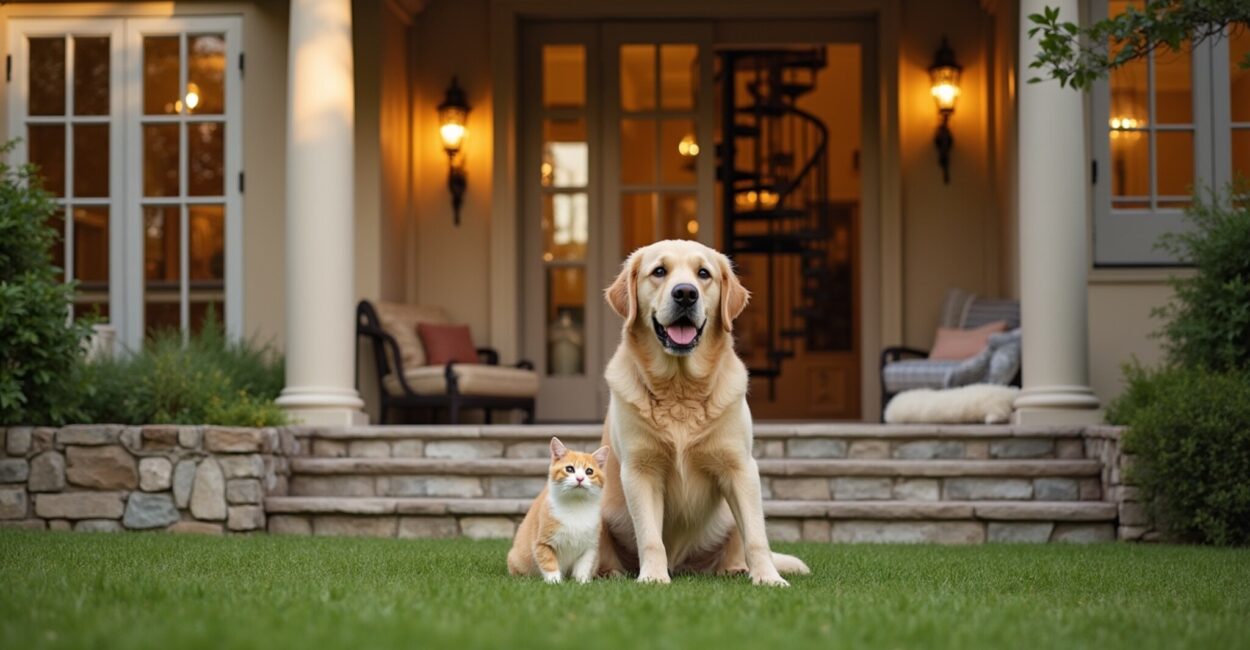
Imagine sprawling gardens, sunlit rooms, and secret staircases designed not just for people but for paws and whiskers—this is the promise of pet-friendly mansions. For owners yearning to blend luxury living with animal well-being, creating safe, comfortable spaces for pets in large homes and estate grounds transforms grand architecture into a true sanctuary.
As estates expand, so do the challenges: scale, safety hazards, and the need for enrichment become central concerns. This guide explores practical, emotionally intelligent guidelines for designing pet-friendly mansions so pets thrive physically and emotionally, while preserving elegance and utility.
Read on to discover room-by-room strategies, landscape design tips, maintenance checklists, and expert-backed approaches to make your mansion a joyful, safe home for every furry, feathered, or scaled companion.
Designing Interiors for Comfort and Safety
Choose durable, pet-proof finishes
Opt for scratch-resistant flooring and stain-proof fabrics that maintain luxury while resisting wear. Durable finishes reduce allergens and simplify cleaning routines.
Consider non-toxic paints and sealed trim to prevent chewing hazards. Thoughtful material choices protect both the home and your pet’s health.
Dedicated pet zones and circulation
Create easily accessible pet corridors and sleeping nooks to reduce stress. Clear circulation prevents accidents and preserves your mansion’s formal spaces.
Install gates or threshold transitions to limit access to fragile areas. Zone planning balances freedom and safety in expansive interiors.
Outdoor Estate Grounds: Safe Exploration and Enrichment
Secure perimeter and escape prevention
Implement buried fencing or reinforced barriers to prevent dig-outs. Large properties require layered security to keep curious pets contained.
Use visibility lines and patrol-friendly pathways so pets and caregivers can monitor activity. Secure exits reduce anxiety and incidents.
Natural enrichment and play areas
Design sensory gardens, shaded play lawns, and scent trails to provide mental stimulation. Varied terrain encourages exercise and exploration.
Include water features and agility zones for active breeds. Enrichment areas maintain health and curb destructive behaviors.
Room-by-Room Guidelines for Pet-Friendly Living
Kitchen and service areas
Install pet-proof latches, raised feeding stations, and spill-friendly surfaces. Kitchens are high-risk zones—prevent access to toxins and cleaning supplies.
Designate a utility alcove for food storage and washing. An organized service area keeps pets safe and mealtimes calm.
Bedrooms and private suites
Create cozy sleeping retreats with washable bedding and ambient lighting. Bedrooms should be quiet sanctuaries for rest and recovery.
Provide window perches and soft rugs for comfort. Thoughtful bedroom design supports a pet’s emotional well-being and routine.
Landscape and Plant Safety for Estates
Choose pet-safe plants and landscaping
Select non-toxic plantings and avoid species harmful to animals. Proper plant choices protect pets from ingestion hazards during exploration.
Use mulch alternatives that resist mold and minimize choking risks. Landscaping can be both elegant and safe when planned intentionally.
Water features and pond safety
Install gradual-entry ponds and secure pumps to prevent drowning or entrapment. Supervision zones and exit points keep water play safe.
Keep chemicals locked away and use pet-safe filtration systems. Clean water encourages healthy interaction without hazards.
Technology and Monitoring for Peace of Mind
Surveillance and activity tracking
Deploy cameras, motion sensors, and GPS collars to monitor roaming pets around large properties. Technology offers reassurance for owners away from home.
Integrate alerts and two-way audio to manage behavior in real time. Smart systems reduce response times during emergencies.
Automated care systems
Use timed feeders, climate control, and water dispensers to maintain routines. Automation supports consistent care in expansive homes.
Ensure fail-safes and manual overrides for power outages. Reliable systems protect pets when human attention is limited.
Health, Hygiene, and Maintenance Protocols
Cleaning schedules and air quality
Establish regular deep-clean cycles and HEPA filtration to reduce dander and allergens. Clean air supports both pets and residents.
Use pet-safe cleaning products and sealed waste stations. Hygiene protocols prevent disease spread in multi-pet households.
Veterinary care and emergency planning
Maintain on-call vet contacts and an accessible first-aid kit. Large properties must have fast-response strategies for injuries and illnesses.
Create mapped evacuation routes and transport plans. Preparedness minimizes panic and improves outcomes in emergencies.
Staffing, Training, and Behavioral Enrichment
Hiring and training household staff
Train staff in animal handling, enrichment routines, and emergency response. Competent caregivers are essential for pet well-being in grand homes.
Set clear protocols for feeding, walking, and medication. Written procedures maintain consistency across caretakers and shifts.
Behavioral programs and socialization
Implement enrichment schedules, social sessions, and supervised group play. Behavioral programs reduce stress and enhance sociability.
Work with trainers for custom plans addressing separation anxiety or territorial behavior. Proactive training preserves harmony across the estate.
| Area | Recommendation | Priority |
|---|---|---|
| Perimeter Fencing | Reinforced, buried barriers with escape-proof gates | High |
| Interior Flooring | Scratch-resistant hardwood or sealed stone | Medium |
| Water Features | Gradual entry and secure covers for deep ponds | High |
| Indoor Air | HEPA filtration and routine vent cleaning | Medium |
- Provide multiple sheltered sleeping spots across the estate.
- Keep hazardous chemicals locked and inaccessible.
- Designate quiet recovery zones near service entrances.
- Survey the property to identify hazards and escape points.
- Install perimeter and interior safety systems immediately.
- Set up enrichment zones and pet-specific landscaping.
- Train staff and implement daily care protocols.
- Schedule regular veterinary check-ups and maintenance audits.
- Rotate toys and activities to maintain engagement.
- Use schedules to reinforce positive behaviors.
- Document incidents and refine protocols regularly.
Designing pet-friendly mansions requires blending aesthetics with animal-centered design. From secure perimeters to dedicated indoor sanctuaries, the goal is a home where pets feel safe, engaged, and loved. These guidelines help owners and caretakers create estates that honor both grandeur and the simple joys of companionship. Return to your initial vision of serene gardens and cozy nooks—you can achieve both luxury and pet happiness in the same space.
FAQ
How do I start converting a large home into a pet-friendly mansion?
Begin with a safety audit that maps hazards like escape routes, toxic plants, and fragile areas. Prioritize perimeter security and high-risk interior rooms. Next, designate pet zones with durable materials and easy-clean surfaces. Introduce enrichment gradually—play spaces, scent gardens, and water features—while training staff on routines. Consultation with a veterinary behaviorist ensures your plans fit pets’ physical and emotional needs.
What outdoor features are essential for pets on large estates?
Essential outdoor features include secure fencing, shaded play lawns, and gradual-entry water features. Sensory gardens with pet-safe plants and diverse terrain support exercise and mental enrichment. Paths for supervised walks, secure storage for chemicals and tools, and sheltered rest areas are crucial. These elements combine safety with stimulation, ensuring pets can explore without undue risk and enjoy varied environments.
How can technology improve pet care in mansions?
Technology offers monitoring, automation, and alerts to support care across sprawling properties. Cameras, GPS collars, and motion sensors help track activity and locate roaming pets. Automated feeders, climate control, and timed water dispensers maintain routines. Integrate systems with mobile alerts and manual overrides. Reliable tech reduces response times and provides peace of mind when owners are off-site.
What flooring and furniture choices best suit multi-pet households?
Choose scratch-resistant, non-slip flooring like sealed stone, textured tiles, or reinforced hardwood. Opt for stain-resistant upholstery and removable, washable covers on furniture. Avoid loose weaves and delicate finishes that trap hair or tear easily. Prioritize rounded edges and secure legs to prevent tipping. Durable selections preserve elegance while accommodating active pets and simplifying maintenance routines.
How do I prepare staff for pet care in a manor-scale home?
Train staff in animal handling, emergency procedures, and enrichment routines. Provide written protocols for feeding, medication, and supervised exercise. Conduct scenario drills for escapes, injuries, and evacuations. Encourage certification in pet first aid and partner with local vets for rapid response. Clear communication, role assignment, and regular review sessions ensure consistent, compassionate care across all shifts.
Sources: American Kennel Club (https://www.akc.org, target=”_blank” rel=”dofollow”), ASPCA (https://www.aspca.org, target=”_blank”), RSPCA (https://www.rspca.org.uk, target=”_blank”).