

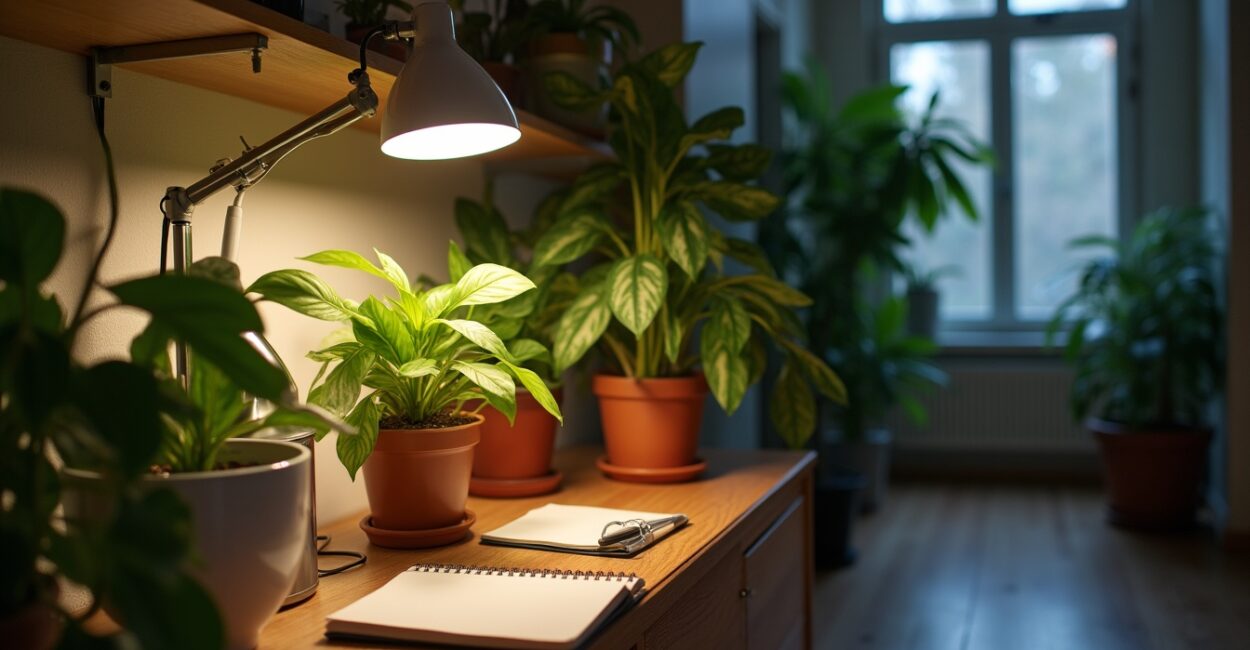
The secret to a glossy, vibrant Marble Queen or Neon pothos in dim hallways or creative studios is surprisingly simple: match care to light and humidity. Discover how “low light pothos” varieties can thrive, retain variegation, and brighten shadowed spaces.
Low light pothos remain popular because they tolerate indirect light and still deliver glossy leaves and striking variegation. This guide explains which varieties hold up best in dim conditions, how to tweak watering and feeding, and how to use artificial light and humidity to keep leaves radiant.
Why low light pothos work in dim spaces
Adaptability and variegation
Pothos have adaptable chlorophyll levels and can adjust to low light by reallocating resources. Marble Queen and Neon pothos maintain variegation when balanced light and humidity are present.
These plants tolerate reduced sunlight and still show glossy leaves with strong variegation patterns, making them perfect for hallways, studios, and north-facing rooms.
Low light care essentials
Understanding indirect light, consistent moisture, and airflow keeps foliage glossy. Simple tweaks prevent leggy growth and loss of variegation in low light.
Focus on soil choice, moderate watering, and occasional feeding to support the plant’s ability to keep bright, glossy leaves despite dim conditions.
Top low light pothos varieties to choose
Marble Queen strengths
Marble Queen pothos displays dramatic white variegation that contrasts beautifully against dark hallways. It tolerates lower light but prefers bright indirect light for peak variegation.
Keep Marble Queen slightly cooler and avoid overfertilizing; these steps lock in variegation and a glossy sheen on mature leaves.
Neon and other colorful options
Neon pothos gives a luminous lime glow that enlivens dim studios. Its bright foliage contrasts well with shadowed interiors and pairs nicely with soft artificial light.
Other options include Golden pothos and variegated satin pothos; each responds to low light with slower growth but persistent color when properly managed.
- Choose Neon for vibrant contrast in dim rooms
- Pick Marble Queen for dramatic white variegation
- Consider Golden pothos for durability and warmth

Placement and lighting strategies
Optimizing natural light
Place plants near indirect light sources and avoid total darkness. Even a small window or skylight helps preserve variegation in low light pothos.
Rotate pots monthly to ensure balanced leaf color and prevent one-sided growth toward the light source.
When to add artificial light
Use full-spectrum LED grow lights on timers when natural light is insufficient. Aim for 8–10 hours of gentle light to maintain glossy leaves and variegation.
Position lights 12–24 inches above plants to mimic bright indirect light without burning foliage.
Watering, soil, and feeding table
Watering rhythm for dim conditions
In low light, pothos use less water; let the top 1–2 inches of soil dry between waterings. Overwatering causes dull, yellow leaves and root issues.
Adjust frequency seasonally and check pot weight to know when to water rather than relying on a fixed schedule.
Feeding and soil blend
Use a well-draining, airy potting mix with perlite and a balanced fertilizer at half strength monthly in the growing season to keep leaves glossy and healthy.
Avoid heavy blends that retain water; good drainage prevents root rot and keeps foliage vibrant.
| Care Factor | Recommended | Why it matters |
|---|---|---|
| Light | Bright indirect or 8–10 hours LED | Preserves variegation and leaf gloss |
| Soil | Loamy mix + perlite | Prevents waterlogging and root rot |
| Water | Top 1–2 in dry between waterings | Reduces yellowing and fungal risks |
| Fertilizer | Balanced, half-strength monthly | Supports color without overstimulating |
- Check soil moisture with your finger.
- Water thoroughly until it drains from the bottom.
- Let excess water escape and discard drainage.
- Fertilize lightly during spring and summer growth.
- Adjust frequency based on room temperature and light.
Humidity, pruning, and pest prevention
Boosting humidity naturally
Raise humidity with pebble trays, grouping plants, or occasional misting. Increased humidity helps low light pothos keep glossy, firm leaves.
In studios or hallways with dry air, a small humidifier makes a dramatic difference for variegated plants like Marble Queen.
Pruning and pest vigilance
Trim leggy stems to encourage fuller growth and remove yellowing leaves promptly. Inspect for scale, mealybugs, and spider mites regularly.
Clean leaves gently with a damp cloth to boost photosynthesis and reveal glossy variegation. Treat pests early with neem oil or insecticidal soap.
Propagation, pots, and long-term display
Propagate for backups
Take stem cuttings with at least two nodes and root in water or moist soil. Propagation creates insurance plants for low light spots and gifts for friends.
Rooted cuttings adapt quickly even in dim rooms when given stable humidity and indirect light.
Choosing containers and displays
Select breathable pots with drainage to prevent soggy roots. Hanging baskets and wall planters showcase trailing Marble Queen and Neon pothos beautifully in narrow spaces.
Use decorative moss poles for vertical interest in studios and to keep leaves glossy by improving airflow around stems.
- Pick pots with drainage to protect roots
- Use hangers to save floor space in hallways
- Group plants for a microclimate and visual impact
Common issues and quick fixes
Why variegation fades
Loss of variegation often comes from too little light or excessive fertilization. Boost indirect light and reduce feeding to restore pattern.
Occasionally remove fully green shoots to encourage variegated growth and preserve the plant’s signature look.
Yellowing leaves and root checks
Yellow leaves signal overwatering, low light, or root problems. Inspect roots and repot into fresh, airy mix when needed to revive glossiness.
Reduce watering frequency and trim damaged roots; allow the plant to recover in bright indirect light or supplemented LED lighting.
Conclusion
Low light pothos like Marble Queen and Neon can transform dim hallways and studios into vibrant, glossy-green sanctuaries. With intentional light management, careful watering, and humidity boosts, variegation flourishes.
Start with the right variety, adjust care to your space, and enjoy the surprising glow these plants bring to low-light corners—just as promised at the start.
FAQ
Can Marble Queen and Neon pothos really thrive in hallways with minimal light?
Yes. Marble Queen and Neon pothos tolerate low light but need some indirect illumination to retain their variegation. Supplement dim hallways with a few hours of full-spectrum LED lighting and maintain moderate humidity. Regular rotation, careful watering, and occasional feeding help leaves stay glossy and vibrant in reduced light.
How often should I water a low light pothos to avoid yellow leaves?
In low light, water less frequently. Allow the top one to two inches of soil to dry before watering. Check pot weight and drain well to prevent root rot. Overwatering is the main cause of yellow leaves; adjust frequency seasonally and reduce water during cooler months.
Will artificial grow lights keep variegation intact on pothos?
Yes, full-spectrum LED grow lights provide the balanced light spectrum pothos need to maintain variegation. Use 8–10 hours daily at a safe distance (about 12–24 inches). Timers ensure consistent exposure, which supports glossy leaves without bleaching variegation.
What soil and fertilizer routine promotes glossy leaves in dim spaces?
Use a well-draining potting mix with perlite or pumice to avoid soggy roots. Fertilize lightly with a balanced houseplant fertilizer at half strength monthly during growth seasons. Excess fertilizer can harm variegation, so err on the side of moderation for glossy, healthy foliage.
How can I prevent pests and keep my pothos looking fresh in studios?
Prevent pests by inspecting new plants, cleaning leaves regularly, and maintaining airflow. Treat infestations early with neem oil or insecticidal soap. Prune dead growth, keep humidity consistent, and avoid overwatering to reduce pest attraction and keep leaves glossy and firm.
Further reading: Royal Horticultural Society on pothos care RHS and practical tips at The Spruce The Spruce.