Warning: Cannot modify header information - headers already sent in /home/u278635817/domains/myhousegarden.com/public_html/wp-content/plugins/artigosgpt/artigosgpt.php on line 28454
Artificial Turf is increasingly chosen as a low-maintenance lawn alternative for homeowners and property managers. It replaces natural grass with synthetic grass systems that cut watering, mowing, and fertilizer needs while keeping a green look year-round. If you’re weighing installation, lifespan, costs, heat concerns and environmental trade-offs, this article explains the essentials so you can decide whether artificial turf fits your yard.
As demand grows for drought-tolerant landscapes and reduced yard upkeep, many weigh upfront installation against long-term savings and durability. Artificial turf matters because it changes ongoing maintenance budgets and water usage while introducing considerations like surface temperature, infill choices, and disposal impacts.
Below we break down costs, longevity, installation steps, heat mitigation, eco trade-offs, and practical tips for choosing, maintaining, and installing artificial turf so you can make an informed choice for your outdoor space.
<!– <!–Artificial Turf Basics and Overview
What Artificial Turf is and How It Compares
Artificial turf is a woven or tufted synthetic grass surface designed to mimic natural lawns, used in yards, sports fields, and commercial landscapes. It varies by fiber type (polyethylene, polypropylene, nylon), pile height, backing, and infill materials that affect look, drainage, and resilience.
Compared to natural grass, artificial turf removes the need for mowing, routine fertilization, and regular irrigation. It delivers consistent appearance through seasons and heavy use, and can reduce allergy triggers and pesticide exposure.
Choosing the right turf depends on desired aesthetics, foot traffic, climate, and budget. Performance features like UV stabilization, drainage rate, and warranty length are key when comparing products and installers for longevity and satisfaction.
Installation Process for Artificial Turf
Site Preparation and Base Construction
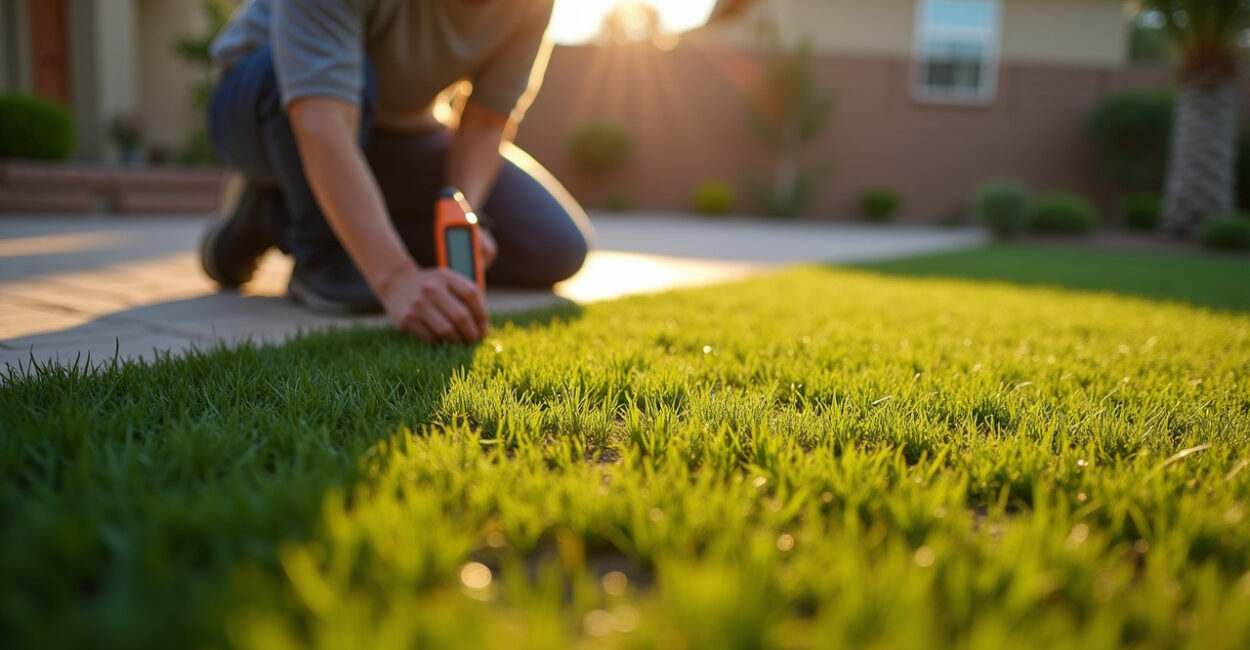
- Survey and mark the area, removing plants and obstacles.
- Excavate to a depth for the sub-base (typically 3–6 inches).
- Install a geotextile weed barrier to reduce growth beneath turf.
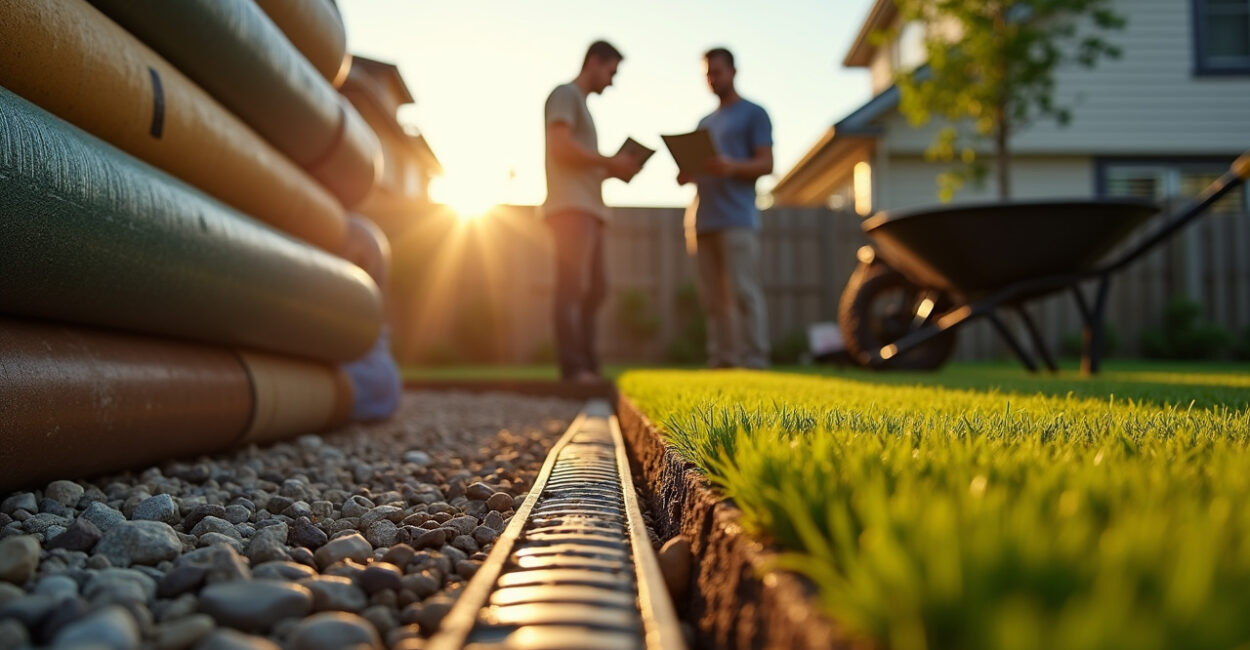
- Add compacted crushed rock or decomposed granite for drainage.
- Grade the base to ensure proper slope and surface uniformity.
Proper site preparation begins with removing existing sod and debris, then establishing a stable sub-base that supports the turf and ensures drainage. Compacting aggregates like crushed stone prevents settlement and surface irregularities over time.
Edge restraint—concrete, pavers, or metal edging—maintains perimeter integrity and prevents shifting. A well-prepared base reduces wrinkles, improves longevity, and helps the artificial turf perform like intended under foot traffic and weather.
Seaming, Infill, and Finishing Touches
Seams between turf rolls are joined with seam tape and adhesive or sewing for a discreet, durable connection. Proper seaming is essential to prevent separation and visible lines in the finished lawn. Skilled installers ensure blade direction and pile orientation match across panels.
Infill choices (sand, coated silica, crumb rubber, organic alternatives) impact firmness, drainage, cushioning, and heat retention. Infill is typically brushed into the pile and compacted to stabilize the turf and protect backing from wear.
Final steps include power-brushing fibers upright, trimming edges, and grooming to achieve an even appearance. Quality installation often includes compacting and tamping edging materials and a walkthrough to confirm performance expectations.
Typical Timeline and Cost Factors
Installation timeline depends on size and complexity: small yards can be completed in 1–3 days, while larger or more complex landscapes with grading, irrigation removal, or drainage work may take a week or more. Weather and permit needs can add time.
Cost factors include turf quality, infill type, base preparation depth, removal of existing material, edging, and local labor rates. High-end turf with UV protection and plush pile will cost more but often provides better longevity and comfort.
Obtain multiple quotes from licensed installers, confirm warranties (materials and workmanship), and review references or portfolio photos to balance price and expected lifespan for your specific use-case and climate.
Costs and Economic Considerations of Artificial Turf
Upfront Installation Costs and What They Include
Upfront costs for artificial turf generally include materials, base preparation, drainage solutions, seaming, infill, edging, and labor. Material quality has a major influence—higher-grade fibers and backing systems raise price but extend usable life and appearance.
Expect quotes to vary widely: basic turf installations can be substantially cheaper per square foot, while premium systems with shock pads, specialized infill, and extensive base work cost more. Confirm itemized estimates to compare apples-to-apples.
Also factor in removal/disposal of existing sod, grading corrections, irrigation modifications, and permits. A comprehensive estimate avoids surprises and clarifies long-term value compared to ongoing lawn care expenses.
Long-term Value, Maintenance Costs, and Lifespan
Artificial turf typically lasts 10–20 years depending on quality, installation, UV exposure, and usage. Regular maintenance—brushing, debris removal, infill top-ups—keeps the surface performing and may extend life. Annual maintenance costs are usually lower than natural lawn upkeep.
Compare lifetime costs: irrigation, mowing, fertilizers, and pest control for natural grass versus one-time installation and occasional maintenance for turf. In water-scarce regions, turf can offer significant utility savings despite higher upfront expense.
Warranties often cover material defects; however, workmanship warranties vary. Keep documentation and service records to maximize the value and enforce warranty claims if necessary.
Financial Incentives and Local Regulations
Some municipalities or water districts offer rebates or incentives for turf installation or for removing water-thirsty lawns, while others restrict artificial turf due to drainage or environmental policies. Check local codes and incentive programs before committing.
HOA rules may also define acceptable lawn surfaces; secure approvals in writing to avoid costly rework. Permits could be necessary for grading or stormwater control modifications tied to turf installation.
Factor any rebates or limitations into your payback timeline. Sometimes incentives shorten return-on-investment horizons, particularly in drought-prone areas where water cost savings are significant.
Heat, Comfort, and Playability of Artificial Turf
Surface Temperature Behavior and Mitigation
Artificial turf can reach higher surface temperatures than natural grass under direct sun because synthetic fibers absorb and retain heat. Temperatures can exceed ambient air by 20–35°F or more on hot, sunny days, affecting comfort and usability.
Mitigation strategies include choosing lighter-colored fibers, infill with cooling properties, increasing shade through trees or structures, and using misting systems or watering before use. Proper infill selection and pile density also influence heat retention and surface temperature.
For homeowners in hot climates, planning shaded areas, cooling infill, or placing play and seating zones in cooler spots ensures the yard remains comfortable during peak heat periods while keeping the benefits of low maintenance.
Playability for Pets and Sports
Artificial turf optimized for sports features shock-absorbing pads and specific infill to balance traction and impact protection. Pet-friendly turf emphasizes drainage, antimicrobial backing, and easy waste cleanup with infill choices that minimize odor retention.
For kids and pets, turf with adequate cushioning reduces risk of minor injuries from falls. Consider turf designed for high traffic and resilient pile to prevent matting in frequently used play areas.
Regular cleaning, rinsing, and infill replenishment help maintain hygiene and performance for both sports and pet use, prolonging turf life and keeping the surface attractive and safe.
Comfort Underfoot and Aesthetics
Comfort depends on pile height, density, infill type, and underlayment. Thicker, denser piles with quality infill feel softer and more natural underfoot, while low-pile varieties are firmer and better for heavy-use areas like patios or pet runs.
Aesthetic realism has improved: multi-tone fibers, varied blade shapes, and thatch layers create depth and a more convincing natural look. Choose fibers with UV stabilization to reduce fading and maintain color accuracy over years.
Test samples in your climate and lighting before purchasing to ensure the look and feel meet expectations across seasons and under direct sun. Small samples installed temporarily can reveal real-world comfort and appearance.
Environmental and Eco Trade-offs of Artificial Turf
Water Savings Versus Ecological Impacts
Artificial turf reduces water use dramatically compared to natural lawns, especially in drought-prone regions where irrigation consumes significant resources. Lower water use translates to lower utility bills and reduced pressure on municipal supplies during dry periods.
However, replacing living grass removes habitat for pollinators, impacts soil health, and alters local ecology. Synthetic surfaces don’t support soil microbes, worms, or native plant life in the way natural turf does, creating trade-offs between conservation and biodiversity.
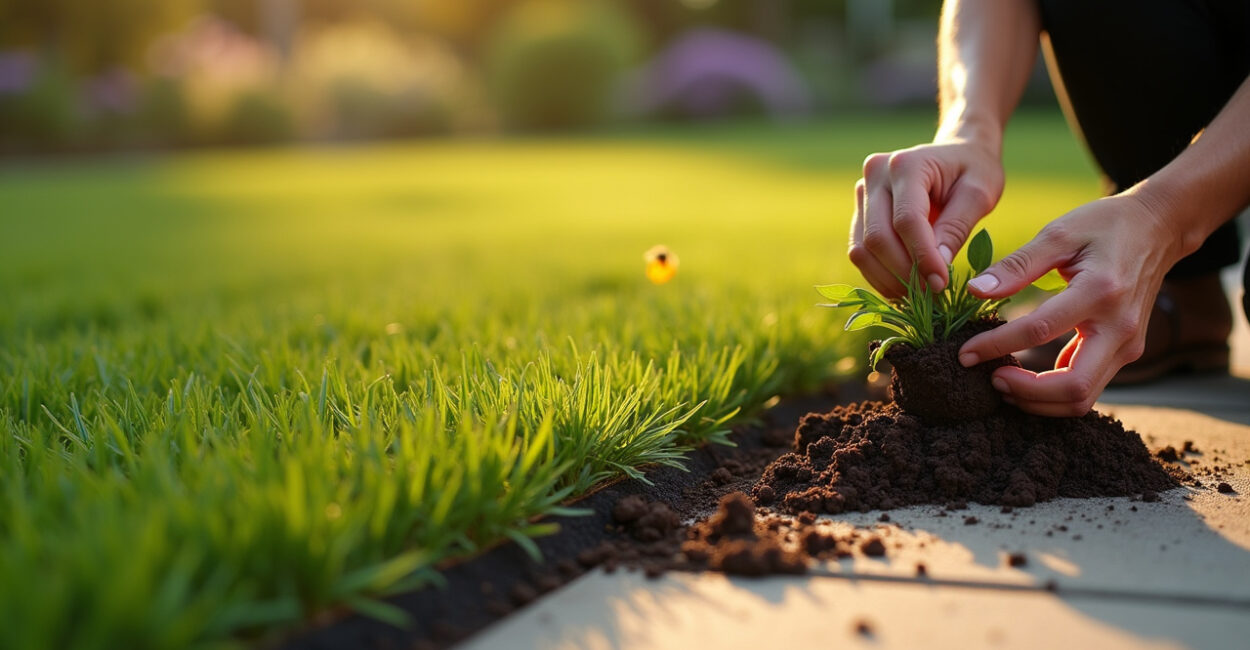
Consider hybrid approaches—strategic artificial turf installations paired with native plant beds or pollinator-friendly areas—to balance water savings with ecological benefits and preserve backyard biodiversity where possible.
Material Composition, Recyclability, and Disposal
Most artificial turf is made from petrochemical-derived plastics that may include polyethylene, polypropylene, and nylon, plus backing materials and infill like crumb rubber. At end of life, separating components for recycling is challenging and often limited by local recycling capabilities.
Some manufacturers provide take-back programs or eco-friendly turf options using recyclable materials or alternative infills. Choosing recyclable products and verifying manufacturer recycling policies can reduce lifecycle environmental impact.
Plan for eventual replacement: inquire about disposal options, potential local recycling facilities, and costs associated with removal. Responsible choices at purchase can reduce future landfill contributions and environmental burden.
Chemical Runoff, Microplastics, and Health Considerations
Concerns exist about microplastic shedding, chemical additives, and potential leaching from infill materials into soil and waterways. Heavy rains can mobilize fine particles and transported materials, requiring proper drainage design and containment strategies.
Select infill and turf systems with proven testing and certifications regarding heavy metals, PFAS-free materials, and reduced microplastic loss. Regular cleaning prevents build-up of organic matter that could degrade surface materials or generate odors.
Consult independent studies and product data sheets, and install proper edging and drainage to minimize runoff. Balancing indoor/outdoor health concerns includes evaluating product safety and site-specific environmental sensitivity.
Choosing the Right Artificial Turf Product
Fiber Types, Pile Height, and Backing Options
Fiber material affects softness, resilience, and UV stability—polyethylene is common for realistic look and softness, nylon for durability under heavy traffic, and polypropylene for cost-sensitive projects. Pile height influences appearance and use: taller blades look lush but may require more infill.
Backing systems determine drainage and dimensional stability; dual-layer backings with reinforced stitch lines resist delamination. Perforated backings and high-permeability bases support faster drainage for climates with heavy rainfall.
Request technical specs, including tuft bind, stitch rate, and drainage rate. Match fiber and backing choices to intended use—play areas, landscaping, sports fields—to ensure expected performance and longevity.
Infill Options and Their Trade-offs
- Silica sand: affordable, stabilizes fiber, minimal odor but can feel firm.
- Crumb rubber: provides cushioning, good shock absorption, concerns over chemicals.
- Coated sand or thermoplastic infill: engineered for cooling and reduced compaction.
- Organic infills (cork, coconut): biodegradable, lower heat retention, may need replenishment.
- Hybrid infills: combine materials to balance cushioning, drainage, and heat.
Infill choice influences comfort, heat retention, drainage, and maintenance frequency. Consider pet and child safety, local climate, and maintenance effort when selecting infill to meet your priorities.
Test a small sample area with the chosen infill to validate comfort and upkeep needs. Discuss manufacturer recommendations and warranty implications when using alternative infills.
Warranty, Certifications, and Manufacturer Support
Warranties commonly cover UV resistance, manufacturing defects, and sometimes colorfastness for specified periods. Verify what is covered and any maintenance tasks required to keep warranties valid. Workmanship warranties from installers vary—obtain clear, written terms.
Look for third-party certifications (e.g., GreenGuard, ISO testing) and independent lab results regarding durability, containment of heavy metals, and flame resistance. These credentials add confidence in product claims and safety profiles.
Choose reputable brands with documented performance history and reliable customer support. Supplier transparency about material sourcing, recyclability, and testing helps make an informed, long-term purchase decision.
Maintenance Best Practices for Artificial Turf
Routine Cleaning and Debris Management
Routine maintenance includes removing leaves, branches, and organic debris to prevent matting and microbial growth. Use a leaf blower, stiff broom, or thatching rake to keep fibers upright and remove surface buildup.
For spills or pet waste, spot-clean promptly: remove solids, rinse the area with water, and use enzyme cleaners for odors if needed. Avoid harsh solvents that could damage fibers or backing.
Seasonal inspections for seams, infill levels, and drainage performance keep the turf functioning. Address minor repairs early to prevent bigger issues and preserve the appearance and warranty status.
Infill Replenishment and Grooming
Over time, infill may compact or migrate; periodic top-ups and redistributions restore cushioning and blade support. Power-brushing and grooming revive pile height and ensure even infill distribution for consistent performance.
Frequency depends on traffic: residential lawns may need a light grooming annually, while high-traffic or pet areas need more frequent attention. Follow manufacturer guidance to avoid overfilling or improper compaction.
Keep tools designed for artificial turf to avoid damaging fibers—use plastic rakes or turf-specific brushes rather than metal implements that can abrade the surface.
Addressing Stains, Smells, and Repairs
Most stains are removable with water and mild detergent; for stubborn marks, use manufacturer-approved cleaners. For pet odors, enzyme treatments and regular rinsing help control smells without damaging infill or fibers.
Small tears or seam separations can be repaired with seam tape, adhesive, or by a professional installer. Address drainage issues or low spots promptly by re-leveling the base and replenishing infill to prevent pooling or uneven wear.
Maintain records of care and repairs to support warranties and track when professional servicing or replacement will be needed. Routine care reduces long-term costs and preserves appearance.
Conclusion
Artificial Turf offers a compelling low-maintenance alternative to natural lawns, reducing water use and ongoing lawn care while introducing considerations like heat, infill choices, and end-of-life disposal. Evaluating upfront costs, installation quality, and product specifications helps match a turf system to your yard’s needs.
Weigh environmental trade-offs alongside convenience and long-term value, choose quality materials, and maintain the surface properly to maximize lifespan. If you’re considering Artificial Turf, request samples, multiple quotes, and warranty details before committing—then decide if turf aligns with your priorities and landscape goals.
FAQ
Is Artificial Turf Safe for Children and Pets?
Artificial turf can be safe for children and pets when you choose non-toxic, certified materials and appropriate infill. Proper drainage, antimicrobial backings, and routine cleaning reduce odors and bacteria. Look for products tested for heavy metals and PFAS-free claims, and confirm manufacturer safety documentation. Pet-friendly turf with porous backing and a suitable infill makes cleanup manageable. Supervise play during extreme heat periods and use shaded areas to keep surfaces comfortable for kids and animals.
How Hot Does Artificial Turf Get and How Can I Cool It?
Artificial turf can run significantly hotter than natural grass under direct sun—sometimes 20–35°F (11–19°C) above air temperature. To mitigate heat, choose light-colored fibers, cooling infill, add shade with trees or structures, use misting systems, or rinse turf before use. Some engineered infills and permeable bases reduce heat retention. Plan shaded seating and play zones and avoid barefoot use during peak heat to maintain comfort and safety on hot days.
What Maintenance is Required and How Often?
Maintenance is comparatively light: regular debris removal, periodic brushing to keep fibers upright, infill top-ups when needed, and spot cleaning for stains or pet waste. Residential installations usually need a light grooming once a year and spot care as required; high-traffic or pet areas require more frequent attention. Follow manufacturer instructions for cleaning agents and tools to avoid voiding warranties and to preserve turf longevity and appearance.
How Long Does Artificial Turf Typically Last?
Artificial turf lifespan ranges from about 10 to 20 years depending on product quality, installation, UV exposure, and maintenance. Higher-end turf with UV stabilization, robust backing, and proper base prep tends to reach the upper end of that range. Regular grooming, prompt repairs, and appropriate infill maintenance help maximize life expectancy. Warranties vary; verify what’s covered and for how long when selecting materials and installers.
Are There Environmental Drawbacks to Installing Artificial Turf?
Yes—while artificial turf saves water and reduces chemical lawn treatments, it replaces living grass that supports soil health and pollinators and introduces plastics that can shed microplastics or be difficult to recycle. Consider hybrid landscapes that balance turf areas with native plantings, choose recyclable products or manufacturer take-back programs, and design drainage to limit runoff. Assess local recycling options and long-term disposal plans before installation to minimize environmental impact.
Sources: EPA WaterSense, CDC Healthy Water, US Forest Service