Warning: Cannot modify header information - headers already sent in /home/u278635817/domains/myhousegarden.com/public_html/wp-content/plugins/artigosgpt/artigosgpt.php on line 28454
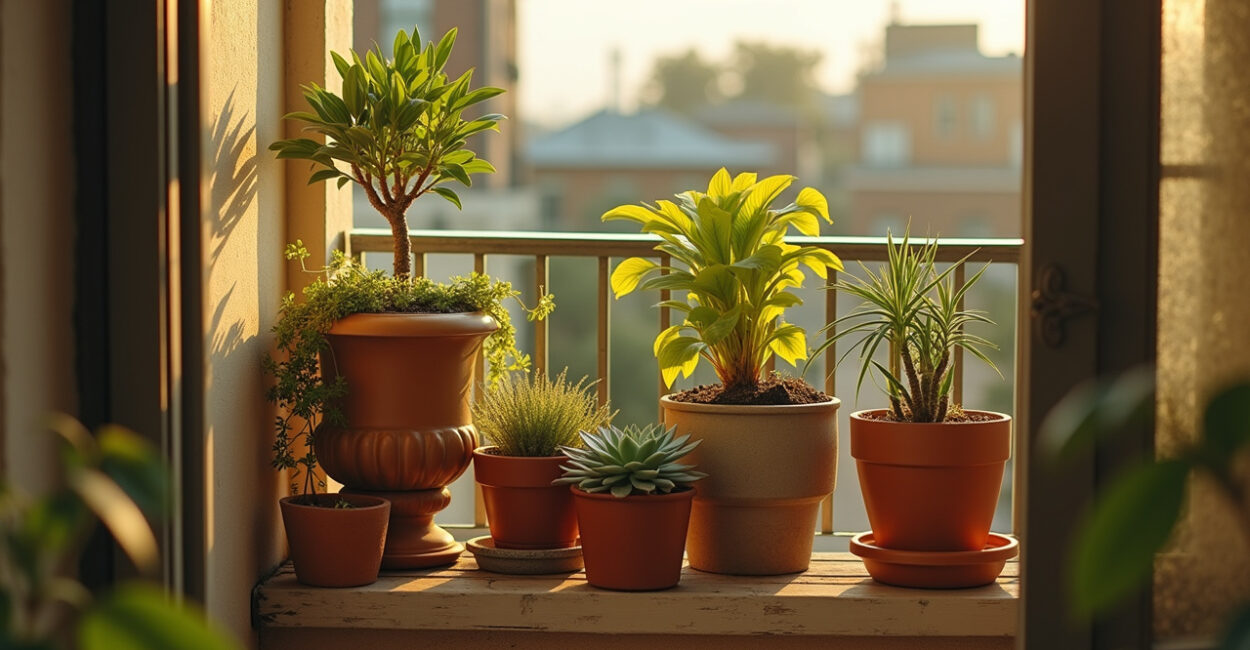
Hot afternoon, tiny balcony, one sad plastic pot — then five minutes later: a display that looks like a boutique storefront. That’s the power of Container Gardens. Small pots, smart pairings, and a little bravado turn cramped outdoor nooks into eye-stopping stages. Read on for eight concrete setups that do just that: bold visuals, simple care, and styling tips that make passersby pause.
1. The Drama Trio: Tall, Trailing, and Textured
Few combos hit like height + spill + texture. Pick a tall anchor plant, a trailing filler, and one textured leaf for contrast. Container Gardens thrive on this three-part drama because the eye travels: up, then out, then rests on detail. Try a dwarf olive (tall), trailing sweet potato vine (spill), and a palmate coleus (texture).
- Pot: tall ceramic urn for the anchor.
- Soil: well-draining mix with slow-release fertilizer.
- Styling tip: place the tall pot near a railing and let trails drape over the edge.
2. Balcony Herb Bar: Utility That Looks Chic
Functional rarely looks this good. A row of matching shallow pots creates a tidy herb bar perfect for patios. In Container Gardens, herbs deliver both scent and color. Plant rosemary, thyme, and basil together — they share light and water needs.
- Pot choice: glazed long trough to save space.
- Maintenance: trim regularly to prevent legginess.
Quick compare: Expectation: messy plastic herb pots. Reality: cohesive trough with labels and a wooden tray — instantly curated.

3. Pollinator Magnet: Flowers That Work Hard
Some containers do more than look good; they feed bees and butterflies. Container Gardens can be a tiny ecosystem. Mix native salvias, coneflowers, and a late-blooming aster for continuous interest.
- Planting tip: stagger bloom times so something is always flowering.
- Pot choice: wide, shallow pots for multiple crowns.
For planting windows and pollinator guides, check resources like USDA and your local extension for native plant lists and timing.
4. Minimalist Monochrome: Sophistication in Repetition
One color, repeated textures, big impact. Container Gardens that use shades of one color look calm and grown-up. Pick three plant forms — upright, mounded, and spiky — all in white, silver, or deep purple foliage.
- Pot tip: uniform matte pots for cohesion.
- Styling: group odd numbers (3 or 5) for natural rhythm.
Design rule: restraint signals taste. Too many colors will read chaotic on a small balcony.

5. Succulent Sculpture: Low-Water, High-Style
Succulents are the modern minimalist’s secret. Yet a few well-chosen varieties can look like a curated sculpture. In Container Gardens, use gravel, terracotta pots, and a focal echeveria. The contrast between smooth leaves and rough pot is quietly dramatic.
- Soil: fast-draining cactus mix.
- What to avoid: deep, water-retaining containers — they rot roots.
Common mistake: grouping different water-needs in one pot. That’s a fast track to disaster. Instead, group succulents with similar water schedules.
6. Miniature Garden Scene: Tiny Trees, Big Personality
You can evoke an entire landscape in a single pot. Use a dwarf conifer, a couple of small groundcovers, and a miniature path of sand or pebbles. Container Gardens become scenes you can wander mentally.
- Pot: shallow wide bowl to suggest a landscape.
- Plant pairings: dwarf pine, thyme groundcover, a tiny fern for shade.
Mini-stories happen here: a neighbor once stopped to ask for watering tips, then returned with a tiny lantern to “complete” the scene. That’s how these setups connect people.
7. Reclaimed Charm: Pots with Personality
Old crates, wine barrels, or a painted toolbox can become instant planters. Container Gardens with reclaimed containers bring character you can’t buy at a nursery. The trick is lining and drainage — otherwise charm turns into soggy wood fast.
- Do it right: drill holes, line with landscape fabric, add gravel layer.
- Plant picks: hardy annuals or shrubs that tolerate variable soil.
What to avoid: sealing everything without drainage. That kills roots and ruins the look.
8. Night-Ready Arrangements: Plants That Glow After Dark
Design for evenings. Container Gardens can pop at night with silver foliage, white blooms, and subtle lighting. Pair lamb’s ear, white petunias, and a reflective glazed pot. Add low-voltage LED uplighting for a gallery effect.
- Pot material: reflective or glossy to catch light.
- Care: night-blooming plants often need cooler temps and consistent moisture.
Before you pick pots, remember this: scale beats style. A small plant in an oversized pot looks lost. Match pot size to plant size and the visual weight you want.
For planting depth, watering schedules, and soil mixes, your county extension offers practical guides and local timing. See a local extension site for planting calendars and detailed care tips: Penn State Extension.
Final push: choose one setup, commit a weekend, and style it like you mean it. Container Gardens reward bold moves more than timid tweaks. Make one bold choice and the rest will read as intentional.
What Should I Avoid When Arranging Container Gardens on a Balcony?
Avoid mixing plants with wildly different water and light needs in the same pot; that’s the fastest way to lose multiple plants. Don’t use containers without drainage — waterlogged soil invites root rot. Skip tiny single plants in oversized pots unless you plan to layer; otherwise they look lost. Keep heavy pots away from railings unless the structure is rated for the weight. Finally, avoid overcrowding pots; crowding stresses roots and invites disease. Aim for breathable soil, proper drainage, and plant companions that share care routines.
How Often Should I Water Container Gardens in Summer?
Watering frequency depends on pot size, material, and plant type, but expect daily checks in hot weather. Small terracotta pots dry faster than glazed or plastic ones. Check moisture with a finger: if the top inch is dry, water thoroughly until it drains. In very hot spells, morning and evening checks help catch rapid drying. Mulching the surface reduces evaporation. Remember succulents need far less; herbs and annuals usually want consistent moisture. Adjust for shade, wind, and pot color.
Can I Grow Vegetables in Small Container Gardens on a Balcony?
Yes. Many vegetables thrive in containers if you match depth and volume to the crop. Tomatoes and peppers like 5–10 gallon pots; lettuces and herbs fit shallow troughs. Use high-quality potting mix and feed regularly with a balanced fertilizer. Ensure at least 6 hours of sun for most veggies. Keep an eye on pollination — some crops need hand pollination on balconies. Also, plan for watering: vegetable containers often need more frequent moisture than ornamentals.
What Are the Best Soil Mixes for Different Container Garden Setups?
Choose soil by plant needs. Use a fast-draining cactus or succulent mix for succulents. For herbs and vegetables, a loamy potting mix with added compost and slow-release fertilizer works well. For showy annuals and mixed displays, use a lightweight, moisture-retentive mix with perlite for aeration. Avoid garden soil — it compacts and drains poorly in containers. Refresh topsoil yearly and repot or top-dress every season to replenish nutrients and maintain light, airy soil structure.
How Do I Winterize Container Gardens on a Small Patio?
Winterizing depends on plants and climate. For hardy shrubs in pots, move containers near walls to reduce wind chill and insulate pots with burlap or bubble wrap. Empty and store tender annuals or bring them indoors. Protect roots by lifting pots off cold surfaces with pot feet. Reduce watering as growth slows but don’t let soil dry out completely for evergreens. Consider switching to winter-hardy plantings like pansies or ornamental cabbage for seasonal interest. Always check frost dates for your area.