
Warning: Cannot modify header information - headers already sent in /home/u278635817/domains/myhousegarden.com/public_html/wp-content/plugins/artigosgpt/artigosgpt.php on line 28454
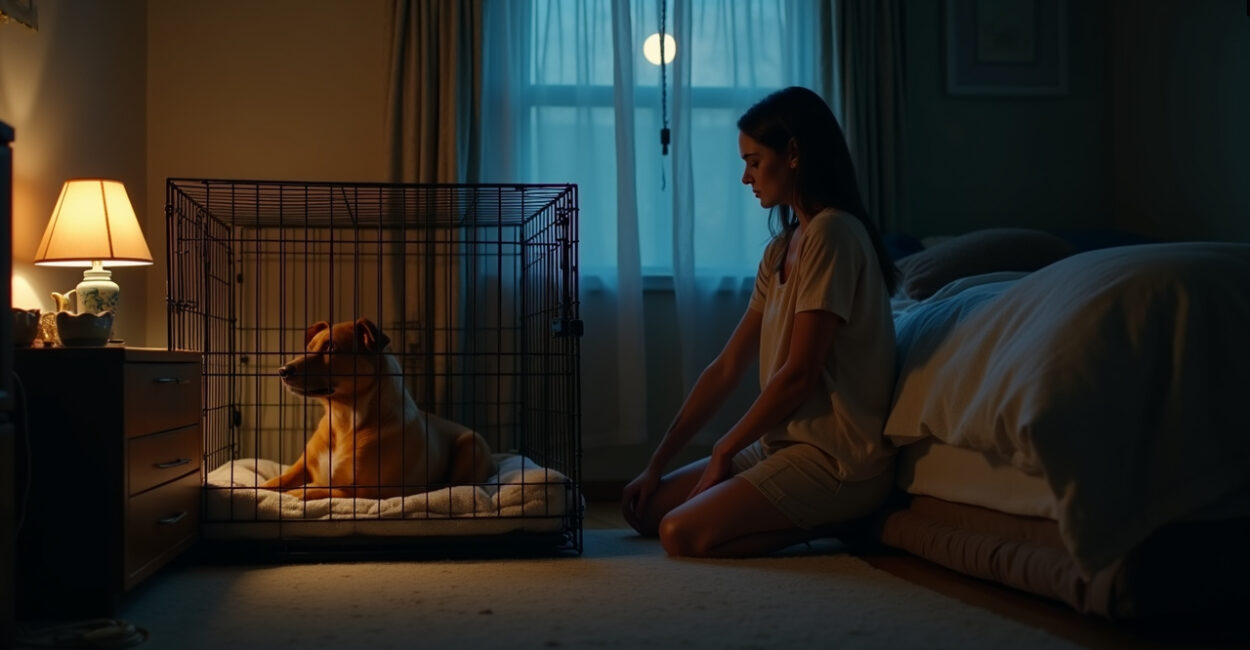
He wakes at 3 a.m., pacing the crate like he’s counting the minutes until something unknown happens. You’ve tried blankets, calming chews, and a night light, but the sleeplessness and accidents keep coming. A focused crate routine for a rescue dog isn’t about brute discipline — it’s about predictable timing, clear cues, and a sleep-safe space that says: “You’re okay here.” Read this and you’ll have a practical, step-by-step night plan to stop midnight chaos and start real rest.
The Single Change That Calms Nights Within Three Days
Consistency wins faster than anything else. When you build a crate routine, the calendar matters as much as the crate. Set a fixed pre-bed window — potty, short walk, quiet play, then crate — and repeat it every night. Rescue dogs live on patterns; predictability lowers anxiety. In trials, dogs showed calmer settling when owners used the same 45–60 minute wind-down block nightly. Make the routine so reliable that the cue (a soft word or a mat) becomes the dog’s sleep signal.
How to Pick the Crate and Arrange the Space So Your Dog Actually Uses It
Size and placement are more than aesthetics. Too big, and the crate becomes a bathroom. Too small, and it’s a stress box. Choose a crate that lets your dog lie down and turn around comfortably. Place it in a quiet corner, not a hallway that triggers startle reactions. Add a cozy bed, a washable liner, and one safe chew. Cover the crate partially if your dog prefers den-like darkness. For rescue dogs who fought for space, a gently covered crate often feels like a reclaimed safe den.

The Pre-bed Checklist: A Practical Timeline You Can Copy Tonight
Structure removes guesswork. Here’s a repeatable checklist to anchor your crate routine:
- 90–60 minutes before bed: last long walk and play session to burn energy.
- 45 minutes before bed: bathroom break, then calm indoor time.
- 20 minutes before bed: light snack if needed; avoid heavy meals.
- 5–10 minutes before bed: cue the crate with a calm voice and a treat, then leave the room for a short moment.
The Cue System That Tells Your Dog “night-time” Without Yelling
Words alone don’t make cues — timing and repetition do. Pick one short phrase (like “crate time”) and one physical cue (a mat or a soft bell). Use them together during the pre-bed checklist. Say the cue calmly, reward entry, then wait two minutes before leaving the room. Over a week the phrase plus the mat will collapse into a single signal that starts the crate routine automatically. The cue system turns your routine into a low-effort ritual the dog can rely on.

Common Mistakes That Keep Rescue Dogs Awake (and How to Avoid Them)
People mean well, but a few habits wreck a crate routine fast. Most common errors:
- Letting the dog out every time it whines — teaches noise pays off.
- Inconsistent timing — prevents internal clock building.
- Crate equals punishment — makes the dog avoid it.
When Accidents Happen: The Simple Steps That Stop the Cycle
An accident doesn’t mean failure; it means something in the routine needs tweaking. First, rule out medical causes with your vet. Then ask: Was the last potty too long ago? Too much water? Adjust the evening walk earlier or add a late but quiet bathroom trip. Use crate liners that are easy to clean. Don’t scold — that links potty to fear. Instead, shorten the window before bed or increase bathroom breaks gradually until the dog builds bladder control at night.
A Tiny Before-and-after Story That Shows This Works
He came from a shelter, frozen by loud noises and strangers. We started a crate routine: same walk, same snack, same phrase. Night one he cried. Night three he paused at the crate, sniffed his bed, and settled. A week later he slept through without accidents. Expectation: endless midnight stress. Reality: three nights to calm, and a month to confident sleep. That turnaround isn’t luck — it’s repetition, the right cues, and a crate routine that respects the dog’s past.
For training guidance backed by research, see resources from trusted animal behavior organizations like ASPCA and veterinary behavior studies such as those published through AVMA. Those sources confirm that timing, environment, and consistent cues are central to reducing anxiety in rescue dogs.
Night routines change lives. A thoughtful crate routine gives a rescue dog what they’ve often missed: predictability, safety, and the chance to finally sleep. Try one small change tonight — same walk, same phrase, same mat — and watch the nights fall into place.
FAQ
How Long Does It Take for a Rescue Dog to Accept a Crate Routine?
Most rescue dogs show noticeable calm within three to seven nights when you use a consistent crate routine with predictable timing and cues. Some dogs, especially those with severe anxiety or past trauma, may take several weeks to settle fully. Key factors are the dog’s history, the consistency of your routine, and whether the crate feels safe and comfortable. If progress stalls, consult a veterinarian or certified behaviorist to rule out medical or deeper behavioral issues and to adapt the crate routine appropriately.
Can I Use Treats or Toys to Make the Crate Routine Work Faster?
Yes—used correctly, treats and toys speed learning by creating positive associations with the crate. Choose calm, long-lasting chews or a stuffed KONG to occupy the dog during the wind-down phase. Avoid high-energy toys right before bed; they can backfire. Introduce treats during the pre-bed checklist and when the dog enters the crate on cue. Gradually reduce food rewards as the dog learns the routine, keeping toys as occasional reinforcements to maintain the crate’s positive status in your established crate routine.
What If My Rescue Dog Whines or Barks All Night in the Crate?
Persistent night vocalizing usually means the routine has a gap: timing, potty needs, or anxiety. First, check for physical needs—water timing, last bathroom, or discomfort. Next, ensure the crate routine includes sufficient exercise earlier in the evening. Don’t immediately reward vocalization by letting the dog out; that reinforces the behavior. Instead, use brief, calm checks and reward quiet with a soft phrase and treat. If barking continues despite these fixes, seek help from a trainer experienced with rescue dogs to adjust the crate routine thoughtfully.
Is It Okay to Cover the Crate or Should It Stay Open in the Bedroom?
Covering the crate helps many rescue dogs by creating a den-like, secure feel, but preferences vary. If your dog is overwhelmed by household noise or had a chaotic past, a partial cover can reduce startle responses and support the crate routine. For dogs who need social reassurance, placing the crate in the bedroom with a clear view of you may work better. Try both options for a few nights each and watch which reduces nighttime anxiety and accidents, then commit to that setup within your crate routine.
How Do I Adapt the Crate Routine as My Rescue Dog Grows More Confident?
After your dog consistently sleeps through nights, slowly loosen support while keeping core timing. Stretch the pre-bed window, reduce treat frequency, and allow short, supervised out-of-crate time before bed. Keep the same cue so the crate routine remains reliable. Gradual change prevents backsliding; sudden removal of structure can revive anxiety. If the dog handles changes well, you can phase out night checks. Always reintroduce structure promptly if accidents or anxiety return to maintain long-term success.