
Warning: Cannot modify header information - headers already sent in /home/u278635817/domains/myhousegarden.com/public_html/wp-content/plugins/artigosgpt/artigosgpt.php on line 28454
Garage organization matters because a well-planned garage frees driveway space, protects gear, and keeps family tools accessible. Garage organization improves safety, extends equipment life, and makes daily routines faster. Start by assessing storage needs, clearing clutter, and prioritizing high-use zones to create a practical plan.
Small family homes face tight footprints, seasonal swaps, and mixed storage needs — bikes, sports gear, tools, and seasonal items. This guide shows smart garage organization strategies for compact homes: wall-mounted racks, bike hoists, ceiling storage, and zone planning to reclaim driveway space and simplify access.
Below you’ll find step-by-step layouts, product comparisons, DIY tips, and installation notes to implement garage organization in small family homes. Use the practical plans and checklists to start transforming your garage this weekend.
Compact Garage Storage Solutions
Wall-mounted Storage for Compact Garages
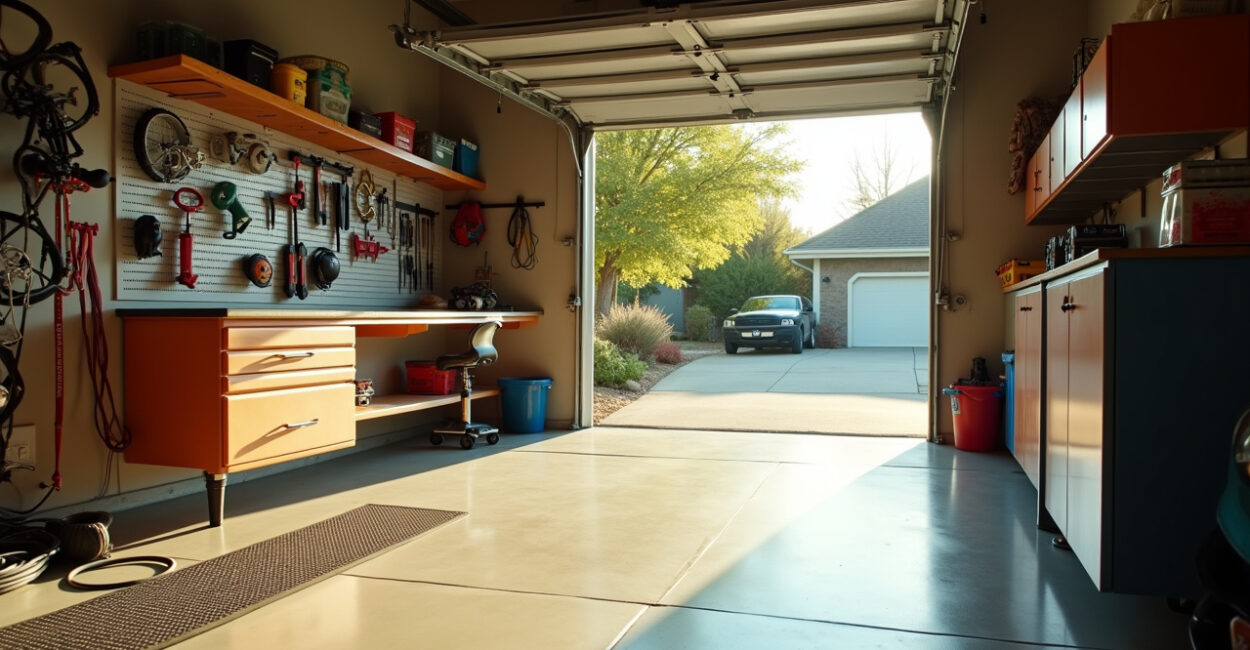
Wall-mounted racks are essential for garage organization in small homes since they shift bulky items off the floor. Choose heavy-duty slatwall, pegboard, or modular rails to hold tools, garden gear, and sports equipment securely. Mounting vertically creates visible zones so every family member finds what they need quickly.
When planning, measure wall studs, weight capacity, and clearances for doors and cabinets. Use labeled hooks and clear bins for small items like screws and bike accessories to avoid re-cluttering shelves. Durable materials like powder-coated steel resist moisture and keep organization tidy for years.
Combine wall storage with a low-profile workbench and fold-down surfaces to preserve floor space. Focus on ergonomics: place frequently used items at waist to eye level and seasonal or rarely used gear up high. This keeps the garage functional and the driveway free.
Vertical Shelving and Slim Cabinets
Tall, narrow cabinets and vertical shelving amplify storage without reducing floor area, improving garage organization by grouping items by function: tools, car supplies, and kids’ sports gear. Lockable cabinets secure hazardous materials away from children and pets while keeping the aesthetic tidy.
Opt for adjustable shelves to adapt to changing family needs and labeled clear bins to maintain order. Ventilated cabinets prevent moisture buildup around fabrics or fertilizers. Position cabinets along less-used walls to leave central zones open for movement or car access.
Pair shelving with anti-tip anchors for safety and modular bins for seasonal swaps. This layered approach creates hierarchy in storage so high-value or frequently used items remain accessible, reinforcing the garage’s role as both workshop and family storage hub.
Ceiling-mounted Solutions for Low Ceilings
Ceiling-mounted platforms and pulley systems offer essential vertical storage for small garages, raising bulky boxes or seasonal items overhead and tidying the floor. Choose low-profile racks with secure fasteners rated for load and ceiling type to maintain safe garage organization.
For low ceilings, use adjustable hoists or foldable racks that drop down for loading and retract when not in use. Label containers and use uniform bins to maximize stackability and quick retrieval. Keep heavier items closer to the center for balanced load distribution.
Balance accessibility and safety: install lighting under racks and leave clear walking paths. Ceiling solutions free driveway space by storing overflow items overhead while keeping everyday tools reachable on walls or shelves.
Smart Bike and Sports Storage
Space-saving Bike Hoists and Wall Hooks
Bike hoists and vertical wall hooks are core to garage organization for families with limited space, enabling safe bike storage without sacrificing floor area. Hoists lift bikes to the ceiling with pulleys, while wall hooks store bikes upright, ideal for quick daily access.
- Ceiling pulley hoist for seasonal storage
- Vertical wall hook for daily-use bikes
- Slatwall bike rack for compact multi-bike systems
- Fold-down bike shelf for small e-bikes
Choose padded hooks to protect frames and lock bikes to anchors if theft is a concern. For multiple bikes, stagger heights and assign parking locations with painted markers or labels to keep organization consistent across the family.
Sports Gear Zones and Modular Bins
Create sports gear zones to streamline routines: designate sections for balls, helmets, pads, and footwear. Use clear, stackable bins with labels and ventilated shoe racks to prevent odors and speed retrieval for weekend games or practice.
Integrate hooks for helmets and nets for small balls above bench height to keep floors clear. A bench with cubbies below helps kids transition from car to play, keeping gear centralized and part of the garage organization system.
Regularly purge outgrown or broken items at season changes to maintain space. A small donation bin near the door encourages turnover and prevents accumulation of unused equipment.
Protective Storage for Expensive Gear
High-value items like skis, e-bikes, and kayaks need protective storage—padded racks, soft covers, and climate considerations improve longevity and integrate with garage organization strategies. Keep delicate gear away from tools and chemicals.
Store skis and boards vertically in wall cradles or horizontally on ceiling racks with padding. For e-bikes, install a dedicated charging station near outlets, with cable management to avoid tripping hazards and preserve battery health.
Document where each item is stored with a simple map on the garage door interior or a digital photo inventory to speed retrieval and reduce accidental damage during busy seasons.
Seasonal and Overflow Storage Strategies
Rotating Seasonal Storage Plans
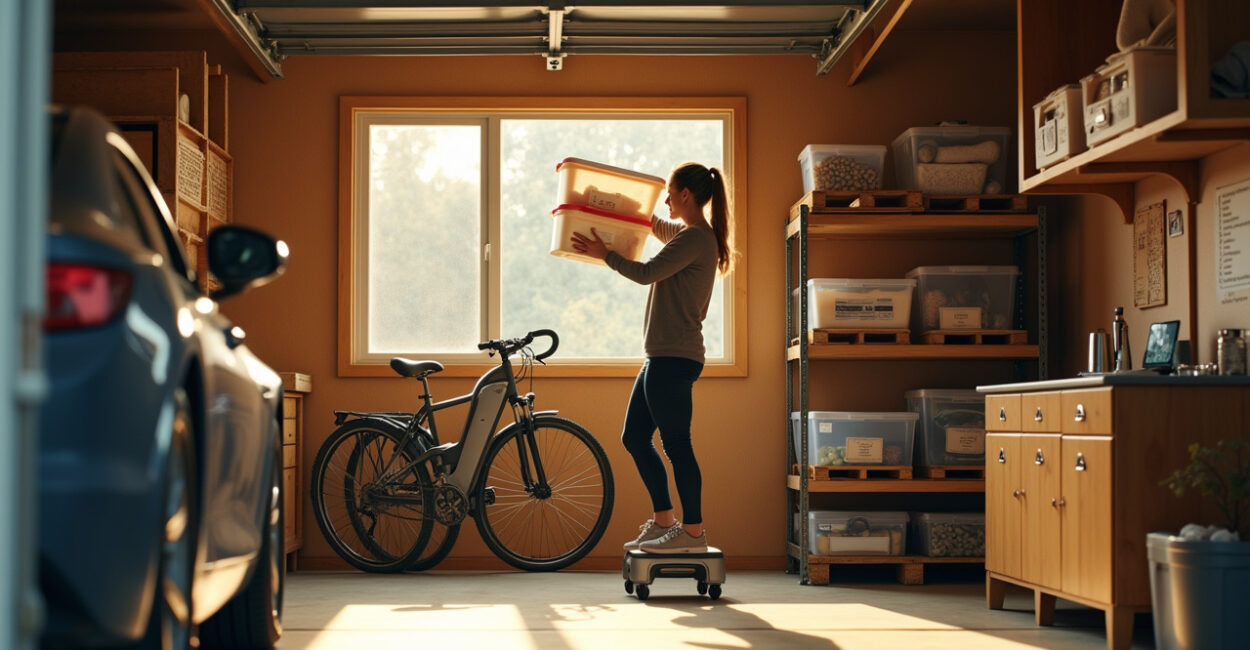
Rotating seasonal storage supports garage organization by keeping current-season items accessible while stashing off-season gear overhead or on higher shelves. Review needs twice yearly and swap labeled bins between accessible shelves and ceiling racks.
Use uniform, stackable, clear bins with labels for easy identification. Place heavier winter gear near central supports and lighter summer items up high. Create a simple inventory list on a whiteboard or mobile note to avoid duplicate purchases.
Plan for quick seasonal transitions by grouping related items (e.g., holiday decorations, patio cushions, snow gear) so swaps take less than an hour. This predictable system maintains order and preserves driveway space.
Climate and Pest Protection for Stored Items
Moisture and pests can ruin stored belongings; integrate desiccant packs, sealed containers, and raised shelves to protect items. Garage organization should include breathable covers for fabrics and plastic bins for small components to prevent rust and mold.
Check seals annually and use rodent-proof containers for seeds or pet food. For humid climates, consider a small dehumidifier or moisture-barrier flooring to reduce condensation near stored items and protect tools and electronics.
Store chemicals and paints in locked, ventilated cabinets to meet safety regulations and keep them isolated from sporting goods and kids’ storage zones, part of a holistic garage organization plan.
Overflow Solutions: Sheds Vs. Attic Access
When garage space is insufficient, consider a backyard shed or attic storage. Sheds boost overall storage capacity while attic access creates overhead options, both complementing garage organization by reallocating seasonal or bulky items off-site.
Evaluate costs, security, and ease of access. Sheds work well for bulky outdoor gear and lawn equipment, while attic storage suits boxed seasonal items—ensure safe ladders and floor reinforcement for weight-bearing storage.
Coordinate with your local codes and property layout to position shed doors for driveway access and to reduce repeated hauling. Keep a priority list to decide what stays in the garage versus what moves to overflow storage.
Tool and Workbench Organization
Workbench Layout for Efficient Workflows
A well-organized workbench anchors garage organization by consolidating tools, fasteners, and project space. Designate zones for prep, repair, and finishing, and keep commonly used tools within arm’s reach for efficiency.
Use a pegboard or slatwall above the bench for frequently used tools and magnetic strips for metal implements. Include task lighting and an outlet bank for power tools and chargers, ensuring safe, functional workspace in compact garages.
Keep a small drawer or labeled bins for consumables—screws, sandpaper, tapes—so projects aren’t interrupted hunting for supplies. Clear surface rules maintain the bench as a reliable project hub for the family.
Tool Storage Systems and Inventory
Tool chests, wall organizers, and labeled drawers are core to garage organization. Group tools by task—woodworking, automotive, gardening—so family members quickly locate what they need and return items to the correct zone.
Create an inventory sheet or QR-coded labels linking to a digital photo of tool locations. This reduces time searching and helps spot missing items early. For shared households, simple check-out logs prevent lost tools and promote accountability.
Secure expensive power tools in lockable cabinets or anchored cabinets to deter theft while keeping everyday hand tools accessible in open racks near the workbench for convenience.
Safety and Maintenance Best Practices
Safe garage organization includes properly storing flammables, anchoring tall cabinets, and keeping pathways clear. Label hazardous materials and use lockable storage to keep families safe while preserving quick access for adults.
Schedule periodic maintenance checks for shelving integrity, tightened fasteners, and moisture control. Replace worn hooks or frayed straps and inspect ceiling racks annually to avoid failures that could damage stored items or vehicles.
Install adequate lighting and non-slip flooring in work zones. Post simple safety rules by the door—no shoes in work area, goggles required—to normalize maintenance and preserve a tidy, functional garage.
Ceiling and Overhead Storage Systems
Fixed Overhead Platforms and Racks
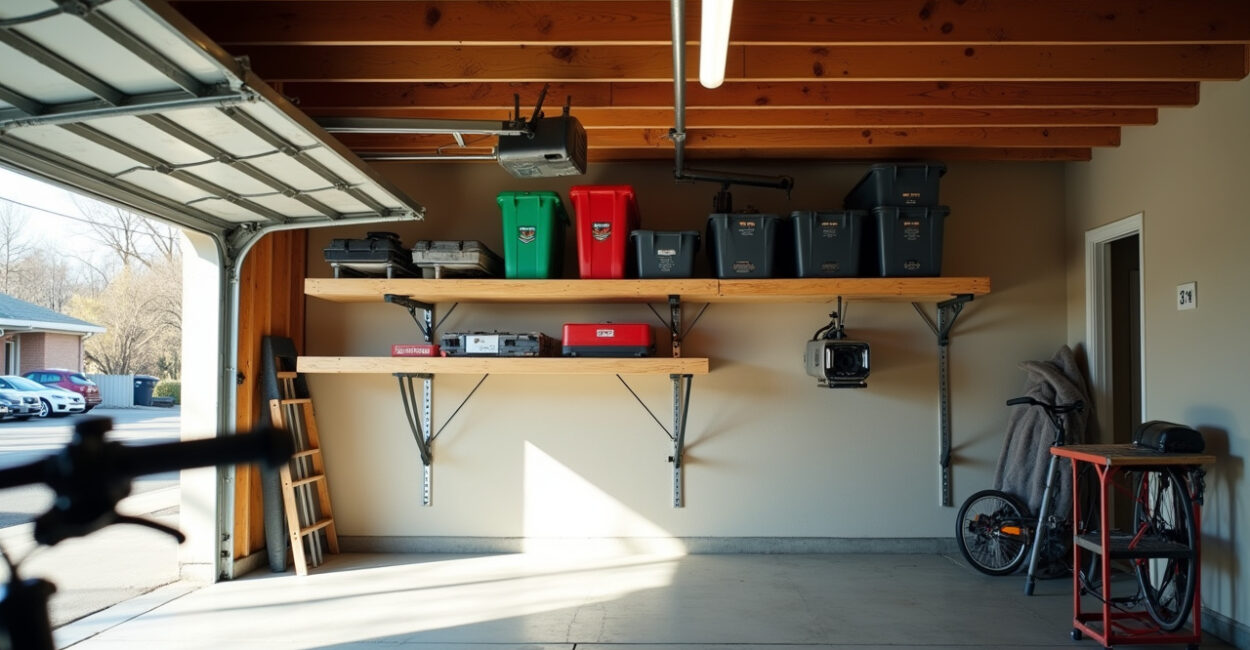
Fixed overhead platforms maximize garage organization by creating a permanent elevated storage zone for bulky, lightweight items—seasonal bins and holiday decor. Choose rated hardware and position platforms to avoid obstructing garage door tracks.
| System | Load Capacity |
|---|---|
| Bolted platform rack | 500–1,000 lb |
| Adjustable ceiling shelf | 200–600 lb |
Install with cross-bracing to prevent sway and leave at least 6–8 feet clearance for vehicle entry in single-car garages. Use labeled bins and consistent placement so family members can store and retrieve items quickly while maintaining driveway clearance.
Combine fixed platforms with a fold-down ladder or step stool to make access easier and safer. Keep heavy items near supports and store lighter, less frequently used goods further back.
Motorized and Pulley Hoist Systems
Motorized hoists and pulley systems offer effortless access to overhead storage without physical strain, enhancing garage organization for families with heavy bins or frequent seasonal swaps. Motorized units often include remote controls and built-in safety locks.
Install motors to secure structural points and verify electrical requirements before purchase. For pulley systems, practice safe loading techniques and use straps rated above expected loads to prevent slippage. Balance loads to avoid tilting during lift.
Motorized systems cost more but save time and reduce injury risk; evaluate frequency of use to justify the investment. Pair with labeled containers to keep items orderly and easy to identify at height.
Overhead Storage for Irregular Items
Use custom ceiling hooks and cradles for items like kayaks, ladders, and seasonal furniture. These irregular items benefit from overhead storage that preserves floor space and keeps the driveway clear for parking or play.
Cradles should distribute weight across ceiling joists and include padding to protect finishes. For long items like ladders, mount parallel to rafters to minimize sag and ensure safe access via wall-mounted step and grab points.
Document storage locations on a simple garage map to reduce time searching and to coordinate where new items fit. Periodic reassessment keeps overhead storage optimized as family needs evolve.
Layout Planning and Driveway Optimization
Zoning and Floor Plans for Small Garages
Effective garage organization starts with zoning: parking, workbench, sports gear, and seasonal storage. Create a simple floor plan overlaying dimensions and door swings to visualize where wall racks, ceiling storage, and cabinets fit without blocking parking.
Prioritize driveway space by storing seasonal vehicles equipment overhead and near garage entry. Mark parking zones with floor tape or paint to guide consistent vehicle placement and prevent accidental blocking of access to stored items.
Consider multipurpose zones—folding benches and retractable work surfaces—to keep the garage flexible. Frequent re-evaluation ensures the layout evolves with the family’s changing storage needs.
Driveway-clearing Tactics and Curb Appeal
Clearing the driveway enhances curb appeal and safety. Move overflow bins indoors, use narrow-profile storage along side walls, and install vertical bike racks to keep vehicles and walkways unobstructed. A neat driveway also improves neighborhood impressions.
Store trash and recycling neatly in screened cabinets and keep seasonal outdoor tools in a small shed or on high hooks. Landscaping and exterior paint around the garage door complement interior organization by making the property feel tidy overall.
Set a simple maintenance schedule—weekly quick tidy—to prevent pileups. A couple of minutes each week preserves the driveway’s usability and extends the life of stored equipment by reducing moisture and dirt exposure.
Permits, HOA Rules, and Safety Setbacks
Before building exterior sheds or modifying garage structure, check local permits and HOA rules to ensure compliance. Some areas restrict exterior storage or require specific anchoring and setback distances that affect where you place overflow units.
Consult local building codes for ceiling-mounted platforms and heavy anchors to meet safety standards. When in doubt, work with a licensed contractor for structural modifications to preserve property value and avoid fines.
Maintain documentation of permits and installation manuals in a waterproof binder in the garage so future homeowners or inspectors can confirm compliance—part of responsible garage organization.
Budgeting, Materials, and DIY Installation
Cost-effective Materials and Where to Buy
Budget-friendly garage organization can use affordable steel slatwall, economical shelving units, and recycled plastic bins. Buy from big-box stores or local suppliers and compare warranties and load ratings to ensure long-term value. Include shipping and hardware costs in estimates.
Consider buying used cabinets or repurposing furniture for cost savings, but inspect for structural soundness and rust. For specialty items like hoists, compare online reviews and manufacturer specs to prioritize safety features over cheapest price.
Allocate budget across zones: essentials (wall storage), accessibility (bike hoists), and aesthetics (cabinets). This ensures key functional needs are met while keeping the project affordable and scalable.
DIY Installation Tips and Timelines
DIY garage organization projects benefit from careful prep: clear the area, measure precisely, locate studs, and buy appropriate anchors and fasteners. A single weekend can install slatwall, hooks, and overhead racks with basic tools and an extra set of hands for safety.
Sequence work: install heavy anchor points first, then shelving, followed by wall organizers and final labeling. Allow cure times for any adhesives or paint and test load ratings gradually by adding weight in stages to confirm secure installation.
Use templates and level guides to maintain straight lines for a professional look. Keep instruction manuals and spare hardware in a labeled bag attached to the installed system for future adjustments or warranty claims.
When to Hire a Pro
Hire a professional when modifying structural elements, installing high-capacity ceiling racks, or when local codes require licensed contractors. Pros ensure anchors are into load-bearing elements, electrical work for motorized lifts is safe, and installations meet local safety standards.
Professional installers can often offer warranties and faster completion times, reducing downtime for family activities. Get multiple quotes and check reviews for installers experienced in garage organization systems to match needs and budget.
For complex layouts or heavy items like kayaks and skis, a pro helps optimize placement for access, load distribution, and long-term durability—worth the investment for safety and peace of mind.
Maintenance and Long-term Organization
Seasonal Checklists and Refresh Routines
Regular maintenance preserves garage organization: a seasonal checklist for cleaning, re-labeling bins, and inspecting anchors keeps systems safe and usable. Rotate seasonal gear, purge unused items, and check for rust or pest signs to avoid long-term damage.
Schedule brief monthly tidies and deeper biannual audits to ensure everything is in its zone. Use a simple spreadsheet or app to track where items are stored and mark items for donation or disposal during each review.
Maintain labels and replace worn bins to keep the system intuitive for all family members. Consistent habits prevent clutter accumulation and retain the driveway-clearing benefits of good garage organization.
Upgrades and Adaptability over Time
As family needs change, adapt your garage organization with modular components—mobile cabinets, adjustable shelving, and detachable hooks. Upgrades might include motorized hoists, improved lighting, or a dedicated charging station for e-bikes.
Plan a small annual budget for replacements and upgrades so the system remains functional and modern. Swapping a few components is easier and cheaper than overhauling the entire garage later on.
Document changes and keep receipts for warranties; this helps when selling the home and demonstrates a maintained, organized garage system to potential buyers.
Cleaning, Pest Control, and Safety Checks
Integrate pest control and cleaning into your maintenance routine: seal gaps, use traps or exclusion methods, and clean spills immediately to prevent stains and pests. Check fire extinguishers and first-aid kits regularly as part of garage organization safety.
Clean and lubricate moving parts on hoists and overhead racks and inspect straps and hooks for wear. Replace items showing fatigue to avoid sudden failures that could damage cars or stored possessions.
Label hazardous material cabinets and replenish safety supplies. A clean, safe garage reflects a sustainable commitment to organized living and preserves the function and value of stored items.
Conclusion
Smart garage organization transforms compact family homes by reclaiming driveway space and creating accessible zones for bikes, tools, and seasonal gear. Implement wall-mounted racks, bike hoists, ceiling storage, and modular cabinets to keep the garage functional and safe.
Start with a clear plan, measure carefully, and prioritize frequent-use items for easy access. Apply the strategies above to make garage organization a sustainable part of family life—then enjoy the extra parking, tidy gear, and simpler routines. Ready to rework your garage this weekend?
FAQ
How Do I Choose the Best Wall System for Limited Space?
Pick a slatwall or pegboard that mounts directly to studs and supports modular hooks and shelves. Prioritize weight-rated systems and place frequently used items at waist level for quick access. Use clear bins and labels to keep small items organized and visible. Measure stud spacing and choose anchors for your wall type to ensure safe, long-term garage organization.
What’s the Safest Way to Install an Overhead Storage Rack?
Secure to ceiling joists or beams using lag bolts and cross-bracing recommended by the manufacturer. Confirm the load capacity, distribute weight evenly, and test gradually with light loads before full use. If unsure about structural capacity or electrical interference, hire a licensed contractor to guarantee safe installation and compliance with local codes.
How Can I Store Children’s Sports Gear for Easy Access?
Create a dedicated sports zone with labeled bins, helmet hooks, and a low bench with cubbies. Place daily-use items at reachable heights and seasonal gear up high or on ceiling racks. Maintain a simple purge routine to remove outgrown equipment and teach kids to return items to designated spots to sustain garage organization.
Are Motorized Bike Hoists Worth the Investment?
Motorized hoists save time and reduce strain when frequently moving heavy bikes or gear to overhead storage. They cost more but increase safety and accessibility, especially for older family members. Evaluate usage frequency and available budget—if you swap seasonal gear often, a motorized hoist can be worthwhile for lasting convenience.
How Often Should I Audit My Garage Organization System?
Perform a quick tidy weekly and a detailed audit each season to rotate seasonal gear, check anchors and straps, and purge unused items. Inspect ceiling racks and hoists annually for wear, and replace worn hardware promptly. Regular maintenance preserves safety and keeps garage organization efficient for the whole family.
External resources: U.S. Consumer Product Safety Commission, Home Depot storage guides, and This Old House.