
Warning: Cannot modify header information - headers already sent in /home/u278635817/domains/myhousegarden.com/public_html/wp-content/plugins/artigosgpt/artigosgpt.php on line 28454
Lake house landscaping transforms waterfront property into a functional, beautiful retreat that protects shorelines, enhances habitat, and creates inviting outdoor rooms. Understanding erosion control, native planting, and path design is essential to make the most of a lakefront site and protect water quality. Lake house landscaping matters because proper design prevents bank loss, reduces runoff, and increases long-term enjoyment of your waterfront.
Start by assessing slope, soil type and prevailing water levels to choose plantings and hardscape that resist erosion while complementing the view. This article covers shoreline stabilization, garden layout, path systems, plant selection, hardscaping details, maintenance strategies and lighting to inspire practical lake house landscaping that balances aesthetics with ecological function.
Shoreline Stabilization for Lake House Landscaping
Natural Shoreline Solutions and Riparian Buffers
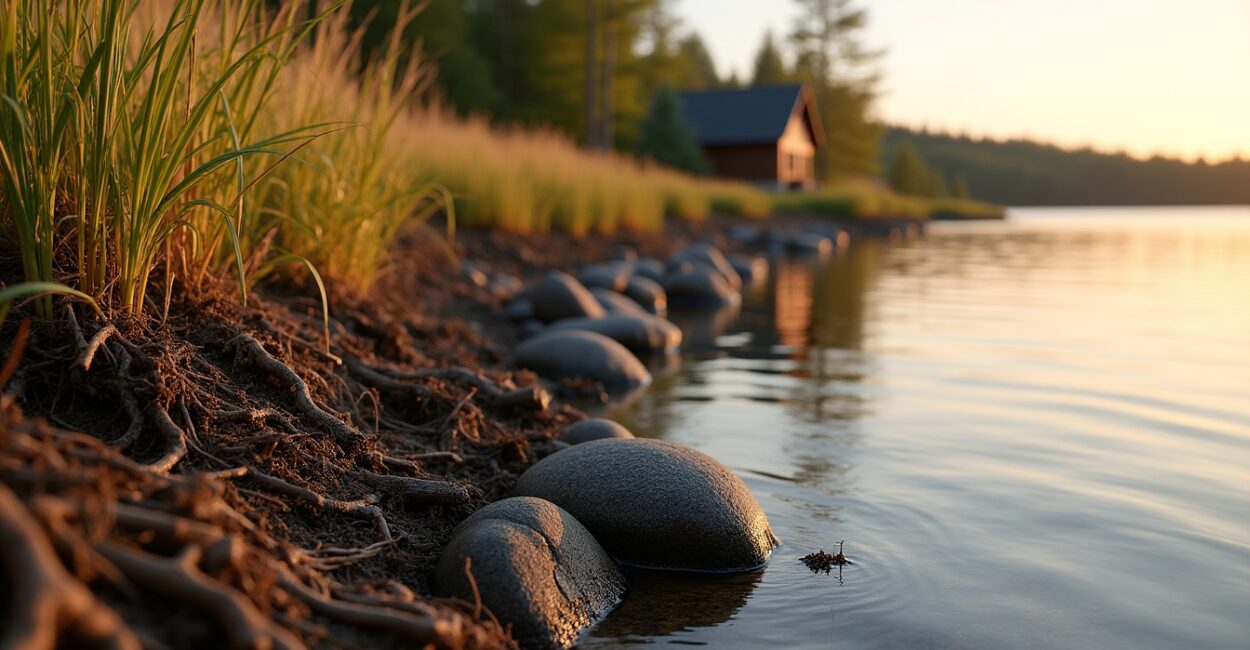
Establishing a riparian buffer with native grasses, sedges and shrubs reduces erosion and filters runoff before it reaches the lake. By planting deep‑rooted species along the bank you create a living barrier that holds soil and slows surface flow. A thoughtful buffer also provides habitat for insects and birds, enhancing biodiversity while maintaining a natural lakeside aesthetic.
Design the buffer in zones: emergent plants at the water’s edge, medium shrubs upslope, and ornamental native trees further back to transition into lawn or patio areas. This layered approach combines water quality protection with visual depth along the shoreline.
Maintenance is minimal once established: occasional weeding, seasonal pruning and replacement of failed plants. Native plant lists should reflect local wetland species to ensure resilience to fluctuating water levels and local climate.
Hardscape Approaches That Protect Banks
Hardscape features like stone terraces, permeable retaining walls and properly sized riprap can stabilize steep banks while providing usable levels for steps and seating. Choose natural materials—fieldstone, native rock or timber—to blend with the landscape and reduce visual impact. Design for wave action and ice movement to avoid premature failure.
Integrate planting pockets within hardscapes to soften edges and encourage root systems to interlock with structural elements. Permeable pavers and gravel terraces allow infiltration, reducing concentrated runoff that can undermine banks.
Coordinate with local permitting agencies before placing large rock or structural walls, and consult erosion control best practices to ensure long‑term stability and minimal ecological disturbance.
Soft Engineering: Living Shorelines and Erosion Control
Living shorelines combine plants, biodegradable coir logs, and strategically placed rock to dissipate wave energy while encouraging sediment deposition. This soft engineering approach maintains natural shoreline functions and often outperforms rigid structures for long‑term stability and habitat value. Living solutions are typically preferred for shallow banks and sheltered coves.
Implement living shorelines by grading gentle slopes, installing erosion control rolls, and planting emergent and shoreline species that tolerate changing water levels. These systems adapt over time as plants develop and sediments accumulate.
Work with environmental consultants or local conservation districts to ensure designs meet ecological objectives and regulations while maximizing shoreline protection and native habitat creation.
Garden Design Concepts for Lake House Landscaping
Creating Layered Lakeside Gardens
- Define zones: wet edge, transition, and upland planting areas
- Use native perennials, ornamental grasses, and shrubs for stability
- Include seasonal bloomers for year‑round interest
- Add groundcovers to reduce maintenance and suppress weeds
Layered gardens create depth and resilience by placing moisture‑tolerant species near the shore and drought‑tolerant plants upslope. This gradation both supports erosion control and delivers visual variety from the water. Select species with staggered bloom periods to keep color and texture changing through the seasons.
Include practical elements—mulch pathways, stepping stones, and low native shrubs—to guide movement and frame sightlines to the lake. Layering also helps wildlife find food and shelter, increasing the ecological value of your landscape.
Plant Palettes Tailored for Lakefront Properties
Choose plant palettes that reflect local ecology: wetland rushes, sedges, and native iris near the water; mid‑slope shrubs like dogwood and willow; and upland perennials that tolerate intermittent dry spells. Native species require less fertilizer and water and support pollinators. Prioritize low‑maintenance plants with proven adaptability to seasonal water fluctuation.
Incorporate structural plants for winter interest—evergreen shrubs and ornamental grasses—that maintain form and prevent erosion year‑round. Match plant heights to maintain sightlines while preventing overgrowth that blocks lake views.
Consult a local native plant nursery or extension service for region‑specific recommendations and availability to ensure long‑term success.
Garden Features That Enhance Habitat and Aesthetics
Integrate features such as log piles, shallow wetland shelves and native wildflower meadows to attract birds, amphibians and beneficial insects. These elements improve ecological function and add organic texture to the lakefront. Avoid manicured turf right to the water’s edge—meadows and buffers are far better for erosion control and habitat.
Use curved planting beds and natural stone edging to create flowing, unobtrusive transitions between garden rooms and shorelines. Water‑tolerant grasses and forbs soften edges and reduce maintenance compared to formal edging.
Place seating and viewing points at the top of banks or on terraces to minimize foot traffic on sensitive shore areas, preserving the integrity of your erosion control plantings.
| Plant Type | Function | Placement |
|---|---|---|
| Emergent grasses | Wave attenuation, habitat | At waterline |
| Shrubs (willow, dogwood) | Bank stabilization | Transition zone |
| Upland perennials | Pollinator support, aesthetics | Back of bed |

Paths and Access in Lake House Landscaping
Designing Low‑impact Pathways
- Follow existing contours to reduce grading
- Use permeable materials like crushed stone or wood chips
- Minimize width to lower impervious surface
- Include steps or switchbacks on steep slopes
- Define routes with native edging plants
Paths should respect natural drainage, avoiding cut and fill that concentrates runoff. Soft surfaces such as compacted gravel, permeable pavers, or mulched boardwalks reduce runoff and allow infiltration. Where slopes exist, designing switchbacks and shallow steps prevents erosion and improves safety.
Place access routes to concentrate foot traffic on durable surfaces and protect planted buffers. Proper path design enhances usability while preserving shoreline vegetation and limiting sediment transport to the lake.
Boardwalks, Steps and Docks: Practical Considerations
Boardwalks and steps must be sized for anticipated use and built with weather‑resistant materials; rot‑resistant lumber, composite decking, or recycled plastics are common. Provide adequate drainage and spacing between boards to avoid trapped moisture. For docks, choose designs that minimize shading of aquatic vegetation and allow seasonal removal if required by regulations.
Consider modular or floating elements in areas with fluctuating water levels. Secure footings below frost lines where relevant and ensure structural connections resist ice movement and wave loads. Incorporate handrails where slopes are steep for safety.
Coordinate dock and walkway installation with local authorities and follow best practices to minimize ecological impacts and maximize longevity.
Lighting and Safety on Lake Access Routes
Subtle, low‑voltage lighting along paths improves safety without creating glare across the water. Use shielded fixtures, warm LED tones, and motion sensors to limit light pollution and disturbance to wildlife. Solar path lights work well in sunny exposures and avoid trenching for wiring.
Design lighting to accent materials and guide movement rather than flood the landscape. Place fixtures to highlight steps and level changes, reducing trip hazards while maintaining a calm nighttime lakeside ambiance.
Keep fixtures low to the ground and shielded to protect nocturnal species and preserve dark skies, an important amenity for many lakefront properties.
Plant Selection Strategies for Lake House Landscaping
Choosing Native Plants for Resilience
- Prioritize species native to your watershed
- Select deep‑rooted perennials for bank stability
- Include a mix of trees, shrubs, and groundcovers
Native plants are adapted to local soils, moisture regimes, and pests, making them more resilient than exotics. They reduce the need for fertilizers and irrigation and support native wildlife. For bank stability, choose species with dense fibrous roots and rhizomes that knit soils together.
Create a planting plan with staggered heights and bloom times to keep the shoreline visually appealing while ensuring functional cover and erosion resistance. Seek local plant lists from extension services for regionally appropriate choices.
Controlling Invasive Species and Promoting Biodiversity
Regular monitoring and early removal of invasive plants like Phragmites or non‑native reed canarygrass are crucial to protect shoreline function and biodiversity. Replacement planting with natives after removal restores ecological balance and prevents re‑establishment. Maintain a watchful eye on disturbed soils where invasives commonly invade.
Encourage biodiversity by including a variety of structural forms—trees, shrubs, herbaceous layers and emergents. Diverse plantings support a wider range of pollinators, birds and aquatic life, improving ecosystem resilience.
Engage volunteers or local conservation groups for removal projects and education to maintain a healthy lakeside plant community over the long term.
Seasonal Planting and Succession Planning
Design planting schemes that anticipate seasonal changes and successional shifts. Incorporate early‑season bulbs, mid‑season perennials and late‑season seedheads for year‑round structure. Allow some natural succession in low‑impact areas to reduce maintenance and support native cover types.
Plan for periodic replanting and thinning rather than relying on intensive upkeep. A long‑term view reduces labor and preserves ecological function. Use succession planning to phase in woody plantings that will eventually require less intervention as they mature.
Document plant locations and maintenance needs in a simple landscape plan to guide seasonal tasks and inform future stewardship decisions.
| Hardscape | Maintenance |
|---|---|
| Permeable gravel path | Annual top‑up, weed control |
| Stone terrace | Occasional realignment, vegetation control |

Hardscaping and Amenities for Lake House Landscaping
Patios, Fire Pits and Terraces
Position patios and fire pits above the high‑water line and behind protective buffers to prevent runoff issues. Use permeable materials and include infiltration features such as rain gardens to manage roof and patio runoff. Terraced seating with natural stone creates stable, usable spaces that step gently toward the lake without compromising bank integrity.
Choose materials that age gracefully in the local climate and avoid excessive impervious surfaces. Integrate plantings to soften edges and provide windbreaks where needed.
Design amenities with safety in mind—clear sightlines, non‑slip surfaces and proper setbacks from the water—so they enhance enjoyment without increasing environmental risk.
Functional Structures: Boathouses, Storage and Screening
Keep accessory structures minimal and sited to reduce tree loss and preserve natural buffers. Boathouses and storage sheds should be elevated or designed for seasonal removal if situated near fluctuating water. Use screening plantings to integrate structures into the landscape while maintaining access and views.
Consider shared storage solutions or compact, multi‑use structures to limit footprint. Design for ventilation, durable materials and easy maintenance to withstand lakeside conditions.
Confirm setbacks and permitting with local authorities to ensure compliance and avoid costly relocations or redesigns later.
Outdoor Kitchens, Seating and Entertaining Areas
Outdoor kitchens and seating areas should be placed on stable, well‑drained sites with easy access to utilities while avoiding runoff concentration toward the lake. Use native stone or reclaimed materials for realism and durability. Incorporate planters and trellises with native vines to create intimate spaces that blend with the lakefront.
Design flexible seating arrangements to accommodate both quiet contemplation and larger gatherings without creating permanent disturbances to sensitive zones. Provide storage for cushions and equipment to protect against weather and wildlife.
Plan circulation routes to keep heavy foot traffic off buffers and prioritize materials that are easy to clean and maintain in a lakeside environment.
Maintenance and Long‑term Care for Lake House Landscaping
Seasonal Maintenance Checklist
Regular seasonal tasks—spring cleanup, midsummer weeding, fall pruning and winter inspection—keep landscapes healthy and banks secure. Remove debris that could trap ice or accelerate erosion, and refresh mulch zones to prevent soil loss. Check for signs of washouts after storms and repair promptly.
Adjust maintenance intensity with established buffers: native zones require less frequent mowing and fertilization. Track planting performance and replace failures promptly to prevent bare patches that invite erosion.
Keep a calendar of tasks and materials so that long‑term stewardship remains manageable and effective, preserving the investment in lake house landscaping.
Managing Runoff and Water Quality
Install rain gardens, infiltration trenches and vegetated swales upslope of the shoreline to capture and treat roof and driveway runoff. Reduce fertilizer and pesticide use to prevent nutrient loading that leads to algae growth. Buffer zones act as the last line of defense, filtering sediments and pollutants before they enter the lake.
Test soil and water periodically if you notice changes in clarity or vegetation; early action prevents larger ecological issues. Coordinate septic maintenance and consider permeable driveways to reduce impervious cover.
Engage with local watershed organizations for monitoring programs and resources that support lake health at the neighborhood scale.
When to Call Professionals
Call civil engineers, ecologists or licensed contractors for major shoreline stabilization projects, permits, or when significant erosion, undercutting, or slope failure is observed. Professionals can model wave effects, design structurally sound solutions, and navigate regulatory requirements for shoreline work.
Landscape architects are helpful when integrating complex hardscapes, grading, and multi‑use amenities while preserving ecological function. Small plantings and routine maintenance can usually be managed by homeowners, but larger interventions benefit from expert oversight.
Budget for periodic professional inspections after extreme weather events to ensure ongoing stability and identify necessary repairs early.
Lighting, Wildlife and Seasonal Considerations in Lake House Landscaping
Wildlife‑friendly Lighting and Nocturnal Habitat
Minimize disruption to nocturnal wildlife by using directional, low‑intensity lighting and warm color temperatures. Motion sensors and timers keep lights off when not needed. Position fixtures to avoid illuminating shoreline vegetation and nesting areas, reducing disturbance to birds and amphibians that rely on dark, quiet habitats.
Choose shielded fixtures and limit fixture height to reduce spill light onto the water. This supports both wildlife and improved star visibility—an important lakeside amenity.
Regularly evaluate lighting impacts and adjust placement to balance safety with ecological sensitivity.
Seasonal Access, Ice and Flood Planning
Plan for seasonal extremes by designing removable docks, elevated walkways and plantings that tolerate periodic inundation or winter ice. Recognize floodplain dynamics and avoid placing permanent low‑lying infrastructure in high‑risk areas. Maintain a seasonal checklist for securing furniture and equipment before storms or freeze‑thaw cycles.
Use resilient plant species that can survive occasional flooding, and allow riparian zones to absorb seasonal variations without heavy intervention. Proper planning reduces repair costs and preserves shoreline function.
Consult local floodplain maps and ordinances to ensure that alterations comply with regulations and do not place structures at undue risk.
Balancing Human Use and Ecological Health
Design recreational areas—beaches, docks, lawns—concentrated in durable zones and separated from sensitive buffers to protect habitat and water quality. Create clear circulation to guide visitors away from fragile bank areas, using signage, boardwalks and planting to define boundaries. This approach allows active use while preserving ecological function.
Educate guests on low‑impact fishing, boating and shore etiquette to minimize litter and disturbance. Encourage catch‑and‑release practices and responsible fueling to reduce pollution risks.
Long‑term stewardship balances enjoyment with conservation, ensuring the lake remains healthy and beautiful for generations.
Lake house landscaping blends shoreline stabilization, plant selection, paths and hardscape into a cohesive plan that protects water quality and enhances lakeside living. By prioritizing native buffers, permeable surfaces, and thoughtful access, you create durable, beautiful outdoor spaces that work with natural processes. Start with a site assessment, prioritize erosion control and phase improvements to balance budget with ecological benefits—then enjoy a resilient, scenic waterfront.
Ready to begin? Sketch a plan, consult local resources, and take the first step toward sustainable lake house landscaping that preserves your view and the lake’s health.
Faq
How Do I Prevent Erosion on a Lake House Shoreline?
Prevent erosion by installing a riparian buffer of native grasses and shrubs, using living shoreline techniques, and avoiding turf at the water’s edge. Gentle grading, permeable paths, and rock or coir for immediate protection help while plants establish. Consult conservation authorities for local guidance and permits.
Which Plants Are Best for Stabilizing Lake Banks?
Choose native emergent grasses, sedges, willows and deep‑rooted perennials to stabilize banks. Species vary by region, so consult local extension services for recommended lists. A mix of shrubs, herbaceous plants and trees provides diverse root structures that resist washout and support habitat.
Can I Build a Dock Without Harming Shoreline Vegetation?
Yes—design docks to minimize footprint, use floating structures where appropriate, and avoid shading aquatic plants. Locate access routes away from sensitive buffer zones and restore disturbed areas with native plantings. Check local regulations and consider seasonal removal to reduce impacts.
How Much Maintenance Does a Native Lakeside Buffer Require?
Once established, native buffers require low maintenance: occasional weeding, replacement of failed plants, and seasonal debris removal. Initial watering and mulching help establishment. Long‑term care focuses on monitoring for invasives and ensuring the buffer remains continuous and effective at filtering runoff.
When Should I Hire a Professional for Shoreline Work?
Hire professionals for major erosion, structural stabilization, permitting, or when slopes are steep and failures occur. Engineers and ecologists can design compliant, durable solutions that protect the bank and habitat. Small plantings can be DIY, but significant interventions benefit from expert planning and installation.
Sources: EPA: Nonpoint Source Pollution, USGS, Extension Services