

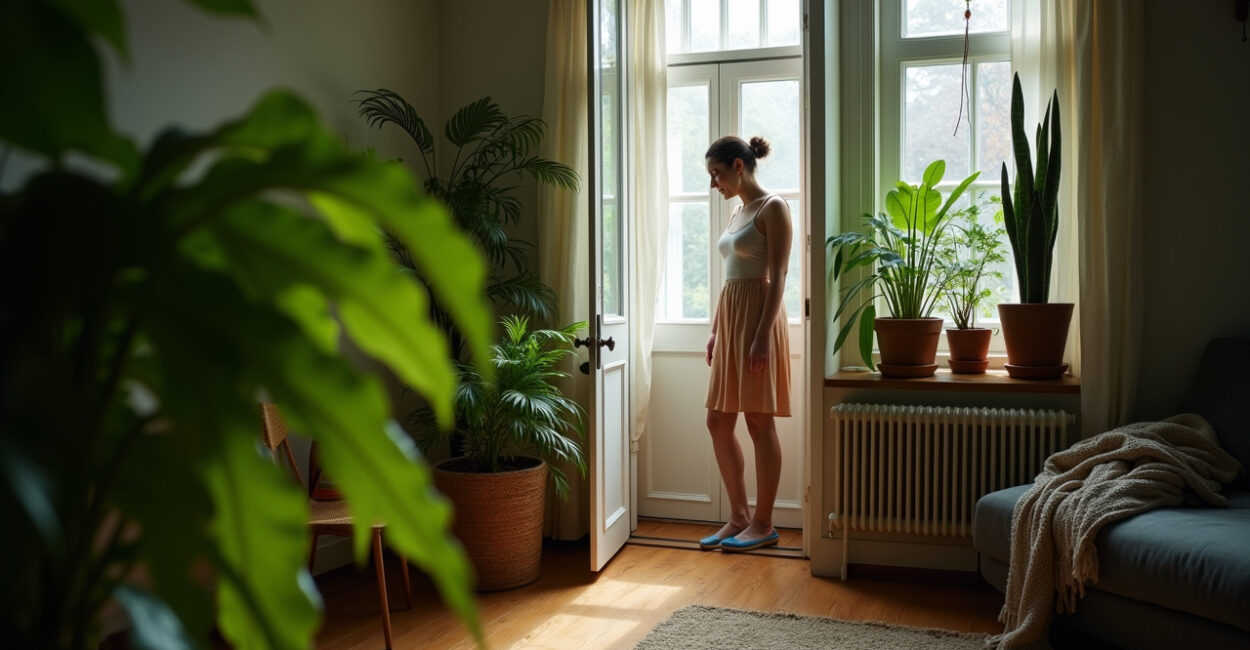
She moved a fern into the darkest corner of her apartment and forgot about it for nine months—then visitors asked if she’d hired a landscaper. That’s the kind of small miracle low-light plants can pull off. No sun-soaked bay windows, no grow lights at dawn: just the right species, the right spot, and a few sharp habits. If you want a lush-looking home that actually survives a north-facing room, read on—fast, practical tips start now.
The Surprising Houseplants That Love Low-light and Why
Some plants actively prefer shade. Snake plant (Sansevieria), ZZ plant (Zamioculcas), and pothos don’t sulk in dim corners—they thrive. Low-light doesn’t mean no light; it means less direct sunlight and more diffuse, indirect light. These species evolved under forest canopies or on rocky ledges. They store water, slow growth, and make the most of weak beams. Place them in true low-light spots and they still photosynthesize—just more slowly.
Placement Rules That Turn Any Dim Room Into a Green Room
Placement beats brute force. Think layered light rather than one bright window. A plant near a north window, but angled toward a door that opens to light, will do better than one tucked behind a sofa. Rotate pots every two weeks so leaves get even light. Grouping plants creates a microclimate: humidity rises, drafts drop, and even low-light species look fuller. Low-light works best when you consider reflections from walls and floors—light-colored walls help a lot.

Daily Care Tweaks That Keep Low-light Plants Thriving
Watering mistakes kill more low-light plants than darkness. In dim conditions, soil dries slowly. Water less and check soil moisture with your finger. Fertilize sparingly—once every 8–10 weeks in growing season—because low-light plants use nutrients slowly. Dust leaves regularly so they can absorb every photon. And avoid constant cold drafts; these plants like steady, room-temperature air. Small habits, big results.
Common Mistakes That Make Low-light Plants Sulk (and How to Avoid Them)
People overcompensate: they flood, overfeed, or move plants to the sunniest spot where foliage burns. Avoid these errors:
- Overwatering: water only when top 1–2 inches of soil are dry.
- Wrong pots: heavy, non-draining containers hold excess moisture—use terra cotta or pots with drainage.
- Ignoring light direction: a low-light plant can still get too much midday sun if placed incorrectly.
Fix these three and most low-light failures reverse within weeks.

A Quick Before/after Comparison That Reveals the Truth
Expectation: Move a fern from a bright ledge to a dark hallway and watch it die. Reality: Move a fern or a ZZ to a low-light spot and reduce water—it will slow growth and stay healthy for months. The real transformation is about care, not light volume. In a small trial, plants kept in moderate indirect light with reduced watering stayed green for 10 months, while identical plants in bright light but overwatered developed root rot in weeks.
Low-light Styling: Placement Tips That Look Intentional, Not Neglected
Design with purpose. Use varying heights, pots with texture, and reflective surfaces to amplify weak light. A tall snake plant beside a matte wall reads modern; trailing pothos on a shelf softens corners. Add a mirror opposite a window to bounce light. Even a single spotlight on a dark shelf can simulate useful diffuse light without ruining the low-light vibe. Styling tricks keep rooms looking curated, not like a failed jungle experiment.
Resources and Science-backed Confidence
If you want deeper reading, the Royal Horticultural Society has practical plant profiles and care tips, and university extensions offer detailed guides on watering and soil. Royal Horticultural Society plant profiles and the University of Minnesota Extension are solid, research-backed starting points. Science shows that many houseplants can adapt to low-light by slowing growth and reallocating resources—our job is to support them, not force them.
Ready to make that dark hallway, bathroom, or north-facing studio feel alive? Pick resilient species, water with restraint, and place with intention. Bright windows are great—but they aren’t required.
How Often Should I Water Low-light Houseplants?
Watering frequency depends on species, pot size, and temperature, but in low-light conditions most houseplants need water only when the top 1–2 inches of soil are dry. Check with your finger or a moisture meter. In winter, watering can drop to once every 3–6 weeks for slow growers like ZZ plants. Overwatering is the biggest risk—root rot hides under healthy-looking leaves at first. Always ensure pots have drainage and empty saucers after watering to avoid standing water.
Can I Use Grow Lights in a Low-light Room?
Yes—grow lights are a safe way to boost light without moving plants. For low-light houseplants, low-intensity full-spectrum LED lights on a 10–12 hour timer mimic natural daylight. Keep fixtures 12–18 inches above foliage to avoid heat stress. Grow lights are especially useful in basements or north-facing rooms where natural light never rises above a certain level. They let you place plants where you want them while providing the photons the plants need to stay healthy and green.
Which Soil and Pot Types Work Best for Low-light Plants?
Choose well-draining mixes and pots with drainage holes. Many low-light species prefer airy soil that prevents waterlogging—mix potting soil with perlite or coarse sand for better drainage. Terra cotta pots help wick excess moisture and are often a better match than glazed pots for slower-drying conditions. Avoid heavy soils that compact. A slightly coarser, lighter mix reduces root rot risk and means you can water less often without stressing the plant.
How Can I Tell If a Plant is Suffering from Too Little Light?
Signs of light deprivation include leggy growth, long gaps between leaves, pale or yellowing foliage, and slowed growth. Some plants lean toward the light source. If only the lower leaves die while new growth is weak, it’s likely light-related. Before throwing the plant out, try relocating it closer to indirect light, reduce watering, and rotate regularly. Often, the plant will rebound within a month if the issue is light and not pests or disease.
Are There Pet-safe Low-light Houseplants?
Yes—some low-light options are non-toxic to pets, but many popular choices like pothos and snake plant are toxic. Safer picks include certain ferns (like Boston fern) and the parlor palm, but always check species-level toxicity because varieties differ. If you have cats that nibble, place plants out of reach or use hanging planters. When in doubt, consult reliable sources such as the ASPCA database to verify a plant’s safety for dogs and cats before bringing it home.