Warning: Cannot modify header information - headers already sent in /home/u278635817/domains/myhousegarden.com/public_html/wp-content/plugins/artigosgpt/artigosgpt.php on line 28454
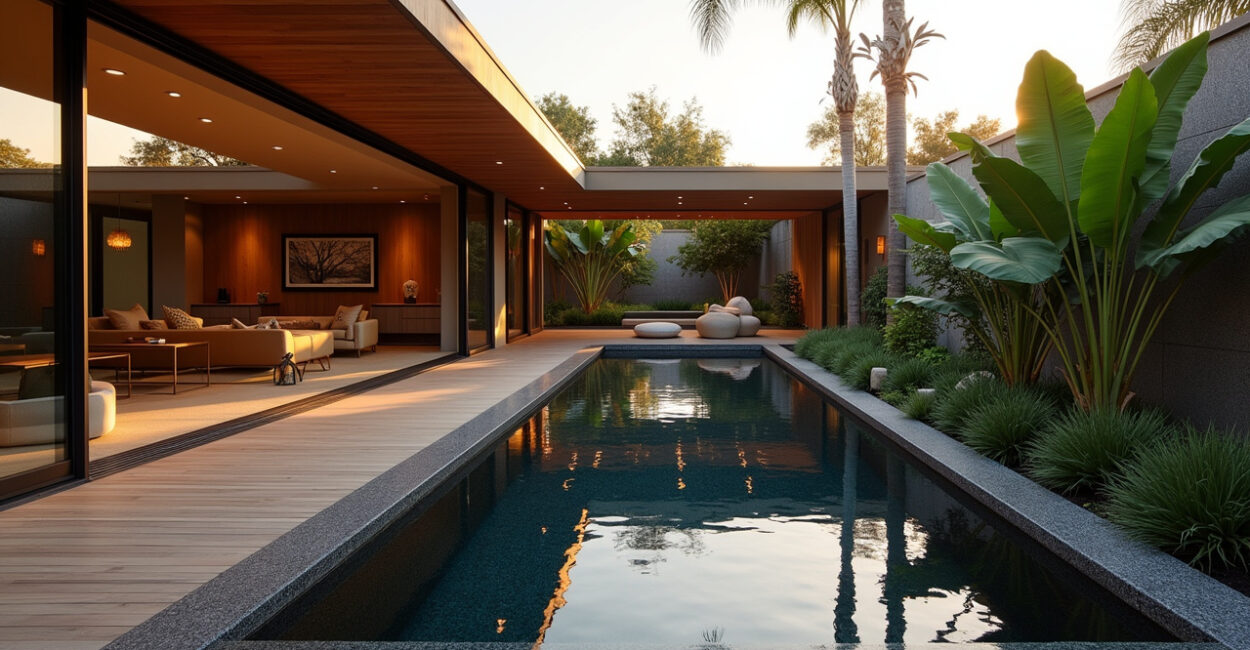
The sun hits a glass-edged basin and, for a moment, the backyard reads like a boutique hotel. That scene is what separates a house from a lifestyle—and yes, I’m talking about luxury pools. They change how a home feels, how you spend evenings, and how buyers value your property. If you’re planning one, you’ll want sharp design, realistic budgets, and a checklist of features that actually matter.
The Design Language That Makes a Pool Look Expensive
High-end pools don’t scream; they whisper elegance through proportion, materials, and lighting. Modern luxury pools favor clean lines, negative edges, and integration with the landscape. Think satin-finished stone, glass tiles, and hidden skimmers. A simple change—switching from blue plaster to a dark pebble aggregate—can turn a bright backyard pool into a reflective, mirror-like court. Luxury pools often blur indoor and outdoor living with floor-level transitions and large glazing walls that reflect water at night.
Why Infinity Edges Keep Selling—what They Actually Cost
Infinity or negative-edge pools feel cinematic. They create that horizon-less look that screams luxury pools. But the visual comes with technical work: extra excavation, a catch basin, and precise hydraulic balancing. Expect a 20–30% premium over a comparable non-infinity pool. For an upscale home, that often means adding $30,000–$100,000 depending on size and site complexity. Visual drama is cheap; the engineering behind it is not.
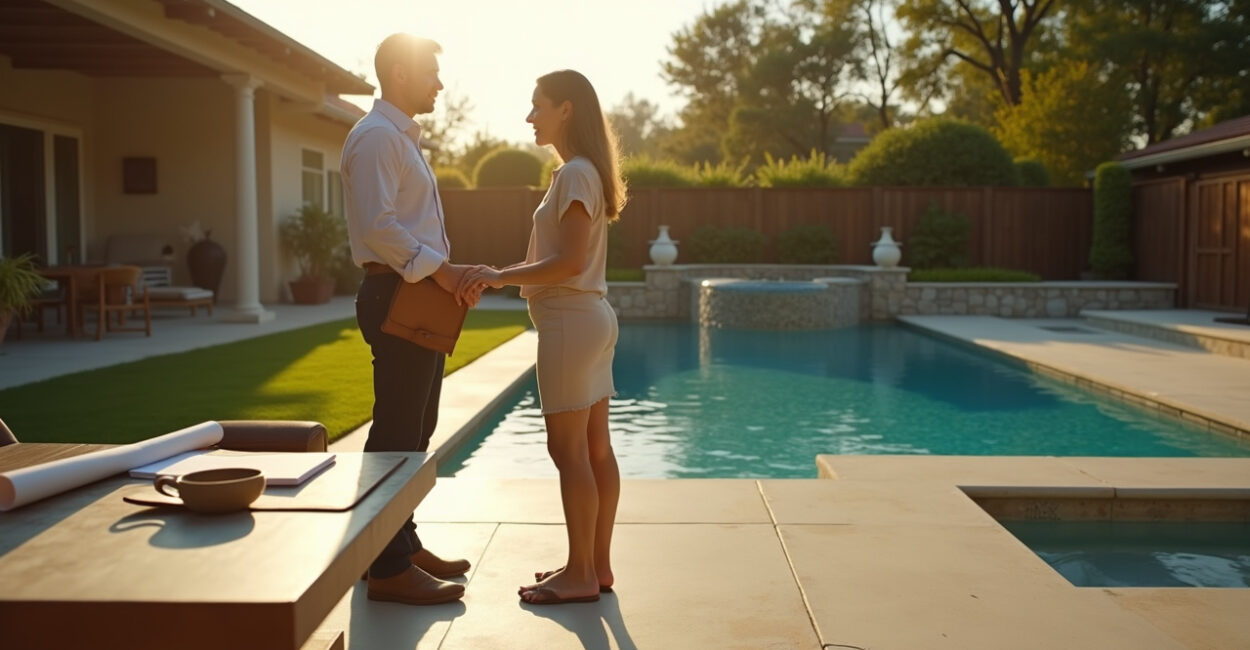
Cost Ranges Explained—realistic Budgets for Different Tiers
Numbers without context mislead. Here’s a clear frame for luxury pools, assuming high-end finishes and typical U.S. labor costs:
- Premium concrete gunite pool (50–60 ft, custom features): $150,000–$400,000+
- Resort-style with infinity edge, spa, and automation: $300,000–$800,000+
- Ultra-luxury projects (landscape overhaul, cabana, water features): $800,000–$2M+
If your budget starts under $150k, call it a well-made pool—not a luxury pool. Also factor 8–15% annual upkeep and higher insurance and permitting fees in historic or coastal zones.
Must-have Features That Actually Add Value (and Those That Don’t)
Not every flashy option returns value. Here are features you should choose—and what to avoid:
- Worth it: Automated chemical systems, variable-speed pumps, LED lighting, heated spa, shallow lounging shelf, robust drainage and fencing that meets code.
- Be cautious: High-maintenance waterfalls with thin stone veneers, overcomplicated tile mosaics that are easily damaged, exotic wood decking that warps.
Practical luxury beats over-the-top flair every time. Buyers notice low-maintenance tech and consistent finishes more than bespoke but fragile decor.
Common Mistakes People Make When Planning a Luxury Pool
Builders see the same errors again and again. Avoid these so your pool doesn’t become a regret.
- Underestimating drainage and grading—water can ruin hardscape and foundations.
- Skipping a proper site survey—hidden utilities or rock can triple costs.
- Choosing finishes by price, not durability—cheap tiles crack, grout stains.
- Forgetting landscape scale—tiny plantings feel lost next to a grand pool.
- Not budgeting for lighting and night use—luxury pools must perform after dark.
One bad decision on site prep can cost more than upgrading every finished surface.
How to Plan Your Project: Timeline, Team, and Approvals
Start with a site study and an experienced pool designer or landscape architect. A realistic timeline for a complex luxury pool runs 4–9 months from permit to finish. Steps to expect:
- Site survey and soil report
- Concept design and 3D visuals
- Engineering and permits
- Construction and MEP (mechanical, electrical, plumbing)
- Finishing, landscaping, commissioning
Hire a project manager or ask your builder for a strict timeline and penalties for delays. Also, check local codes—some zones need engineering stamped by a licensed civil engineer and approvals from HOA or city planning.
The ROI Question: Do Luxury Pools Raise Property Value?
Short answer: sometimes. A well-executed luxury pool can boost desirability and sale price in high-end markets. But a poorly placed or high-maintenance pool can scare buyers away. Think of the pool as an amenity for a lifestyle, not just an add-on to square footage. In sunbelt climates and luxury neighborhoods, buyers expect resort-style outdoor living; a thoughtfully designed luxury pool can tip the scales. For temperate markets, prioritize flexible design that works year-round and can be fenced off attractively.
Before you sign the first contract, imagine the evenings you want to spend there. If the design, engineering, and maintenance plan all align with that image, you’re on the right track. Otherwise, you might end up with a costly ornament that eats time and sleep.
Regret-proof your project: budget realistically, hire experienced pros, and choose durable finishes. Do that, and your luxury pool won’t just look expensive—it will elevate your daily life and your home’s market position.
How Much Does a High-end Pool Cost to Maintain Annually?
Annual maintenance for a luxury pool typically ranges from $2,500 to $8,000 depending on equipment, frequency of professional service, heating, and landscape. Automated chemical systems and variable-speed pumps reduce hands-on care but add electric costs. Heated pools raise bills significantly, especially in cooler climates. Expect extra costs for seasonal opening/closing, repairs to high-end features, and routine cleaning of elaborate water features. Budget a reserve of at least 5–10% of initial build cost each year for unexpected repairs and component replacement.
What Permits Are Usually Required for Building a Luxury Pool?
Permitting varies by jurisdiction, but most projects need a building permit, electrical permit, and possibly a plumbing permit. If the pool alters property drainage or uses retaining walls, you may need civil engineering approval. Historic districts and coastal zones can require additional environmental or floodplain permitting. An HOA may have separate design approvals. Early consultation with local planning offices and a qualified contractor prevents costly redesigns. Always verify setback rules, fence requirements, and pool barrier standards before finalizing plans.
Are Saltwater Systems Better Than Chlorine for Luxury Pools?
Saltwater systems create a gentler swimmer experience and often lower ongoing chemical handling, but they still produce chlorine on site and require maintenance. Salt can be corrosive to certain metals, so choose compatible fixtures and equipment. For luxury pools, salt systems pair well with automation for stable water chemistry. Consider a hybrid approach—UV or ozone secondary sanitation—to reduce chlorine demand further. The best choice balances swimmer comfort, equipment longevity, and your willingness to maintain water chemistry correctly.
Can a Luxury Pool Be Energy-efficient and Eco-friendly?
Yes. Modern luxury pools can be surprisingly efficient with the right choices: variable-speed pumps, heat pumps instead of gas heaters, smart automation, LED lighting, and solar thermal systems for heating. Using a pool cover cuts heat loss dramatically and reduces chemical use. Native landscaping and permeable paving help manage runoff. Planning for efficiency upfront costs more initially but reduces operating expenses and carbon footprint. Ask designers for life-cycle cost estimates so you can compare long-term savings against upfront investments.
How Do I Choose the Right Contractor for a Luxury Pool Project?
Pick a contractor with a proven portfolio of luxury pools, verifiable references, and proper licensing and insurance. Visit completed projects if possible. Ask about their in-house teams versus subcontractors, warranty terms, and how they handle unforeseen site issues. A skilled contractor will insist on a soil report, engineering, and detailed scopes for MEP systems. Get multiple bids but beware of lowball offers. The cheapest quote often cuts corners; for luxury pools, quality and communication matter most to protect your investment and timeline.
For permitting and safety standards, check your local building codes and resources such as CDC water safety guidance. For design and engineering best practices, industry standards and research from universities like Extension.org can be useful.