

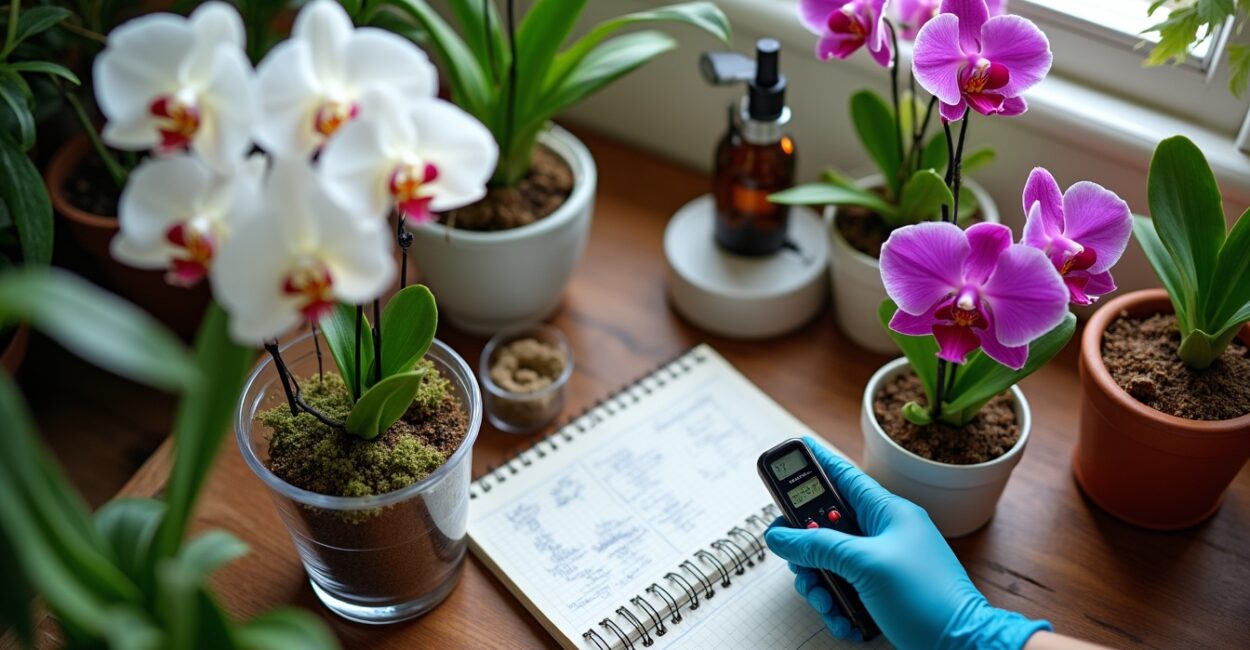
Orchids pour emotion into every petal, yet climate shifts now threaten their fragile world. From household Phalaenopsis to wild Cattleya, gardeners and scientists face drought stress and mold outbreaks.
This article explains why orchids matter, how warming trends harm them, and practical steps to protect beloved plants and wild populations. You’ll learn science-backed care, habitat strategies, and community actions to help orchids survive.
Read on for actionable tips, troubleshooting guidance, and a clear plan to safeguard orchids against drought, fungal threats, and changing seasons.
Meta description (reference): Climate shifts imperil orchids: learn how drought stress and mold outbreaks threaten Phalaenopsis and Cattleya, and discover practical steps to protect these fragile blooms.
Why orchids are uniquely vulnerable
Delicate water balance and roots
Orchids rely on specialized roots and precise moisture cycles. Many species, including Phalaenopsis, absorb humidity directly through aerial roots.
Climate change disrupts rainfall patterns and humidity, creating prolonged dry spells that stress roots and weaken plants.
Symbiosis with fungi and pollinators
Orchids form tight relationships with mycorrhizal fungi and specific pollinators. These partnerships are essential for seed germination and reproduction.
Shifts in temperature and precipitation destabilize these relationships, increasing vulnerability to disease and reproductive failure.
Signs of drought stress and mold in orchids
Leaf and pseudobulb symptoms
Leaves wrinkle, yellow, or become papery when orchids lack water. Pseudobulbs shrivel as reserves deplete during repeated dry periods.
Spot early changes to act quickly: vigor loss precedes irreversible damage in many orchid species.
Fungal outbreaks and mold cues
Mold appears as fuzzy growth on roots, potting media, or leaf bases. Excess humidity after drought episodes creates ideal conditions for pathogens.
Black rot and gray mold can spread rapidly, especially in poorly ventilated environments or compacted media.
- Increase airflow around plants daily.
- Inspect roots weekly for discoloration.
- Adjust watering to seasonal needs.
Practical care strategies to reduce risk
Watering adaptation and schedules
Adjust watering based on substrate and microclimate rather than a fixed routine. Orchids need cycles of moist and dry to thrive.
In drought-prone windows, increase humidity with trays and misting while avoiding prolonged leaf wetness.
Potting media and root health
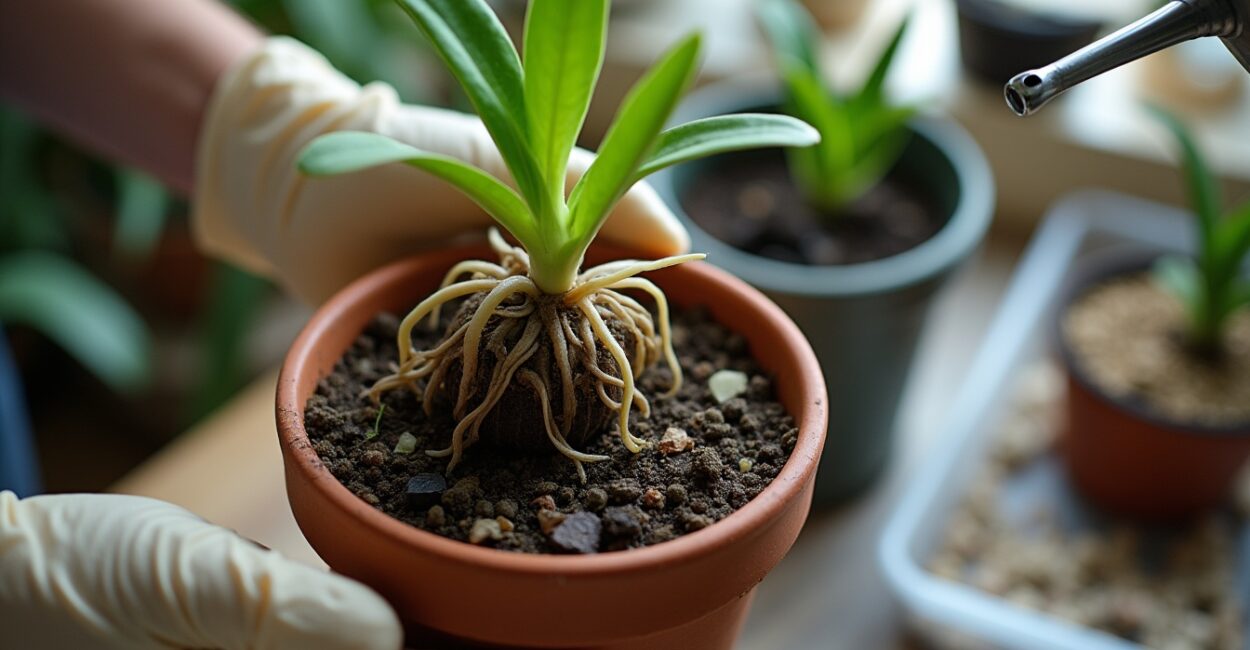
Use free-draining mixes like bark, charcoal, and sphagnum in balance to prevent waterlogging and root rot. Repot every 1–2 years.
Healthy root systems resist fungal invasion and better tolerate intermittent drought and heat stress.
Advanced prevention: monitoring, treatment, and tech
Early detection and proactive monitoring
Install hygrometers and moisture probes to track humidity and substrate water content. Data helps prevent both drought and prolonged wetness.
Document plant responses over weeks to refine care and catch fungal threats early.
Treatment protocols for mold and rot
Isolate infected plants, remove affected tissue, and apply targeted fungicides when necessary. Improve ventilation immediately and adjust watering.
Seek expert guidance for systemic infections and consider professional lab diagnosis for persistent outbreaks.
| Issue | Common species affected | Immediate action | Long-term fix |
|---|---|---|---|
| Drought stress | Phalaenopsis, Cattleya | Soak substrate; raise humidity | Adjust microclimate; mulched pots |
| Gray mold (Botrytis) | Phalaenopsis, Oncidium | Remove blooms; increase airflow | Reduce humidity spikes; sanitize |
| Root rot | Cattleya, Vanda | Repot with healthy roots | Improve drainage; use coarse media |
Community and conservation responses
Protecting wild orchid habitats
Conservationists map critical habitats, set aside reserves, and restore degraded areas to buffer climate impacts on orchids and pollinators.
Local action supports genetic diversity and helps plants adapt to shifting conditions over generations.
Citizen science and monitoring
Gardeners and volunteers can record bloom times, drought responses, and disease outbreaks to inform larger climate studies and conservation plans.
Data from communities enhances research and encourages practical, scalable solutions for orchid survival.
- Document unusual bloom or disease events immediately.
- Upload observations to community science platforms.
- Isolate affected plants and treat risks.
- Share corrective care steps with local groups.
- Support habitat protection initiatives.
How growers can future-proof collections
Selecting resilient varieties
Choose species and hybrids with broader tolerance for heat and variable moisture. Some hybrids inherit drought resilience from hardy parents.
Diversify collections to avoid losing entire holdings to a single stressor or pathogen.
Microclimate design and greenhouse tweaks
Install shade cloths, automated misting, and ventilations systems to smooth temperature and humidity swings while preventing leaf wetness.
Zoning within greenhouses lets growers tailor conditions to different orchid groups’ needs.
- Position heat-tolerant orchids in warmer zones.
- Use evaporative cooling sparingly during extreme heat.
- Monitor and repair seals to prevent pest entry.
Conclusion: hope and action for orchids
Orchids face growing pressure from climate-driven droughts and fungal outbreaks, yet informed care and collective conservation offer powerful defenses.
By combining attentive cultivation, monitoring, and habitat protection, growers and communities can help orchids persist and even thrive in changing climates.
FAQ
How does drought specifically harm Phalaenopsis and Cattleya?
Prolonged drought reduces stored water in pseudobulbs and weakens aerial roots, making Phalaenopsis and Cattleya less able to photosynthesize and resist pathogens. Drier tissues crack, offering entry points for fungi, and plants fail to produce healthy blooms and viable seeds, harming reproduction and aesthetics.
What immediate steps should I take if I spot mold on my orchid?
If mold appears, isolate the orchid and remove infected blooms or leaves with sterilized tools to prevent spread. Improve airflow and reduce humidity briefly, repot if roots are compromised, and apply an appropriate fungicide only after diagnosis and careful reading of instructions.
Can changing potting media help orchids survive climate shifts?
Yes. Switching to coarser, faster-draining media reduces prolonged root wetness after heavy humidity events and prevents rot. Combine bark, charcoal, and perlite or use better-draining sphagnum blends to balance moisture retention during droughts while avoiding waterlogging after rains.
Are there orchids naturally more tolerant to heat and drought?
Certain species from seasonally dry habitats have evolved drought tolerance, featuring thicker leaves, pseudobulbs, or deep roots. Selecting these or hybrids derived from them can build resilience into collections while preserving aesthetic diversity and reducing emergency interventions during heatwaves.
How can citizen scientists contribute to orchid conservation?
Gardeners can log bloom times, disease outbreaks, and mortality events on platforms like iNaturalist to help researchers map climate impacts. Sharing photos, dates, and precise locations supports large-scale analyses and helps conservationists prioritize interventions where orchids are most at risk.
Sources and further reading: Royal Botanic Gardens, Kew (kew.org), NOAA climate resources (noaa.gov), and the Royal Horticultural Society (rhs.org.uk).