Warning: Cannot modify header information - headers already sent in /home/u278635817/domains/myhousegarden.com/public_html/wp-content/plugins/artigosgpt/artigosgpt.php on line 28454
The blue of a mansion pool can feel like a painting or a liability the minute maintenance bills arrive. Choose the wrong finish and your elegant water feature becomes a budget leak. Choose the right one and it elevates the whole property — visually and financially. Here I compare marble, glass tile, and concrete finishes so you can pick the Pool materials that match your style, patience, and wallet.
The Immediate Wow: How Each Finish Looks the Moment You Open the Gate
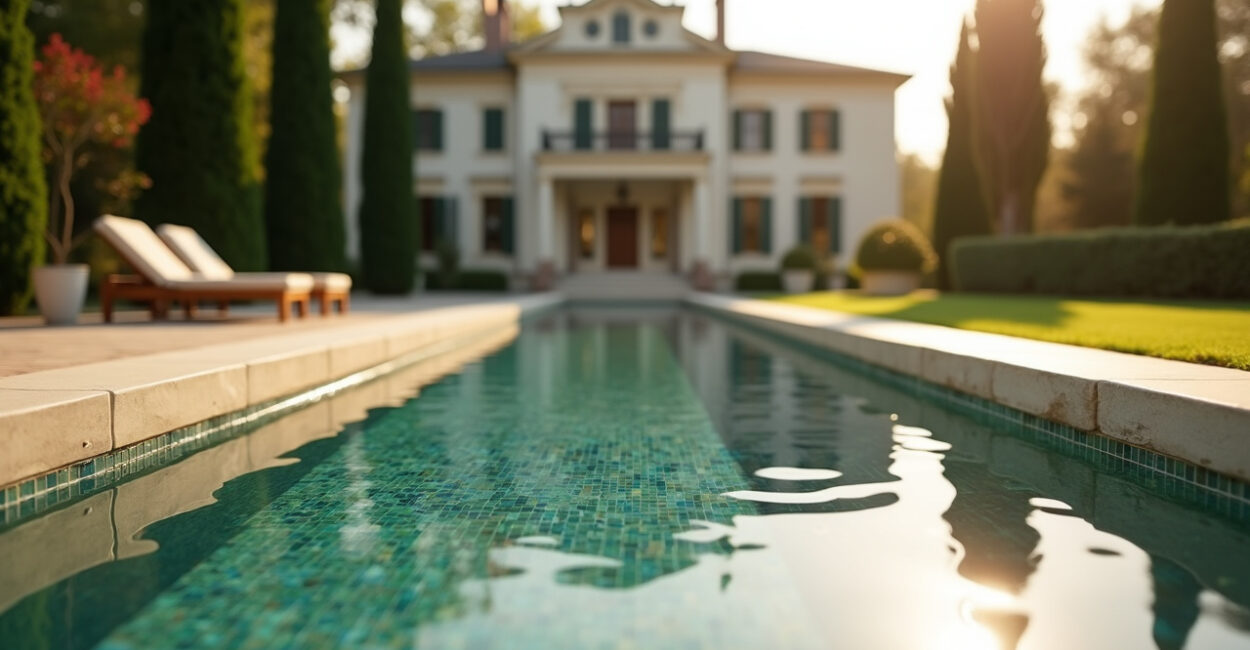
Marble reads like couture, glass tile like a jewel, and concrete like modern minimalism. Marble gives soft, luminous light with subtle veining. Glass tile snaps when sunlight hits it — deep blues, iridescent greens, tiny mosaics that glitter. Concrete is a chameleon: plaster, aggregate, or polished can all change tone and texture. For Pool materials, appearance isn’t just color — it’s how the finish ages under sun and swimmers. If you want instant drama, glass tile wins. If you want timeless sheen, marble wins.
What Lasts and What Flakes: Real-world Durability Tested by Time and Weather
Durability is where choices stop being pretty and start costing. Glass tile resists chemicals and UV better than most materials; marble is prone to etching and chips; concrete can crack if not reinforced. Pool materials face chlorine, salt, freeze-thaw cycles, and shifting soil. Glass tile grout is the usual weak link. Marble can develop surface dullness from pH swings and needs careful chemistry. Concrete needs joints and proper rebar to avoid structural issues. Expect different lifespans: glass tile 25+ years with care, marble 10–20 years depending on use, concrete 15–30 years if installed correctly.
The True Cost over 20 Years: Upfront Price Vs. Ongoing Bills
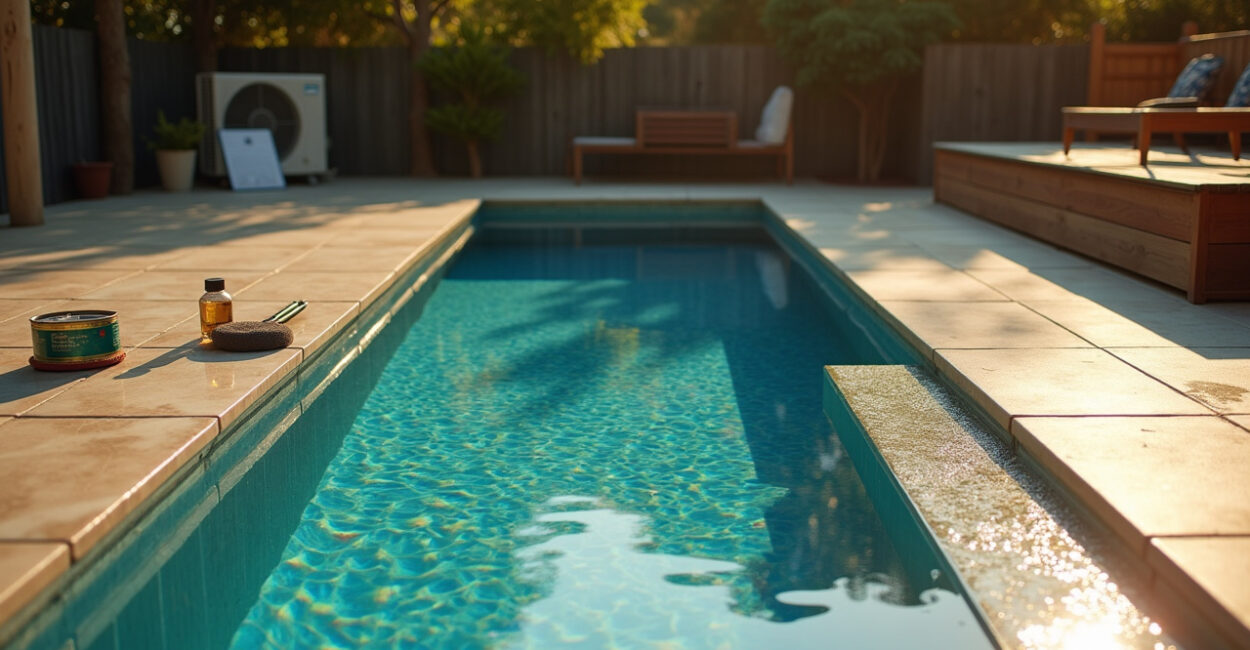
Sticker shock at install is normal, but long-term cost is the real story. Marble has a high upfront cost and moderate maintenance; glass tile is mid-to-high upfront with low chemical wear; concrete is low upfront but can demand big repairs. Rough rule of thumb:
- Marble: high install, medium annual maintenance (polishing, balancing) — predictable but costly.
- Glass tile: high install, low routine cost — grout and occasional tile repair only.
- Concrete: low install, variable long-term — resurfacing every 10–15 years can be expensive.
Maintenance That Eats Your Weekends (and Your Budget)
Maintenance tolerance should drive your choice. If you hate weekly fuss, glass tile is the most forgiving. Marble demands precise water chemistry and periodic polishing. Concrete finishes typically need acid washing, resurfacing, or replastering over time. Common maintenance tasks include grout sealing (glass tile), polishing and pH control (marble), and crack monitoring (concrete). Simple mistakes—wrong acid or pool cover—turn routine care into emergency repairs. Below are errors to avoid.
- Errors to avoid: using hard acids on marble; ignoring grout on glass tile; skipping expansion joints on concrete.
- Not budgeting for seasonal maintenance or for a proper heating/filtration system.
- Choosing ultra-slick finishes near pool edges — slip risk increases.
How Each Finish Affects Water Color and Light — The Sensory Truth
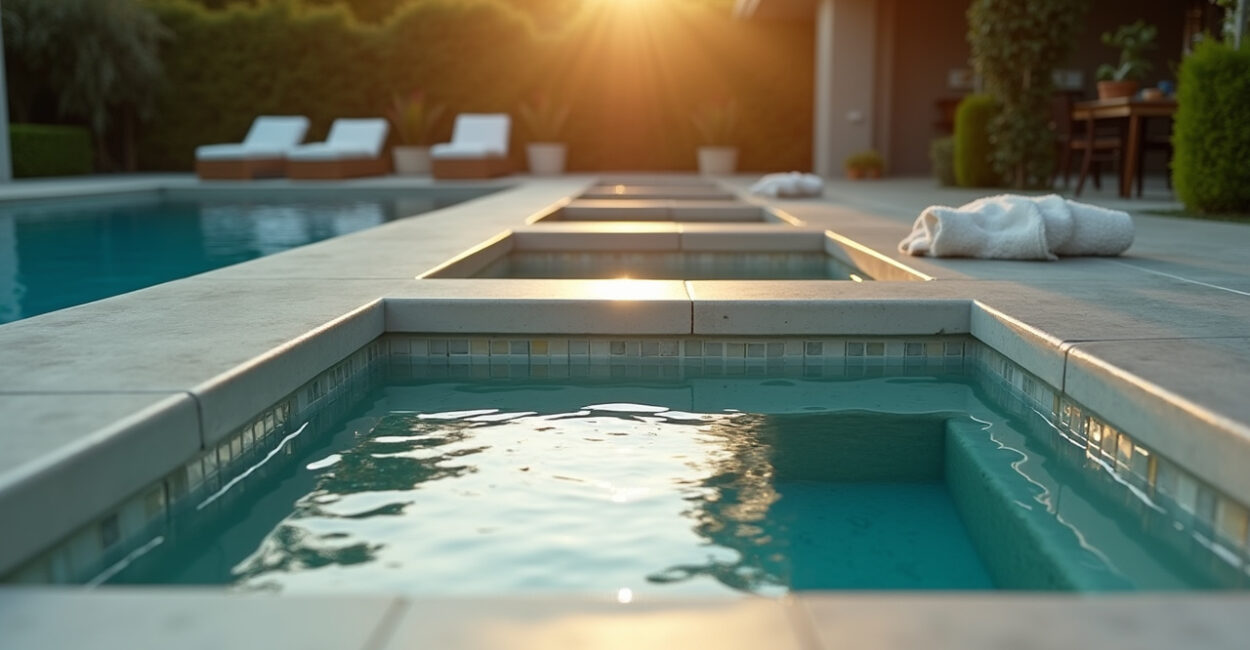
Water color is a design tool. Marble softens color and reads as a pale, elegant blue; glass tile deepens blues and can read emerald or midnight; concrete tones depend on aggregate and pigment. For Pool materials, reflectivity matters: glossy glass tile throws sparkles and depth. Marble gives a more diffuse glow. Concrete can be muted or surprisingly dramatic if you use dark aggregates or metallics. If you want hotel-like sparkle, pick glass tile. If you want a lagoon, consider darker marble or pigmented concrete.
A Surprising Comparison: Expectation Vs. Reality When Estates Test These Finishes
Expectation: marble = forever luxury, glass tile = maintenance nightmare, concrete = cheap. Reality: glass tile often outlives marble in high-chemistry pools, and concrete, when engineered, can be the most resilient. I visited a coastal estate where marble pools dulled in five years under salt air. The neighbor’s glass tile pool kept its glow for 12 years with less work. That flips the common wisdom. For Pool materials, environment and installer skill often matter more than the chosen surface.
Choosing Based on Lifestyle: Which Finish Matches Your Tolerance and Goals
Your lifestyle decides more than price tags. Choose glass tile if you want low weekly care and maximum sparkle; choose marble if you want high-end elegance and can afford specialized maintenance; choose concrete if you want flexibility, lower upfront cost, and accept periodic resurfacing. Consider:
- Entertainer who hates upkeep: glass tile.
- Collector building a showpiece: marble, with a strict maintenance plan.
- Someone wanting custom shapes and textures: concrete with professional engineering.
If you want numbers and standards, the National Association of Home Builders has guidance on pool construction best practices, and university research on material longevity can help model long-term costs. For structural data on concrete and reinforcement, check engineering resources from state universities and government building codes to avoid costly mistakes.
National Association of Home Builders offers practical construction standards, and the U.S. Department of Energy has resources on pool energy use that affect lifetime costs.
Pick a finish that fits your calendar as much as your style. A pool should be a pleasure, not a liability. Let your daily tolerance for maintenance steer the choice; the right Pool materials will make that decision feel obvious.
How Long Will Marble Last in a Mansion Pool?
Marble in a pool typically lasts 10–20 years before noticeable wear, depending on water chemistry and environment. Coastal salt air and aggressive sanitizers speed surface etching and loss of sheen. Regular maintenance — strict pH control, gentle polishing, and sealing — can push marble toward the higher end of that range. However, heavy use or poor chemical balance may require localized repairs or resurfacing sooner. Budget for professional care to keep marble looking like new longer.
Can Glass Tile Handle a Heated, Saltwater Pool?
Yes. Glass tile is well-suited to heated, saltwater pools because it resists UV and chemical breakdown better than many surfaces. The main vulnerability is grout, which must be high-quality, sealed, and periodically inspected. With proper installation and maintenance, glass tile can easily last 20–30 years even in heated or salt systems. Regularly check and reseal grout lines and replace any cracked tiles promptly to avoid larger water-infiltration issues.
Will Concrete Finish Crack, and How Expensive Are Repairs?
Concrete can crack, especially if the slab shifts, was under-reinforced, or lacks proper expansion joints. Small hairline cracks are common and often cosmetic, but structural cracks may require significant repairs. Resurfacing a concrete pool typically occurs every 10–15 years and costs vary widely by region and finish type; you should budget several thousand to tens of thousands of dollars. Proper initial engineering, good drainage, and scheduled inspections reduce the odds of major repair costs.
Which Finish Gives the Best Resale Value for Luxury Homes?
Glass tile and high-quality marble finishes generally add perceived luxury and can boost resale appeal, but value depends on execution. A beautifully installed glass tile pool that needs little upkeep may attract buyers more than an ornate marble pool that looks worn. Concrete with a bespoke, high-end finish can also be a selling point if maintained. Buyers notice durability and ongoing costs, so the best resale pick balances aesthetics with realistic upkeep demands.
What Common Mistakes Do Homeowners Make When Choosing Pool Materials?
Common mistakes include picking finishes solely on images, underestimating local climate effects, ignoring installer skill, and skipping long-term maintenance costs. Another error is not planning for proper water chemistry management; marble demands tight pH control, glass tile needs grout care, and concrete requires joints and reinforcement. Failing to account for these factors turns a beautiful pool into an expensive headache. Always consult experienced contractors and factor 20-year costs into decisions.