

Pots: Choose the Right Container to Prevent Root Problems
Discover how the right plant pots can revive your wilting plants and boost root health. Learn the secret to thriving greenery—click to read more!
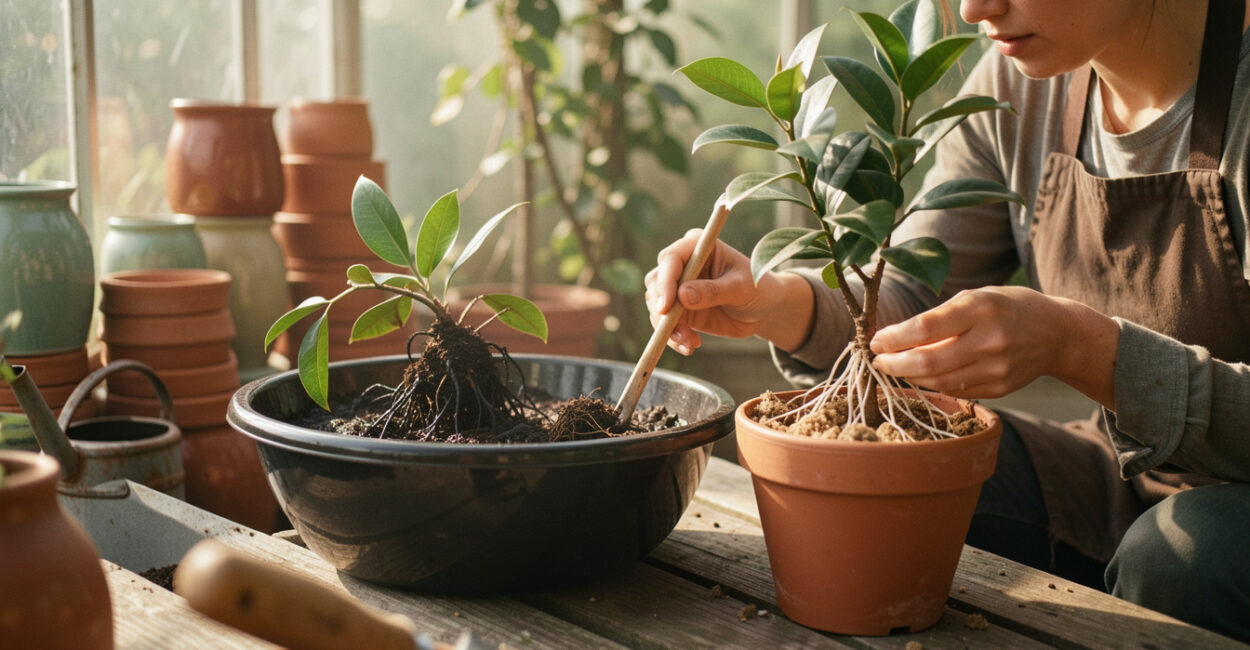
It started with a soggy pot and a wilted ficus. The soil smelled like a pond. I almost threw the plant away. Then I changed the container — not the fertilizer, not the light — and the roots woke up. Pots can do that: they steal health or give it back. If you care about plants, this is the single tool you’ve probably overlooked.
Why the Wrong Pot Kills Roots Faster Than Forgetful Watering
Bad pots suffocate roots quietly. A deep plastic bowl with no drainage holds water like a bathtub. Roots rot, fungi move in, and the plant looks fine until it’s not. Pots dictate oxygen, temperature swings, and how quickly soil dries. Even the same soil behaves differently in terracotta versus glazed ceramic. Think of a pot as part of the plant’s lungs and coat. Change the pot and you change airflow, moisture cycles, and root behavior instantly.
The Size Rule: When Bigger is Worse (and When Bigger Saves It)
More space isn’t always better. Too-large pots let soil stay wet for days. Too-small pots bind roots and stunt growth. The trick: match root mass to pot volume. For fast-growing houseplants, up one pot size when roots circle the drainage hole. For slow growers, keep a snug pot to prevent overwatering. Size affects water retention and root oxygenation more than most people realize. Expect different behavior: the same plant in a 4″ and a 10″ pot will need radically different watering.

Materials Matter: Terracotta, Plastic, Ceramic and the Secret Each Hides
Each pot material changes the microclimate around roots. Terracotta breathes and cools; it wicks moisture and forces you to water more often. Plastic retains moisture and stays warm; great for picky moisture lovers. Glazed ceramic looks good and holds moisture but can trap salts. Concrete is heavy and cools soil. Pick a material to fix a problem, not because it looks nice. If a plant keeps overwatering problems, switch to terracotta. If a plant dries too fast, try plastic or glazed pots.
Drainage Design: The Tiny Detail That Saves Plants
Drainage holes are more than a single opening. Their size, number, and the pot’s internal shape determine how water moves. A single small hole can become clogged. Some modern pots rely on saucers or false bottoms — helpful for looks, dangerous for roots. Never trust with no exit path for water. Add coarse grit at the bottom only when you understand capillary action; it often makes wetness worse. A simple rule: ensure free flow out, and avoid traps where water pools.
Which Pots Help Water Management: Matching Container to Your Routine
Your schedule matters. If you forget watering, choose pots that hold moisture—glazed ceramic, plastic, or self-watering designs. If you water daily, terracotta can save you from root rot. Choose pots to suit how you care for plants, not the other way around. For vacation-proofing, self-watering planters with a reservoir extend watering intervals. For humidity-sensitive plants, shallow wide pots and bonsai-style containers help soil dry evenly and prevent cold, soggy roots.
Repotting: The Move That Can Resurrect a Struggling Plant
Repotting isn’t cosmetic. When roots rot, fresh soil and a better pot are often the cure. The trick: don’t immediately upsize. Remove dead roots, repot into slightly larger container with fresh, airy mix, and let the plant recover in filtered light. Repotting saves plants that look dead but still have viable root tips. If a plant is root-bound and slowly declining, a careful repot can restart growth in weeks, not months.
Common Mistakes and the Quick Fixes That Actually Work
People make the same pot mistakes over and over. Here’s what to avoid:
- Using too-large pots for small plants — fixes: downsize or use more porous medium.
- Ignoring drainage — fixes: add holes or use breathable pots.
- Assuming soil choice doesn’t matter — fixes: match soil to pot and plant.
- Rushing to repot during shock — fixes: trim roots, wait, then repot carefully.
For plant science and best drainage practices, see United States Botanic Garden guidance. For research on root oxygen and soil moisture, consult studies at Nature.
Choose the pot like a doctor choosing a cast: it must fit, protect, and let healing happen. The right container is not a detail. It’s the environment your plant lives in.
Think about the last time you blamed light or fertilizer for a dying plant. Maybe it was the pot. Try one small, deliberate swap before replacing the plant.
How Often Should I Repot Without Stressing the Plant?
Repotting frequency depends on growth rate and pot size. Most houseplants benefit from repotting every 12–24 months; fast growers may need it yearly. Look for signs: roots circling the drainage hole, soil that dries too quickly, or slow growth despite proper care. When repotting, move up only one pot size. Trim dead roots and refresh the soil. Avoid repotting during flowering or extreme stress. Gentle timing and small steps reduce shock and promote steady recovery.
Can I Fix Root Rot Without Changing the Pot?
Sometimes you can, but it’s harder. If root rot is minor, remove the plant, trim mushy roots, let the root ball dry, and replace some soil with fresh mix. Improve drainage and reduce watering frequency. However, if the existing pot traps moisture (no holes or non-breathable material), the problem will likely return. Changing to a more porous pot or adding proper drainage is often the fastest, most reliable cure. In short: possible, but changing the pot is usually better.
Are Self-watering Pots Bad for All Plants?
Self-watering pots are tools, not villains. They excel for plants that like steady moisture and for busy people. But for plants that require fast-draining soil—like succulents or many epiphytes—self-watering systems can cause rot. Use them with well-draining mixes and plants that tolerate moist roots. If you switch to a self-watering pot, check the reservoir and soil regularly. Adjust watering intervals and soil type to avoid chronic dampness and root problems.
What Pot Material is Best for Tropical Houseplants?
Tropical houseplants vary, but many do well in plastic or glazed ceramic because these materials retain moisture and warmth. Plants like monsteras and philodendrons prefer consistent moisture and benefit from non-porous pots. If you want more root airflow, terracotta works but requires more frequent watering. The best approach is to match pot material to your watering habits and the plant’s preference for moisture. Observe how the soil behaves after a week and adjust material if needed.
How Can I Tell When a Plant is Root-bound Versus Just Thirsty?
Root-bound plants show roots circling the pot, roots emerging from drainage holes, or soil that repels water. They may wilt quickly after watering and then recover—because the pot is full of roots, not soil. Thirsty plants evenly draw down moisture and perk up after a good soak. To check, gently slide the plant out: a root-bound specimen will hold its shape with little loose soil. If roots dominate the ball, it’s time for repotting and fresh soil to restore healthy growth.