Warning: Cannot modify header information - headers already sent in /home/u278635817/domains/myhousegarden.com/public_html/wp-content/plugins/artigosgpt/artigosgpt.php on line 28454
The first crocus pokes through thawed soil and suddenly your whole feed fills with garden envy. Seasonal Bulbs are the secret to that relentless parade of color — but timing is everything. Plant too early, and bulbs rot or stretch. Plant too late, and they bloom weak or not at all. This guide gives a calendar that times tulips, daffodils and more so your spring looks staged, not lucky. Read on and you’ll know exactly when, how deep, and how to layer for weeks of bloom.
When to Plant So Your Spring is a Rolling Show
Planting date beats luck every time. For reliable results, think backward from when you want blooms. Seasonal Bulbs like tulips and daffodils need a cold period; that means plant in fall when soil is 50–60°F and cooling. For most temperate zones, that’s September through November. For early spring color, plant earlier and choose early varieties. For a late, lingering finale, wait until the last possible fall planting date but don’t risk frost heaving.
The Depth and Spacing Rules No One Tells You (but Should)
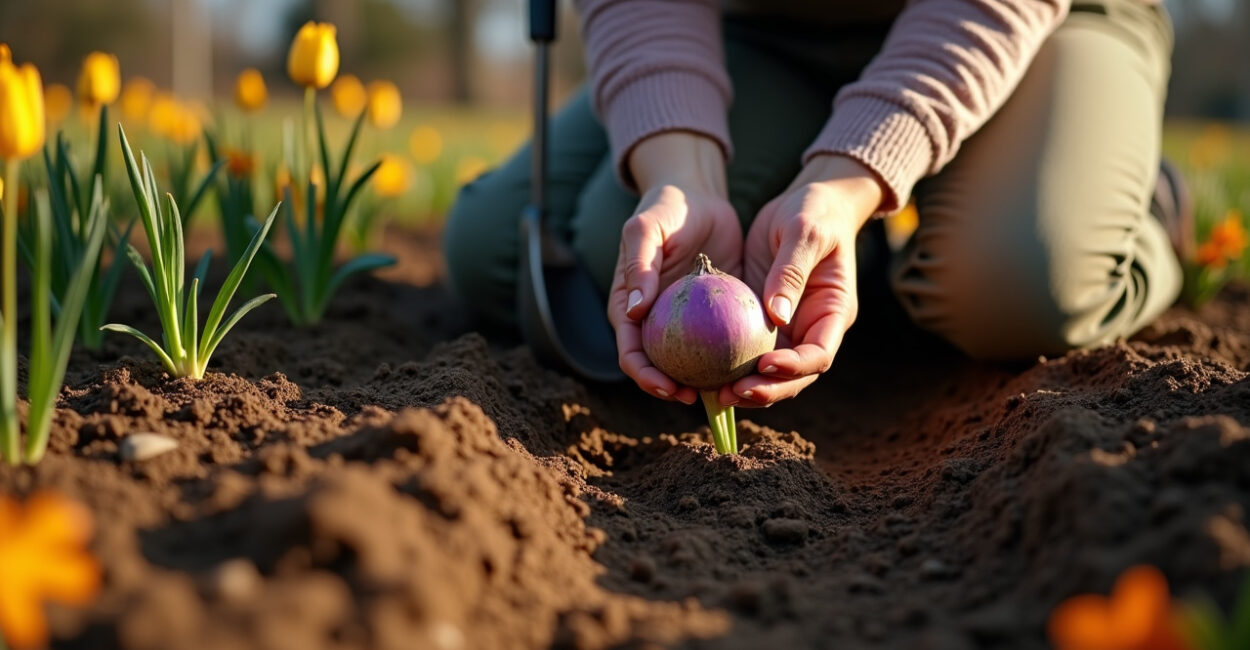
Depth determines vigor; spacing determines drama. As a rule: plant bulbs at about three times their height. A 2-inch bulb goes 6 inches deep. Tulips: 6–8 inches. Daffodils: 4–6 inches. Space depends on the effect — tight clusters (3–4 inches) give instant impact; wider spacing creates a natural drift. Seasonal Bulbs that are too shallow risk frost and drying. Too deep and emergence slows. Use a tape measure once, then muscle memory kicks in.

Layering Bulbs: How to Get Continuous Color from March to May
Layering is the difference between “nice” and “wow.” Stagger early, mid, and late varieties in the same bed. Plant crocus and snowdrops shallow and early; put tulips a bit deeper; reserve late daffodils and alliums for the deepest spots. Seasonal Bulbs planted in tiers produce overlapping blooms. Try a three-row approach: earliest in front (2–3 inches), mid in middle (4–6 inches), latest at back (6–8 inches). You’ll gain six weeks or more of color.
The Soil and Drainage Trick That Saves Bulbs from Rot
Bad drainage kills more bulbs than cold does. Bulbs need firm, crumbly soil that sheds excess water. If your garden holds water, plant in raised beds or add grit and organic matter. A handful of horticultural sand in each hole can prevent soggy rot. Seasonal Bulbs planted in poorly drained soil often rot before spring. Test by digging and filling a hole with water — if it puddles overnight, fix the drainage before planting.

Common Mistakes People Make with Seasonal Bulbs (and What to Avoid)
The biggest mistakes are avoidable and obvious once you see them.
- Planting bulbs face-up or too shallow — they won’t orient properly.
- Using fresh compost as the only backfill — it holds too much moisture.
- Cutting leaves at bloom end — leaves feed the bulb for next year.
- Mixing incompatible bulbs in the same depth — causes uneven flowering.
- Buying cheap, small bulbs for premium displays — size matters for bloom.
Seasonal Bulbs suffer from these errors all the time. Skip them and you’ll see stronger springs.
The Secret Watering and Feeding Schedule for Next-year Bloom
Water like a gardener, not like a caretaker. After planting, give bulbs a good soak to settle soil. Through winter, nature usually provides moisture; water only during prolonged dry spells. In spring, once shoots appear, feed with a balanced bulb fertilizer or bone meal at planting and again at first bloom. Seasonal Bulbs need energy after flowering; stop deadheading and let foliage yellow naturally — that stores sugars back in the bulb for next year.
Planting Calendar by Bulb: A Month-by-month Quick Guide
A simple calendar beats messy notes in your phone. Here’s a practical timetable you can follow. Adjust two weeks earlier in warm coastal areas and two weeks later in cold inland valleys. Seasonal Bulbs listed below are grouped by typical planting window.
| Bulb | Planting Window | Depth / Spacing |
|---|---|---|
| Crocus | Sep–Oct | 2–3 in / 3 in |
| Snowdrop | Sep–Nov | 3 in / 3 in |
| Daffodil | Sep–Nov | 4–6 in / 4–6 in |
| Tulip | Oct–Nov | 6–8 in / 4–6 in |
| Allium | Sep–Nov | 6–8 in / 6 in |
For zone-specific dates, check local extension services. The USDA and many university extension sites have planting guides that match regional climate patterns, which is a smart next step before you dig.
Comparison: Expectation Vs Reality — A Quick Before/after
Expectation: a flawless bed of identical tulips. Reality: a patchy mix where some bulbs fail. Why? Expectations often assume perfect soil, timing, and size. The reality is that bulbs vary by origin, storage, and soil microclimate. A simple fix: plant larger, healthy bulbs, mix early and late varieties, and improve soil structure. Seasonal Bulbs respond fast to small care differences. Think of bulbs like investment plants — small extra work pays out all spring.
One quick story: a neighbor planted store-bought tulips late and got sparse blooms his first year. He moved bulbs slightly deeper the next season, added grit, and mixed in early crocus. The following spring his strip of lawn looked like it had its own curated art show. That three-step shift — depth, grit, layering — is repeatable and cheap.
Want more depth on timing for your exact zone? Bookmark a local extension page and plan your fall weekend with a tape rule and good coffee. Planting Seasonal Bulbs well is the gardening move with the highest visual return per minute spent.
Sources: For planting dates and storage science, see USDA resources and research from university extensions such as Penn State Extension.
How Deep Should I Plant Tulips for My Region?
Plant tulips at roughly three times the height of the bulb, usually 6–8 inches deep. In colder regions plant toward the deeper side to protect against freeze-thaw cycles; in mild coastal areas you can plant slightly shallower but keep the three-times rule. Always firm the soil over the bulb to remove air pockets. If squirrels are an issue, use a bulb cage or plant under a layer of wire mesh and cover with soil. Proper depth promotes sturdy stems and larger blooms next spring.
Can I Plant Bulbs in Pots and Still Get Continuous Color?
Yes. Pots give you control over soil and drainage, so layering Seasonal Bulbs in a container is effective. Use an airy potting mix with grit, plant deepest bulbs first, and top with shallower varieties. Choose pots at least 12 inches deep for mixed displays. Keep containers near the wall or under eaves to avoid waterlogging. Move pots into cool storage briefly if your winter is unusually warm to ensure bulbs get enough chill hours before they break dormancy and bloom.
What Should I Do with Leaves After My Bulbs Finish Blooming?
Do not cut leaves until they yellow and wither naturally; foliage feeds the bulb for next year’s flower. You can tidy the bed by tying the leaves loosely or placing a decorative ring to hide them, then remove once they are fully dried. If you need to plant summer annuals in the same spot, wait to move bulbs only after foliage dies back. Leaving leaves too long can look messy but cutting too early starves bulbs and reduces blooms the following year.
Which Bulbs Are Best for Naturalizing a Lawn or Meadow?
Daffodils and crocus are top picks for naturalizing because they multiply and tolerate mowing after foliage dies back. Choose smaller varieties for a meadow look and plant in drifts rather than rows. Plant 3–4 inches deep for crocus and 4–6 inches for daffodils. Avoid tulips for long-term naturalizing; many garden tulips do not reliably multiply. Allow foliage to yellow in situ each year to let bulbs replenish energy and form larger clumps over seasons.
How Do I Protect Bulb Beds from Rodents and Deer?
Protect bulbs with physical barriers: hardware cloth or chicken wire laid flat over a bed will stop digging rodents, while buried wire cages protect individual bulbs. For deer, use strong smelling repellents or temporary fencing during emergence and bloom. Planting deterrent species like alliums among bulbs can reduce deer interest because of their pungent scent. Also choose larger, tougher bulbs and plant deeper; rodents are less likely to dig deeper or attack larger bulbs that offer less reward per effort.