Warning: Cannot modify header information - headers already sent in /home/u278635817/domains/myhousegarden.com/public_html/wp-content/plugins/artigosgpt/artigosgpt.php on line 28454
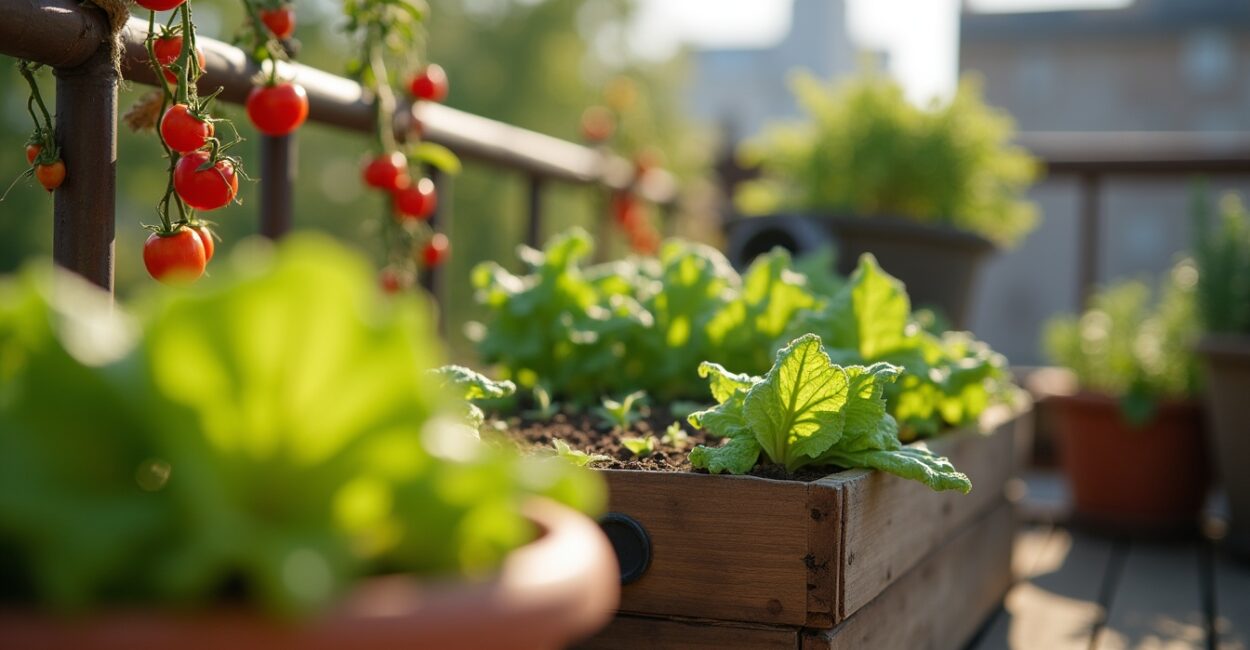
Imagine opening your balcony door in March and finding lettuce so tender it wages war with supermarket greens, then, in July, a cluster of cherry tomatoes dangling like holiday ornaments. That’s the promise of seasonal container veggies—plants chosen and timed so your small space produces across the year. The trick isn’t magic; it’s planning, variety choice, and a few climate-smart moves that stretch harvests and keep surprises coming every month.
Which Varieties Actually Produce Across Changing Months?
Not all vegetables are equal for a year-round rhythm. Some thrive in cool windows of spring and fall (lettuce, kale, radish); others demand summer heat (tomato, pepper, eggplant); a few tolerate winter if you add protection (kale, garlic, overwintering onions). Choose a mix: fast cool-season crops to fill gaps, long-season containers like determinate tomatoes for midsummer, and hardy greens to bridge into colder months. This staggered approach is the backbone of continuous harvesting.
The Planting Calendar That Compact Growers Swear By
Start by mapping your climate: frost dates, typical highs, and low winter temps. Then schedule three planting waves—early cool-season, main summer crops, and late-season/overwinter—to overlap harvests instead of gaps. Overlap is the secret: plant a second lettuce set when the first is half-done. Use seed packets for days-to-harvest and shift timing by 2–3 weeks in containers because they warm and cool faster than garden beds.
Container Choices and Soil Tricks That Double Yields
Size matters: deeper pots support roots, wider pots support multiple plants. Use a high-quality potting mix with compost and slow-release fertilizer, and consider adding moisture-retentive amendments in hot months. Containers let you manage microclimates—move pots into shade in heatwaves, or closer to a sunny wall in spring.
- Use 5–10 gallon pots for tomatoes and peppers.
- Shallow trays work for leaf greens and radishes.
- Self-watering containers reduce drought stress and steady production.
Climate-smart Tips: Extend Harvests Without Drama
Small changes yield big results: row covers add 6–10°F; reflective mulch warms roots early; shade cloth prevents bolting in late spring. One surprising move is using thermal mass—place water-filled jugs near pots to stabilize night temps. These low-tech hacks push season limits and protect fragile crops during extreme swings. For authoritative frost and planting guidance, check resources like the USDA planting calendar or your state extension’s guidelines—both offer location-specific timing and best practices.
See more planting dates and frost-zone tips from the USDA and local advice at a land-grant university extension such as Penn State Extension.
Expectation Vs. Reality: A Surprising Comparison
Expectation: a full harvest from every pot, nonstop. Reality: containers fluctuate—heat can halve lettuce yields, while a single well-placed pot of basil can give you pesto for months. Compare a neglected 10″ pot to a tended 10″ pot filled with the same seeds—a dramatic difference in yield and timing. The mental shift is treating containers like small shifts of crops, not permanent monocultures. Rotate crops and refresh soil between seasons to avoid nutrient drag and disease buildup.
Common Mistakes to Avoid (so You Don’t Lose Months of Harvest)
People sabotage their own success with a few avoidable errors. Avoid these:
- Overcrowding—crowded roots mean stressed plants and tiny yields.
- Wrong pot size—shallow pots for deep-rooted crops kill productivity.
- Ignoring water rhythms—containers need more frequent, smarter watering.
- One-size-fits-all fertilizing—heavy feeders need staged nutrients.
Steer clear of these and your seasonal container veggies will actually feel like a reliable food source, not a guilt-inducing hobby.
What Success Looks Like: A Quick, Real-life Three-line Scene
She woke at dawn, grabbed scissors, and clipped a bowl of mixed greens—baby kale, sorrel, and a few snap peas—still dewy. By July, the same balcony held pint-sized tomatoes and a basil tower. Come November, a down jacket and a row cover kept the overwintering leeks alive. That rotation—tiny, timed, and intentional—is how small-space growers turn limited room into nearly year-round food.
Planting seasonal container veggies isn’t a single trick; it’s choreography: the right varieties, timed sowing, container choice, and climate smarts. Do that and your balcony becomes a calendar you harvest from, month after month.
How Do I Choose Which Vegetables to Plant First in Containers?
Start with fast, forgiving crops that give quick wins: leaf lettuce, radishes, spinach, and herbs like cilantro and basil. These crops mature quickly and help you learn container rhythms—watering needs, sunlight patterns, and pest management—within a few weeks. Simultaneously, plan one longer-season plant such as a determinate tomato or pepper in a larger pot so you have staggered harvests. Also factor in your local frost dates: plant cool-season crops before the heat and heat-lovers after the last frost.
Can I Really Grow Tomatoes and Peppers on a Small Balcony Year-round?
Tomatoes and peppers are seasonal by nature but can be extended with strategy: choose compact or patio varieties, use 5–10 gallon containers, and employ season-extension tools like reflective walls or lightweight cloches. In mild climates you can overwinter certain pepper varieties indoors under grow lights; otherwise, treat them as long-season summer crops and replace with cool-season greens afterward. Success hinges on watering consistency, good airflow, and feeding—containers need regular, balanced nutrients throughout the production span.
What Are the Best Winter Crops for Containers in Colder Climates?
In colder zones, hardy greens and alliums are your winter heroes: kale, chard, collards, winter lettuces, garlic (planted in fall), and overwintering onions. Use insulated containers, cloches, or cold frames to reduce freeze-thaw cycles. Some cold-tolerant roots like carrots and beets can survive with mulching and protection. The key is to choose varieties labeled cold-hardy, keep soil slightly warmer than ambient with thermal mass, and accept slower growth rather than expecting full summer productivity.
How Often Should I Fertilize Container Vegetables to Keep Harvests Steady?
Containers deplete nutrients faster than ground beds, so a steady plan helps: start with a nutrient-rich potting mix and a balanced slow-release fertilizer at planting. Supplement with liquid feed every 2–4 weeks during active growth—more often for heavy feeders like tomatoes and less for light feeders like herbs. Watch plants: pale leaves or slow growth usually mean feeding time. Flush salts lightly once a month if using concentrated fertilizers or hard water to avoid buildup in the root zone.
What Pests and Diseases Are Most Common in Container Gardening and How Do I Prevent Them?
Pests and diseases in containers mirror garden beds but can escalate quickly in tight spaces: aphids, spider mites, fungus gnats, and powdery mildew are common. Prevention beats cure: use fresh, sterile potting mix, avoid overwatering (which invites fungus gnats), promote airflow between pots, and inspect plants weekly. Introduce beneficials like ladybugs or use insecticidal soap for outbreaks. Rotate crop families seasonally to reduce soil-borne disease risk and sanitize containers between plantings.