
Warning: Cannot modify header information - headers already sent in /home/u278635817/domains/myhousegarden.com/public_html/wp-content/plugins/artigosgpt/artigosgpt.php on line 28454
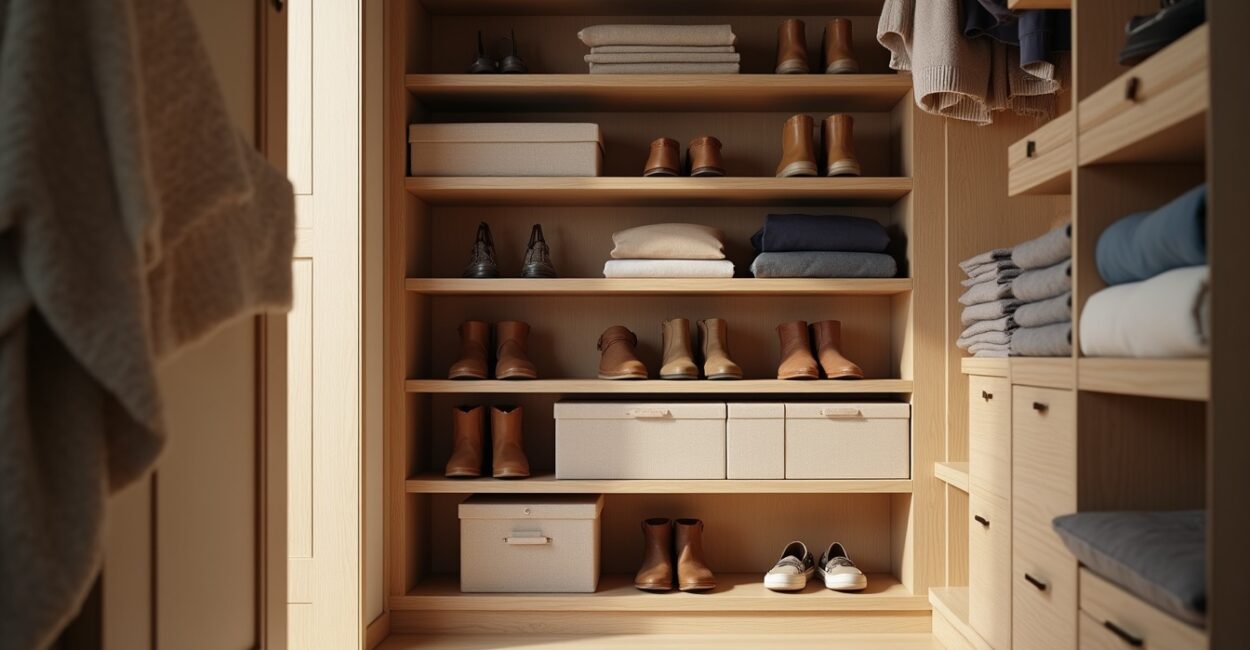
The back of your closet looks like a shoe explosion: boxes piled, heels crushed, and the boots you loved last winter buried under sandals. For anyone rotating footwear by season, smart shoe storage isn’t a luxury—it’s the difference between keeping expensive pairs pristine or watching them sag, scuff, and collect mold before their time. Here’s how to protect investment shoes, reclaim floor space, and have every style ready the moment weather flips.
Why Seasonal Rotation Saves You Money (and What Most People Get Wrong)
Rotating shoes seasonally extends their lifespan dramatically—especially for leather, suede, and delicate construction like welted soles. Treating shoes like clothing you rotate prevents constant wear patterns and lets materials rest and reabsorb oils. Most people shove everything onto one shelf or stack boxes, which locks in moisture and pressure points. Instead, store out-of-season pairs in breathable containers and use shoe trees for leather. The payoff: fewer resoles, fewer repairs, and shoes that still look new when you bring them back out.
The Space-saving Systems That Actually Work in Small Closets
Not all space-savers are equal. Wall-mounted racks and over-the-door organizers reclaim vertical real estate; clear pull-out boxes turn stacks into a visible library of footwear. Think vertical first: floor space is precious; height is free. Try a shallow shoe shelf for sneakers and a slim cedar rack for boots. For closets under 4 feet wide, consider under-bed drawers or rolling crates—both keep shoes accessible and out of sight. The result: neat sightlines and no more wrestling with a mountain of mismatched boxes.
Storage Options by Shoe Type: Match the Method to the Material
Different shoes demand different homes. Boots love boot shapers and upright space; sneakers are happiest in ventilated boxes; leather dress shoes need cedar shoe trees and low humidity; suede requires breathable dust bags. Choosing the right container is as important as choosing the shoe itself. Use acid-free tissue for patent or delicate finishes, and separate pairs with felt dividers to prevent scuffs. A quick rule: if the shoe has structured leather, give it form and air; if it’s foam or knit, keep it dry and flat.
Boxes Vs. Racks Vs. Clear Bins: A Practical Comparison
Expectation: clear bins are perfect. Reality: they trap moisture if you seal them. Expectation: racks show everything. Reality: dusty, exposed shoes degrade faster. Here’s the simple comparison that decides what you buy:
- Cardboard shoe boxes: cheap, breathable, use for short-term storage—stack carefully.
- Clear plastic bins: excellent for visibility; add silica packets and air occasionally.
- Open racks: best for everyday rotation; avoid for long-term storage of delicate leather.
- Fabric cubes/drawers: balance between protection and breathability.
Maintenance Rituals That Keep Seasonal Shoes Ready to Wear
Treat storage like a brief off-season training camp. Before packing: clean soles, spot-treat stains, condition leather, and stuff with tissue or shoe trees. Add cedar blocks or silica gel to control odor and moisture. A five-minute ritual when storing and one when retrieving prevents 80% of common degradation. Mark the box with the last treatment date. When you pull shoes out, inspect seams, resoles, and hardware—little fixes now avoid big repairs later.
Common Mistakes People Make (and the Fixes You Can Implement Tonight)
People often: 1) stack heavy on top of delicate shoes; 2) seal leather in airtight bins; 3) ignore moisture and odor; 4) skip preventative padding—these are the usual culprits. Fixes you can do tonight:
- Move delicate pairs to higher shelves or separate boxes.
- Add silica gel packets to any closed container.
- Use inexpensive cedar hangers or blocks for moisture and moth prevention.
- Rotate use—don’t wear the same dress shoe two days straight.
A Tiny Story That Explains Why Method Matters
She inherited a pair of vintage leather oxfords and, to save space, shoved them into a sealed bin. A year later they came out stuck together, the leather checked and dull. After switching to cedar-lined boxes and using shoe trees, she not only revived the shine but discovered the soles still had life left—enough to avoid an expensive resole. Proper storage didn’t just save the shoes; it saved the story attached to them.
For guidance on household allergens and mold prevention, refer to recommendations from public health resources like the U.S. Consumer Product Safety Commission. For care techniques tied to materials and fibers, university extension sites such as UC Agriculture & Natural Resources offer practical research-based tips.
Pick a system and make it ritual. The right storage setup doesn’t just organize shoes; it protects value, reduces waste, and makes getting dressed a small pleasure again.
How Often Should I Rotate Shoes During the Year?
Rotate shoes every 6–8 weeks for pairs you wear most, and perform a seasonal rotation twice a year for off-season items. Regular rotation prevents constant stress on the same areas, which reduces sole wear and preserves upper materials. For leather shoes, allow at least 48 hours between wears to let moisture and oils redistribute; high-intensity athletic shoes may need more frequent inspection and air-drying. A simple calendar reminder at seasonal change helps maintain the habit without overthinking it.
Are Clear Plastic Bins Bad for Leather and Suede?
Clear plastic bins are fine if you manage humidity and air circulation. The risk is trapping moisture and off-gassing, which can dull finishes and encourage mold. Use them with desiccant packets and avoid sealing them airtight for long-term storage. For suede, prefer breathable fabric bags or acid-free boxes to prevent color changes. If you must use plastic bins, cushion shoes and add a cedar block to absorb excess moisture—and check periodically so materials can “breathe.”
What Size Shoe Tree Should I Buy, and Are They Necessary?
Shoe trees are cheap insurance for structured leather footwear: they maintain shape, absorb moisture, and reduce creasing. Choose cedar trees sized to fill the shoe without stretching it—most manufacturers provide size charts. For narrow lasts, opt for slimmer models; for full-width dress shoes, go with full-size cedar trees. They’re not necessary for casual canvas slip-ons, but for any leather or welted shoe you plan to keep long-term, a good set of shoe trees will save you money on repairs and maintain appearance.
Can I Store Shoes in a Basement or Attic?
Avoid basements and attics unless the space is climate-controlled. Basements often carry high humidity, which invites mold and deterioration; attics can reach extreme heat that dries and cracks leather. If that’s your only option, use elevated shelving, airtight plastic bins with desiccants, and regular inspections. Ideally, choose a cool, dry closet with consistent temperature. Low-traffic areas inside the living space typically trump out-of-home storage for preserving shoe condition.
What Are Quick Fixes for Scuffs and Odors Before Storing?
Before storing, wipe away dirt, use a suede brush for nap, and apply a leather conditioner to nourish materials—avoid leaving residue. For odors, sprinkle baking soda inside and leave overnight, or use charcoal sachets for longer-term neutralization. For minor scuffs, color-matching cream polish restores appearance; heavier damage should be seen by a cobbler. Quick maintenance before packing means fewer surprises at the next season’s first wear and less chance of odors transferring between pairs.