Warning: Cannot modify header information - headers already sent in /home/u278635817/domains/myhousegarden.com/public_html/wp-content/plugins/artigosgpt/artigosgpt.php on line 28454
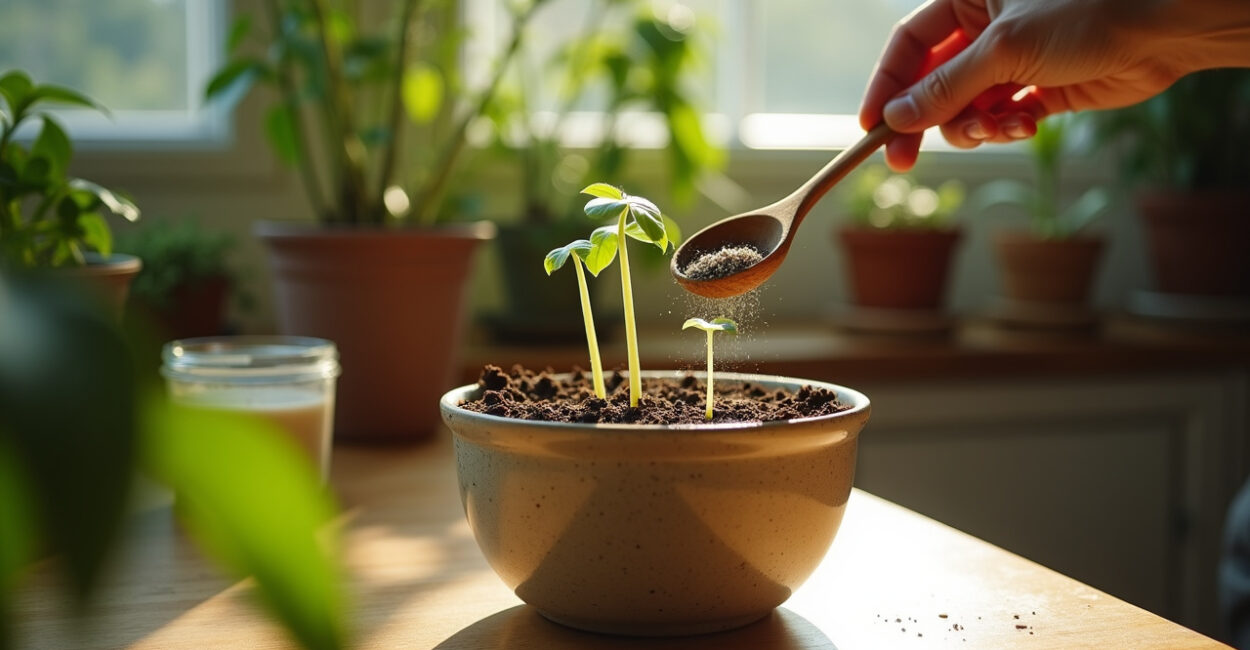
Three tiny green points push out of a pot’s dark soil, and something inside you clicks: spring is here. That moment—the first real sign your houseplants are ready—matters more than any calendar date. Spring fertilizing at the right time can turn those timid shoots into a visible, confident restart. Too early, and you burn roots. Too late, and you waste an entire month of growth. Read on for exact signs, a step-by-step first feed, and the mistakes that cost plants (and your patience).
The Unmistakable Signs That Mean It’s Time to Start Spring Fertilizing
New leaves, swelling buds, and roots reaching the drainage holes are the real signals—not the date on your phone. Look for pale green leaf tips, tiny root tips at the pot’s bottom, or a sudden increase in water use. If growth is still flat and soil stays cold for weeks, hold off. Spring fertilizing should follow active growth, not the winter calendar.
- Leaf buds opening or brightening color
- Soil warming to the touch (about room temperature)
- Roots visible at drainage holes or light root growth when you lift the pot
The Exact First-feed Timing: How to Feed Without Freaking Out Your Plants
Wait until you see a consistent growth pattern for at least 7–10 days before the first feed. For most indoor plants that means new leaves or steady upward shoots. Use a diluted fertilizer—start at 25–30% of the label strength. That low dose wakes metabolism without forcing roots to work harder than they’re ready for. If you recently repotted, delay feeding two to four weeks to let soil microbes settle.

Step-by-step: A Quick Protocol for Your First Spring Fertilizing
Simple, repeatable steps beat vague advice. Here’s a fast routine you can do in 15 minutes per plant: check moisture, inspect roots visually, water to settle soil, then apply a weak balanced fertilizer or slow-release granules per instructions. Rotate between water-soluble feeds and an organic boost every 4–6 weeks. Keep a notebook: date, strength, observed response.
- Inspect: leaves, stems, roots.
- Water lightly if soil is dry.
- Apply fertilizer at 25–50% recommended strength for first feed.
- Observe weekly for 3 weeks; adjust next dose.
The Fertilizer Types That Actually Help in Spring (and When to Pick Each)
Not all fertilizers are equal for spring fertilizing—pick with purpose. For new leaf growth, choose a balanced 10-10-10 or a slightly higher nitrogen mix (e.g., 12-8-8). For flowering houseplants, a bloom formula with higher phosphorus after leaves are established can help. Organic options—fish emulsion, worm castings—release slowly and reduce burn risk. If you use slow-release granules in early spring, skip liquid feeds for a few weeks.
For extra reading on nutrient needs and timing, see guidelines from Penn State Extension and practical tips from USDA ARS.

Common Spring Fertilizing Mistakes (and How to Avoid Them)
Most plant problems after winter come from overenthusiastic feeding. Here’s what to avoid:
- Feeding too early—before growth restarts
- Using full-strength fertilizer on the first feed
- Feeding when soil is dry or roots are damaged
- Mixing incompatible fertilizers (chemical + heavy organic) without flushing
- Ignoring light—fertilizer won’t help a plant in too-dark conditions
A quick rule: if you’d hesitate to drink the fertilizer mix, dilute more.
Before/after Comparison That Will Change How You Plan Spring Care
Expectation: feed on March 1 and watch instant growth. Reality: plants need warmth and light to use nutrients. Before: shallow, weak new leaves; yellowing; slow water uptake. After timed spring fertilizing (with light and warmth): fuller leaves, stronger stems, faster potting soil drying between waters. Treat fertilizer as fuel, not a magic potion—without the right environment, it sits unused or harms roots.
A Short Example That Sticks: The Philodendron That Nearly Died—and Thrived
In March, a friend shoved fertilizer into a sad philodendron because “spring had arrived.” The leaves burned and she nearly tossed it. She repotted, trimmed burned roots, waited three weeks for new tiny leaves, then started a gentle spring fertilizing routine. The plant doubled its new growth in two months. Timing, patience, and a low-dose first feed saved that plant. That same rescue works for succulents, palms, and most common houseplants—if you watch the signs first.
Spring fertilizing is less about calendars and more about reading plants. When you match feed timing to visible growth, you get bigger gains with less risk.
Closing Challenge
Choose one pot this week. Wait for the first real sign—new leaf or root tip. Then follow the first-feed steps above. If you still see no change in three weeks, change just one variable: more light, warmer spot, or pot with fresh soil. Plants reward the patient gardener.
How Soon After Repotting Should I Start Spring Fertilizing?
Wait two to four weeks after repotting before you begin spring fertilizing. Fresh potting mixes often contain slow-release nutrients and disturbed roots need time to recover. Start with a very diluted feed—around 25% strength—and observe growth for 7–10 days. If the plant shows new leaves or active root growth without stress, you can move to a normal low-rate schedule. Rushing fertilizer after repotting is a common cause of root burn and stunted growth.
Can I Use Houseplant Fertilizer on Succulents During Spring Fertilizing?
Yes, but with caution. Succulents need much less nitrogen and a drier cycle between feeds. If you use a standard houseplant fertilizer, dilute it to 10–25% strength and apply only once during early spring growth. Alternatively, pick a fertilizer formulated for cacti and succulents with lower nitrogen. Overfeeding succulents leads to soft, leggy growth and root rot, so always err on the side of weaker solutions and longer intervals.
How Do I Know If My Plant Was Overfertilized and How to Fix It?
Signs of overfertilizing include brown leaf tips, crust on the soil surface, slowed growth, and leaf drop. To fix it, stop feeding immediately, flush the pot with water to wash out salts (run water through until it drains clear), and let the soil dry to normal before resuming care. If damage is severe, consider repotting with fresh soil and trimming burned roots. After recovery, restart spring fertilizing at a much lower dose and monitor closely.
Is Organic Fertilizer Better for Spring Fertilizing Than Synthetic?
Organic fertilizers are gentler and release nutrients more slowly, which reduces burn risk during spring fertilizing. They also improve soil biology over time. Synthetic feeds act faster and are easier to measure for predictable results. Choose organic if you want steady, low-risk growth and improved soil health. Choose synthetic if you need quick correction of a visible deficiency. Both work if used at appropriate dilutions and timed to active growth.
Can I Combine Light Adjustments with Spring Fertilizing for Faster Results?
Yes—light and nutrients work together. Spring fertilizing without adequate light often yields little change. Increase natural light gradually, rotate plants for even exposure, or supplement with a cool-white grow light for 6–8 weeks as growth restarts. Avoid sudden jumps in light intensity; move plants closer in stages to prevent leaf scorch. When you pair proper light with a cautious first feed, plants use nutrients efficiently and show faster, healthier growth.