
Urban Gardening: 7 Space-saving Tricks for 2025 and Beyond
Discover everything about urban gardening tips with essential insights and practical tips to master the topic and make informed decisions.
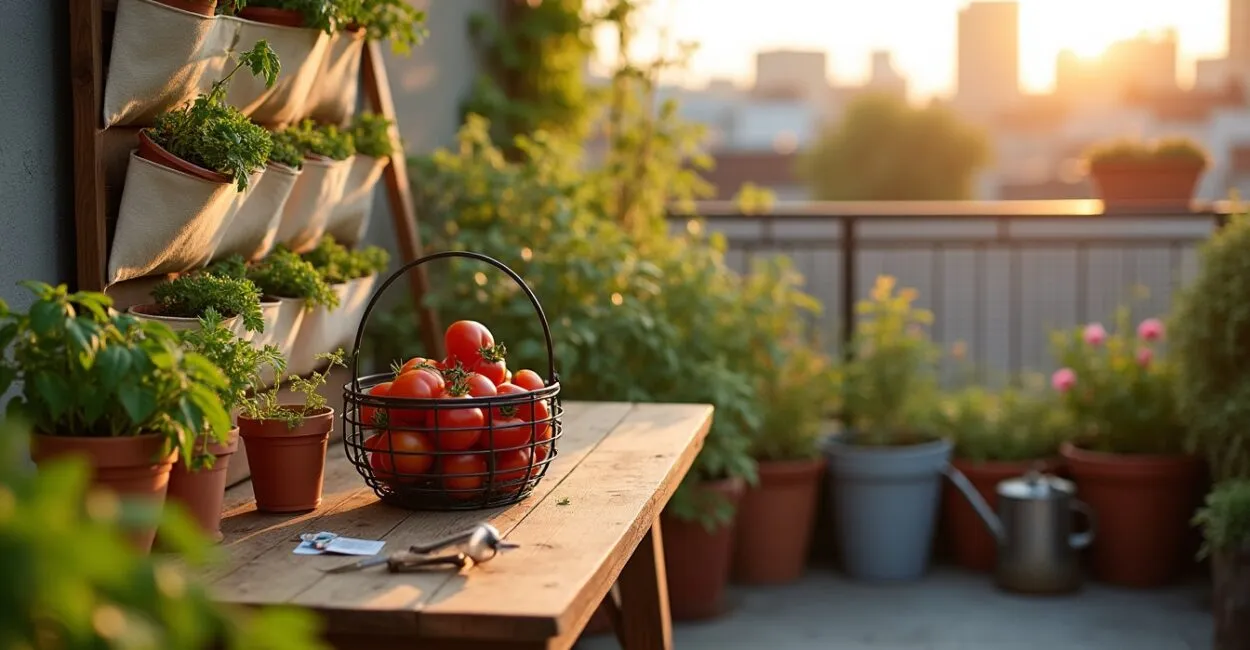 Hands harvest cherry tomatoes on a lush city balcony
Urban gardening transforms tiny balconies, rooftops, and windowsills into thriving green spaces that feed the soul and the stomach. It’s a practical, emotional response to limited space, giving city dwellers fresh herbs, tomatoes, and calm within concrete. This guide shows seven high-impact tricks—like vertical planters and balcony tomato cages—to maximize yield in small areas and boost your confidence growing food in the city.
As cities densify, urban gardening becomes crucial for food resilience, biodiversity and mental well-being. You’ll learn actionable methods, space-saving designs, and care tips tailored to apartment balconies, patios, and micro-gardens—so you can harvest more from less.
1. Maximize Vertical Space with Smart Planters
Choose the right vertical system
Vertical planters, living walls and stacked pots multiply planting area without stealing floor space. Pick modular systems that fit railings or walls and allow easy irrigation and access.
Consider materials like breathable fabric, PVC pockets or wooden planters. Match planter depth to crops such as rosemary, lettuce or trailing strawberries for successful growth.
Placement and sunlight strategy
Assess sunlight, wind and microclimate before mounting vertical planters. Orient units toward morning sun and shield from harsh afternoon gusts to protect delicate greens.
Group herbs by light needs and use reflective surfaces to increase available light. Rotate containers periodically to ensure even growth and reduce leggy plants.
2. Compact Edible Choices and Companion Planting
Select high-yield compact varieties
Choose dwarf tomato cultivars, compact peppers and bush beans for limited terraces. Microgreens and herbs like basil and thyme offer quick, frequent harvests and strong flavor.
Edible landscaping maximizes aesthetics and productivity. Grow salad mixes, kale and compact fruiting plants together for continuous yield and visual appeal.
Use companion planting to boost health
Interplant basil with tomatoes, marigolds with vegetables, and chives near roses to deter pests naturally and improve flavor. Companion planting reduces chemical needs and supports pollinators.
Mix flowers, herbs and vegetables in containers to improve biodiversity. Beneficial insects find habitat, and soil health benefits from diverse roots and residues.
- Prioritize compact, high-yield varieties for small spaces.
- Interplant herbs and flowers to deter pests and attract pollinators.
- Rotate crop types seasonally to maintain soil balance.
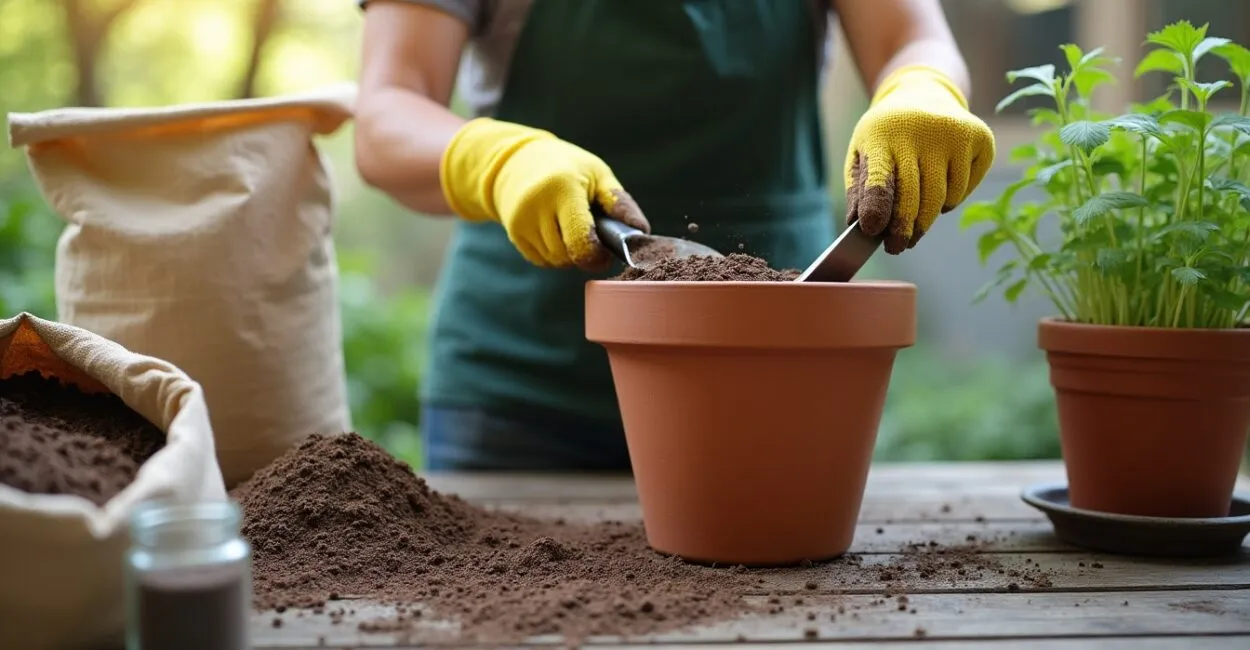
3. Optimize Containers, Soil Mixes and Watering
Choose containers by crop and microclimate
Use wide, deep pots for root vegetables and tall, narrow pots for herbs. Self-watering containers reduce irrigation frequency and prevent root rot in heat waves.
Ensure drainage holes and use saucers or trays to protect decking. Lightweight fabric pots improve aeration and minimize heat buildup in summer.
Build a nutrient-rich soil mix
Mix quality potting soil with compost, perlite and coconut coir for moisture retention and drainage. Add slow-release organic fertilizer for steady nutrition through the season.
Top-dress with compost every few weeks to replenish microbes. Test soil pH for optimal nutrient uptake, especially for tomatoes and peppers.
4. Balcony Tomato Cages and Trellising Techniques
Support structures for small-yield maximization
Vertical trellises, sturdy cages and railing-mounted supports boost tomato yield and airflow. Train indeterminate varieties up cages to save floor space and improve fruit quality.
Use lightweight metal or bamboo supports that attach to railings. Secure plants to avoid wind damage and to keep fruits off the soil.
Pruning and maintenance tips
Prune suckers on indeterminate tomatoes to direct energy to fruit. Pinch back excessive foliage to increase sunlight penetration and reduce disease risk.
Mulch containers to retain moisture and reduce soil splash. Monitor for pests and scale; early detection avoids costly losses.
| Crop | Best Container | Support Needed | Watering Frequency |
|---|---|---|---|
| Tomatoes (dwarf) | 20–30L pot | Tomato cage/trellis | Daily in heat |
| Herbs (rosemary, basil) | 5–10L pots | No / small stake | Every 2–3 days |
| Leafy greens | Shallow trough | No | Every 2 days |
5. Watering Hacks and Automated Irrigation
Low-tech methods that work
Use capillary mats, self-watering spikes and saucers to keep moisture consistent. Mulch heavily to cut evaporation and reduce watering stress during heat spells.
Group plants by water needs to avoid over- or under-watering. Reuse greywater carefully for non-edible ornamentals and follow local regulations.
Install simple automated systems
Set up drip irrigation with a timer to deliver consistent moisture and conserve water. Slow, frequent irrigation encourages deep roots and healthier plants.
Monitor system leaks and flush lines each season. Use a pressure regulator for rooftop gardens to prevent damage to emitters.
- Map sunlight and water needs for each container.
- Install a single-line drip system across grouped pots.
- Attach a programmable timer and set short daily cycles.
- Adjust frequency seasonally and check for clogs monthly.
6. Pest Control, Disease Prevention and Soil Health
Integrated pest management for balconies
Start with clean pots and fresh soil. Encourage predatory insects, use neem oil or soap sprays, and remove affected leaves promptly to stop outbreaks.
Rotate crops and sanitize tools after use. Sticky traps and row covers help against flying pests without chemicals.
Protect soil biology and fertility
Feed soil with compost tea, worm castings and organic amendments. Healthy soil supports stronger plants and reduces disease susceptibility.
Avoid over-fertilizing foliage-only feedings; balanced nutrition encourages fruit set. Replenish potting mix annually to restore structure and microbial life.
7. Design, Accessibility and Seasonal Planning
Create an inviting micro-garden
Design with paths, varying heights and focal plants to make small spaces feel larger and more usable. Include seating or a small folding table for enjoyment and work.
Use color, scent and texture to engage senses. Plan for year-round interest with evergreen herbs and seasonal edibles.
Plan crops by seasons and space
Rotate crops between spring, summer and fall. Start seeds indoors, transplant out, and use cold frames for extended harvests into cooler months.
Keep a planting calendar and note successful varieties. Seasonal planning reduces wasted space and ensures continuous yields for city living.
Conclusion
Urban gardening proves you can grow abundance and calm in the smallest of places. By using vertical planters, balcony tomato cages, smart irrigation and compact varieties, city growers turn balconies into productive, joyful spaces.
Return to your initial curiosity and try one trick this week—stack a planter, install a cage, or sow a tray of microgreens—and watch how small changes deliver big rewards.
Faq
How much sunlight do urban gardening setups usually need?
Most edible plants need 4–8 hours of sunlight; herbs like rosemary and tomatoes prefer full sun while lettuce tolerates partial shade. Assess your balcony’s daily light, use reflective surfaces to boost intensity, and place sun-loving crops where they receive morning and midday rays for best yields.
Can I grow tomatoes in small balcony pots successfully?
Yes—choose dwarf or determinate varieties and use 20–30 liter pots with quality soil and a sturdy tomato cage. Prune selectively, water consistently, and apply fertilizer during fruiting to maximize yield even in tight spaces with limited root volume.
What is the best soil mix for container urban gardening?
A balanced mix combines premium potting soil, compost, perlite and coconut coir for moisture retention and drainage. Add slow-release organic fertilizer and top-dress with compost monthly to support microbes and steady nutrition for container-grown vegetables and herbs.
How do I prevent pests without chemicals on a balcony?
Use integrated pest management: practice cleanliness, encourage beneficial insects, employ physical barriers like row covers, and apply neem oil or insecticidal soap when needed. Early detection, healthy soil and companion planting drastically reduce pest pressure without harsh chemicals.
Is it worth installing drip irrigation for a few balcony containers?
Yes—drip irrigation with a timer conserves water, ensures consistent moisture, and reduces daily maintenance. For busy city gardeners, it improves plant health, lowers stress during hot spells, and pays off in better yields and less labor over each season.
External resources: Learn more about container gardening from the Royal Horticultural Society RHS container guide and practical irrigation tips from the U.S. Department of Agriculture USDA.