

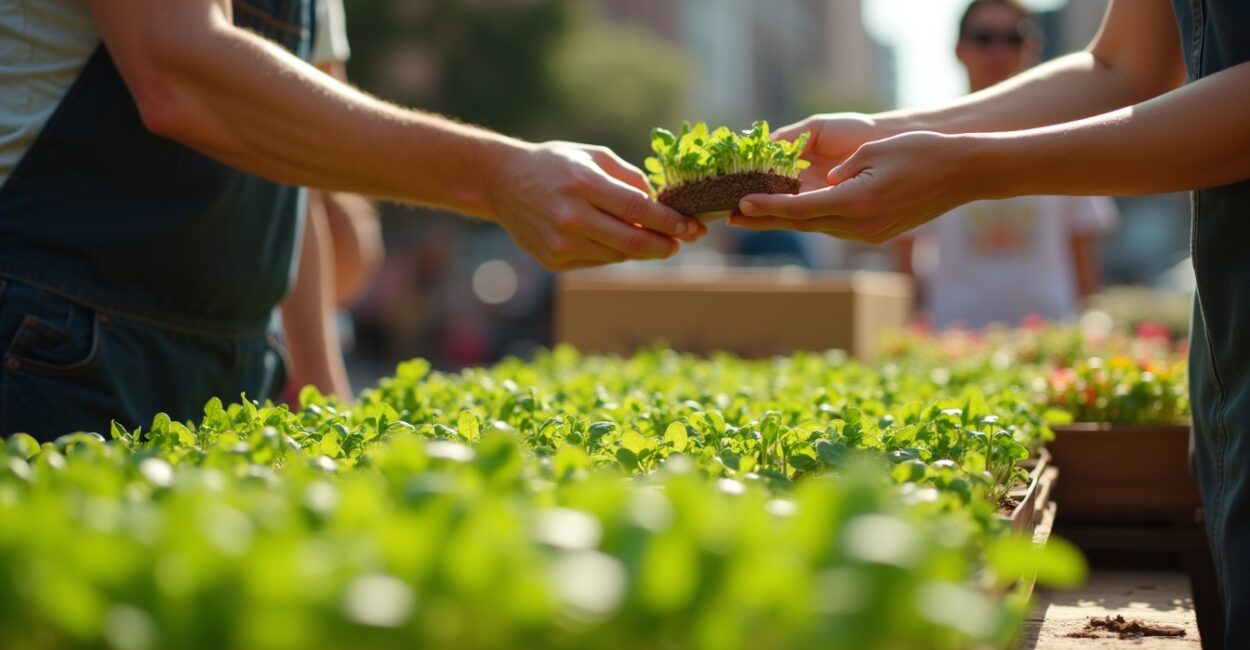
Two weeks ago, a downtown farmer’s market stall sold out before lunch — not of tomatoes or kale, but of tiny, jewel-bright greens that fit in the palm of your hand. Microgreens were the headline. Chefs, health-conscious shoppers and home cooks are snapping them up, and the market is finally catching up. Microgreens show up in that first paragraph because they’re the fuel behind this buzz: faster turnover than lettuces, huge flavor per square inch, and surprisingly low startup cost for anyone with a sunny windowsill.
Why Demand Exploded — And Why It’s Not a Passing Trend
Microgreens are booming because they tick three boxes at once: flavor, nutrition density, and convenience. Restaurants love them for dramatic plates and predictable supply; consumers love them for intense taste and a perceived health boost. The surge ties to broader trends — farm-to-table plating, urban grocery shortages, and interest in nutrient-dense food. A 2021 USDA briefing on specialty crops notes growing niche markets for value-added greens, and urban agriculture reports show increasing indoor microgreen adoption in cities with limited outdoor space.
The Handful of Varieties That Sell Fastest (and Why)
Not all microgreens are equal at market. Radish, sunflower, pea shoots, basil, and cilantro consistently top sales because they deliver strong flavor, striking visuals, and versatility. Radish gives a peppery hit in days; sunflower and pea shoots have a substantial, crunchy mouthfeel that chefs prize. Basil and cilantro win for instant flavor uplift. Pricing often reflects utility: salad-mix greens go fast at farmer’s markets, while delicate herbs fetch premium prices to restaurants.
The Low-cost Kit That Turns a Windowsill Into a Business
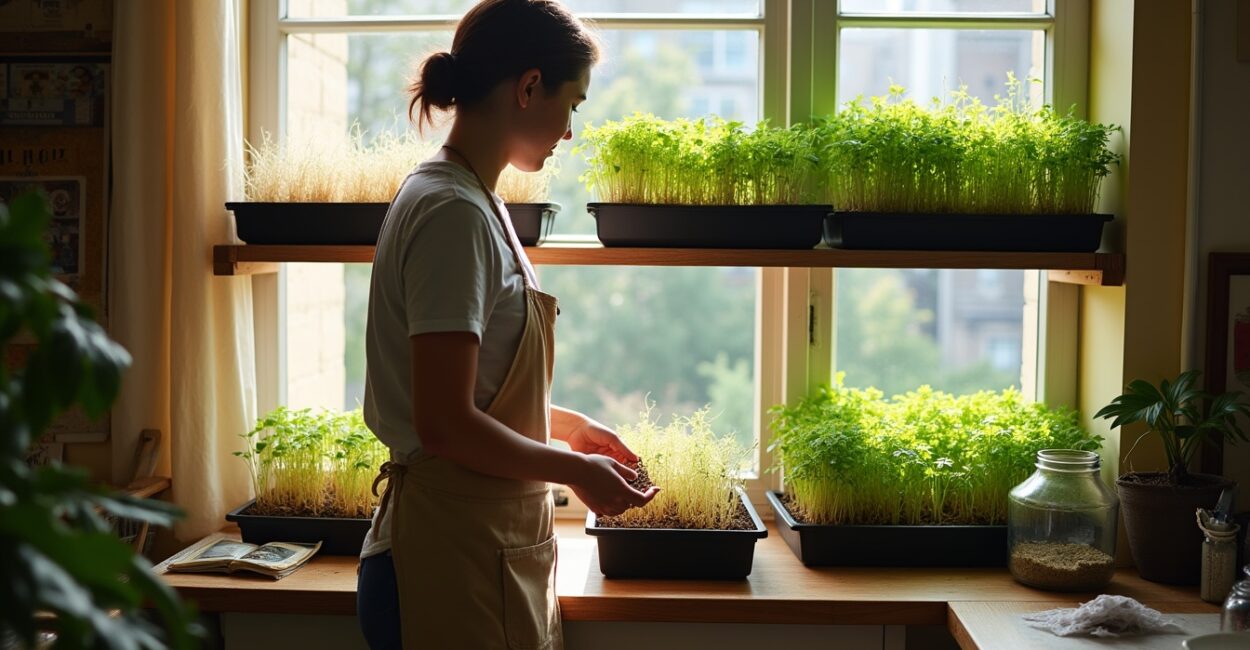
You don’t need a warehouse. A basic starter setup: shallow trays, coconut coir or potting mix, LED grow light (optional), and seeds. That’s under $150 for reliable results. Space: a couple of shelves 2–3 feet deep yields dozens of harvests per month. Turnover is the secret: many varieties are harvestable in 7–21 days, meaning you can create steady cash flow with microbatches rather than waiting months like traditional crops.
From Seed to Sale: The Real Timeline and Margins
Here’s the brutal math with a realistic example: a 10×20 tray of sunflower microgreens uses ~$1–$2 in seed and media and can produce 4–6 ounces of sellable greens in 10–12 days. If you sell at $20–$30 per flat to restaurants or $4–6 per 2 oz clamshell at markets, your gross margin per tray is often 200–500%. The quick turnover multiplies revenue fast—do five trays per week and it adds up. Factor in labor and packaging and you’re still left with attractive returns.
Common Mistakes Beginners Make (and How to Avoid Them)
Most failures come from a few predictable errors. Overwatering (root rot and mold), poor air circulation (damping-off), using the wrong seed density (either sparse or smothered), and neglecting sanitation are the top culprits. Avoid them by: using sterile trays, soaking seeds when recommended, applying a light mist rather than a deluge, and rotating air with a small fan. Also, don’t try to scale too fast—master one variety before expanding your lineup.
A Surprising Comparison: Microgreens Vs. Mature Leafy Greens
Expectation: microgreens are a novelty garnish. Reality: they can outperform mature greens on several fronts. Per ounce, many microgreens concentrate vitamins, minerals and phytonutrients that mature leaves have diluted across more biomass. Flavor intensity is another axis—microgreens often pack the profile of a mature plant but amplified, so chefs can use less. For small-space growers, the comparison is stark: microgreens deliver quicker cash per square foot and far less water and time per harvest.
How to Turn Your First Month Into Repeat Customers
Start with product-market fit, then build trust. Sell samples to a few local chefs and one grocery or café, and ask for feedback on flavor, cut length and packaging. Use attractive clamshells with clear labels, post high-quality photos on Instagram, and offer subscription boxes for weekly pickups. Price to encourage repeat purchases (e.g., slight discount on subscriptions). Keep records of yields and shelf-life so you can promise reliable deliveries—reliability sells as much as flavor.
Two reliable sources for technical guidance and market data are the USDA specialty crops reports and university extension services that publish best practices for controlled-environment agriculture. For more on urban agriculture impacts and market trends, check research from land-grant universities and the USDA studies referenced earlier. Together, these resources ground hobby passion in real-world economics and growing science.
Microgreens aren’t a flash-in-the-pan hobby: they’re a scalable, low-cost way to grow both flavor and income. If you start small, focus on one or two varieties, and sell what chefs and neighbors actually use, you can move from a windowsill experiment to a dependable side income faster than you think.
Closing Provocation
Plant one tray today that’s harvestable in ten days, and ten days from now you might hand a chef a taste that changes a menu. That tiny loop—seed, soil, sale—explains why everyone’s suddenly talking about microgreens.
How Quickly Can I Start Selling Microgreens?
Most marketable microgreens reach harvest in 7–21 days depending on variety: radish and mustard are among the fastest, while basil and cilantro take longer. Realistically, allow a week or two to practice growing, then another week to make local contacts—farmers’ markets, restaurants, or neighborhood coffee shops. Your first paid sales can happen within three weeks if you prepare seed, trays and basic branding. Prioritize consistent quality and cleanliness over speed—early buyers become repeat customers if they trust your product.
Which Microgreens Are Easiest for Absolute Beginners?
Sunflower, pea shoots, radish and broccoli are forgiving and quick, making them ideal for first-timers. They germinate reliably, tolerate minor watering errors, and provide visual appeal. Use high-quality seeds labeled for microgreens to avoid treated seeds that won’t sprout. Start with one or two varieties to learn germination rates, watering needs and harvest timing. As you gain confidence, add basil or cilantro, which demand more light and a gentler touch but often command higher prices.
What Are Realistic Earnings for a Small-scale Grower?
Earnings vary widely, but a conservative small-scale approach—five trays per week—can produce an extra few hundred dollars monthly after costs, while modestly scaling to 20–40 trays can become a meaningful side income. Key factors: your prices, local demand, and whether you sell wholesale to restaurants or retail direct to consumers. Labor and packaging reduce gross margins, but fast turnover and premium per-ounce pricing often yield attractive returns if you maintain consistency and minimize loss from mold or poor storage.
How Do I Prevent Mold and Ensure Food Safety?
Sanitation and airflow are your best defenses. Use clean trays and tools, sterile media or well-rinsed coir, and avoid overwatering—mist rather than soak. Rotate air with a small fan, and harvest promptly at peak freshness. Keep a hygienic packing area and refrigerate harvested microgreens quickly. Many extension services and the FDA offer guidelines on safe handling for small growers; following those reduces contamination risk and makes your product more appealing to buyers who demand food-safety assurances.
Should I Sell to Restaurants or at Farmers’ Markets First?
Each channel has pros and cons. Restaurants buy in higher volumes and often pay wholesale prices, but require reliable, consistent deliveries and specific quality standards. Farmers’ markets let you test different varieties, build a local brand, and get immediate customer feedback with less commitment. A hybrid approach—start at markets to refine your product and then pitch favorite chefs with samples—often works best. Whichever route you choose, prioritize reliability: late or inconsistent supply is the fastest way to lose buyers.