

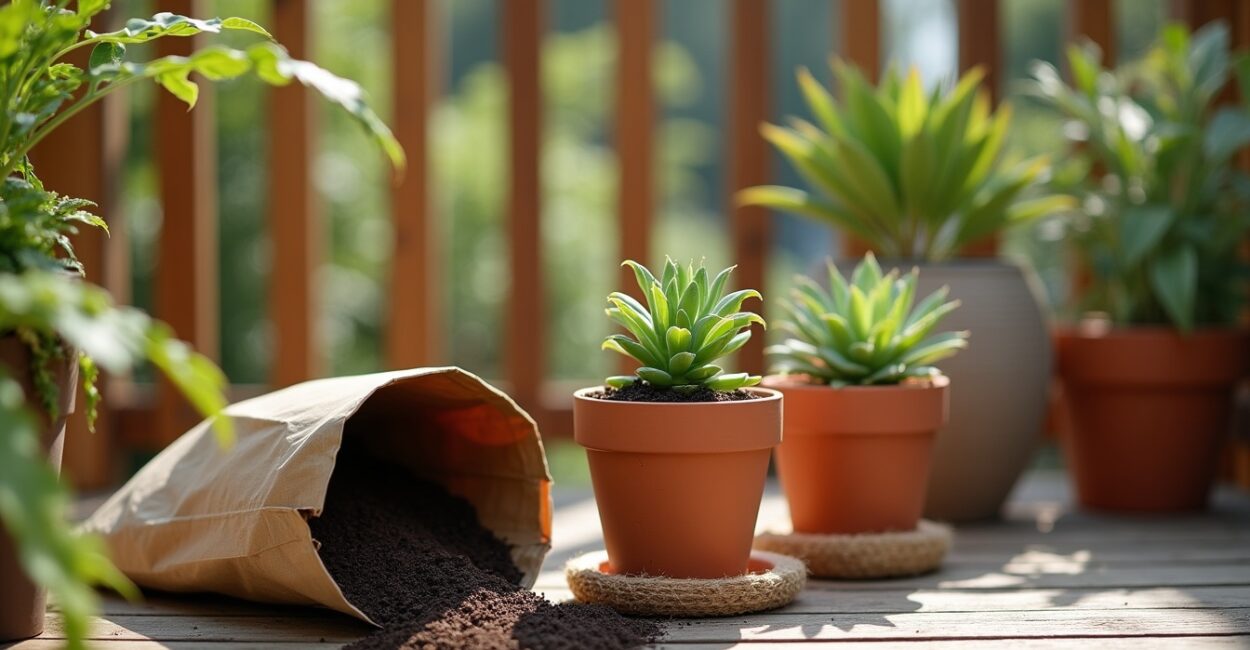
You can have a stylish, maintenance-free container garden in under 30 minutes — no tools, no fuss. An easy patio planter setup that looks boutique but takes the time of a strong coffee break: stack-ready pot, pre-mixed soil, a few low-care plants, and a smart planting sequence. The trick isn’t talent; it’s the order and the right materials. Read on and you’ll finish a planter that makes your patio feel intentional, not accidental.
Why 30 Minutes is Realistic — And How to Shave Off Time
Thirty minutes is not a gimmick. With the right prep and materials you’ll be surprised how much looks and function you can achieve. The fastest setups use two time-savers: pre-fertilized potting mix and plants already in 4–6″ nursery pots. Do this: clear the space, lay down the pot, pour soil, place plants, top-dress with mulch. That sequence avoids waiting for drainage or compost settling. Expect 10 minutes for layout, 15 for planting, 5 for cleanup. If you’re in a rush, pick one large statement plant and two small accents to cut time in half.
The Five Simple Materials That Do All the Heavy Lifting
Skip the hardware store run. These five items are all you need for an easy patio planter setup: a container with drainage, quality potting mix, a handful of lightweight rocks, three to five low-care plants, and mulch or decorative gravel. No trowel? Use the nursery pots to scoop soil. No drill? Use a container with pre-made holes or add a layer of rocks for passive drainage—this is about smart choices, not physical labor.
The Exact Planting Sequence That Prevents Common Mistakes
One wrong step can drown roots or waste soil. Follow this sequence: 1) Add a 1–2″ base layer of rocks for drainage, 2) pour in half the potting mix, 3) remove plants from their pots and place them at intended heights, 4) fill around roots with soil and press gently, 5) water until it drains, 6) top with mulch. This order avoids compacting soil, keeps crowns above wet soil, and ensures even watering. People often skip base drainage or overpack soil—both are easy to avoid with this flow.
Low-care Plant Combos That Actually Look Curated
Think in textures and heights, not individual species. A fail-safe trio: a bold focal (dwarf ornamental grass or a compact rosemary), a trailing plant (sweet potato vine or bacopa), and a filler (sedum or marigold). These choices tolerate irregular watering and still read as intentional. For shade, swap to hosta, coleus, and a fern. For sun, choose succulents and Mediterranean herbs. The result: a planter that needs watering once or twice a week and looks like you hired someone for staging.
Before/after Comparison: Expectations Vs. Reality
Expectation: a week of fiddling, expensive pots, and a cramped mess. Reality: a 30-minute transformation with cheap materials that outperforms style-only setups. The before is often an empty corner or a mismatched pot; the after is cohesion — layers of color, texture, and height that read as intentional design. The surprising part: inexpensive potting mix and plant choices beat decorative-only approaches that look fragile and require constant babysitting. Small investment, big visual return.
What to Avoid — The Five Most Common Mistakes
People sabotage patio planters with predictable errors. Avoid these: 1) using garden soil (it compacts), 2) overplanting the pot (crowded roots), 3) ignoring drainage, 4) placing sun plants in shade, 5) skipping top-dress which keeps soil moist and tidy. Each mistake is reversible, but preventing them saves time and keeps your planter low-care. Treat the pot like a tiny ecosystem — give roots room, light the right plants, and water thoughtfully.
Quick Maintenance Routine (2 Minutes, Three Times a Week)
Maintenance shouldn’t be a hobby. Spend two minutes three times a week: check soil moisture with a finger, deadhead spent flowers, remove any yellowing leaves, and top up with a small sprinkle of slow-release fertilizer once a month. In summer you might increase watering frequency; in cooler months, reduce. This tiny routine preserves the planter’s look and avoids bigger problems like pests or root rot. Think of it as a micro-check that saves hours later.
For planting guidance and safe plant choices in your region, check local extension resources like the USDA and university horticulture departments such as the Extension Foundation. They offer plant hardiness info and watering recommendations that match your climate.
If you want to finish a planter by dinner, pick one container, two contrasting plants, and follow the exact sequence above. You’ll create a low-maintenance display that reads boutique without the boutique price — and you’ll actually enjoy sitting on the patio to prove it.
How Long Will the Whole Setup Actually Take?
Expect about 20–30 minutes if you gather materials beforehand: container, premixed potting soil, three plants, rocks for the base, and mulch. The fastest part is arranging plants; the slowest is making sure roots sit at the right height. If you’re meticulous about spacing and trimming nursery roots, add five to ten minutes. No tools means you might use nursery pots as scoops, which is slightly slower but still within the half-hour promise. The key is having everything within arm’s reach before you start.
Can I Reuse an Old Pot Without Drilling Holes?
Yes — but with precautions. If the pot has no drainage, create a reliable base layer of at least 2″ of lightweight rocks or broken terracotta to keep roots away from standing water, and use a fast-draining potting mix. Also monitor moisture closely; without holes, you must water less and more carefully to avoid root rot. A better option is to line the pot with a plastic nursery liner with holes or to repurpose it as a decorative outer cachepot, placing a drained nursery pot inside so excess water escapes.
Which Plants Truly Require the Least Care?
Look for drought-tolerant, pest-resistant species: succulents and sedums, rosemary and lavender, ornamental grasses, and hardy perennials like sedum or yarrow. For shade, go with hostas and ferns that tolerate irregular attention. These plants handle missed waterings and still look tidy. Pair them thoughtfully — a single thirsty plant will break the low-care system. Choose by light exposure rather than aesthetics alone; matching plant needs to your patio’s conditions is the real time-saver.
How Often Should I Replace the Soil or Refresh the Planter?
Top-dress with fresh compost or potting mix once a year and fully replace the soil every 2–3 years to prevent nutrient depletion and compaction. In high-use containers or those with heavy watering, you might refresh annually. If plants start to look stunted or soil smells sour, that’s a sign to refresh sooner. Regularly removing dead foliage and replacing a thin layer of topsoil keeps drainage and root health optimal without a full teardown.
What’s the Cheapest Way to Get a High-end Look?
Invest in one statement plant and complement it with inexpensive filler plants; use decorative gravel or a clean layer of mulch to finish. A neutral-colored pot with a bold texture reads more expensive than an ornate cheap pot. Grouping pots in odd numbers and varying heights adds visual interest without costly pieces. Spending a little more on quality potting mix yields better growth than on decorations — healthy plants always look pricier than they cost.