

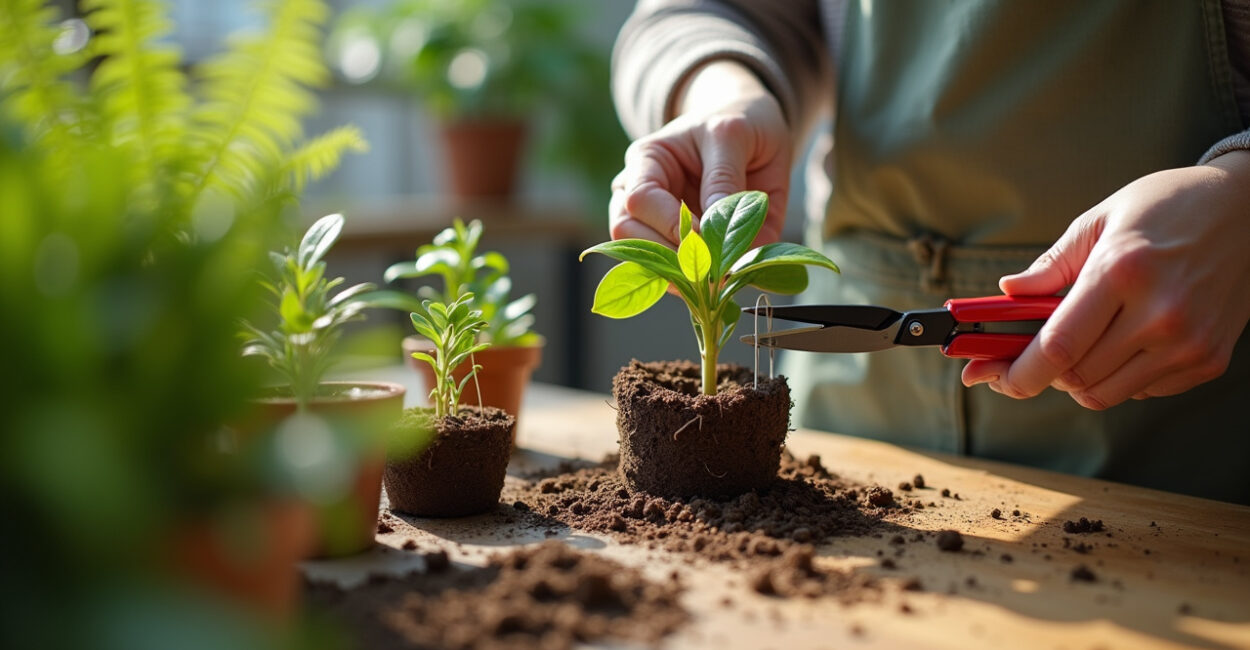
The cutting meets the pot and, within days, tiny white roots peek out — like a secret handshake between plant and soil. That’s propagation: turning one healthy squid houseplant into three without waiting a year. If you’ve been shaving leaves or crowded pots and hoping for magic, stop. This guide gives the three methods that actually work for squid houseplants — cuttings, division, and air layering — and tells you exactly when to act, which tools to use, and how to care for the babies so they thrive fast.
Why Cuttings Beat Wishful Thinking Every Time
Cuttings are fast, predictable, and beginner-friendly. Take a healthy stem, trim cleanly, and you can have roots in weeks. For squid houseplants, propagation by cuttings favors semi-ripe stems: not too soft, not woody. Use a sharp tool, a sanitized pot, and a light, airy mix. Keep humidity high and light bright but indirect. Expect new roots in 2–6 weeks. Propagation this way is less disruptive to the parent plant and gives you multiple attempts from one specimen.
The Exact Timing for Split-second Division Success
Division looks brutal but it’s surgical when timed right. Do it in spring when growth resumes. Remove the plant, separate clumps with fingers or a clean knife, and pot each section so roots have room. Division gives you instant new plants without waiting for roots to form from stem cuttings. Roots can be trimmed slightly, but don’t strip soil off aggressively. After division, reduce water for a week to avoid rot and give shaded light for recovery. Propagation by division is the fastest path from one pot to many.
Air Layering: The Trick Pros Use When Cuttings Fail
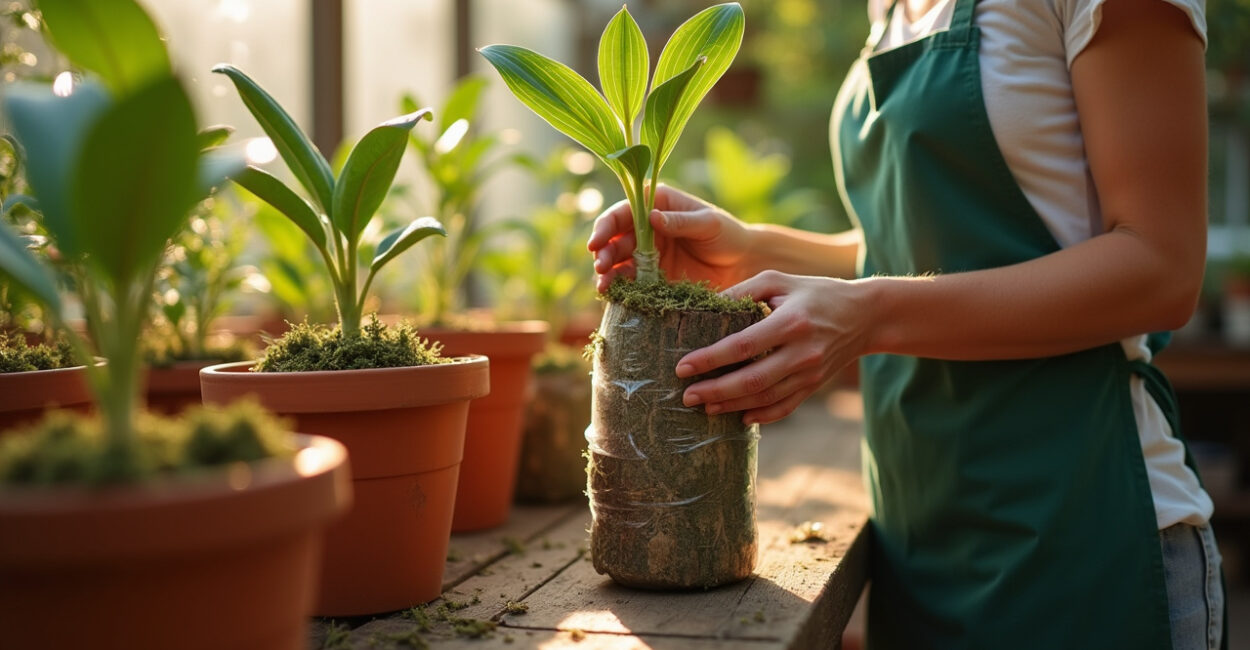
Air layering feels like voodoo until it works — then you’ll be a believer. Score a stem, pack it with moist sphagnum moss, wrap with plastic, and wait. Roots form on the parent while the cutting stays fed. This method is ideal when stems are too thick to root from tip cuttings. It preserves the shape and gives robust starters that hit the pot already rooted. Expect 4–8 weeks for roots; patience pays. Propagation this way reduces shock and keeps the parent plant healthy.
Tools, Medium, and the Environment That Actually Speed Results
Wrong tools slow propagation more than you think. Use a sharp pair of shears, rubbing alcohol for sterilizing, rooting hormone for stubborn stems, and a light potting mix with perlite. Moisture, warmth, and airflow are the trio that control success. A humidity dome or clear bag raises humidity. A 70–75°F spot with bright indirect light encourages quick root growth. For propagation attempts, keep the soil barely damp — not wet. These small environmental changes cut weeks off rooting time.

Comparison: Expectation Vs. Reality When Multiplying Squid Houseplants
Expectation: pop a cutting in soil and you’ll have a plant in a week. Reality: most cuttings need 2–6 weeks and a little fuss. Before/after is dramatic when you use the right method. Cuttings give multiple tries but slower start. Division gives instant plants but needs a larger parent and more care. Air layering takes patience but yields strong transplants. Choose based on your plant’s size and your timeline. Propagation isn’t one-size-fits-all — it’s method meets context.
Common Mistakes That Kill More Plants Than Pests
Some errors are predictable. Here’s what to avoid when you attempt propagation:
- Overwatering newly cut stems — leads to rot.
- Using dull or dirty tools — spreads disease.
- Rooting in deep shade — results in leggy, weak roots.
- Separating too many roots during division — leaves transplants starving.
A Small Rescue Story That Proves the Methods Work
She brought a leggy squid plant already suffering from root crowding. I suggested division and two stem cuttings. We split the plant into three reasonable clumps, took two healthy tip cuttings, and air layered a long cane as insurance. Within six weeks, the cuttings rooted and the divisions put out fresh leaves. The air-layered section surprised us at eight weeks with dense roots. Propagation turned a sad, single pot into five vigorous plants. That’s what good technique does.
For solid background on plant health and timing, see guidance from university extension services and research on rooting hormones and humidity control. For example, the University of Minnesota’s extension covers general propagation best practices, and the USDA offers plant health resources that can help you avoid pests and disease during propagation.
How Soon Can I Expect Roots After Taking a Cutting?
Roots usually appear within two to six weeks for squid houseplant cuttings, though timing varies with season and method. Keep the cutting warm, humid, and in bright indirect light. Use a light, fast-draining medium and avoid waterlogging. Rooting hormone can speed things up for stubborn stems. If no roots show by eight weeks, reassess: was the cutting healthy, tools clean, and environment warm enough? Often a small change in humidity or heat brings the roots on.
Can I Divide a Plant Any Time of Year?
Division is safest in spring when the plant resumes active growth because energy reserves help recovery. Doing it during dormancy or extreme heat adds stress and raises failure risk. If you must divide in summer, give shaded light and extra humidity afterward. Avoid winter divisions unless you can provide steady warmth and humidity indoors. Proper timing and gentle handling of roots determine whether division succeeds or leaves the new sections barely alive.
When Should I Use Air Layering Instead of Cuttings?
Use air layering when stems are thick, woody, or slow to root from tip cuttings, or when you don’t want to weaken the parent plant. Air layering lets roots form while the stem stays attached and fed. It’s especially useful for large specimens you plan to preserve in place. The method needs patience and consistent moisture in the moss pocket, but it produces robust transplants that experience less shock at potting time.
What Aftercare Will Prevent Transplant Shock?
Aftercare matters more than the cut. Keep newly potted divisions or cuttings in bright, indirect light and maintain consistent, light moisture. Avoid fertilizer for the first month; let roots establish first. A brief reduction in water can prevent rot, but don’t let the soil dry out completely. Humidity domes and misting help cuttings. For divisions, give a week of shaded recovery before gradually increasing light and normal watering.
Are Rooting Hormones Necessary and Which Type is Best?
Rooting hormones aren’t always required but boost success for slow-rooting species and thick stems. Use powder for clean, simple dips, or liquid for easy soaking. Synthetic auxins like IBA are commonly used and reliable; natural alternatives like willow tea can help but are less predictable. Always follow package instructions and avoid overuse — more isn’t better. For most squid houseplants, a light dusting before planting increases root formation and speeds propagation.