

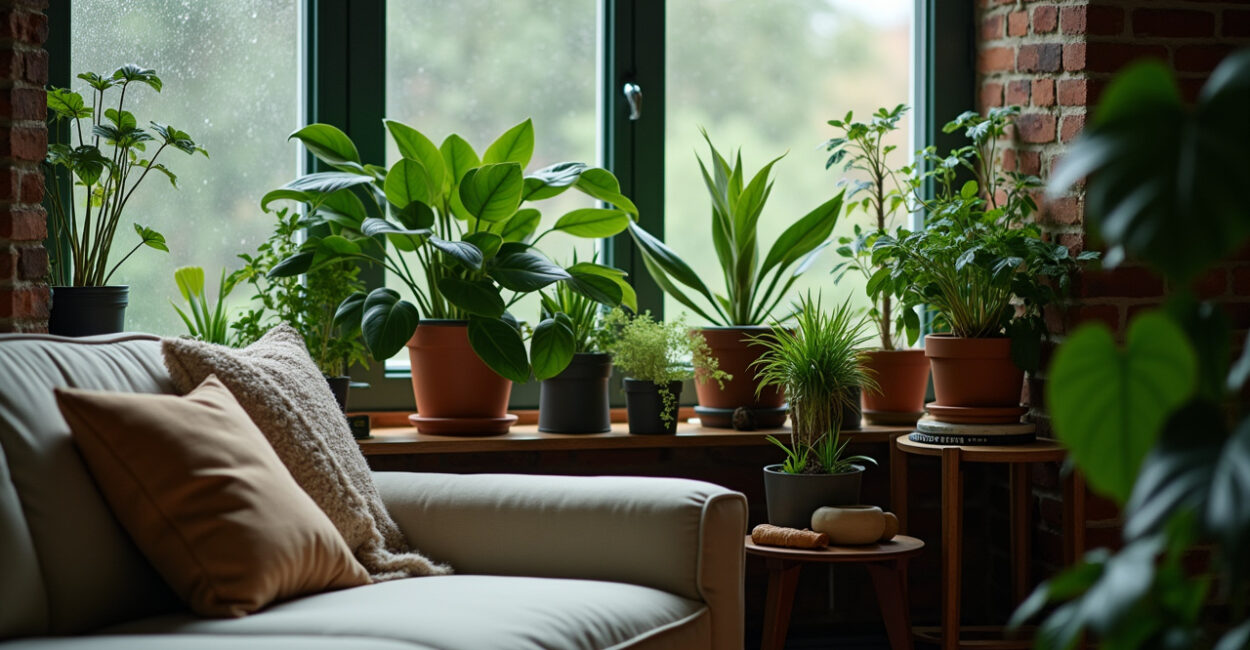
It was raining outside and the apartment window faced a brick wall, but the corner by the sofa looked alive—lush, green, calm. That corner wasn’t a miracle; it was a selection of low light houseplants placed with a few simple tricks. If your room lacks direct sun, you don’t need to resign yourself to brown leaves or fake plants.
Why These 12 Low Light Houseplants Actually Survive Where Others Fail
Not all shade-loving plants are equal. Some species evolved under forest canopies; they photosynthesize well in weak, indirect light. That means a small leaf with a thick, dark green pigment often beats a big thin leaf in dim rooms. In practice, that translates to plants that need less frequent watering and shrug off low lumens. Expect steady growth, not a jungle sprint. Below you’ll find the 12 best picks and why they beat the common “I tried once and it died” story.
12 Proven Low Light Houseplants and Where to Put Them
These are the reliable 12:
- ZZ Plant (Zamioculcas zamiifolia)
- Snake Plant (Sansevieria trifasciata)
- Pothos (Epipremnum aureum)
- Philodendron (heartleaf)
- Peace Lily (Spathiphyllum)
- Cast Iron Plant (Aspidistra elatior)
- Chinese Evergreen (Aglaonema)
- Dracaena (marginata varieties)
- Parlor Palm (Chamaedorea elegans)
- Bird’s Nest Fern (Asplenium nidus)
- Spider Plant (Chlorophytum comosum)
- Calathea (various)
Placement tip: keep them within a few feet of the brightest wall, but out of drafts. For rooms with zero natural light, use grow bulbs on timers. Small pots like a 4–6 inch for younger plants speed recovery; larger pots slow watering cycles.
The Simple Care Tweaks That Keep Low Light Houseplants Thriving
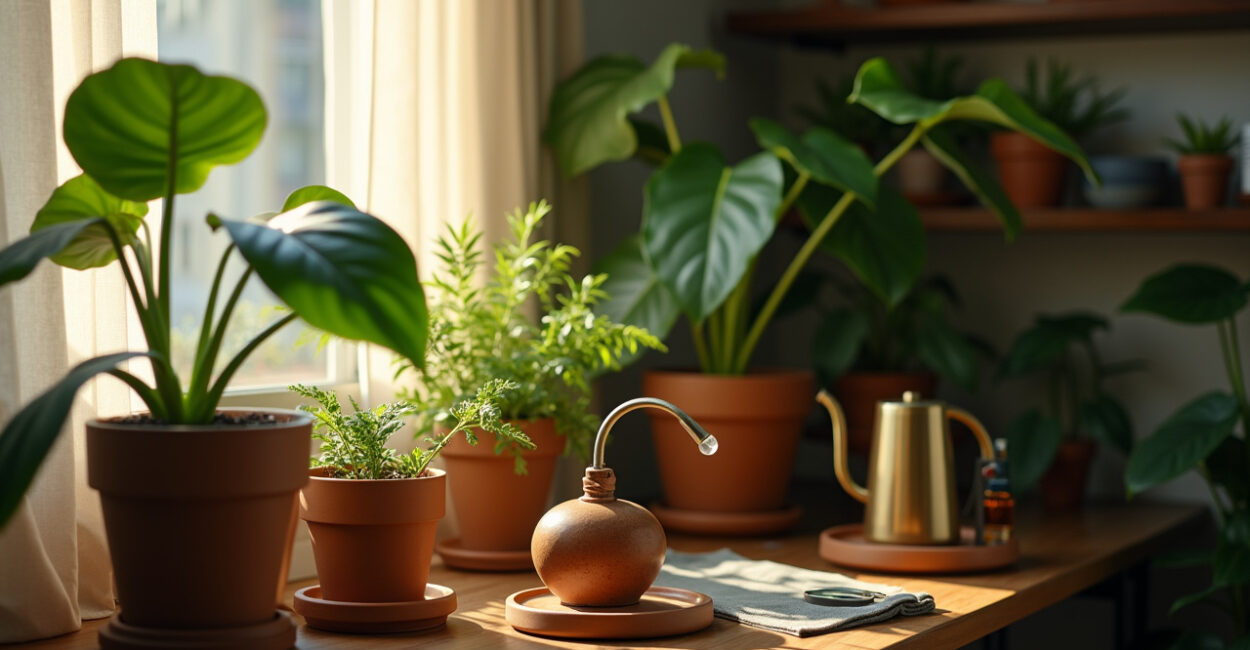
Less is often more. Water deeply but infrequently; let the top inch dry for most of these plants. Rotate pots once a week so growth stays even. Feed lightly in spring and summer—half-strength fertilizer every 6–8 weeks. Wipe leaves monthly to remove dust and boost light absorption. If a leaf turns pale or droops, check root health before increasing water. These small habits turn a fragile plant into a resilient companion in dim rooms.
Mistakes People Make with Low Light Houseplants (and How to Fix Them)
Most failures are avoidable. Common errors include overwatering, poor drainage, crowding pots, and placing plants in cold drafts. Avoid these:
- Never let plants sit in a saucer full of water.
- Don’t crowd multiple species in one pot—root conflicts hide problems.
- Don’t assume “low light” means “no light”—rotate near any window.
- Avoid constant fertilizing; it salts the soil and burns roots.
Fixes are simple: check soil moisture with your finger, repot to breathable mixes, and move plants away from vents or uninsulated windows.
Expectation Vs. Reality: A Surprising Comparison
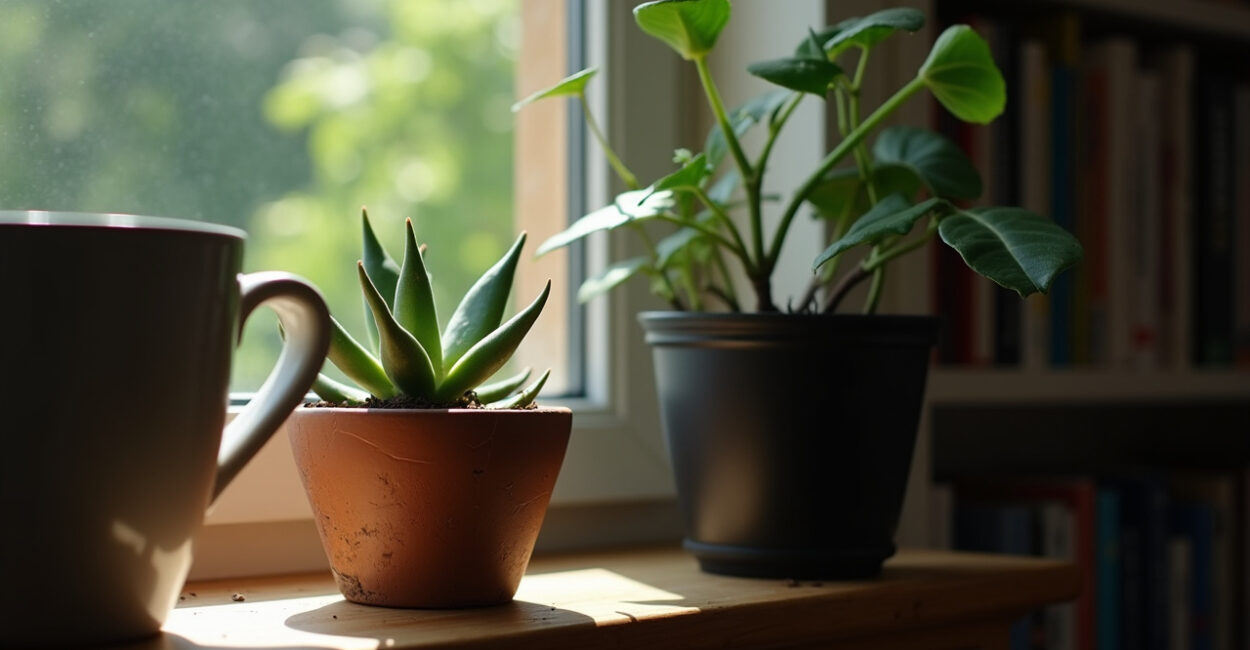
Expectation: instant lush growth with little care. Reality: low light houseplants grow slower but are forgiving. Compare a sun-loving succulent and a ZZ plant in the same dim room. The succulent will etiolate, stretch, and likely perish. The ZZ will keep steady foliage and survive months of neglect. That comparison matters: choose species that match your light, time, and patience—not the other way around.
Mini-story: How a Single Plant Changed a Dim Rental
She moved into a north-facing studio and felt the space sucked dry of life. A small Chinese evergreen in the kitchen made a surprising difference: within weeks the apartment felt cozier, she watered less but noticed more calm. Neighbors asked what she’d done. That one plant survived a week-long trip, noisy heating cycles, and still bloomed slightly in spring. It wasn’t magic—just the right plant in the right place, and small steady care.
Which Plant to Choose Based on Room and Lifestyle
Match plant traits to your habits. If you travel, go with ZZ or Snake Plant. If you like trailing vines, pick Pothos or Philodendron. For humid bathrooms, ferns and Calathea shine. For pet safety, choose carefully—many common low light houseplants are toxic to pets; check labels. Use this quick guide:
- Low maintenance: ZZ, Cast Iron
- Pet-friendly alternatives: Spider Plant (mild toxicity) — still check
- Bathrooms/higher humidity: Bird’s Nest Fern, Peace Lily
- Decor/statement: Dracaena, Parlor Palm
For deeper science on plant light needs, see research on plant physiology at USDA and practical houseplant care guidelines from university extensions like University of Maryland Extension. These sources back the single rule: light quality beats quantity for shade-adapted species.
Ready to try? Start with one or two of the 12, give them simple routines, and you’ll see steady progress. In dim rooms, steady green beats dramatic growth any day.
Can Low Light Houseplants Survive in Rooms with No Windows?
Yes, some low light houseplants can survive in rooms without windows if you provide artificial light. Use full-spectrum LED grow lights on a timer for about 10–12 hours daily. Choose species like ZZ, Cast Iron, or Snake Plant because they tolerate low photon flux. Also keep a strict watering schedule and ensure pots have drainage. Without light at all, plants can’t photosynthesize, so artificial light is essential; with it, many low light houseplants will remain healthy and even grow slowly over time.
How Often Should I Water Low Light Houseplants?
Watering frequency depends on species, pot size, and room conditions, but a good rule is to let the top 1–2 inches of soil dry before watering. For many low light houseplants that means watering every 2–4 weeks. Use a finger test or moisture meter rather than a calendar. When you do water, soak until it drains and empty saucers. Overwatering is the single biggest killer in low light settings because roots stay wet longer and oxygen is limited.
Do Low Light Houseplants Need Fertilizer?
They need far less than sun-loving plants. Feed with a balanced, diluted fertilizer during the growing season—spring and summer—at half the recommended strength every 6–8 weeks. Avoid fertilizing in fall and winter when growth slows. Too much fertilizer causes salt build-up and leaf tip burn. If a plant is flowering or actively growing, a light feed helps; otherwise, rely on occasional repotting with fresh mix once every 1–2 years.
How Do I Tell If My Low Light Houseplant is Unhappy?
Look for a few clear signs: yellowing lower leaves, limp new growth, pale leaves, or stretched stems reaching toward light. Root problems show as soggy soil, bad smell, or roots that won’t hold soil. If growth stalls but leaves stay firm and green, it may just be slow growth. To diagnose, check soil moisture, light level, and pot drainage. Small adjustments—more indirect light, less water, a fresh potting mix—usually correct the issue quickly.
Are Any Low Light Houseplants Safe for Pets?
Most popular low light houseplants are mildly to moderately toxic to pets if ingested, but there are safer options. Spider Plant and Parlor Palm are generally listed as lower risk, though individual animals react differently. If you have curious cats or dogs, place plants out of reach or use hanging planters. Always check reliable sources like the ASPCA for specific toxicity information and, if ingestion occurs, contact a vet immediately. Prevention is simpler than a hospital visit.