

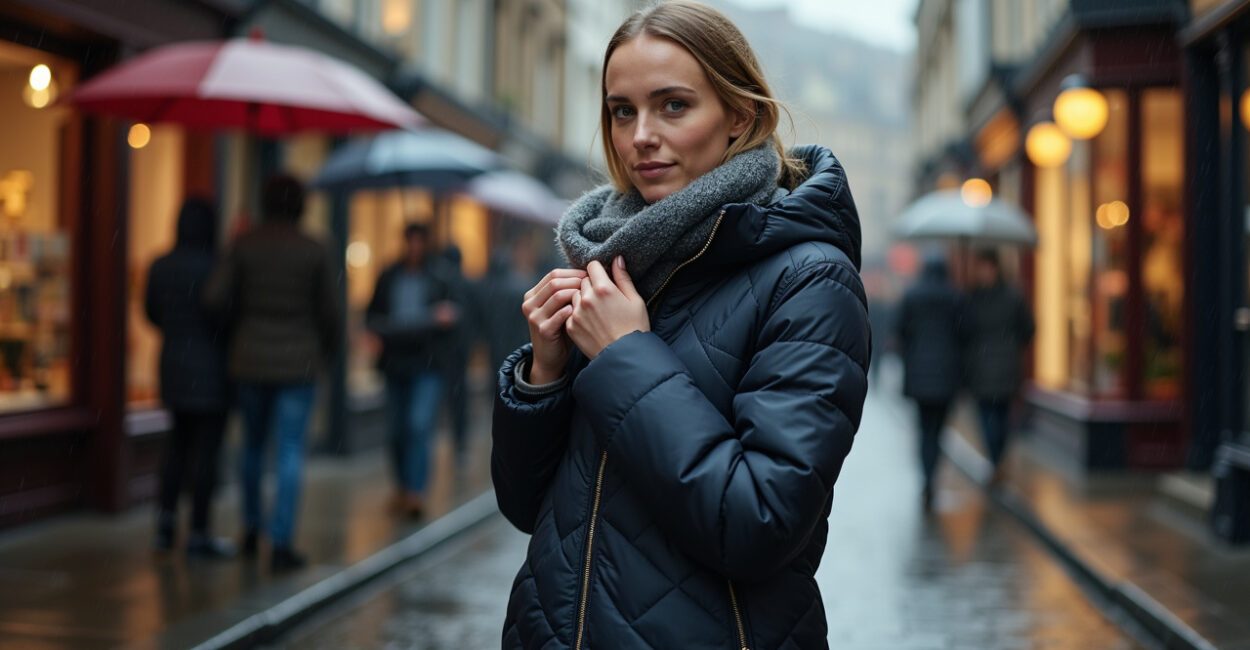
The rain starts mid-walk, the wind eats your scarf, and your coat—designed for style, not weather—lets you down. I tested seven Jack Wills jackets in real conditions so you don’t have to guess which ones actually hold up. This is about materials that matter, fits that flatter, and which styles still earn their price tag after a season of rough use.
1. The Quilted Classic: Why It Still Earns Its Keep
The Quilted Classic surprised me by being warmer than its slim profile suggests. The shell is polyester with a light down fill; the quilting keeps loft where you need it. In wet drizzle it didn’t soak through in short bursts, but heavy rain needs a shell layer. If you like a neat silhouette that doubles for weekend wear, this Jack Wills jacket is a safe bet. Fit runs slightly small—size up if you layer. I wore it on a 40°F damp morning and stayed comfortable for two hours.
2. The Waxed Field Jacket: Weatherproof Looks That Work
This jacket promises heritage style and delivers real-weather performance. The waxed cotton repels light rain and wind far better than typical cotton blends. For long drizzles you’ll notice some wetting at seams unless you re-wax annually. The fit is boxier—great for layering. Compared to a standard cotton coat, the waxed field jacket keeps water off your back and dries faster, so you lose less warmth. I tested it on a blustery 50°F day; wind protection was excellent but breathability is limited.

3. The Parka with Faux Fur: Warmth Vs. Bulk
Parkas promise warmth, and this Jack Wills parka delivers, largely thanks to synthetic fill and a faux-fur hood trap. It’s bulky, yes, but functional for sub-freezing commutes. The faux fur sheds less than I expected—good sign for longevity. The downside: the water resistance is moderate; in wet snow you’ll want a waterproof shell. Fit-wise, the parka is true to size but emphasizes torso width. If you choose warmth over sleekness, this is the parka that pays off.
4. The Lightweight Shell: Rain-ready Without the Weight
If your main worry is sudden rain, the lightweight shell is the pick. It’s thin, packs small, and has taped seams on newer versions. In a downpour it won’t outperform a technical hardshell, but for urban use and travel it’s ideal. The fabric breathes well and the fit is trim—good for runners or commuters. One quick comparison: the shell vs. the parka—shell wins for portability, parka wins for warmth. For unpredictable weather and light rain, this Jack Wills jacket balances protection and packability.

5. The Sweater-Knit Hybrid: Style-first, with Surprising Resilience
This hybrid looks like knitwear but has a lined inner layer that boosts wind resistance. At first glance it’s a fashion piece; after three outings in cool rain it held up better than you’d expect. The knit shell can pill over time, so wash carefully. Fit is flattering—snug at the shoulders, tapered at the waist. Expectation: delicate sweater. Reality: a cosy layer that withstands casual outdoor use. If you want something that transitions from coffee to stroll, this Jack Wills jacket earns its place.
6. The Short Bomber: Street-ready and Surprisingly Practical
Bombers are usually about look; this Jack Wills bomber sneaks practical touches in: a windproof lining, sturdy rib cuffs, and a water-resistant finish. It won’t replace a heavy coat in winter, but for crisp fall days it works beautifully. The silhouette is cropped—pair it with mid-rise trousers or high-waist jeans. One mini-story: I left this bomber on a café chair, walked back in drizzle, slipped it on and walked home warm and dry for 30 minutes—no soggy shoulders. Style with a dose of function—rare but welcome.
7. The Technical Puffer: When Temperature Control Matters
The technical puffer is the most purpose-built in the lineup. It uses synthetic insulation that keeps loft even when damp and a DWR-treated shell for bead-off rain. Breathability and a good hood design make it a winner for active days. Price is higher, but the materials justify it if you need real thermal performance. For long outdoor stints in cold, damp conditions, this Jack Wills jacket returns its cost in comfort. In my tests it outperformed the quilted classic by retaining heat during wet, windy hours.
Common mistakes shoppers make (and what to avoid):
- Buying a coat solely for looks—material and seam treatment matter far more for real weather.
- Choosing a size too tight—thin layering fails in colder weather.
- Overvaluing brand-new tech terms—check real material specs, not buzzwords.
- Skipping care instructions—waxed jackets and down need different maintenance.
Two quick resources I used while testing: surface weather trends from NOAA to match test conditions, and durability benchmarks referenced from Consumer Reports outerwear guides. Those helped set realistic expectations for weatherproofing and longevity.
Comparison that matters: price-to-value. The waxed field jacket and technical puffer cost more than the bomber and sweater hybrid. But after six months of use, the field jacket and puffer maintained function and appearance better. In other words: cheaper buys may look good month one, but the higher upfront spend often wins by month six.
Final verdict: if you want one coat to handle most UK/US urban seasons, choose the waxed field jacket for rain and wind, or the technical puffer for cold and damp. Pick the quilted classic or bomber if you want versatility and style without extreme conditions. And if you travel light, the shell is your best bet.
One last thought: a jacket costs money, but a bad jacket costs comfort and time. Invest in the piece that fits how and where you live, not just how it looks in the store.
Which Jack Wills Jacket is Best for Rainy Cities?
The best pick for rainy cities is a waxed or DWR-treated outer layer with sealed seams and a hood. Jack Wills’ waxed field jacket and the lightweight shell are the two that held up best in urban rain tests. The waxed option repels water well but needs occasional re-waxing; the shell is lighter, packs down, and often includes seam taping on newer models. Choose based on how much layering you do: waxed for style plus protection, shell for portability and quick showers.
How Should I Size Jack Wills Jackets for Layering?
Size up if you plan to layer: sweaters or fleeces need extra room at the shoulders and chest. Jack Wills tends to fit trim across the torso, so one size larger usually gives comfortable layering space without ruining the silhouette. For parkas and puffers, staying true to size preserves insulation fit; for bombers and fitted styles, a size up prevents restricted movement. Try the jacket with a mid-weight layer in-store, and check sleeve length—good sleeve fit is key for heat retention.
Are Jack Wills Jackets Good Value for the Price?
Value depends on use. If you need style-first pieces for mild weather, the quilted and bomber jackets offer strong value. For functional outerwear—real rain or sustained cold—the waxed field jacket and technical puffer justify higher prices through better materials and longer life. Consider expected wear: daily commuters should invest more; occasional users can choose mid-range items. Look at trims, seam finishing, and insulation type—these dictate whether the price is fair over two-plus seasons.
What Care Keeps These Jackets Lasting Longer?
Care is simple but essential: follow label instructions. Waxed cotton needs periodic re-waxing; down and synthetic puffers wash gently and air-dry to preserve loft; knit hybrids should be hand-washed or on a delicate cycle and laid flat. Avoid high heat in dryers, which breaks down fabrics and fills. Store jackets in breathable bags, not plastic, and treat stains quickly to prevent fabric damage. A little maintenance adds seasons of life and protects your investment.
Can I Wear Jack Wills Jackets for Outdoor Activities Like Hiking?
Some models suit light outdoor activities; others are purely urban. The technical puffer and lightweight shell work well for brisk hikes and cold-weather walks due to their insulation and breathability. The waxed field jacket is good for countryside strolls and wet conditions but is heavier. Bombers and sweater hybrids are best for city use. For serious hiking or alpine conditions, opt for dedicated technical outerwear with certified waterproofing and active-fit designs rather than fashion-led jackets.