

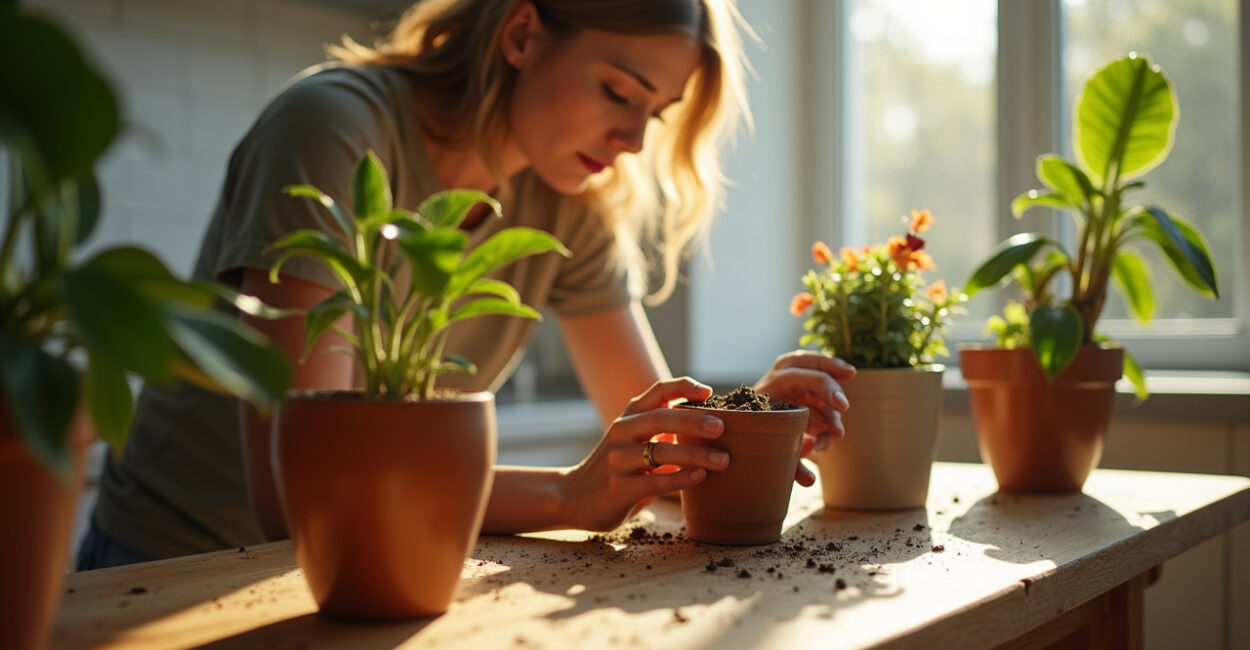
Leaves limp at noon, soil dry on top but wet below, and you keep watering because “plants like moisture.” That instinct is exactly why many houseplants die—either drowned by attention or starved by neglect. Here’s the real talk about watering: when, how much, and the quick checks that save a plant before it’s too late.
How Often You Actually Need to Water — By Plant Type
There is no single schedule that fits all plants. Succulents and cacti prefer deep, infrequent watering. Tropical foliage (like philodendrons) likes steady moisture but hates a soggy root ball. Flowering plants often need more frequent watering when they’re blooming. Watering frequency depends on plant size, pot size, and light. A small pot dries out faster. Bright sun can halve the time between watering. Trust plant type first, calendar second.
The Pot Material Cheat-sheet That Changes Everything
Pot choice matters more than most people think. Terracotta breathes: soil dries faster and you water more often. Plastic retains moisture longer. Ceramic glazed pots sit in the middle. Switching pot material can cut or double your watering frequency overnight. If you move a plant from terracotta to plastic, check soil less often—otherwise you’ll overwater. If you want fewer chores, choose a larger pot in plastic or glazed ceramic.

Seasonal Rules: What Changes from Spring to Winter
Watering is seasonal. In spring and summer, growth spikes and plants sip more. In fall and winter, growth slows and roots need less water. Indoor heat in winter dries air but not always soil—heating can evaporate surface moisture while the root zone stays damp. Reduce water in winter and increase again in spring, but base every change on soil checks, not dates. Rotate checks with the seasons, not a fixed calendar.
The Three Quick Tests That Tell You Exactly When to Water
Stop guessing. Use simple tests: the finger test (stick a finger 1–2 inches into soil), the weight test (lift the pot to feel if it’s light), and a moisture meter for finicky plants. Combine tests for accuracy. A light pot + dry finger = time to water; a heavy pot + moist finger = wait. For deep pots, test at two depths. For small pots, the weight test alone is often enough.

The Plant Signals You’re Probably Ignoring
Plants warn you in subtle ways: crispy leaf edges usually mean underwatering; yellowing from the bottom up often signals overwatering. Wilting can mean both—so check soil. New leaf drop during active growth usually points to overwatering. Read the plant first, not the calendar. Those signs are the last polite warnings before root rot or irreversible drying out.
Mistakes People Make That Kill More Plants Than Pests
Here are the top watering errors—avoid them:
- Watering on a fixed schedule without checking soil.
- Using cold water straight from the tap on sensitive species.
- Pouring water only in the center and ignoring edge dryness.
- Leaving saucers full of water under pots.
- Not adjusting for humidity, season, or pot material.
These five habits are the most common killers. Break one and you’ll save months of plant headaches.
Practical Routine: A Weekly Ritual That Prevents Mistakes
Make a short weekly ritual that replaces guesswork. Step 1: lift heavy pots and remember their weight. Step 2: do a finger test on each plant. Step 3: water thoroughly when needed until water runs through drainage. Step 4: empty saucers after 15 minutes. Step 5: note any yellowing or droop. Ten minutes a week is better than ten seconds every day. This ritual accounts for pot material, season, and plant type.
Comparison that wakes you up: most people water on a date—expectation. The reality is a plant’s thirst, measured by soil and weight. Treat the plant, not the date.
Mini-story: I moved a 6-inch pothos from a clay pot to a glazed pot to cut watering chores. Within a week, leaves stopped yellowing and growth resumed. No fertilizer, no fuss—just the right pot and a better watering check. That change cost five dollars and saved a plant.
For authoritative guidance on safe watering practices and plant health, see the U.S. Department of Agriculture resources and extension advice from the Penn State Extension, which explain how soil moisture and drainage affect root health in detail.
Now one action: lift your largest and smallest pots and remember their weight. That memory will save you more plants than one more watering schedule.
FAQ
How Can I Tell If My Plant is Overwatered or Underwatered?
If leaves yellow and drop from the bottom, roots are likely sitting in water. Crispy brown leaf edges usually mean underwatering. Wilting can signal either problem, so check soil: if the top two inches are dry and the pot feels light, it’s underwatered. If soil is damp and heavy, reduce watering and improve drainage. Smell the soil—sour or musty odors often mean root rot from too much water. Use the weight and finger tests together for a clear answer.
How Deep Should I Water Indoor Plants?
Water until it starts to drain from the pot’s holes; that ensures the entire root zone is wet. For shallow pots, a single thorough soak is fine. For deep pots, water slowly so moisture reaches the bottom instead of running out the sides. Let water drain fully and empty saucers after 15 minutes. Avoid light, frequent sprinkles that wet only the surface—roots need deep moisture occasionally, not constant shallow wetness.
Does the Type of Water Matter for Plants?
Tap water is fine for most houseplants. Sensitive species may react to fluoride or chlorine—common in municipal supplies. If you notice leaf tip browning or buildup on soil, try letting tap water sit 24 hours to dissipate chlorine or use filtered/rainwater for problem plants. Avoid very cold water on tropical species; room-temperature water prevents shock. Overall, consistency matters more than perfection: water type rarely kills a plant compared to wrong frequency.
How Should I Adjust Watering for Humidity and Indoor Heat?
Higher indoor humidity reduces how often you need to water because the air holds more moisture. Central heating dries air but may not dry root zones equally—check the soil. In dry winter homes, plants near vents or radiators will need water more often. Use a humidity tray or group plants to raise local humidity and lower watering frequency. Always base adjustments on soil checks rather than ambient feel alone; the soil tells the real story.
Can I Rescue a Plant with Root Rot from Overwatering?
Yes, sometimes. Remove the plant from its pot, cut away mushy, dark roots with clean scissors, and repot in fresh, fast-draining soil and a pot with drainage holes. Let the plant rest in bright, indirect light and water sparingly until new growth appears. Severe rot may be fatal, but many plants recover if you act quickly. Improve future watering by following the finger and weight tests to prevent repeat problems.