

It starts with the potting mix, not the watering can. You can nurse a finicky philodendron, or silently murder it, depending on the soil you choose. Many houseplants die slowly—yellow leaves, limp stems—because the mix holds too much water or too little air. That’s fixable. Fast.
The Single Ingredient Most People Ignore That Kills Roots
Compact, waterlogged soil suffocates roots far faster than under-watering. Roots need oxygen. When a mix is dense or full of fine particles, water clings and air pockets vanish. Plants then rot from the inside out. Think of soil like your sneaker: a soaked, glued-together shoe will make you slip. A well-structured potting mix should drain yet keep moisture where roots can reach it. Swap heavy garden soil for a lighter mix and you’ll see leaves perk up within weeks.
What Truly Matters: Drainage, Aeration, and Moisture Retention
These three form the trinity of healthy soil for houseplants. Drainage removes excess water. Aeration supplies oxygen. Moisture retention keeps roots fed between waterings. Most commercial mixes trade one for another. A mix that drains well often dries too fast. One that retains moisture may trap air out. Your job is to balance them for each plant’s needs. Observe soil after watering and adjust components until you get a crumbly, slightly damp texture that springs back when pressed.

DIY Recipes That Actually Work—tailored Mixes for Common Plants
Different plants want different soil. Below are simple blends you can mix at home. Each recipe uses common ingredients and keeps soil health front and center.
- Indoor tropicals (philodendron, pothos): 2 parts peat or coco coir, 1 part perlite, 1 part pine bark.
- Succulents/cacti: 2 parts coarse sand, 1 part potting soil, 1 part perlite.
- Orchids/epiphytic plants: chunky bark, charcoal, and lava rock—no regular soil.
- Seedlings and cuttings: 1 part peat or coir, 1 part perlite, a handful of worm castings.
Use soil for structure, perlite for aeration, and bark or sand to tune drainage. Small tweaks change results fast.
The Comparison That Shocks: Store Mix Vs. A Tweaked DIY Blend
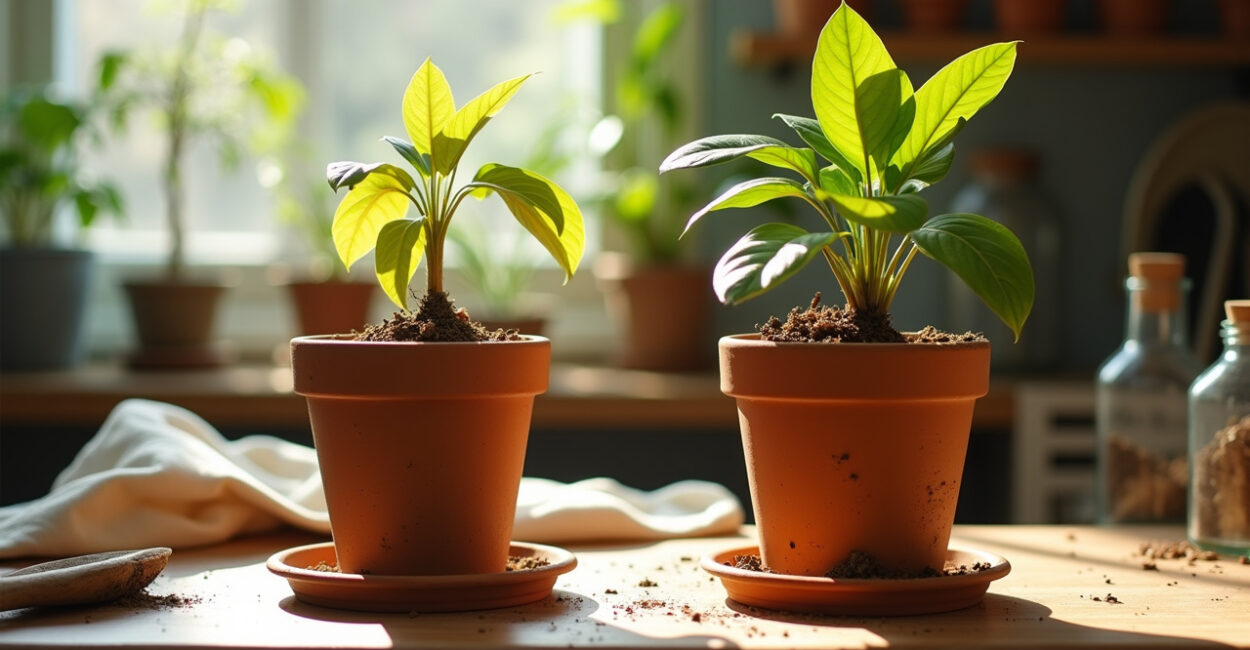
Expectation: the fancy store bag will solve everything. Reality: many ready-made mixes are one-size-fits-all and fail certain plants. I tested two identical pothos cuttings—one in store potting soil, one in DIY mix with extra perlite. Within three weeks, the DIY plant had thicker new roots and a stronger sheen. The store-soil cutting showed slow growth and soggy lower stems. The takeaway: you can buy convenience, but a small DIY tweak often outperforms a generic mix.

Common Mistakes That Quietly Ruin Pots (and How to Avoid Them)
What to avoid:
- Using garden soil in pots — it compacts and brings pests.
- Over-relying on peat alone — it holds water like a sponge and can starve roots of air.
- Using too-fine ingredients — fines block drainage.
- Ignoring pot drainage holes — good soil can’t save a sealed pot.
Catching these mistakes early saves plants. When in doubt, add coarse material and check how fast water leaves the pot.
A Small Troubleshooting Guide for Root Rot and Slow Growth
Root rot shows as black, slimy roots and yellowing leaves. Slow growth often comes from poor soil structure or compacted roots. First, check the soil: does it smell sour? Is it clumped? If yes, remove the plant, trim dead roots, and repot into a fresh mix that prioritizes aeration. Try these steps:
- Remove the plant and shake off excess soil.
- Trim mushy roots back to healthy white tissue.
- Repot in a mix with at least 20–30% chunky material (perlite, bark, pumice).
- Water lightly and wait until the mix is visually dry on top before watering again.
Good soil often reverses decline within a month.
How to Choose Store Mixes When You Don’t Want to DIY
Not everyone has time to mix their own soil. When buying, read the label like a nutrition facts panel. Look for terms like “bark,” “perlite,” “pumice,” “coco coir,” or “sphagnum.” Avoid vague labels that just say “all-purpose” without listing texture-building components. For peat-heavy blends, add your own perlite at home to boost aeration. Reference product reviews and brand specs. For deeper reading on soil science, see University of Minnesota Extension on potting mixes and this overview from USDA for broader soil principles.
Mini-story: I once rescued a struggling monstera by replacing its heavy, old soil with a light bark-based mix. Leaves unfurled in days. That plant had been losing energy for months; the fix was simple but decisive. Soil mattered more than fertilizer or sunlight it was getting.
Now that you know what to look for, the next repotting day becomes a chance to revive plants, not gamble with them. A few thoughtful ingredients will buy you months of healthier growth and far fewer surprises.
How Often Should I Repot to Improve Soil Health?
Repotting every 12–24 months is a good rule but depends on plant type and growth rate. Fast growers often need more frequent repotting because roots fill the pot and soil structure degrades. When soil compacts, drains poorly, or smells sour, repot immediately. Also repot if roots circle the pot or push soil out. Use the opportunity to replace the old soil with a fresh mix that improves aeration and nutrient balance. Repotting is both rescue and refresh—don’t delay when signals appear.
Can I Sterilize Old Soil Instead of Replacing It?
Sterilizing old soil can kill pathogens but won’t restore lost structure or air pockets. Heat-sterilizing in an oven may remove pests and fungi but also kills beneficial microbes. It won’t fix compaction, and the texture still tends to bind water. A better approach is to amend used soil with fresh components: add coarse perlite, pumice, or bark and a small amount of compost or worm castings to reintroduce microbes. Often, mixing 30–50% new material is faster and more reliable than full sterilization.
How Do I Know If My Soil is Holding Too Much Water?
Signs of waterlogged soil include a musty smell, slimy roots, yellowing lower leaves, and slow growth. Physically, you’ll notice the pot feels heavy long after watering and water pools on the surface or drains very slowly. Stick a finger 1–2 inches down; if it’s soggy days after watering, the mix holds too much water. A moisture meter helps, but the finger test works fine. Fix by repotting into a fresher, coarser mix with added perlite or pumice to improve drainage and aeration.
What’s the Role of Additives Like Charcoal, Coco Coir, and Worm Castings?
Each additive serves a clear role. Charcoal absorbs toxins and helps with drainage in chunky mixes. Coco coir holds moisture and resists compaction better than peat when used correctly. Worm castings provide slow-release nutrients and beneficial microbes. Use them in balance: charcoals and coarse aggregates for aeration, coir for moisture retention, and castings as a nutrient boost. Too much of any one thing tips the balance—for instance, excess coir can over-retain water, while too much castings can make the mix heavy.
How Do I Tailor Soil for Plants with Different Needs in the Same Room?
Group plants by drainage and moisture needs rather than by appearance. Use separate pots and mixes for each group: succulents in fast-draining mixes, tropicals in airy but moisture-retentive mixes, and orchids in chunky bark. If you must use a single shelf, place succulents in smaller pots with cactus mix and tropicals in larger pots with a bark-based potting medium. Water schedules will differ—accept that one room can host multiple micro-environments with thoughtful pot and soil choices.