
Buying: How to Pick Healthy Houseplants at the Nursery
Avoid costly mistakes with our essential buying plants checklist. Learn what to check before you buy and bring home healthy, thriving plants!
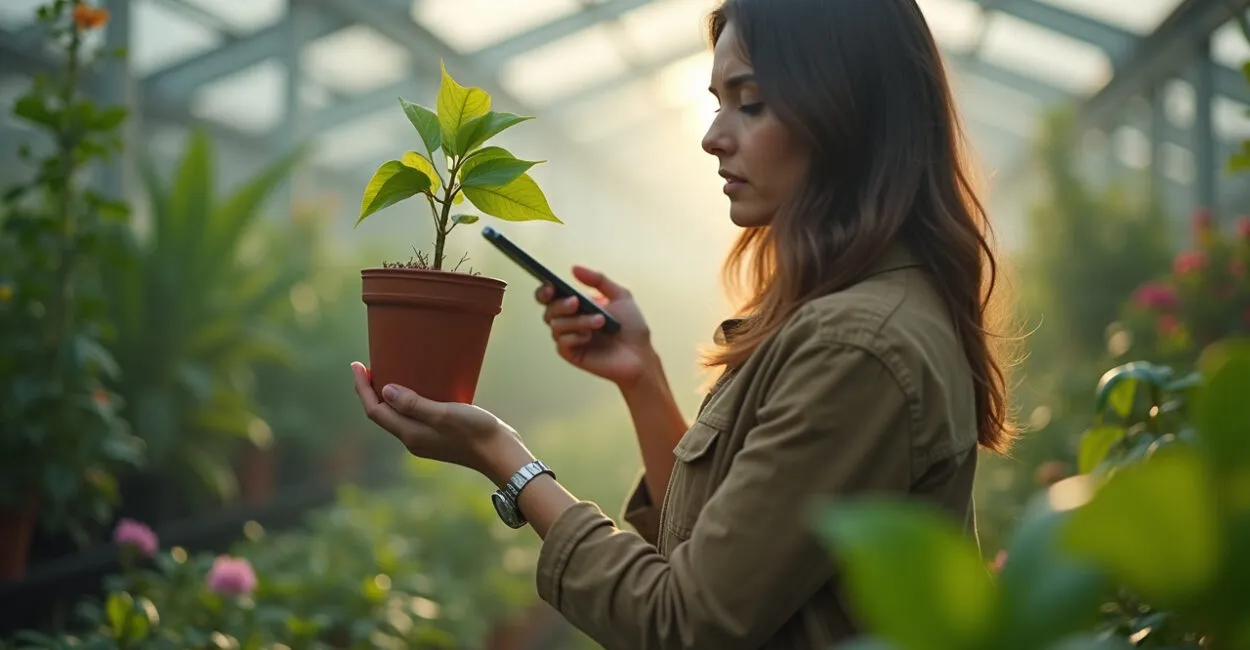 Shopper inspects a drooping plant for pests
Standing in a crowded nursery, holding a sad little pot and wondering if you just paid $25 for trouble—this is the moment buying becomes either a bargain or a regret. Walk away with the wrong plant and you’ll spend nights worrying about pests, root rot, or a slow death from stress. Walk out with the right one and it’ll thrive for years. Here’s a quick, confident checklist to use at the shop so buying pays off immediately.
Spot Pests in Under 60 Seconds
Pests hide where you least expect them. Flip leaves, check the undersides, and tap foliage over white paper. Look for tiny specs, webbing, sticky residue, or moving dots. Bring a small flashlight on your phone—some pests blend into dark potting mix. If you spot scale, mealybugs, spider mites, or unusual tiny holes, that plant is a risk. Buying an infested plant can spread to others at home. Ask the staff if they quarantine new stock and what recent treatments they’ve used.
Root Crowding: The Silent Dealbreaker
Roots tell the real story. Pull the plant gently from its pot or tip it slightly to peek at the base. If roots circle the outside or form a tight ball, the plant is root-bound. That means stress, poor water uptake, and likely transplant shock. Buying root-bound plants often means repotting immediately or losing the plant in weeks. A healthy root system is pale, firm, and spreads. If you can’t inspect the roots, lower your expectations—or ask for permission to check.
Read also: Fertilizer: When and What to Feed Houseplants for Growth
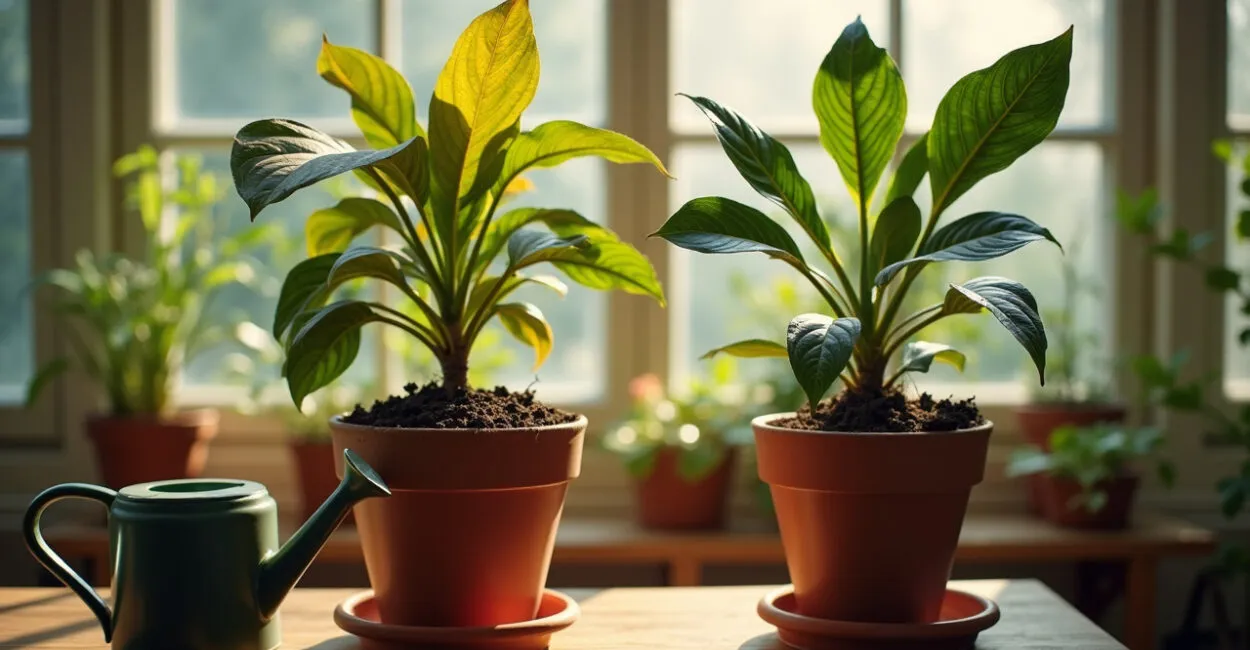
How Stress Shows on the Surface
Stress is a mood you can read. Yellowing lower leaves, crispy leaf edges, black spots, or sudden limpness are red flags. Some stress is fixable; chronic signs are not. Tap the soil—if it’s bone-dry or waterlogged, that reveals recent neglect. Buying a stressed plant means extra work: slow recovery, extra trims, and careful watering. Compare two similar plants side by side—one bright, one tired—and you’ll see a clear difference in vigor and future chances.
Beginners: Six Plants That Rarely Fail
If you’re new to plant buying, pick varieties with forgiving habits. These tolerate light swings, missed waterings, and minor neglect. Favorites include pothos, snake plant (Sansevieria), ZZ plant, spider plant, peace lily, and pothos’ cousin—philodendron. They bounce back fast and are easy to repot. Buying any of these lowers early failure risk. For specific care basics, check university horticulture pages like Iowa State Extension or consumer guides at Royal Horticultural Society for lighting and watering tips.
Read also: Watering: How Often Your Houseplants Really Need It
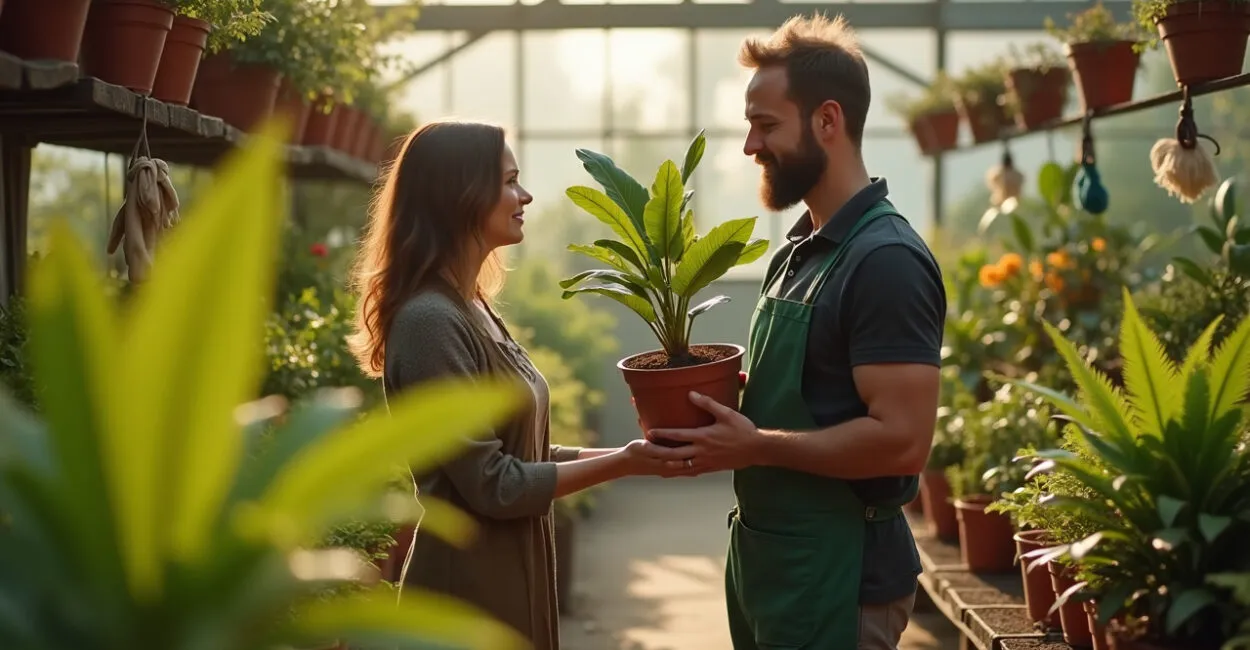
The Five Questions to Ask Nursery Staff Before You Buy
Ask these and you’ll avoid surprises: 1) How long has this plant been in store? 2) Any recent pest or disease issues? 3) What soil or fertilizer was used? 4) Has it been repotted recently? 5) Can I inspect roots? Their answers reveal care standards. If staff dodge or give vague replies, assume higher risk. Buying becomes safer when you learn the plant’s short history. Track answers mentally and choose the healthiest-sounding option.
Common Mistakes Buyers Make (and How to Skip Them)
People rush, fall for size, or buy strictly for looks. That’s the fastest route to regret. Common errors: 1) Choosing the biggest plant—often root-bound. 2) Ignoring pests on nearby plants—infestations spread. 3) Buying without realistic light in mind. 4) Not asking about return or quarantine policies. Create a quick rejection list on your phone: pests, root-bound, major leaf loss, and staff evasiveness. Buying with a “no” list keeps impulse decisions honest.
A Surprise Comparison: Nursery Stock Vs. Online Buying
Expectation: online is cheaper and convenient. Reality: nurseries let you inspect, smell, and touch—advantages that matter for plant health. Online buying can be good for rare varieties, but you risk shipping stress and unknown root conditions. If buying online, choose reputable sellers with clear photos, return policies, and live arrival guarantees. If you want instant reassurance, local nurseries win. The best approach: use both, but only after applying the same inspection standards the nursery allows in person.
Buying right is a small set of smart moves: check for pests, peek at roots, read stress signs, know beginner-friendly species, and ask pointed questions. Do that and you’ll skip most costly mistakes—plus you’ll come home with a plant that actually makes your place better.
How Do I Quickly Tell If a Plant Has Pests?
Inspect the undersides of leaves and the stem base. Use your phone flashlight to spot tiny mites or eggs. Tap leaves over white paper to catch falling insects or scales. Smell the soil—musty or fermented odors can hint at decay or fungus gnats. Look for sticky residue (honeydew) or webbing. Ask staff whether they recently treated plants and if they quarantine new arrivals. If you see multiple signs, don’t buy; infestations usually need dedicated treatments and risk spreading to your other plants.
What Should I Say to Nursery Staff If I Want to Check Roots?
Approach politely and be direct: “May I check the roots by tipping the pot?” Explain you want to avoid buying a root-bound plant. Good staff will help or do it for you. If staff refuse, ask when the plant was last repotted and if return options exist. Note the answer. If they’re vague or defensive, treat that plant as higher risk. Most nurseries prefer customers to be informed; their willingness to let you inspect signals confidence in their stock and care practices.
Which Signs Mean a Plant is Too Stressed to Save?
If most leaves are brown, mushy, or missing, the plant is often beyond easy recovery. Severe stem collapse or black, foul-smelling roots signal rot that’s hard to fix. A few yellowed leaves or a couple of brown edges are normal and fixable. You can nurse stressed plants, but know the effort required: trimming, repotting, and weeks of careful care. Buying a plant with widespread damage usually means extra time and money; only take that on if you want a rescue project.
When is It Okay to Buy a Root-bound Plant?
Buying root-bound plants can be fine if you plan to repot immediately with fresh soil and a slightly larger container. Ensure roots are healthy-looking—light-colored and firm, not slimy or foul-smelling. Ask staff if they’ll repot before sale or are willing to give a discount. If you lack potting soil, time, or space to repot, avoid it. Root-bound plants often show fast stress; buying one without a plan increases chances of losing it within weeks.
How Do I Choose the Right Plant for My Light Conditions?
Match the plant’s origin to your home. Bright, indirect light suits many houseplants like philodendrons and pothos. Snake plants and ZZ plants tolerate low light. South-facing windows give strong, direct light—pick succulents or cacti. Ask staff to confirm light recommendations and compare the plant’s tag to your room. If unsure, take a photo of your space and ask the nursery for advice. Choosing a plant that fits your light will reduce stress and make buying a long-term win.