

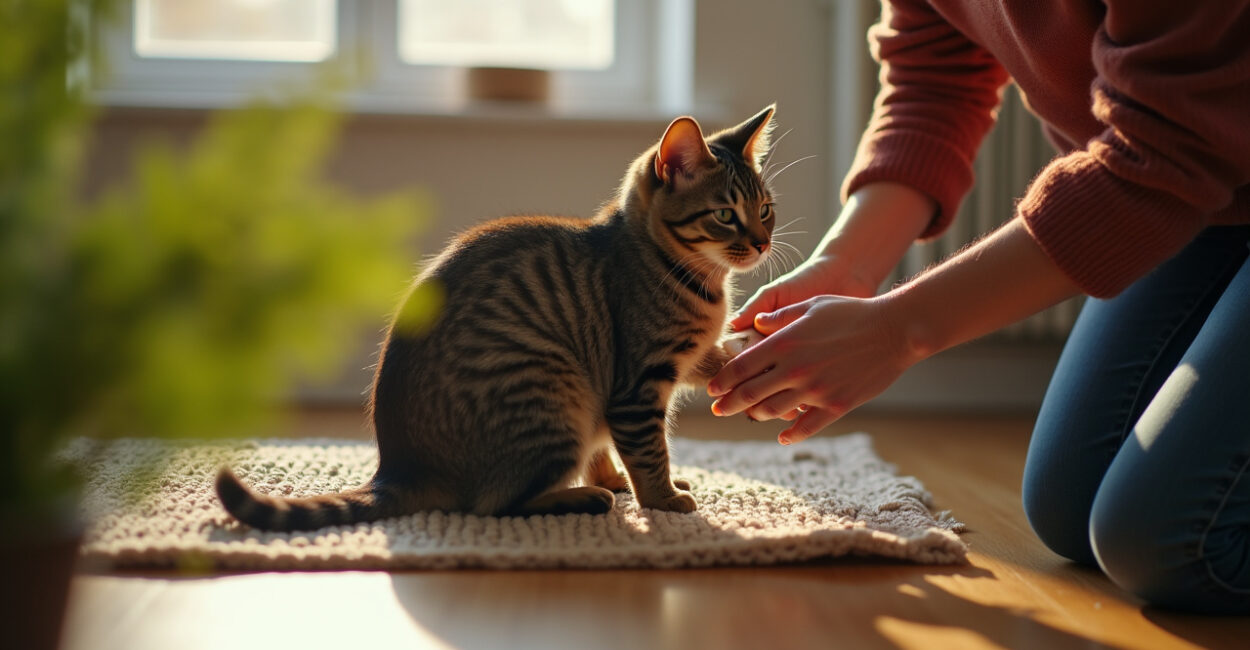
He was sitting by the heater, thin fur plastered to the ribs, and a crescent of dry, flaky skin at the base of his tail. That small, scaly patch was the start of a string of veterinary visits that taught me how fragile senior cat skin can be. If your older short-coated cat looks dull, scratches more, or has slower-healing nicks, pay attention—these are not “just old cat things.” senior cat skin needs targeted care now, not later.
Why Older Short-coated Cats Get Dry, Fragile Skin
Age changes the skin’s oil and repair systems. As cats age, oil glands slow and skin thins. Short coats reveal those changes quickly. You’ll see flakes, thin patches, and slower wound closure. Many owners mistake this for simple shedding. In reality, senior cat skin often signals nutrition gaps, thyroid issues, or immune shifts. Look for changes in texture, elasticity, and shine. Early detection saves pain and prevents infections that can become serious in older cats.
How to Spot Dermatitis Vs. Normal Age-related Changes
Not all redness is dermatitis, but treat suspicious signs seriously. Dermatitis often has hot spots, persistent redness, foul odor, oozing, or intense scratching. Age-related change tends to be generalized dryness, thinner hair, and slower healing without heavy odor. Use this quick checklist:
- Dermatitis: localized, swollen, smelly, or crusted.
- Dry age skin: flaky, scaling, uniformly dull coat.
- When in doubt, photograph and check for progression over 48–72 hours.
If lesions grow, bleed, or your cat seems in pain, get a vet look. Early treatment prevents chronic issues on senior cat skin.


The Moisturizers and Topical Options That Actually Help
Not every lotion is cat-safe—many are toxic. Use only products labeled for cats or vet-recommended formulations. Safe options include hypoallergenic emollients, ceramide-containing creams, and veterinary conditioners. Avoid essential oils, human steroid creams, and anything with tea tree oil. Apply sparingly after grooming to damp skin. For hotspots, a vet may prescribe medicated creams or topical antibiotics. Keep a small tube of approved moisturizer at home for touch-ups—short-coated senior cat skin responds quickly to consistent care.
Supplements and Diet Tweaks That Repair Skin from the Inside
What you feed matters as much as what you apply. Omega-3 fatty acids, especially EPA and DHA, reduce inflammation and improve coat shine. A high-quality protein source supports repair. Consider supplements with veterinary approval and adjust fat ratios slowly. Avoid over-supplementing vitamin A or zinc without tests—too much can harm. If your cat has chronic skin issues, test for thyroid disease or kidney problems; systemic disease often shows first on senior cat skin.


Grooming Steps That Protect Fragile Senior Skin
Gentle, regular grooming is a protective routine, not a luxury. Use soft rubber brushes or a fine-toothed comb and short sessions—older cats tire fast. Trim around problem areas to let skin breathe. Bathe rarely, only with cat-specific, moisturizing shampoo, and rinse thoroughly. Always dry gently; damp fur traps bacteria. Keep nails trimmed to reduce self-inflicted wounds. A short, calm grooming ritual does more than clean: it reveals early changes in senior cat skin before they worsen.
What to Avoid: Common Mistakes That Make Skin Worse
Many owners hurt their cats with good intentions. Common errors include over-bathing, using human creams, ignoring small wounds, and delaying vet checks. Another frequent mistake: starting supplements or topical agents without guidance, which can mask infections. Avoid cash-shelf “natural” remedies with essential oils. If a skin patch doesn’t improve in a week, don’t assume it’s harmless. A quick vet check can rule out parasites, allergies, or cancer—conditions that can masquerade as benign senior cat skin problems.
A Surprising Before/after: How Small Changes Speed Healing
One owner swapped to a balanced diet, added omega-3s, and a vet moisturizer—results in three weeks. Before: a scaly flank, daily scratching, and a thin, brittle coat. After: less scratching, visible regrowth, and no new hotspots. The difference wasn’t a miracle cure, but a focused plan: nutrition, topical protection, gentle grooming, and quick vet intervention. This comparison shows that targeted care turns stagnation into improvement. Treat senior cat skin like a project—consistent small steps yield clear, fast gains.
For vet-backed reading, see resources like the American Veterinary Medical Association and university dermatology pages. For example, the AVMA outlines general senior pet care and the Cornell Feline Health Center covers skin and coat conditions. American Veterinary Medical Association and Cornell Feline Health Center are reliable starting points.
If you leave with one action: check your short-coated senior cat now—feel the skin, look for flakes, and note any slow-healing spots. Then call your vet if anything looks off. Small vigilance now spares major problems later.
How Soon Should I See a Vet for Flaky Patches?
If patches are mild and your cat behaves normally, you can monitor 48–72 hours while improving grooming and diet. But seek veterinary care immediately if the area is red, warm, oozing, or your cat is lethargic or losing weight. Older cats can go from minor irritation to infection faster than younger cats. A vet visit within a few days is reasonable for persistent flakes. Faster evaluation is wise for wounds, strong odor, or sudden hair loss, since senior cat skin heals more slowly and infections escalate.
Which Moisturizers Are Safe for Senior Cats?
Choose products labeled for cats or those your vet recommends. Look for hypoallergenic creams, ceramide-based ointments, or veterinary emollients with clear ingredient lists. Avoid human lotions with fragrances, alcohol, or essential oils like tea tree. Apply sparingly to clean, dry skin and observe for licking or irritation. If your cat ingests small amounts, most veterinary topical emollients are safe, but anything with medicinal actives should be under vet guidance. Always introduce one product at a time to spot reactions on senior cat skin.
Can Supplements Really Improve My Cat’s Skin?
Yes—when chosen and dosed correctly. Omega-3 fatty acids (EPA and DHA) reduce inflammation and help coat shine, while adequate protein supports skin repair. Use supplements made for cats and check with your vet before starting. Overdosing vitamins or minerals can harm older cats, especially with kidney or liver disease. Supplements take weeks to show change; expect 6–12 weeks for noticeable improvement. Monitor weight, appetite, and stool quality, since systemic health affects how well senior cat skin responds to dietary changes.
What Grooming Frequency is Ideal for Short-coated Senior Cats?
Short-coated seniors usually do well with gentle grooming two to three times a week. Keep sessions short—five to ten minutes—to avoid stress. Use soft brushes or rubber mitts and inspect the skin for flakes, lesions, or parasites each session. Bathe only when needed, using a moisturizing, cat-safe shampoo, and always rinse and dry thoroughly. Frequent checks allow you to catch problems early; consistent light grooming helps protect fragile senior cat skin and prevents small issues from turning into infections.
How Can I Tell If a Skin Lesion is Infected?
Signs of infection include increased redness, swelling, warmth, pus, an unpleasant odor, and pain when touched. Your cat might lick or bite the spot persistently, or show behavioral changes like hiding or reduced appetite. For older cats, infections progress faster and can lead to fever or lethargy. If you see any of these signs, clean the area gently and call your vet. Quick treatment—antibiotics, topical care, or wound management—protects fragile senior cat skin and speeds healing.