

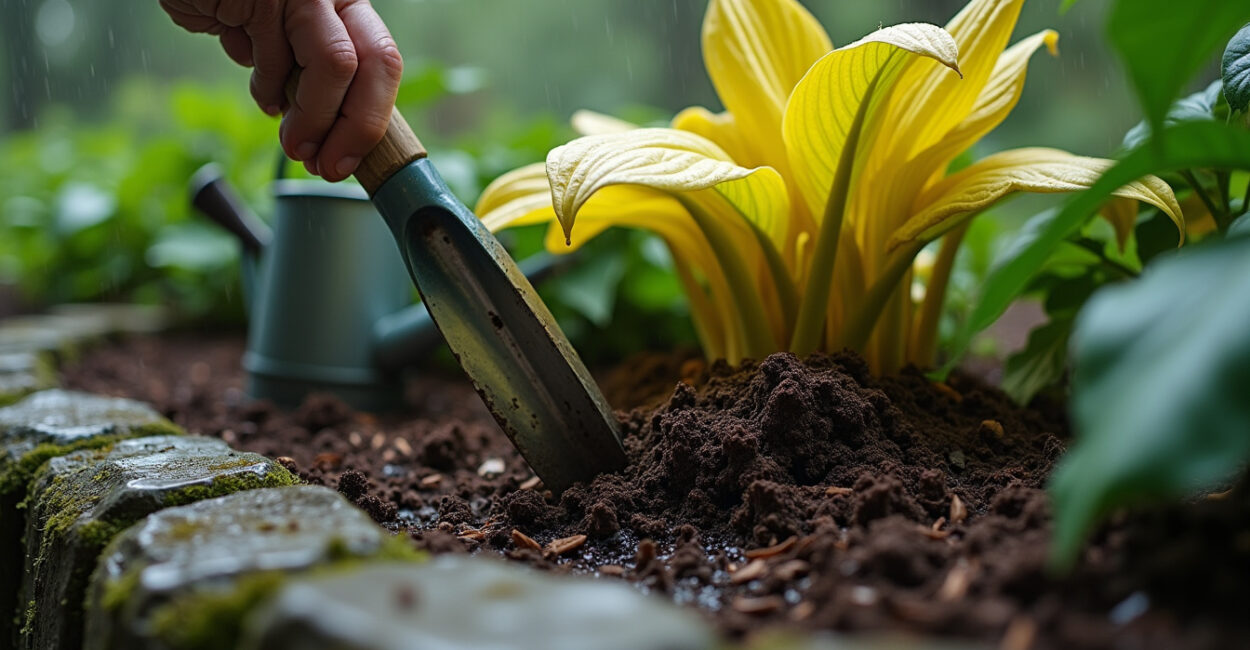
Shade plants usually don’t fail because of shade — they fail because their roots sit wet for too long.
That’s the pattern behind most watering mistakes for shade plants: people treat low-light beds like they need constant moisture, then wonder why leaves yellow, stems soften, and roots rot from the bottom up. The fix is not “more water.” It’s smarter watering, faster drainage, and a better read on what the soil is doing under the surface.
The Real Problem is Soggy Roots, Not Low Light
In technical terms, the issue is root hypoxia — roots lose access to oxygen when soil stays saturated. Shade slows evaporation, so wet soil lingers longer than it does in full sun. That’s why watering mistakes for shade plants often look harmless at first: the top inch seems dry, but lower down the root zone is still wet.
Here’s the twist: many beginners water on a calendar, not by condition. Twice a week sounds disciplined. In shade, it can be a trap. I’ve seen hostas, ferns, and impatiens collapse after the owner “helped” them with one extra watering round, then another. The leaves didn’t scream drought. They quietly turned limp, then mushy.
Shade plants usually want less frequent watering, not more. And if the bed is heavy clay, the problem gets worse because water has nowhere to go. The plant isn’t being starved; it’s being drowned slowly.
How to Tell If You’re Overwatering Shade Plants
The easiest sign is a plant that looks thirsty even though the soil is wet. That’s the classic false alarm. You water again, and the roots sink deeper into trouble. One of the most common watering mistakes for shade plants is confusing droop with dryness.
- Yellowing lower leaves that keep spreading
- Soft stems near the soil line
- Moldy mulch or a sour smell
- Soil that stays shiny or sticky long after watering
Quick comparison: healthy shade soil feels damp and crumbly; bad shade soil feels cold, slick, and heavy. That difference matters more than the calendar. For a solid reference on soil water behavior, see Purdue Extension’s guidance on soil moisture and drainage and the USDA’s materials on soil health.
Watering less often, but more thoughtfully, usually saves the plant. Next comes the part most beginners skip: how to water without creating the problem in the first place.

The Simple Watering Rhythm That Actually Works
Start by watering deeply, then waiting. The goal is to wet the root zone, not keep the surface constantly damp. In most gardens, that means checking the soil with your finger or a trowel before you water again. If the top 2–3 inches are still moist, hold off. That one habit prevents a lot of watering mistakes for shade plants.
Mini-story: a neighbor kept losing ferns under a big maple. She blamed the tree, then the nursery, then the weather. The real issue was a sprinkling habit — little drinks every evening. Once she switched to fewer, deeper waterings and pulled back the mulch from the stems, the new fronds came in clean and sturdy.
One caveat: this works well in most shade beds, but not every setup is the same. Pots, sandy soil, and extreme heat all change the rhythm. Still, the principle holds: shade slows drying, so your job is to respect the pause.
If you remember one thing, make it this: shade plants don’t want sympathy. They want oxygen at the roots.
Should I Water Shade Plants Every Day?
No. Daily watering is one of the fastest ways to create soggy roots, especially in heavy soil or beds with poor drainage. Shade slows evaporation, so the soil often stays wet longer than it looks. Check the root zone first. If the top few inches are still moist, wait. A consistent schedule matters less than reading the soil itself.
Why Do My Shade Plants Look Wilted If the Soil is Wet?
That’s often a root problem, not a water problem. When roots sit in saturated soil, they can’t absorb oxygen properly, so the plant wilts even though water is present. This is one of the most confusing watering mistakes for shade plants because the symptom looks like drought. If the soil is wet and the plant is drooping, pause watering and inspect drainage.
What’s the Best Way to Test Moisture?
The finger test still works well: press into the soil 2–3 inches deep. If it feels cool and moist, wait. For larger beds, a narrow trowel gives a better read because the surface can dry while the lower layer stays wet. Soil probes are fine too, but they’re not required. What matters is checking below the top layer, where roots actually live.
Do Shade Plants Need Less Water Than Sun Plants?
Usually, yes — but not always. Shade reduces evaporation, so many shade plants need water less often than sun plants. That said, dense tree cover can steal rain, and dry root competition can change everything. The best rule is to water based on soil and plant response, not light alone. Shade changes the pace, not the rules of plant health.
What Should I Do If I’ve Been Overwatering?
Stop watering until the soil dries to a reasonable level, then improve drainage if needed. Pull mulch back from stems, loosen compacted soil carefully, and avoid adding more water “to help.” If roots have rotted badly, some plants won’t recover. But many will rebound once the wet cycle ends. The key is to break the pattern before the damage reaches the crown.