
How to Create a Low-Maintenance Garden: Essential Tips and Tricks
How to design a low-maintenance garden by choosing climate-adapted plants, improving soil once, and using mulch, spacing, and irrigation to reduce ongoing work.
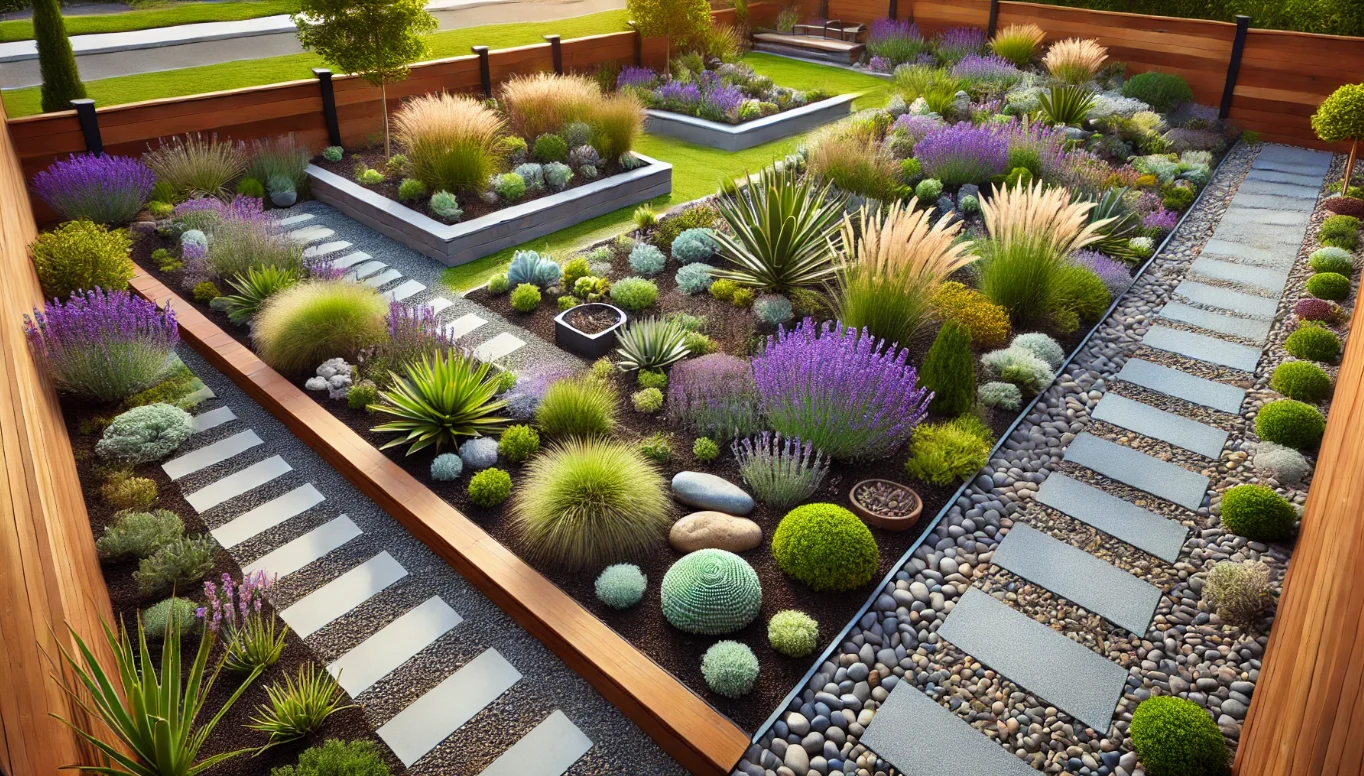 Low-maintenance garden with grasses and stone edging
📅 Updated on 06/13/2026
A truly low-maintenance garden is not a “set it and forget it” space; it is a garden designed to reduce repeated labor from the start. The goal is to cut down on watering, pruning, fertilizing, and replanting without giving up color, structure, or seasonal interest.
The mistake most people make is trying to rescue a high-maintenance layout with more effort. In practice, that usually means more work, not less. If you match plants to your climate, improve the soil once, and make design choices that limit constant intervention, the garden becomes easier to manage year after year.
Key Takeaways
- The easiest gardens are built around climate-fit plants, not trendy plants that need constant attention.
- Mulch, spacing, and drip irrigation do more to reduce labor than most “low-maintenance” plant lists.
- Perennials, evergreen shrubs, and ornamental grasses usually outperform bedding annuals if your goal is less upkeep.
- A simple layout with fewer lawn edges, fewer containers, and fewer plant groups is faster to maintain.
- The best low-maintenance gardens still need seasonal cleanup, but they avoid the weekly tasks that drain time.
How a Low-Maintenance Garden Is Planned From the Ground Up
A low-maintenance garden is a landscape designed to minimize routine care by using the right plant choices, soil conditions, and layout decisions from the beginning. That means the work happens upfront: you prepare the site, choose plants that fit the light and climate, and reduce features that create recurring labor later.
This is where most projects go wrong. People often buy plants first and think about maintenance later. The better sequence is the opposite: define sun exposure, drainage, mature plant size, and watering needs before anything goes into the ground. The USDA’s plant guidance and Plant Hardiness Zone Map are useful starting points because they help you avoid plants that are simply wrong for your region.
A garden becomes low-maintenance when design decisions reduce future interventions more than plant selection alone ever can.
The three decisions that matter most
- Climate fit: Choose plants that survive your winter lows and summer heat without protection.
- Water strategy: Group plants by moisture needs so irrigation stays simple and efficient.
- Space control: Leave enough room for mature growth so pruning does not become a weekly job.
That last point matters more than most guides admit. A plant that looks “small and neat” in the nursery can become a maintenance problem if it is crowded, shaded, or forced into the wrong scale. Who works in gardens for a living knows this pattern well: the most demanding spaces are usually the ones where the original plan ignored mature size.
Choose Plants That Stay Attractive Without Constant Pruning
The best plants for low upkeep are hardy perennials, slow-growing shrubs, native plants, and ornamental grasses that keep their shape with minimal help. Bedding annuals can look great, but they often need frequent deadheading, fertilizing, and replacement. If the goal is less labor, structure matters more than short-lived bloom power.
Reliable plant types for lower upkeep
- Native perennials: Often adapt better to local rainfall and soil conditions.
- Evergreen shrubs: Give the garden year-round structure with limited pruning.
- Ornamental grasses: Add movement and texture while tolerating dry spells once established.
- Groundcovers: Reduce weeding and bare soil exposure.
There is no universal “best” plant list, and that is where advice often gets oversimplified. A lavender border may be easy in a dry, sunny climate, but it can rot in heavy, wet soil. A hosta bed may thrive in shade, but it will need slug control in some regions. This is why local extension services matter; for example, many state university extensions publish region-specific planting guidance, such as University of Minnesota Extension’s flower and landscape resources.
Soil, Mulch, and Irrigation Do More Than Fancy Plant Labels
Healthy soil and efficient watering reduce maintenance more reliably than expensive plants do. If the soil holds too little moisture, drains too slowly, or lacks organic matter, you will spend the season correcting problems instead of enjoying the garden. A one-time soil improvement can lower work for years.
What to fix first
- Test the soil: Check pH and texture before planting.
- Add organic matter: Compost improves structure and water retention.
- Apply mulch: A 2- to 3-inch layer suppresses weeds and slows evaporation.
- Install drip irrigation: It delivers water at the root zone and reduces waste.
The EPA WaterSense program is a solid reference for water-efficient irrigation habits, especially if you want to reduce runoff and overwatering. Drip lines and soaker hoses usually beat sprinklers in a garden that is meant to be easy to maintain, because they water the plants without feeding weeds across the entire bed.
Mulch and drip irrigation are maintenance tools, not decorative extras; they prevent problems before they need daily attention.
That said, this method works best in planted beds. It is less useful in pots that dry out quickly or in sloped sites where water runs off before it soaks in. There is a point where site conditions override even good planning, and that is one reason some gardens still need seasonal adjustments.
Design for Fewer Edges, Fewer Containers, and Less Cleanup
Layout has a bigger impact on workload than most homeowners expect. Curves, tiny planting pockets, and lots of separate containers create more edging, more watering, and more cleanup. A simpler layout is not just cleaner visually; it is faster to manage.
Design choices that reduce labor
- Use broad planting beds: They are easier to mulch and weed than narrow strips.
- Limit container count: Pots dry fast and need frequent watering.
- Reduce lawn edges: Edging is one of the most repetitive garden chores.
- Repeat a few plant groups: Repetition simplifies care and creates visual order.
Here is a practical example. A homeowner in a windy suburban yard replaced six small beds, a patchy lawn corner, and eight mismatched pots with three larger planting zones, two shrubs, native groundcover, and a single drip line. The garden looked more polished within one season, but the real win was time: watering dropped sharply, weeds were easier to spot, and weekend trimming stopped feeling endless.
What to Plant If You Want Color Without High Upkeep
If you want color without constant replanting, combine long-blooming perennials, shrubs with attractive foliage, and a few seasonal accents rather than filling every inch with annuals. The lowest-work gardens usually rely on texture, leaf shape, and staggered bloom times instead of nonstop flowers.
Good categories to consider
- Long-blooming perennials: Coneflower, salvia, black-eyed Susan, and daylily in the right climate.
- Flowering shrubs: Hydrangea, spirea, and potentilla in suitable conditions.
- Foliage plants: Heuchera, sedge, and boxwood can carry the design even when not flowering.
Annuals still have a place, but use them like accents, not the foundation. If you rely on them for most of the color, you also inherit the labor of replacement, fertilizing, and midsummer cleanup. That tradeoff is fine for a display bed, but it is the wrong strategy for a garden meant to stay easy.
Weeding and Pruning Stay Manageable Only When You Set Limits
Weeds and pruning become a problem when planting beds are too open, too crowded, or planted with fast-growing species that need constant correction. The trick is not to eliminate these tasks; it is to keep them predictable. A garden that needs 20 minutes of attention every week is far easier than one that demands a full-day rescue every month.
Practical limits that keep work down
- Choose slower-growing varieties: They need fewer cuts to stay in bounds.
- Avoid overfertilizing: Excess growth creates more pruning and weaker structure.
- Deadhead selectively: Not every plant needs it, and some seed heads add winter interest.
- Cut back in stages: Leaving stems through winter can support pollinators and reduce bare soil.
This is one area where experienced gardeners sometimes disagree. Some prefer a very tidy fall cleanup; others leave more material in place for birds and beneficial insects. Both approaches can work, but the right choice depends on local pest pressure, snowfall, and whether your beds are prone to disease. There is no single rule that fits every site.
How to Keep Maintenance Low Through the Seasons
The easiest gardens are not maintenance-free; they are seasonal systems with a light, repeatable rhythm. Spring is for cleanup and dividing crowded perennials. Summer is for watering and spot-weeding. Fall is for mulch renewal and light pruning. Winter is for observation and planning rather than constant intervention.
A simple yearly rhythm
- Spring: Remove winter damage, top up mulch, check irrigation.
- Summer: Water deeply but less often, deadhead only where needed.
- Fall: Cut back only what must be cut, leave beneficial structure when possible.
- Winter: Review what failed and replace only the plants that truly underperformed.
The most useful habit is restraint. If a plant is thriving, leave it alone. If a bed looks crowded, thin it once instead of repeatedly trimming it back. A low-maintenance garden succeeds because it avoids unnecessary correction, not because it eliminates all work.
What to Do Now If You Want a Low-Maintenance Garden
Start by choosing one small area and redesigning it for simplicity: pick climate-fit plants, improve the soil, add mulch, and reduce the number of different plant types in the bed. That single change will teach you more than a dozen “easy garden” lists ever can. The real advantage comes from making fewer decisions, not from buying more products.
If you are planning a new bed, check your hardiness zone, map the sun, and choose a layout that leaves room for mature growth. Then build from there. The best low-maintenance garden is the one that matches your site, your climate, and the amount of time you actually want to spend outside.
Frequently Asked Questions
What makes a garden low-maintenance?
A garden is low-maintenance when its plants, soil, and layout reduce routine work like watering, pruning, weeding, and replanting. The key is to design for the site instead of fighting it. Plant choice matters, but spacing, mulch, and irrigation matter just as much.
Are native plants always the easiest option?
Native plants are often easier because they are adapted to local weather and soil, but “native” does not automatically mean low-maintenance. A native plant in the wrong light or soil can still struggle. The best choice is a native species that fits the exact conditions of your yard.
Is a lawn part of a low-maintenance garden?
It can be, but large lawns usually add mowing, edging, watering, and fertilizing. Smaller lawn areas are easier to manage, especially when paired with beds of perennials, shrubs, or groundcover. Many low-upkeep designs replace part of the lawn with planted space.
How often should a low-maintenance garden be watered?
That depends on climate, soil, plant age, and rainfall. Newly planted beds need more frequent watering until roots establish, while mature beds with mulch and drip irrigation can usually be watered less often. The right schedule is deep and infrequent, not shallow and constant.
Can containers be part of a low-maintenance garden?
Yes, but they usually increase upkeep because pots dry out faster than in-ground beds. If you use containers, limit the number and choose larger pots that hold moisture longer. Self-watering containers can help, but they still need monitoring.
What is the biggest mistake people make?
The biggest mistake is choosing plants for looks alone and ignoring mature size, climate fit, and water needs. That leads to constant correction later. A simpler plan at the start almost always saves more time than any cleanup trick.