

📅 Updated on 06/13/2026
A raised garden bed gives you more control over soil, drainage, and weed pressure than planting directly in the ground. That makes it one of the fastest ways for a beginner to get better results without needing a perfect yard or perfect soil.
If your native soil is compacted, full of clay, or just plain tired, a raised bed can turn a frustrating patch into a productive growing space. This guide covers what to build, how deep to make it, what materials to use, and the decisions that matter once the bed is in place.
Key Takeaways
- A raised bed is a framed growing area filled with soil mix, not just a decorative box in the yard.
- Depth matters more than height alone; most vegetables do well with 10 to 12 inches of good root space.
- Soil blend is the real engine of success, and cheap fill dirt usually creates weak growth and poor drainage.
- Cedar, redwood, and composite boards last longer than untreated softwood, but budget and climate affect the best choice.
- Most beginner mistakes come from skipping drainage, using the wrong soil, or building a bed that is too wide to reach comfortably.
How a Raised Garden Bed Works and Why It Pays Off
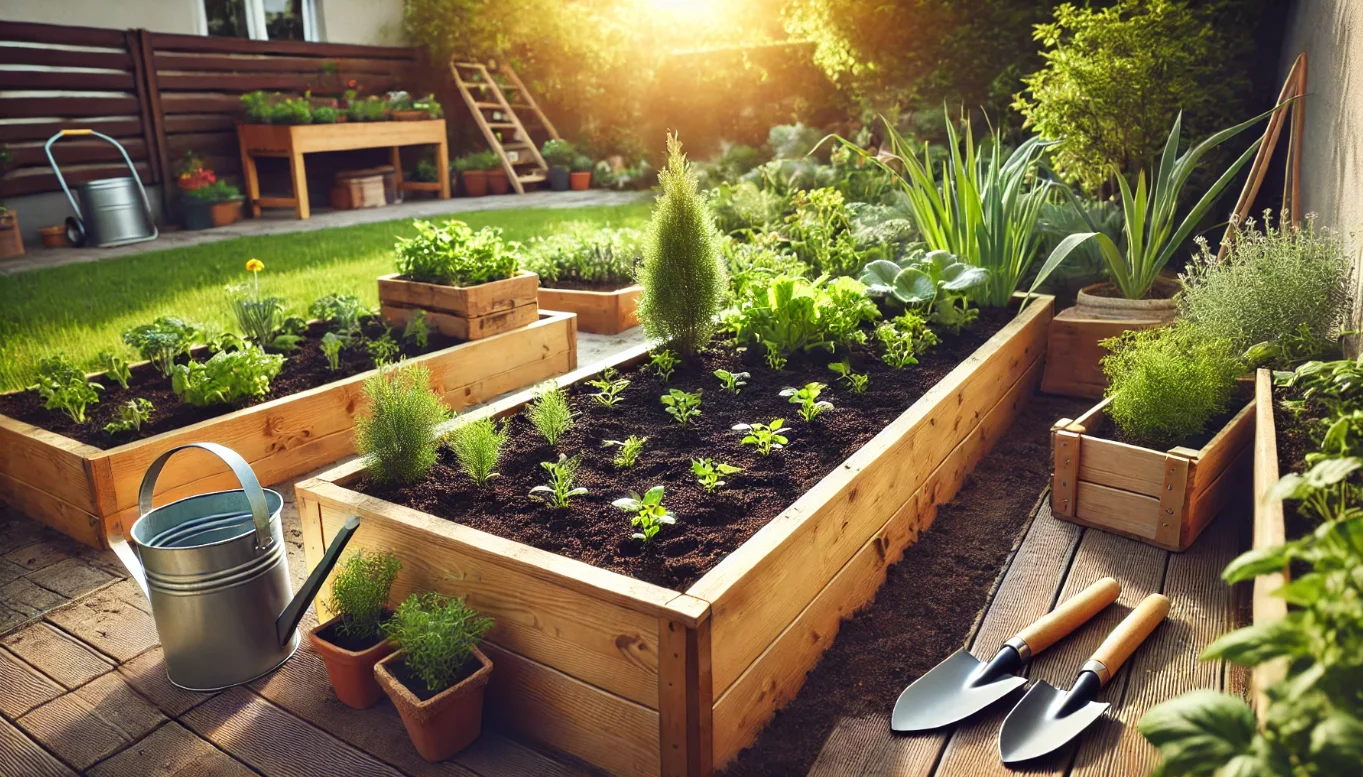
A raised garden bed is a contained planting structure, usually framed with wood, metal, stone, or composite boards, that holds a custom soil mix above ground level. In practical terms, it lets you build the growing conditions your plants need instead of forcing them to adapt to bad native soil.
The payoff is real: warmer soil in spring, better drainage after heavy rain, and fewer weeds competing with seedlings. Gardeners also like the accessibility. A bed at the right height reduces bending, which matters if you plan to garden often or want a setup that is easier on your back and knees.
A raised bed works best when the frame is treated as a soil container first and a structure second; the quality of the mix inside it affects plant performance more than the material used to build the sides.
That is why a well-built bed can outperform a larger in-ground plot that has poor soil structure. The frame matters, but the medium inside the frame matters more.
Picking the Right Size, Depth, and Location
The best dimensions are the ones you can actually maintain. For most home gardens, a width of 3 to 4 feet is ideal because you can reach the center from either side without stepping into the bed. Length can vary, but 6 to 8 feet is manageable for most beginners.
Depth: what most crops need
For leafy greens, herbs, and shallow-rooted plants, 8 inches can work. For tomatoes, peppers, carrots, and bush beans, 10 to 12 inches is a safer target. Root crops and larger vegetables benefit from deeper beds, especially if the native ground below is hard-packed.
Sun and drainage
Pick the sunniest spot you have, ideally with 6 to 8 hours of direct light for vegetables. Avoid low spots where water sits after rain. If the only available site has some slope, level the bed itself and make sure water can still drain away naturally.
Access and spacing
Leave enough room around the frame for a wheelbarrow, watering can, or hose. If you are placing multiple beds together, keep the walking paths wide enough to kneel or carry materials comfortably. Tight paths look neat on paper and become annoying fast.
Materials That Hold Up Without Wasting Money
Not every material performs the same way. Untreated pine is inexpensive but usually breaks down faster. Cedar and redwood resist rot better, while galvanized steel and composite boards can last longer with less maintenance. The right choice depends on budget, climate, and how permanent you want the garden to be.
| Material | Durability | Pros | Tradeoff |
|---|---|---|---|
| Untreated pine | Low to moderate | Affordable, easy to cut | Shorter lifespan |
| Cedar | High | Rot-resistant, clean look | Costs more upfront |
| Galvanized steel | High | Long service life, sturdy | Can heat up faster in full sun |
| Composite | High | Low maintenance, stable | Higher price and heavier weight |
| Stone or brick | Very high | Permanent, attractive | Labor-intensive and expensive |
If you are building one bed to learn the process, cedar or galvanized steel is usually the sweet spot. The structure lasts long enough to justify the work, but it is still simple enough for a first-time gardener to handle.
For wood beds, many builders also use corner brackets, galvanized screws, and a level base of gravel or compacted soil. These small details prevent twisting and improve stability over time.
The Soil Mix That Makes or Breaks the Bed
The best soil for a raised garden bed is loose, fertile, and drains well while still holding moisture. A common beginner formula is a blend of topsoil, compost, and an aeration material such as coarse peat, coconut coir, or pine fines. Pure topsoil is usually too dense; pure compost is too rich and can dry out oddly.
That balance matters because roots need both air and water. If the mix stays soggy, roots can suffocate. If it drains too fast, seedlings dry out between waterings. The goal is a texture that feels crumbly, not muddy or dusty.
For most home gardens, a practical blend is:
- about 50% quality topsoil
- about 30% compost
- about 20% aeration or moisture-holding amendment
The University of Arkansas Extension recommends building raised beds with high-quality soil and organic matter rather than relying on poor native soil alone. That advice lines up with what gardeners see in practice: the first season often tells you whether the mix was right.
The most common raised-bed failure is not the frame collapsing; it is weak plant growth caused by a poor soil mix that drains badly or lacks organic matter.
One quick example: a gardener I worked with filled a bed using cheap yard fill and a little compost. The tomatoes survived, but they never thrived. The next season, after replacing most of the fill with a real soil-compost mix, the same bed produced stronger vines and far fewer watering headaches.
Step-by-Step Build Process for Beginners
Start by marking the footprint with stakes or a hose, then clear grass and weeds from the area. If the ground is uneven, level it as much as you can before assembling the frame. A stable base now saves you from leaning walls later.
1. Assemble the frame
Cut boards to size, drill pilot holes, and fasten the corners with exterior screws or brackets. Keep the box square as you work. If the joints are weak, the pressure from soil will push them outward over time.
2. Set and level the bed
Place the frame on the prepared site and check for wobble. Adjust with a shovel, added soil, or a thin layer of paver sand if needed. A level frame makes irrigation easier and keeps soil from shifting toward one side.
3. Fill it properly
Add the soil mix in layers and water lightly as you go to settle air pockets. Do not pack it hard. Roots need structure, but they also need room to move.
4. Finish the surface
Leave a small gap at the top so water does not spill out every time you irrigate. Then add mulch if the crop will stay in place for a while. Mulch reduces evaporation and keeps the top layer from crusting.
For gardeners who want a deeper reference on soil health and water behavior, the USDA Natural Resources Conservation Service has solid guidance on soil structure, drainage, and erosion control that applies well to garden planning.
What to Plant First and How to Avoid Early Mistakes
Beginners usually do better with crops that grow fast and do not demand perfect conditions. Lettuce, spinach, radishes, bush beans, basil, parsley, and cherry tomatoes are all good first-season choices. They show results quickly, which makes it easier to learn how the bed behaves through heat, rain, and regular watering.
Good starter crops
- Leafy greens for quick harvests
- Herbs for compact, repeated picking
- Radishes for fast feedback on soil quality
- Bush beans for reliable summer growth
- Cherry tomatoes if the bed gets strong sun
Common mistakes to skip
- Overfilling with heavy soil that compacts
- Building the bed too wide to reach the center
- Putting sun-loving plants in partial shade
- Watering on a fixed schedule instead of checking moisture
- Ignoring mulch after the first planting
The University of Minnesota Extension offers practical raised-bed guidance that matches a lot of field experience: start with easy crops, watch drainage, and do not overload the bed with expectations in year one. That approach is boring in the best way.
Watering, Mulching, and Seasonal Care
Raised beds dry out faster than in-ground gardens because air reaches more of the soil surface and the soil is often looser. That means watering habits matter more. Deep, less frequent watering usually works better than light daily splashes, because it encourages roots to grow downward.
Mulch is not optional if you want consistency in hot weather. Straw, shredded leaves, or fine bark can all help hold moisture and stabilize soil temperature. In summer, mulch reduces stress on plants and cuts down on how often you need to water.
Seasonal maintenance
- Top up compost each year before planting
- Check screws, boards, or brackets for movement
- Refresh mulch as it breaks down
- Remove diseased plant debris before winter
There is one limit worth stating plainly: a raised bed is not a magic fix for every site. If the yard has deep shade, poor access to water, or severe contamination concerns, the bed helps but does not solve everything. In those cases, location and soil safety still matter more than the frame itself.
What to Expect in the First Growing Season
The first season is mostly about learning. Soil settles, watering patterns become obvious, and some crops perform better than others. Do not judge the system by one disappointing week in July. Heat waves, wind, and inconsistent rain can make even a good bed look underwhelming for short stretches.
If the structure is solid and the soil mix is right, you should see faster germination, steadier growth, and easier weed control than in a typical patch of ground. After that, the bed becomes easier to improve each year with compost, mulch, and better crop choices.
A new raised bed usually performs best in the second season, after the soil has settled and the gardener has learned how quickly the site loses moisture.
Próximos passos
The smartest next move is to build one bed, not three. Start small, choose a sunny location, use a real soil mix, and plant crops that forgive beginner mistakes. Once you see how the bed behaves through one full season, scaling up becomes a lot easier and much less expensive.
If you want better results, focus on the few variables that actually move the needle: depth, drainage, soil quality, and access. That is where the difference shows up, not in decorative details. Plan the bed before you buy lumber, and let the garden be a system, not a guess.
Frequently Asked Questions
How deep should a raised garden bed be?
Most beginner gardens do well with 10 to 12 inches of soil depth. Shallow herbs and greens can work in less, but root crops and larger vegetables need more room. If the native soil below is hard, deeper is usually safer.
What is the best material for a beginner bed?
Cedar is one of the most balanced choices because it resists rot and is easy to work with. Galvanized steel also lasts a long time, but wood feels more forgiving for first-time builders. Untreated softwood is cheaper, but it wears out faster.
Can I put a raised bed directly on grass?
Yes, but it works better if you remove the grass first or smother it with cardboard. If you build directly on turf, the grass can keep growing for a while and compete with young roots. Clearing the base saves trouble later.
Do raised beds need drainage holes?
Usually no, because most raised beds are open to the ground underneath. That open base allows excess water to drain naturally. If the bed sits on concrete or another hard surface, drainage becomes a much bigger concern.
How often should I water a raised bed?
Watering depends on weather, crop type, and soil mix. The better rule is to check the top few inches of soil and water deeply when it starts to dry. Hot, windy days can dry a bed much faster than expected.
What should I put at the bottom of the bed?
For most beds, nothing fancy is needed at the bottom besides cardboard or a weed barrier if you want to suppress grass. Avoid filling the bottom with sticks, rocks, or random yard debris just to save money. Those shortcuts usually create uneven moisture and wasted space.