

📅 Updated on 06/13/2026
Small messes are cheaper to fix than big ones, and that is the real reason cleaning hacks work. The goal is not to clean harder; it is to remove friction so dust, grease, and clutter never get a chance to build up.
In practice, the fastest homes to clean are the ones with simple systems, not perfect people. The best shortcuts reduce repeat work, protect surfaces, and turn everyday maintenance into a few habits you can actually keep. Here, you’ll find practical methods that save time, where they work best, where they fail, and how to use them without making a bigger mess.
Key Takeaways
- The best cleaning shortcuts prevent buildup before it starts, which makes the actual cleaning faster and less aggressive.
- Microfiber, dish soap, white vinegar, baking soda, and a squeegee cover a surprising amount of routine household cleaning when used correctly.
- Most damage comes from using the wrong product on the wrong surface, not from skipping enough scrubbing.
- A good 10-minute reset beats one long deep-clean when the goal is to keep a home consistently presentable.
Cleaning Hacks That Make Everyday Housekeeping Faster and Easier
The best cleaning hacks are small systems that stop grime from settling in. They work because they reduce dwell time for dirt, cut down on rework, and keep tools close to where messes happen. A spray bottle, microfiber cloth, dish soap, and a vacuum with attachments can handle most daily problems before they become a weekend project.
That is the practical definition: a cleaning hack is any low-effort method that improves speed, consistency, or results without requiring special equipment. The point is not magic. It is sequence, timing, and using the right tool on the right surface.
What separates a useful cleaning shortcut from a gimmick is repeatability: if it saves time once but creates more work later, it is not a hack—it is a detour.
1) Clean Top to Bottom, Every Time
Start high and work down. Dust falls, crumbs fall, and wiped residue drips, so cleaning from the ceiling fan to the baseboards keeps you from touching the same surface twice.
This matters most in kitchens and bathrooms, where overspray and grime move fast. If you clean the sink first and then dust the shelf above it, you’ve already lost efficiency.
2) Keep a “One-Minute Kit” in the Rooms You Use Most
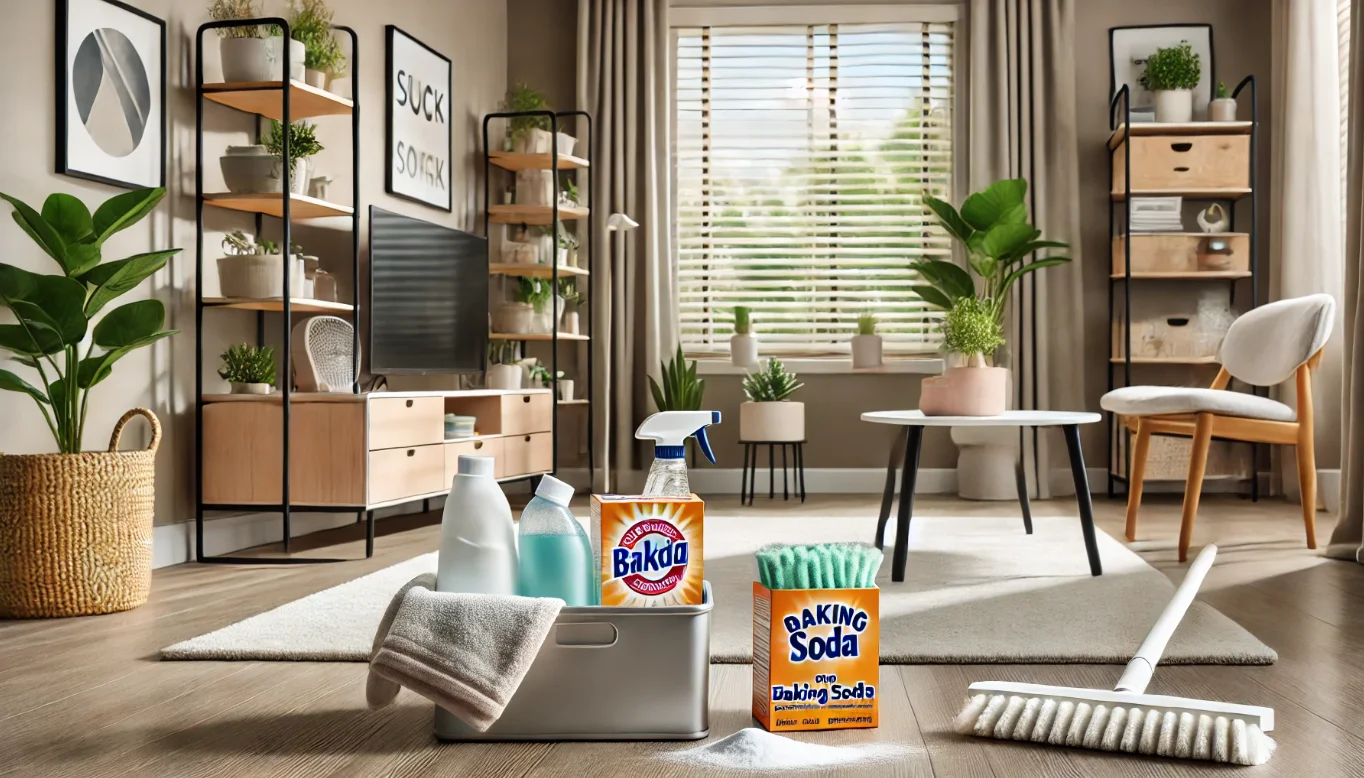
A small caddy with an all-purpose spray, microfiber cloths, and a lint roller removes the excuse to postpone quick jobs. The less you have to walk to another room, the more likely you are to wipe the counter, clean the mirror, or fix a spill immediately.
Who works with homes for a living knows this: distance kills consistency. When tools are hidden in a closet, messes grow into projects.
The Tools That Pull the Most Weight
Most households do not need a giant product shelf. They need a small set of reliable tools used correctly. The National Sanitation Foundation’s guidance on home cleaning and hygiene emphasizes choosing products for the task and following the label directions, not improvising with random mixtures. See the NSF’s home hygiene resources for a practical baseline.
Here are the items that show up again and again because they solve real problems well.
- Microfiber cloths: Trap dust and lift residue better than old cotton rags.
- Dish soap: Breaks down grease on cabinets, stovetops, and sinks.
- White vinegar: Useful on mineral deposits and glass, but not on natural stone.
- Baking soda: Good for deodorizing and light abrasion on stubborn residue.
- Squeegee: Cuts shower cleanup time by preventing water spots and soap scum buildup.
- Vacuum with crevice tool: Reaches baseboards, vents, couch seams, and tight corners.
Limit to remember: vinegar is not a universal cleaner. It can etch marble, travertine, and other calcium-based stone, so that shortcut is excellent in glass showers and terrible on the wrong countertop.
The right tool saves more time than the strongest product, because most household messes respond to agitation, dwell time, and wipe quality before they need harsh chemistry.
Kitchen Shortcuts That Prevent the Worst Build-Up
The kitchen gets dirty through repetition: splatter, fingerprints, crumbs, and grease appear every day. A few habits stop that layer from turning sticky, and sticky is what makes cleaning feel impossible.
Wipe While Surfaces Are Still Slightly Warm
Warm—not hot—surfaces release grease more easily. That is why wiping the stovetop after dinner works better than waiting until morning. Once grease cools and oxidizes, it bonds harder and takes more scrubbing.
Use Dish Soap as Your First Pass on Grease
For cabinets, range hoods, and backsplash splatter, a drop of dish soap in warm water often does more than a specialized product. It emulsifies grease, which means it breaks oily residue into tiny droplets that rinse away instead of smearing around.
Do not soak wood finishes or laminated edges. Dampen the cloth, wipe, and dry the surface right away.
Keep a Bowl Near the Sink for Fast Decluttering
A small bowl or tray for loose items—keys, coupons, receipts, loose chargers—keeps the counter usable. It sounds minor, but counter clutter is what turns a five-minute wipe-down into a full reset.
One client I watched had spotless floors but a permanently crowded kitchen island. The fix was not a deep clean; it was a landing zone for the daily junk. Once that bowl existed, wiping the surface took seconds instead of ten minutes of shuffling objects around.
Bathroom Tricks That Cut Soap Scum and Water Spots
Bathrooms punish hesitation. Every shower leaves moisture behind, and moisture is what feeds soap scum, hard-water spots, and mildew. The U.S. Environmental Protection Agency’s mold guidance makes the same basic point: control moisture first, because cleaning alone will not solve a damp room.
Use a Squeegee After Showering
A 20-second squeegee pass does more to prevent buildup than most deep-cleaning products do after the fact. It removes water before minerals and soap residue can dry onto tile and glass.
Run the Fan Long Enough
Bathroom fans are not just for smell. Keep them on during the shower and for at least 20 minutes afterward to move humidity out of the room. If the fan is weak or full of dust, clean the grille and check that it is actually pulling air.
Target Grime Before It Hardens
Soap scum forms when body oils, hard water minerals, and soap residue combine. That means regular light cleaning works better than occasional aggressive cleaning. The faster you remove residue, the less likely you are to need heavy abrasion later.
Dusting and Floor Care Without Wasting Motion
Dust is not just cosmetic. It settles in layers, mixes with humidity, and becomes abrasive when it gets dragged across floors and furniture. The EPA recommends routine vacuuming and damp dusting as part of household allergen control, especially in homes with pets or asthma concerns. Their consumer guidance is available at EPA indoor air quality resources.
Use the Right Order for Floors
Vacuum or sweep before mopping. If you mop first, you lock grit into a wet film and spread it around. Dry debris always comes out first.
Dust With a Slightly Damp Microfiber Cloth
Dry dusters often push fine particles into the air. A lightly damp microfiber cloth grabs them instead. This is especially useful on TV stands, shelves, and blinds, where static and fine dust cling stubbornly.
Vacuum Seams, Not Just Open Space
Most dirt hides where furniture meets fabric or where floors meet walls. Crevice tools matter because they pull out debris you never see until it collects in a visible line. That line is usually the reason a room still looks dirty after you “cleaned it.”
| Task | Fastest Method | Common Mistake |
|---|---|---|
| Glass shower doors | Squeegee after each shower | Waiting until mineral film hardens |
| Kitchen grease | Dish soap and warm water | Using a dry cloth first |
| Dusty shelves | Microfiber cloth | Feather duster that spreads particles |
| Floors | Vacuum before mopping | Dragging grit through wet cleaner |
When Natural Cleaners Help—and When They Do Not
Natural options like vinegar and baking soda are useful, but they are not universal replacements for every product in the cabinet. Baking soda works well as a mild abrasive and deodorizer. Vinegar helps with mineral deposits and some glass surfaces. Neither one replaces disinfectants when a surface needs actual sanitizing.
That distinction matters because people often use “natural” as a stand-in for “safe” or “better,” and that is not always true. On food-contact surfaces, follow product labels and surface recommendations. If you need a disinfectant, the CDC’s cleaning and hygiene guidance is a better reference than internet folklore.
Use Baking Soda for Friction, Not Power
Think of baking soda as a gentle scrub, not a chemical miracle. It helps loosen residue on sinks, stovetops, and tubs, but it works best with time and elbow grease.
Avoid Vinegar on Stone
This is the most common mistake with DIY cleaning. Acid and calcium-based stone do not mix well, and repeated exposure can dull or damage the finish. If you are not sure what the surface is, test in a hidden spot first.
Natural cleaning products are useful when they match the material and the mess; they are unreliable when people use them as one-size-fits-all substitutes.
A Simple Weekly Reset That Keeps the House Manageable
The most effective routine is short enough that you will repeat it. A 20- to 30-minute weekly reset can keep a house looking maintained without turning Saturday into a cleaning marathon. The trick is to touch the high-visibility zones first: entry, kitchen, bathroom, and main living area.
- Pick up loose clutter and put it in its proper place.
- Wipe the most touched surfaces: counters, handles, switches, and tabletops.
- Vacuum visible traffic paths and corners.
- Clean one moisture-prone area, such as the shower glass or sink.
This is where cleaning hacks become useful in the long run. They lower the effort required to stay ahead of mess instead of forcing you into constant catch-up mode.
What To Do First If Your Home Feels Overwhelming
Start with the room you see most often, not the one that looks worst. Visual clutter creates the strongest sense of stress, so fixing the entry, kitchen counter, or living room surface gives the fastest payoff. Then move to the area that creates repeat mess, such as the shower or stovetop.
Do one pass, not a perfection project. If a system helps you keep the sink clear, the shower drier, and the floors free of grit, it is doing the job.
Next step: build a small kit, choose one room, and test three habits for seven days: top-to-bottom cleaning, a post-shower squeegee, and a 10-minute nightly reset. If those three changes stick, the rest of the house gets easier almost automatically.
FAQ
What are the most useful cleaning hacks for busy households?
The most useful ones are the habits that prevent buildup: wiping while surfaces are still warm, using a squeegee in the shower, and keeping microfiber cloths within reach. These save more time than most “miracle” products because they stop dirt from hardening. A small routine is more sustainable than an occasional deep clean.
Are vinegar and baking soda enough to clean an entire home?
No. They are helpful for specific jobs, but they do not replace every cleaner. Vinegar is poor for natural stone, and baking soda is better for light abrasion than heavy grease removal. Use them as tools, not as universal solutions.
What cleaning tool saves the most time overall?
A microfiber cloth usually gives the best return for the least effort. It grabs dust, lifts residue, and works on many surfaces without scratching. Pair it with a decent spray bottle and you can handle most daily messes quickly.
How often should I do a quick reset at home?
Daily or near-daily works best for high-traffic spaces. Even 10 minutes can keep counters, sinks, and floors from reaching the point where cleaning feels overwhelming. The key is consistency, not intensity.
What should I not mix when cleaning?
Never mix bleach with ammonia or vinegar. Those combinations can release dangerous gases. When in doubt, use one product at a time, follow the label, and ventilate the room well.
Why does my home still look dirty after I clean?
Usually because the dirt moved instead of being removed. Common causes are cleaning in the wrong order, using a tool that spreads dust, or skipping edges, seams, and corners. The “still dirty” look often comes from detail areas, not the obvious surfaces.