

📅 Updated on 06/13/2026
A living room can feel completely different after just a few smart changes. You do not need a full renovation to make it look more polished, more comfortable, or more intentional; the biggest shift usually comes from lighting, layout, color, and a few well-chosen details.
The best DIY updates work because they change how the room feels the moment you walk in. A better lamp, a cleaner furniture arrangement, or a simple wall treatment can make a space look designed instead of improvised. This guide breaks down 10 simple projects that can transform the room without tearing anything out.
Key Takeaways
- Small updates in lighting, layout, and texture often create a bigger visual change than expensive decor purchases.
- The most effective DIY projects improve both function and atmosphere, not just appearance.
- In a living room, scale matters as much as style: one oversized mistake can make the whole space feel off.
- Paint, curtains, shelves, and cushion layering are high-impact changes because they control sightlines and softness.
- Most rooms look better when the project list is edited down to a few strong choices instead of many competing ones.
10 Simple DIY Projects to Transform a Living Room
The fastest way to improve a living room is to focus on the parts people notice first: light, seating flow, wall presence, and texture. If those four elements feel deliberate, the room reads as finished even when the furniture is modest. The best DIY projects work because they change perception, not just decor.
In practice, the strongest updates are the ones that solve a real problem. Too dark? Add layered lighting. Too flat? Add contrast on the walls. Too scattered? Tighten the layout and reduce visual clutter. That is where DIY makes the biggest difference.
The difference between a room that feels “decorated” and one that feels “designed” usually comes from coordination, not cost.
Start With Light, Because It Changes Everything
1. Add a layered lighting plan
Lighting is the quickest way to change the mood of a living room. A single overhead fixture often creates harsh shadows, while a combination of floor lamps, table lamps, and accent lighting makes the space feel warmer and more balanced.
Use three levels of light: ambient, task, and accent. Ambient light sets the base, task light supports reading or hobbies, and accent light highlights a corner, shelf, or piece of art. The U.S. Department of Energy recommends efficient lighting choices that cut energy use while improving comfort.
2. Swap in warmer bulbs
Color temperature matters more than most people expect. Bulbs around 2700K to 3000K usually make a living room feel inviting, while cooler bulbs can make the same furniture look flat or overly crisp. That tiny change often makes the whole room feel calmer at night.
Use Paint and Wall Treatments to Set the Tone
3. Paint one wall for contrast
An accent wall still works when it is done with restraint. A deep green, clay, navy, or soft charcoal wall can anchor the seating area and give the room a focal point without overpowering it. The key is choosing a shade that supports the furniture you already own.
Who works with interiors every day knows this: if the room already has a lot of visual movement, one bold wall can feel busy instead of polished. In that case, a muted tone or textured finish usually performs better than a dramatic color.
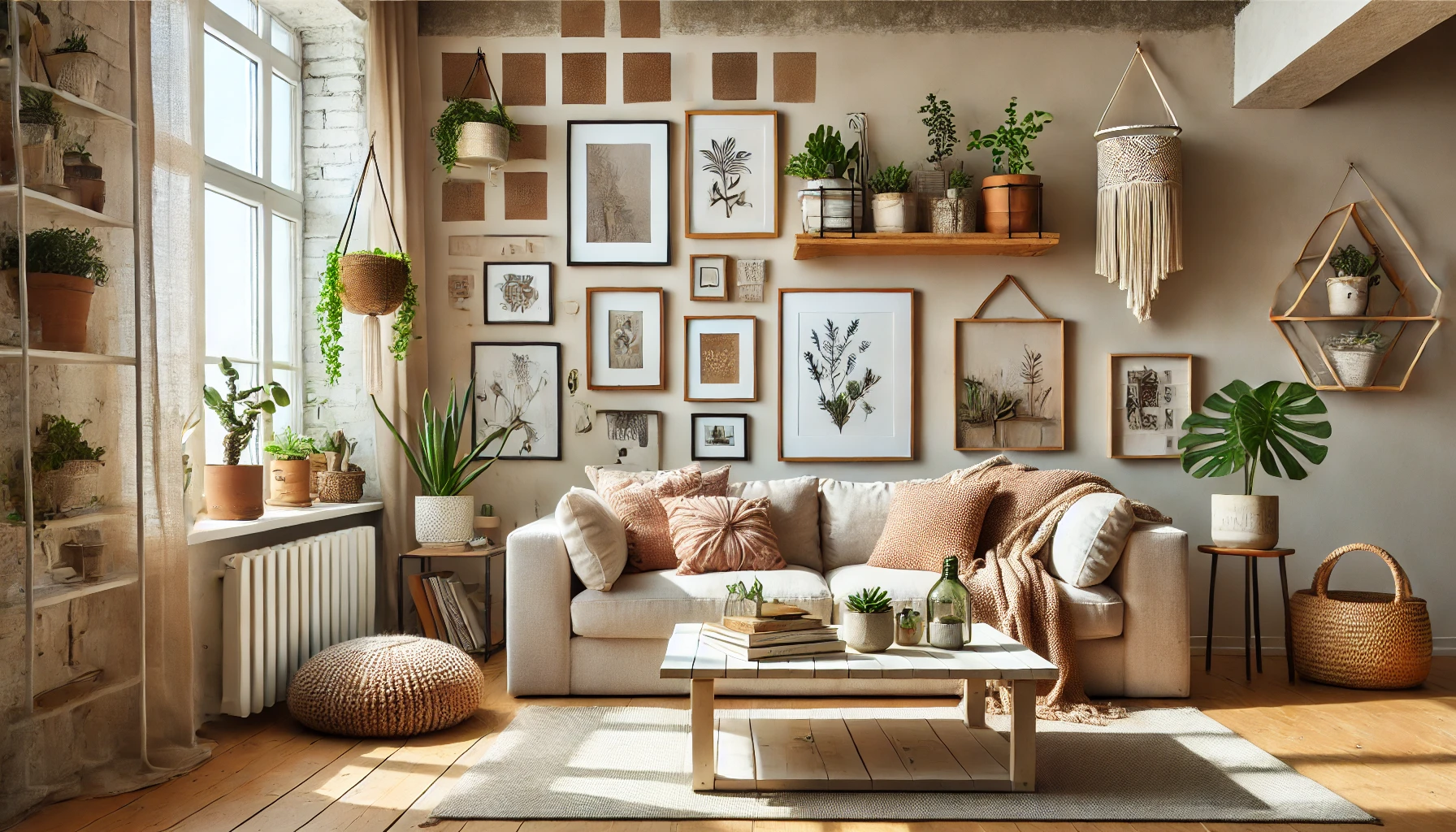
4. Create a simple picture ledge or gallery wall
A gallery wall gives the room structure when the walls feel empty. A picture ledge is easier to update and less permanent, which makes it ideal for renters or anyone who changes decor often. Keep frames in one finish family so the display looks intentional.
For layout ideas and spacing guidance, the Architectural Digest gallery wall guide is useful because it shows how scale and repetition keep the arrangement from looking random.
Rework the Furniture Layout Before Buying Anything
5. Pull the seating area into a tighter conversation zone
Many rooms feel awkward because the furniture is pushed too far apart. Move the sofa, chairs, and coffee table closer together so the seating area feels connected. A conversation zone should feel easy to use, not spread across the room like a waiting area.
One practical test: if you have to raise your voice across the room, the layout is probably too loose. A tighter arrangement improves comfort, anchors the room visually, and often makes the space feel larger because the eye reads it as organized.
6. Define zones with a rug
A rug is one of the simplest ways to make the room feel finished. It frames the main seating area and separates it from other functions, like reading, working, or watching TV. Choose a rug large enough for the front legs of the sofa and chairs to sit on it.
Small rugs are a common mistake. They make the furniture look stranded. A larger rug usually does more for the room than a new decorative object ever could.
A rug that is too small makes a living room feel fragmented, while the right size makes even basic furniture look intentional.
Add Texture So the Room Feels Finished
7. Sew or swap cushion covers
New pillow covers are a low-cost way to change the room’s color story. Mix one solid, one subtle pattern, and one textured fabric such as linen or bouclé. That combination creates depth without making the sofa look busy.
8. Layer curtains for softness and height
Hanging curtains closer to the ceiling and letting them fall to the floor makes the room look taller. If you want a softer feel, layer sheer panels with heavier drapes. This is one of those DIY updates that changes both style and proportion at the same time.
The Better Homes & Gardens window treatment advice is a solid reference for choosing curtain styles that fit the size and light of the room.
Build Storage That Also Looks Good
9. Turn open shelving into display storage
Open shelves work best when they hold a mix of practical and decorative items. Stack a few books, add a ceramic bowl, include one framed print, and leave some empty space. That breathing room matters; crowded shelves look accidental, not curated.
If your living room collects remote controls, chargers, and random paper items, storage baskets or closed boxes can do more for the room than another decor purchase. Less visible clutter means the design itself gets more attention.
Finish With One Small Custom Detail
10. Make a custom coffee table tray, side table, or mantel piece
A custom piece gives the room a point of personality. A stained tray, a painted side table, or a simple mantel arrangement can tie the whole space together if the color, finish, or shape repeats something already in the room. Small details matter most when they repeat a larger idea.
Mini story: A homeowner I worked with had a perfectly usable sofa, but the room still felt unfinished. We changed the bulbs, moved the rug under the front legs of the furniture, painted one wall a muted olive, and added two linen pillow covers. No new couch, no demolition. The room felt calmer and more expensive by the end of the weekend.
What to Fix First When the Room Still Feels Off
If a living room still feels wrong after a few updates, the problem is usually hierarchy. Something is competing with something else: too many colors, mismatched wood tones, oversized furniture, or lighting that fights the wall color. Fix the biggest visual conflict first instead of adding more decor on top of it.
This is also where restraint matters. Not every DIY project should make the final cut. A room with fewer, stronger choices nearly always feels better than a room filled with projects that were all good in isolation.
| Problem | Best DIY Fix | Why It Works |
|---|---|---|
| Room feels dark | Layered lighting | Adds depth and reduces harsh shadows |
| Room feels small | Better furniture grouping | Improves flow and reduces visual waste |
| Room feels flat | Paint, curtains, and texture | Creates contrast and softness |
| Room feels cluttered | Hidden storage and edited decor | Clears the visual field |
Practical Next Steps
Pick three projects instead of ten and do them well: one lighting change, one layout improvement, and one texture or wall update. That combination usually delivers the biggest return for the least effort. If the room already functions well, use DIY to sharpen it; if it feels chaotic, use DIY to simplify it.
For a better result, test one change at a time and evaluate it in both daylight and evening light. A room should work when the sun is up and when the lamps are on. That is the real standard for a successful living room update.
Frequently Asked Questions
What is the easiest DIY project for a living room?
Swapping bulbs, adding a lamp, or changing pillow covers is usually the fastest and easiest update. These projects are inexpensive, reversible, and immediate in effect. They are also a good way to test a new color direction before committing to paint or larger changes.
How do I make a small living room look bigger?
Use a larger rug, tighter furniture placement, and lighter window treatments. Keep the floor as visible as possible and avoid oversized decor that blocks sightlines. A small room often looks larger when it is arranged with discipline rather than filled with more items.
What DIY change gives the biggest visual impact?
Lighting and wall color usually create the strongest transformation. They affect how furniture, paint, and fabric are perceived all at once. If you only have time for one project, start there.
Can I improve a living room without replacing furniture?
Yes. New layouts, pillows, curtains, paint, and lighting can completely change the feel of the room. In many homes, the furniture is not the real problem; the issue is that everything around it lacks coordination.
How many DIY updates should I do at once?
Three is usually the sweet spot. More than that, and it becomes harder to see what is actually improving the room. Do a few strong updates, live with them for a week, then decide what still needs work.