
Warning: Cannot modify header information - headers already sent in /home/u278635817/domains/myhousegarden.com/public_html/wp-content/plugins/artigosgpt/artigosgpt.php on line 28454
Rain slaps the river rock. You brush a spider web off a chair and notice the finish peeling where the creek’s splash hits. If your outdoor pieces can’t face constant moisture and gritty sediment, they become an expensive eyesore by summer. This article cuts straight to seven real, weatherproof picks for creekside furniture—choices that actually withstand damp banks, blend with stone, and need maintenance you can handle.
1. Why Powder-coated Aluminum Wins Where Many Fail
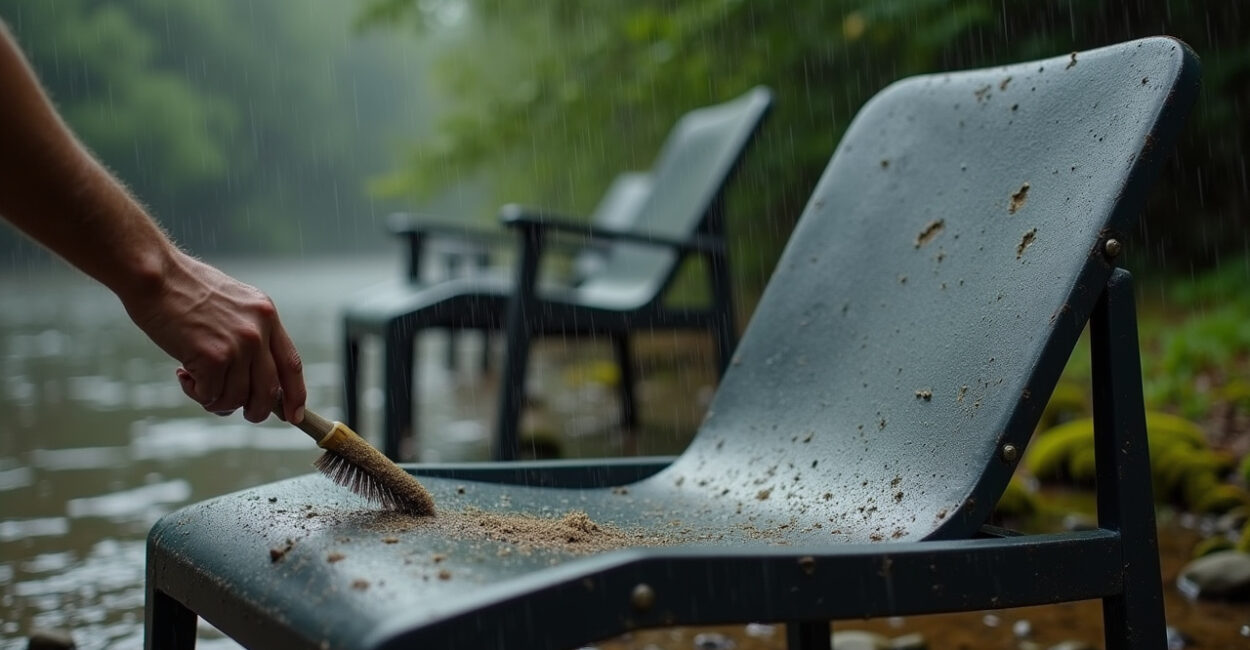
Powder-coated aluminum survives the damp longer than you’d expect. It doesn’t rust like steel and it’s lighter than wrought iron, so you won’t wrestle pieces down steep banks. For creekside furniture, the coating is the key: a thick, baked-on finish resists flaking from grit and constant mist. Expect decades if you rinse sediment off and touch up chips.
- Pros: Lightweight, corrosion-resistant, low maintenance.
- Cons: Coating chips need timely repair to avoid bare metal exposure.
Think of it like sneakers with Gore-Tex—looks simple, but the finish does the hard work.
2. Teak and Tropical Hardwoods: The Natural Choice That Still Needs Respect
Teak tolerates wet conditions better than most woods. Its natural oils repel water and slow rot, so teak creekside furniture ages into a silver-gray patina instead of collapsing into mold. But “natural” doesn’t mean “set and forget.” You’ll have to decide: keep the warm honey tone with oil every year, or let it weather and enjoy lower upkeep.
- Maintenance tip: clean with mild soap, avoid pressure washing close-up.
- Expectation vs. reality: teak won’t rot fast, but screws and fittings can—inspect annually.

3. HDPE/Poly Lumber: The Low-hassle Stone-bank Companion
High-density polyethylene (HDPE) looks like wood but resists water, salt, and stain. For creekside furniture, it blends with rock banks visually and won’t absorb water or warp after freeze-thaw cycles. It scratches, but scratches don’t mean rot. This is the practical pick when you want the wood look without the wood chores.
| Material | Pros | Cons |
|---|---|---|
| Teak | Natural, durable, ages well | Costly, needs oil or accepts patina |
| Powder-coated aluminum | Light, rust-resistant | Coating can chip |
| HDPE | Low maintenance, waterproof | Can fade, plastic look |
4. Fabrics and Cushions That Won’t Turn Into Swamp Blankets
Choose cushions rated for outdoor, quick-drying foam and solution-dyed acrylic fabrics. If your creekside furniture has textiles, avoid indoor blends. Solution-dyed acrylics repel UV and mold; quick-dry foams let water pass through fast. Keep cushions off the ground and store them in a ventilated bin after storms to stop mildew from taking hold.
- What to avoid: cheap polyester that traps moisture.
- Quick tip: add mesh backing for drainage where cushions meet frames.
5. Finishes and Fasteners: The Small Choices That Decide Longevity
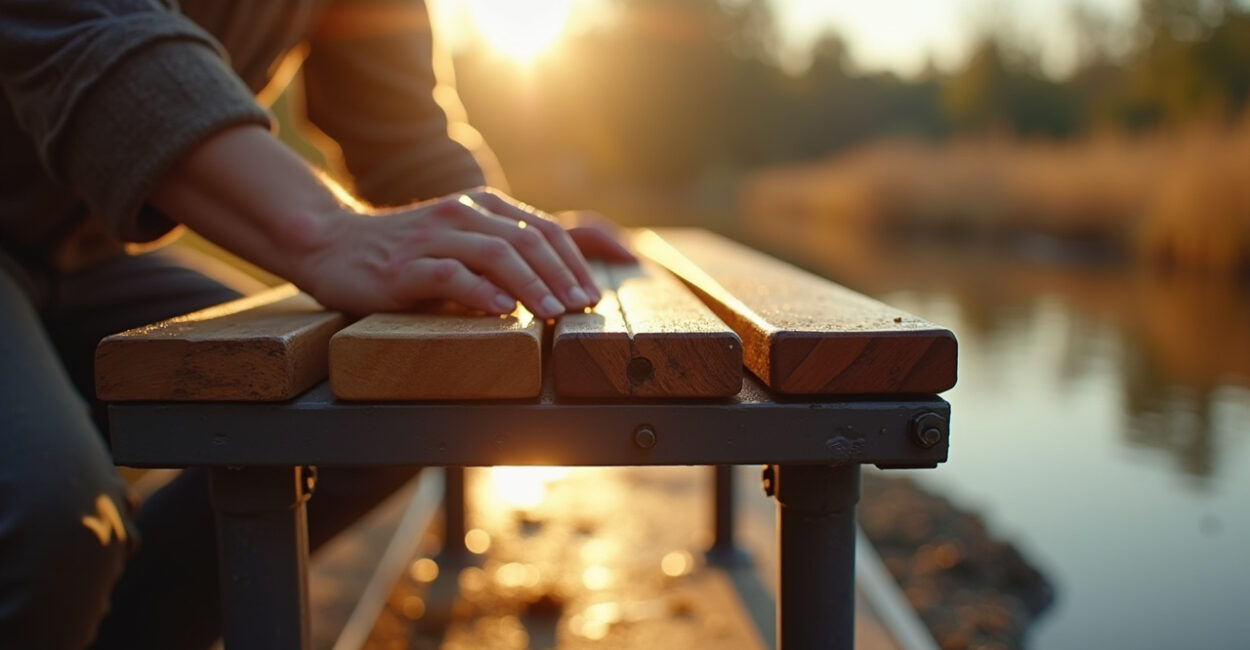
Marine-grade stainless steel and epoxy finishes turn vulnerable pieces into survivors. Screws and bolts are the hidden failure points on creekside furniture. Use 316 stainless fasteners and look for epoxy or powder finishes on metal. For wood, use marine varnish sparingly—too many layers can trap moisture; the right thin coat sheds water cleanly.
- Fastener rule: match the material—don’t pair untreated steel with aluminum.
- Finish rule: test chip-resistance before buying large sets.
6. Placement and Design Tricks That Extend Life Without Extra Work
How you place furniture matters as much as what it’s made of. Lift seating off saturated ground with stone pavers or a deck; angle tabletops slightly to shed water; position under trees that block driving rain but not airflow. Creekside furniture that breathes—space between slats, raised legs—dries faster and resists mildew. Little design shifts save years of maintenance.
- Do: use breathable materials, avoid sealed-in cavities.
- Don’t: press cushions directly against rock banks where moisture pools.
7. What to Avoid: Common Mistakes That Wreck Creekside Furniture Fast
Most failures aren’t exotic—they’re predictable mistakes. Here’s what typically kills pieces: cheap finishes that peel, indoor fabrics left outside, metal fasteners that rust, and placing furniture directly in splash zones. Avoiding these is cheap insurance compared to replacing sets.
- Error 1: Buying untreated pine for creekside use.
- Error 2: Storing cushions in airtight bins that encourage mildew.
- Error 3: Ignoring fastener corrosion until the leg wobbles.
Mini-story: We put an HDPE bench by a small stone creek and left it unprotected for three seasons. After a summer of floods it looked dusty, not ruined. The neighbor’s painted pine table collapsed during the second storm. Same creek, different choices—one lasted, one didn’t.
For climate context, changing rainfall patterns affect how often you’ll need to clean and maintain outdoor pieces; NOAA keeps regional precipitation records that help plan placement and storage. Mold and mildew are biological problems, so guidance from the EPA on moisture control is worth a quick read when deciding materials.
NOAA climate data and EPA moisture guidance offer useful, practical context when you pick creekside furniture and plan maintenance.
Pick one material and commit to small, regular care. The right combo of material, finish, and placement makes your creekside seating look better with age instead of falling apart. That’s the real luxury.
How Often Should I Clean Creekside Furniture?
Clean high-use creekside furniture every 4–6 weeks during wet seasons and at least once before winter. For powder-coated metal or HDPE, a bucket of warm water and mild soap plus a soft brush removes sediment and mildew early. For teak, rinse loose grit, then scrub with a teak cleaner annually if you want the golden tone. Always dry metal connections and touch up chips. Regular light cleaning prevents the heavy work later and reduces the chance of permanent staining or rot.
Can I Mix Materials in a Creekside Set?
Mixing materials is fine if you plan maintenance accordingly and pair compatible fasteners. For example, aluminum frames with HDPE slats avoid galvanic corrosion risks that happen with dissimilar metals. If you mix wood and metal, keep wood components replaceable and use marine-grade stainless fasteners to prevent rust stains. Place higher-maintenance pieces where they are easy to reach for cleaning. Thoughtful mixes let you balance cost, look, and longevity without making every piece a liability.
Is It Safe to Keep Cushions Outdoors Near a Creek?
Yes, but choose outdoor-rated cushions made with quick-dry foam and solution-dyed acrylic fabric. These materials resist UV, mold, and water retention. Always elevate cushions off the ground and store them upright in a ventilated box during storms. If cushions stay wet more than 24–48 hours, mildew can take hold; quick-dry foam and open-weave covers reduce that risk. Regular airing and occasional fabric cleaner will keep them usable season after season.
What’s the Best Fastener Type for Creekside Furniture?
Use 316 stainless steel fasteners for any creekside furniture near water—especially where splash and sediment are common. 316 stands up to chloride and humidity better than 304. For aluminum frames, use stainless or aluminum-compatible screws to avoid galvanic corrosion. Brass is attractive but can corrode in wet conditions. Inspect fasteners yearly and replace any that show pitting. A small investment in quality hardware prevents wobbling legs and frame failures down the road.
How Do I Repair Chips in Powder-coated Finishes?
Repair small chips promptly to stop corrosion under the finish. Clean the area, remove loose flakes, and apply a rust converter if any bare metal shows. Use touch-up paint or a powder-coating repair kit that matches the original color and seal with a clear top coat. For larger damage, consider re-coating by a professional. Timely repairs are much cheaper than replacing entire frames—addressing chips as they appear preserves the long life of powder-coated creekside furniture.