
Warning: Cannot modify header information - headers already sent in /home/u278635817/domains/myhousegarden.com/public_html/wp-content/plugins/artigosgpt/artigosgpt.php on line 28454
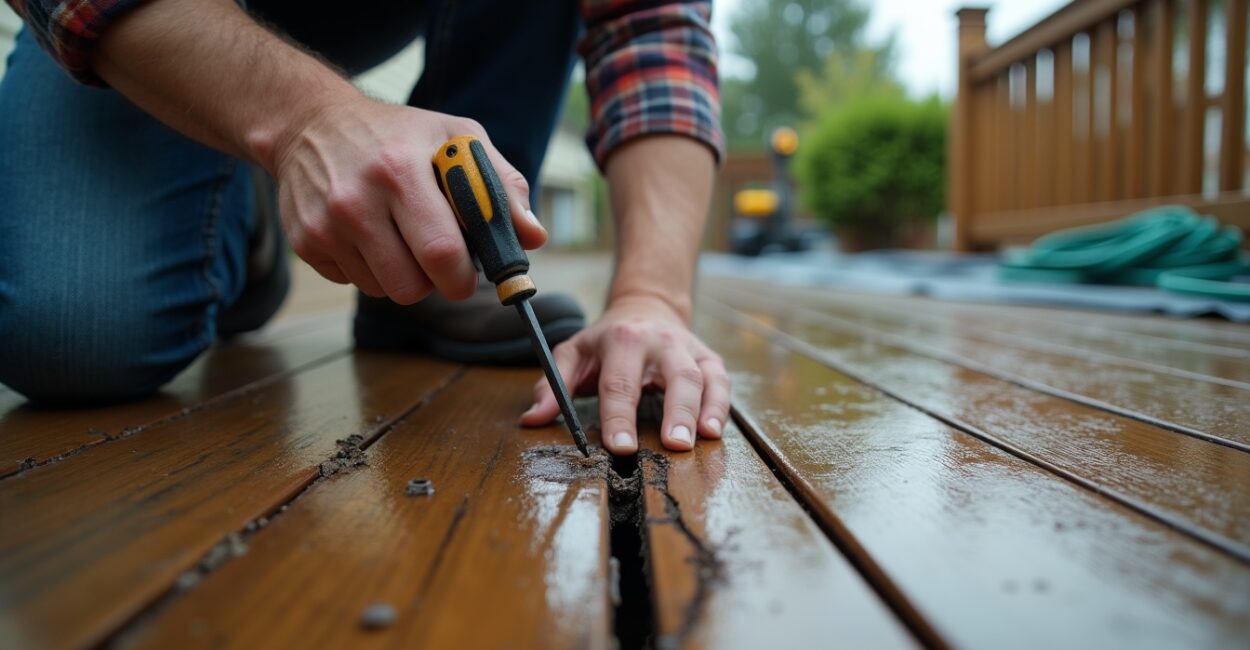
Rain pooled in the corner of my neighbor’s deck for months while they waited for the “right time” to fix it. By the time I noticed, a few boards were soft enough to poke through with a screwdriver. That quick glance tells the whole story: neglected deck repairs cost you more than money — they kill curb appeal and shrink resale price. If you need fast, prioritized deck repairs you can finish in three days to lift resale value, read on. This is the no-fluff plan.
Day 1: The Safety Sweep That Saves Offers
Start by eliminating anything that could scare a buyer away. In a single morning you can expose the worst problems: loose railings, wobbly stairs, protruding nails, and soft boards. Walk the deck with a screwdriver and a pry bar. Push on railings, stomp each step, look under for rot. Replace or reinforce any structural element that moves more than a thumb-width. Buyers notice safety; a repaired railing converts anxiety into confidence faster than a new stain ever will.
How to Prioritize Repairs — The 80/20 Rule for Decks
Fix the 20% of problems that create 80% of buyer objections. That means structural integrity first, then surface trip hazards, then aesthetics. Use this quick priority list:
- Replace trip-prone boards and tightened loose fasteners.
- Secure railings and stair stringers.
- Address drainage/ventilation to stop hidden rot.
- Fill gaps and sand splinters that show in photos.
In practice: swapping three bad boards, resetting two posts, and securing the railing will often be enough to stop an inspector from raising major flags.
Tools and Materials: Minimal, Affordable, and Powerful
You don’t need a truckload of gear — just the right five tools. Bring a circular saw, cordless drill, pry bar, level, and a 4-in-1 screwdriver. Stock screws (deck-grade), galvanized joist hangers, replacement boards (cedar or composite), exterior wood filler, and a quality deck cleaner/stain. Rent a circular saw if you don’t own one; it’s cheaper than a contractor’s trip. Use deck screws, not nails — they bite wood and sell trust to buyers.
Quick Cosmetic Fixes That Punch Above Their Weight
Surface upgrades sell. A single afternoon of cleaning and selective staining can make the deck look new in photos and showings. Power-wash on low pressure to remove dirt, treat mildew with oxygen bleach (not chlorine), sand rough patches, and apply stain only to problem areas if time is tight. Replace missing balusters and tighten hardware so the deck looks cared-for. These visual cues tell buyers the house has been maintained — and buyers pay for peace of mind.
Expectation Vs. Reality: What Three Days Will (and Won’t) Do
Expectation: a flawless, brand-new deck. Reality: a safe, attractive, market-ready outdoor living space. In three days you can eradicate immediate safety hazards, stop active rot, replace visible bad boards, and make the deck photograph-ready. You can’t, however, rebuild a rotten foundation or upgrade every siding detail. Think of the three-day plan as triage: stabilize, secure, and stage. If deeper issues appear, disclose them honestly — buyers appreciate transparency more than band-aid fixes that fail later.
Common Mistakes That Kill Resale Value (and How to Avoid Them)
People try to hide problems instead of fixing the root cause. The most common errors:
- Painting over rot or using caulk as a structural fix.
- Using standard screws instead of deck-grade fasteners.
- Power-washing at too-high pressure and damaging fibers.
- Replacing boards without fixing underlying moisture issues.
Avoid these by diagnosing moisture sources first (downspouts, poor grading), using correct materials, and hiring a pro for any post or ledger repairs that look questionable. Small shortcuts often become negotiation points at inspection.
Presenting the Deck to Buyers: Staging That Converts
Staging is the last, crucial step. Remove clutter, add a simple bistro set or two potted plants, and place a neutral outdoor rug to suggest a lifestyle buyers want. Bright, warm lighting and a clean pathway make a deck feel like an extension of the home. Leave a printed one-sheet summarizing repairs you completed and any warranties on replaced parts — that single document builds trust and often shortens negotiations. Remember: buyers picture themselves there; make that picture effortless.
Two reputable sources you can consult for safety and construction guidance are the Consumer Product Safety Commission and university extension services. For technical guidance on stair and railing standards, see CPSC recommendations and state extension advice such as Penn State Extension, which cover deck maintenance and rot prevention.
If you do this plan right, three focused days can turn a neglected deck from a deal-breaker into a selling point. The secret isn’t perfection — it’s prioritization, visible safety, and smart staging. Do the small but telling things buyers notice, and they’ll pay for the rest.
How Long Should Each Day of the Three-day Plan Take?
Plan on two to six hours each day depending on deck size and condition. Day 1 is a safety sweep and takes two to four hours for a typical 200–400 square-foot deck. Day 2 focuses on replacements and reinforcements and may require three to six hours if you’re swapping boards or installing new fasteners. Day 3 is cosmetic: cleaning, sanding, spot-staining, and staging, usually two to four hours. If you encounter structural rot or compromised footings, schedule a professional — that work can extend beyond the three-day plan.
Can I Use Regular Screws Instead of Deck Screws?
No — regular screws or nails are a false economy. Deck-specific screws are coated for outdoor use and designed to resist corrosion and backing out under load. Using standard fasteners often leads to loose boards and visible rust stains, which buyers notice. The extra cost of deck screws is small compared with the cost to redo a deck or explain failures at inspection. If you’re replacing joist hangers or ledger connections, use stainless or hot-dipped galvanized hardware rated for structural outdoor applications to avoid future claims.
When Should I Hire a Professional Instead of DIY?
Call a pro if you see significant sagging, multiple soft joists, bowed support posts, or ledger flashing issues where the deck meets the house. Any concern about structural failure, compromising the home’s framing, or electrical work for lighting should be evaluated by licensed contractors. Professionals can also provide documentation of repairs, which reassures buyers. If you’re unsure, a one-hour inspection from a trusted contractor is worth the cost — it tells you whether the three-day triage is sufficient or if a larger repair is required.
Will Quick Cosmetic Fixes Get Me a Higher Offer?
Often yes. Cosmetic fixes — cleaning, spot-staining, replacing balusters, and improving lighting — improve the perceived value rapidly. Buyers make decisions emotionally first; a deck that looks maintained signals overall care for the property. While cosmetics won’t mask structural problems, they increase appeal and reduce friction in negotiations. Pair cosmetic work with a short list of safety repairs to convert interest into offers. Leave receipts or a one-page repair summary for transparency; that small credibility boost influences offers disproportionately.
How Should I Document Repairs for Buyers and Inspectors?
Use a simple, dated one-page summary with photos before-and-after for each repaired area, a list of materials used (brand, model, fastener type), and any invoices or warranties. Include contact info for the person or company who completed the work. This documentation shows you did more than patch things — you addressed causes and used proper materials. Inspectors and buyers appreciate concise records; they reduce perceived risk and often close inspection-related negotiations faster, because the next owner can trace the repair history if questions arise.