

📅 Updated on 06/14/2026
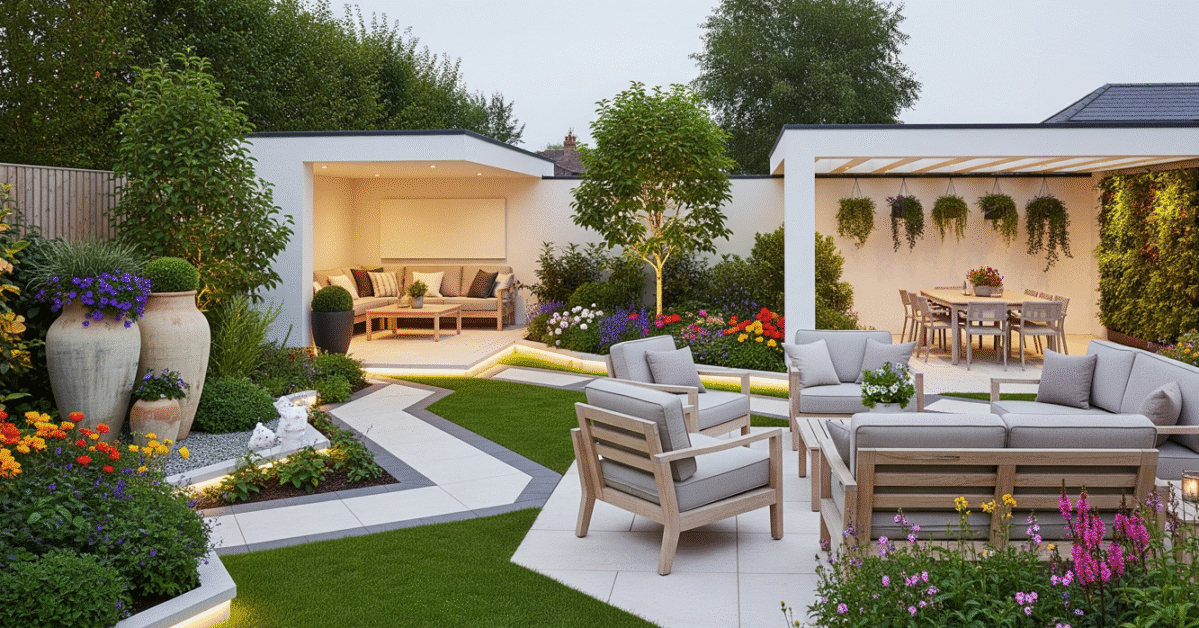
A good garden rarely happens by accident. The spaces that feel calm, usable, and easy to maintain are usually the result of Garden Design choices made in the right order: function first, then structure, then planting.
That matters whether you have a suburban backyard, a narrow city patio, or a balcony with a few square feet to spare. A strong plan saves money, prevents crowded planting, and turns outdoor space into a place you actually use. Below, you’ll find a practical guide to garden planning, layout, style, planting design, and the trade-offs that separate a pretty concept from a workable garden.
Key Takeaways
- Good garden design starts with how the space will be used, not with plants.
- The best layouts balance circulation, focal points, and planting layers so the garden feels intentional from the first step.
- Small gardens look larger when they use repetition, vertical structure, and clear sight lines instead of too many competing features.
- A low-maintenance garden is not “plant-and-forget”; it is a design that reduces pruning, watering, and edge cleanup from the start.
- Style matters, but climate, sunlight, soil, and upkeep should decide the final plan.
What Garden Design Is and Why Garden Design, Landscape Design, and Outdoor Living Space Planning Matter
Garden design is the practice of shaping outdoor space so it works as well as it looks. In technical terms, it combines spatial planning, planting design, circulation, and feature placement to create a coherent landscape that fits the site and the people using it.
In plain English: it is the difference between a yard that feels random and a yard that feels finished. Strong landscape design organizes how you move, where you stop, what you see first, and how much work the space will demand later.
Design is not decoration
A bench, border, pergola, or water feature only helps if it supports the way the space is used. If a patio is too small for a dining set, or a border blocks the path to a gate, the result may be attractive in photos and frustrating in daily life.
What separates a good garden from a pretty one is not the number of features — it is whether each feature earns its place in the layout.
That logic matters in every scale of backyard design. A two-person seating area in a city courtyard needs a different strategy than a family lawn with room for play, but both still depend on the same core principle: every element should solve a spatial problem.
For climate and planting constraints, the USDA Plant Hardiness Zone Map is one of the first references to check, because a beautiful plant that cannot survive winter is a design mistake, not a style choice. For water use, the EPA WaterSense outdoor guidance is useful when you want a garden that looks good without wasting water.
Start with Your Space, Needs, and Lifestyle
The best way to start a garden design from scratch is to map the site before you pick a single plant. Measure the space, note sun and shade patterns, identify wind exposure, observe drainage, and decide how the garden needs to function on a normal week.
Ask the right questions first
- Will this be a place for dining, relaxing, growing food, kids, pets, or all of the above?
- How much time will you realistically spend on watering, trimming, mowing, and cleanup?
- Which parts of the yard are sunny, shady, wet, dry, visible, or awkward to reach?
- Do you want privacy, a view, more seating, or a better transition from indoors to outdoors?
Whoever works in planting design long enough learns this the hard way: the biggest design failures usually come from ignoring maintenance, not from choosing the “wrong” flower color. A lush border that needs weekly deadheading is not low-stress; it is a commitment.
Build a simple site brief
Write down three things you want the space to do, three things it should avoid, and three constraints you cannot change. That brief becomes the filter for every later decision, from patio design to shrub selection.
For example, if the yard gets six hours of sun, has clay soil, and needs to stay child-friendly, the plan should favor durable surfaces, tough perennials, and clear circulation. A formal gravel garden might look elegant, but it can fail if the site holds water after rain.
Core Garden Design Principles to Follow
The strongest garden design ideas usually follow a few basic principles: balance, rhythm, proportion, repetition, and focal points. These are not abstract theory; they are the tools that make a garden feel calm instead of cluttered.
Use repetition to create order
Repeating the same plant, material, or color family in several places gives the eye something to follow. It also makes a small garden feel more deliberate, because the space reads as one composition instead of a collection of unrelated objects.
Think in layers
Most successful planting design uses a ground layer, a middle layer, and a vertical layer. Groundcovers, low perennials, shrubs, and small trees work together to create depth, which is why flat, one-layer borders often feel unfinished.
Respect scale and proportion
A large urn, oversized boulder, or tall pergola can give a garden structure. In a tight space, though, one overlarge feature can dominate everything else. The right size is the one that matches the scale of the house, the width of the path, and the distance from the viewer.
Small gardens do not need more detail; they need fewer, better-chosen elements with cleaner repetition and tighter scale control.
The Royal Horticultural Society’s guidance on planting and site conditions is a useful reminder that plants must suit the soil and light they receive, not the mood board they were chosen from: RHS plant guidance.
Popular Garden Design Styles and When to Use Them
Choosing a style is not about being trendy. It is about narrowing decisions so the final space feels consistent. The right garden design styles depend on architecture, climate, and how much maintenance you want to accept.
| Style | Best For | Why It Works | Main Trade-Off |
|---|---|---|---|
| Modern garden design | Contemporary homes, clean lines, compact spaces | Uses simple geometry, repetition, and restrained planting | Can feel cold if material choices are too hard or sparse |
| Cottage-style garden | Traditional homes, romantic planting, layered borders | Soft, abundant, and full of seasonal interest | Usually needs more pruning and editing |
| Minimalist courtyard | Urban patios, small plots, low-clutter living | Creates calm with strong structure and a limited palette | Requires precision; weak detailing stands out fast |
| Naturalistic planting | Sunlit borders, pollinator-friendly spaces, larger yards | Feels relaxed and ecological while supporting biodiversity | Needs careful species selection to avoid looking messy |
Match style to structure
A Victorian terrace usually benefits from a different approach than a new-build boxy house. Straight lines often suit modern architecture, while softer drifts and mixed textures can complement older homes with more ornament.
There is one caveat: style should never override function. A garden that looks “on trend” but lacks shade, seating, or circulation will age poorly, even if the planting palette is strong.
How to Plan Layout, Planting, and Focal Points
Garden layout is the backbone of the whole project. If the circulation, seating, and focal points are wrong, no amount of good planting can fully rescue the space.
Start with circulation
Map the route people will actually take, not the one that looks elegant on paper. Paths should connect doors, gates, bins, seating areas, and sheds without forcing awkward detours through planting beds.
Create one main focal point per view
A focal point can be a specimen tree, sculpture, fire pit, water bowl, or a carefully framed view. The key is restraint. Too many focal points turn a garden into visual noise.
In practice, I have seen small backyards lose all impact because every corner tried to be “interesting.” The fix was not more features; it was removing half of them and giving the remaining ones enough breathing room to matter.
Layer planting by function
- Structure: evergreen shrubs, clipped hedges, small trees, or trellised climbers.
- Fill: perennials and ornamental grasses that provide color and movement.
- Support: groundcovers and seasonal accents that soften edges and reduce bare soil.
For planting choices, the goal is not maximum variety. It is a stable composition that still changes through the year. If you want a low-maintenance garden, reduce the number of species and repeat the ones that perform reliably in your site conditions.
Garden Design Ideas for Small, Large, and Urban Spaces
Good garden design adapts to scale. A courtyard, suburban backyard, and roof terrace can all feel complete, but each needs a different tactic to avoid wasted space and maintenance headaches.
Small garden design that looks bigger
Use longer sight lines, fewer materials, and repeated planting groups. A narrow path, mirrored elements, or a single strong feature at the far end can stretch the perceived depth of the space.
- Choose one paving material and use it consistently.
- Keep planting in generous masses rather than scattered pockets.
- Use vertical elements such as trellis, climbers, or slim trees.
- Leave some surfaces uncluttered so the garden can breathe.
Large backyard design with structure
Bigger spaces need zoning. One area can handle dining, another can support lawn or play, and a third can become a quieter corner with planting and shade.
The mistake in larger plots is often the opposite of the small-garden problem: too much openness and not enough definition. Without paths, boundaries, or repeated anchors, the space feels unfinished rather than generous.
Urban and patio design
For a patio or roof space, furniture scale, wind exposure, and containers matter more than lawn alternatives. Raised planters, compact trees in pots, and wall-mounted lighting can turn a hard surface into an outdoor living space without overloading it.
That is where patio design overlaps with architecture. The outdoor room should connect to the house with similar levels of care: durable materials, sensible circulation, and one or two strong visual cues.
In small or urban gardens, the fastest way to make the space feel larger is to reduce the number of competing ideas and let the layout do the work.
Maintenance, Budget, and Common Mistakes to Avoid
A garden is only successful if it can survive real life. Budget and maintenance decide whether a concept becomes a lasting landscape or an expensive reset in two seasons.
Design for the work you will actually do
If you dislike weekly clipping, avoid formal hedges and labor-intensive borders. If you have limited time, choose shrubs with steady structure, mulch heavily, and focus on plants that stay attractive with minimal intervention.
A low-maintenance garden is not maintenance-free. It is built to reduce repetitive tasks by using durable hardscape, fewer plant varieties, and sensible spacing that limits overcrowding.
Budget where it matters
Spend first on the bones of the garden: grading, drainage, soil improvement, paths, and any patio or retaining work. Those choices affect everything else. Plants can be added in phases, but poor drainage or weak layout is expensive to correct later.
Common mistakes worth avoiding
- Buying plants before defining the layout.
- Ignoring mature size and crowding everything too close.
- Mixing too many materials, colors, or styles in one space.
- Placing seating where it gets no shade, privacy, or view.
- Designing for peak bloom instead of year-round structure.
There is no single formula that fits every property. A clay-heavy suburban yard, a windy rooftop, and a shaded courtyard each demand different plant choices and different maintenance expectations. That flexibility is part of what makes garden planning useful: it turns preferences into a workable plan.
What To Do Next
The smartest next step is not to buy plants. It is to sketch the space at scale, mark the sun, note the routes people use, and decide which features deserve priority. Once that framework is clear, every later choice becomes easier, cheaper, and far more consistent.
If you are starting from scratch, build the garden in this order: function, layout, structure, planting, then finishing details. That sequence keeps the design grounded and prevents the most common mistake in backyard design — decorating a space before it has a job.
Frequently Asked Questions
What is the best way to start a garden design from scratch?
Start with a site map and a short brief: how the space will be used, what conditions it has, and what constraints cannot change. Measure sun, shade, drainage, and circulation before choosing plants or features. That approach prevents expensive redesign later.
How do I choose the right garden style for my space?
Choose a style that matches your house, climate, and tolerance for maintenance. Modern garden design suits clean architecture and compact spaces, while softer styles fit older homes and relaxed planting schemes. The best style is the one you can actually maintain well.
What are the main principles of good garden design?
The main principles are balance, repetition, proportion, rhythm, and focal points. Together, they make a space feel organized instead of busy. If one of those is missing, the garden often feels unfinished.
How can I design a small garden to look bigger?
Use fewer materials, repeat plants, and create long sight lines. Vertical elements, such as trellises or slim trees, help the eye move upward and outward. A small garden usually looks larger when the layout is simple and cohesive.
What makes a garden low-maintenance but still attractive?
A low-maintenance garden uses plants that fit the site, spacing that prevents crowding, and hardscape that reduces upkeep. Repetition also helps, because a limited plant palette is easier to care for. Attractive structure matters more than constant seasonal change.
Do I need a professional landscape designer for a small backyard?
Not always. A small backyard can often be planned well with a clear sketch, accurate measurements, and a realistic maintenance plan. Professional help becomes more useful when drainage, grading, privacy, or built features are part of the project.