
Warning: Cannot modify header information - headers already sent in /home/u278635817/domains/myhousegarden.com/public_html/wp-content/plugins/artigosgpt/artigosgpt.php on line 28454
Night falls and your property either vanishes into a black hole or suddenly looks like a staged listing in a glossy magazine. That first sentence is why garden lighting matters: properly placed lights can create curb appeal that buyers notice before they even step out of the car. In this guide you’ll get a three-day, low-cost plan to install smart garden lighting that makes your home read as higher-value — with placement, fixture picks, and no-nonsense DIY wiring tips that actually work.
Day 1: The 3-hour Audit That Decides Everything
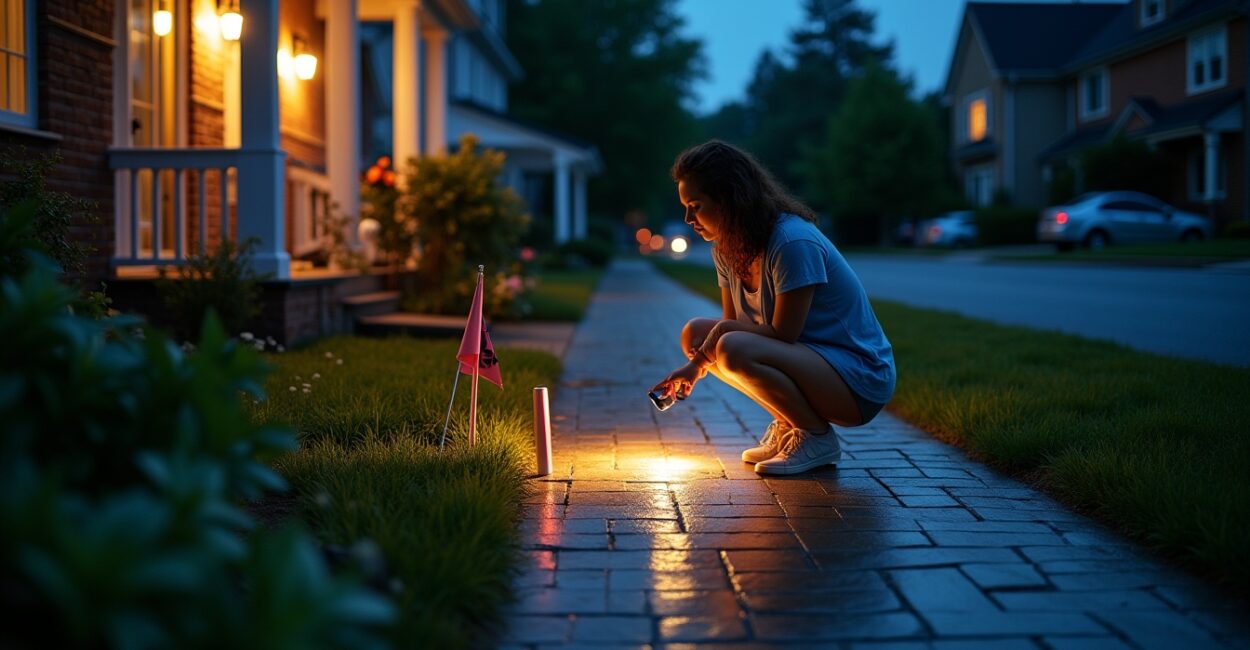
Start by walking your property after sunset with a phone flashlight. Find the three moments a buyer’s eye will land on: the path to the door, the front facade, and one focal plant or tree. Mark those with cloth or spray paint. This quick audit prevents scattershot installations that waste fixtures and dilute impact. Take photos from the sidewalk and driveway; those two angles are your priority. If you own the plot, also note power access points for easy wiring runs.
The Lighting Recipe Buyers Actually Respond To
People buy feelings, not fixtures. Create three layered zones: path (safety), facade (architecture), and accents (character). Use warm 2700–3000K LEDs for an inviting glow, and mix in a single cool-white spotlight only if you need texture on stone or brick. The goal is readable depth — not studio-brightness. A simple set: 6 path lights, 3 low-voltage spotlights, 2 well lights for trees. That setup covers most modest front yards without overdoing electricity or budget.
Where to Place Fixtures So They Look Expensive, Not DIY
Placement beats lumens. Put path lights about 6–8 feet apart for even coverage. Angle spotlights from 30–45 degrees to avoid harsh shadows on faces. For tree uplighting, locate the fixture 1–2 feet from the trunk and hide it behind a shrub. Think sightlines: a light that’s visible from the street should be soft; a hidden accent can be bolder. Before digging, check for irrigation and utility lines — a quick call to local utility services saves headaches.
Fixtures That Feel Premium on a DIY Budget
You don’t need designer brands to look high-end. Choose fixtures with metal housings (not cheap plastic), frosted lenses, and adjustable heads. Smart low-voltage kits now come with Wi‑Fi controllers and dimming for under $200. Spend on one or two standout pieces — a lantern by the door or a recessed well light — and keep the rest simple. Expectation vs. reality: a cohesive color temperature and consistent finish make $20 stakes read like upscale fittings.
Simple, Safe Wiring: The DIY Path That Wins Showings
Low-voltage (12V) systems are the sweet spot: safe, code-friendly, and easy to install. Run a single buried 12V cable from a transformer near your main power outlet, then tee off to fixtures. Use waterproof connectors and a ground fault interrupter (GFCI) outlet for the transformer. If you have basic tools — shovel, wire stripper, screwdriver — you can complete wiring in a day. Safety rule: if you need to touch house mains or install conduit, call a licensed electrician.
Smart Control Without Subscription Fees
Pick a transformer or controller with native Wi‑Fi or a simple Z‑Wave hub that integrates with existing smart home systems. Use schedules and geofencing so lights come on at dusk and can simulate presence when you’re away. Avoid locked ecosystems that need subscriptions; many devices offer local control via an app. Quick win: set a “listing mode” to boost brightness for showings, then revert to softer levels for everyday living.
Before-and-after That Proves ROI (and the Five Things People Get Wrong)
A crisp before-and-after is the closest thing to proof for buyers. Take a wide photo from the street before you install and another after the lights are on — the difference is often dramatic. Comparison: an unlit home looks smaller and less secure; the same home lit correctly reads larger, safer, and cared for. Common mistakes to avoid:
- Placing too many fixtures — cluttering light is worse than none.
- Mixing color temperatures — it looks amateurish.
- Over-lighting facades — creates blown-out details.
- Ignoring angles — poorly aimed lights cause glare into windows.
- Using cheap, exposed wiring — reduces perceived value and longevity.
Mini-story: a seller I know installed six path stakes and two uplights in an afternoon; the open house that weekend had 30% more walk-ins and two above-asking offers. The buyer feedback was simple: “It felt safer and more elegant.” That’s the exact reaction you’re designing for.
For extra credibility on safety and standards, consult resources like National Fire Protection Association guidance and practical installation notes from university extensions such as University of Minnesota Extension.
Final Nudge: One Small Change That Shifts Perception Forever
Pick one focal light and make it sing — a well-placed tree uplight or a warm porch lantern. That single decision changes how the whole property reads. When buyers step out of their cars, their brains anchor on that focal point and assign value. Leave them feeling something is cared for; they’ll translate that into dollars. Now grab your tape, mark those three spots, and start Day 1.
How Much Will a Basic Three-day Garden Lighting Install Cost?
A basic, effective three-day install can range from $150 to $800 depending on fixture quality and whether you buy a smart transformer. Expect to spend around $200–$400 for decent low-voltage kits: transformer, 6 path lights, 3 spotlights, and connectors. Add $50–$150 for one or two premium fixture accents. Labor is your wildcard—doing it yourself keeps costs low; hiring an installer adds $200–$600. Prioritize finish and color temperature over brand names to maximize perceived value per dollar spent.
Is Low-voltage Lighting Safe to Install Myself?
Low-voltage (12V) systems are far safer than mains voltage and are commonly DIY-friendly. With basic hand tools, waterproof connectors, and proper trenching depth (check local code), most homeowners can install these systems. Always plug the transformer into a GFCI-protected outdoor outlet. However, if your plan involves new electrical circuits, conduit, or touching house mains, stop and hire a licensed electrician. When in doubt, a one-hour consult with a pro avoids costly mistakes and keeps your installation inspection-ready.
Will Garden Lighting Actually Increase My Home’s Resale Value?
Directly measuring value uplift is tricky, but properly executed lighting increases curb appeal, perceived safety, and emotional attractiveness—factors that influence buyer decisions. Real-estate staging studies and realtor surveys indicate that improved exterior lighting shortens listing time and can lead to stronger first impressions. Think of lighting as low-cost staging: the visual boost often translates to higher offers because buyers perceive better maintenance and security. For a modest investment, the psychological ROI is typically disproportionate to the dollars spent.
What Are the Best Bulbs and Color Temperatures for Outdoor Lighting?
Use warm-white LEDs between 2700K and 3000K for most residential exteriors; they render skin tones and landscaping naturally and feel welcoming. For highlighting stone textures, a slightly higher 3000K can work, but avoid mixing warm and cool temperatures in visible sightlines. Choose CRI (color rendering index) 80 or higher to keep colors accurate at night. LEDs are energy efficient and long-lasting, and pairing them with dimmers or smart controls helps fine-tune ambiance without changing hardware.
How Do I Protect Outdoor Lighting from Weather and Vandalism?
Choose fixtures with an IP rating of at least IP44 for splash resistance; IP65 is better for exposed locations. Mount fixtures low and conceal wiring under a few inches of soil or inside PVC conduit where needed. Use tamper-resistant screws for visible fixtures and lockable covers on transformers. For high-value areas, consider motion-activated lighting with timers to reduce constant exposure. Regular seasonal checks — cleaning lenses and verifying seals — extend lifespan and keep the system looking intentionally maintained for buyers.