

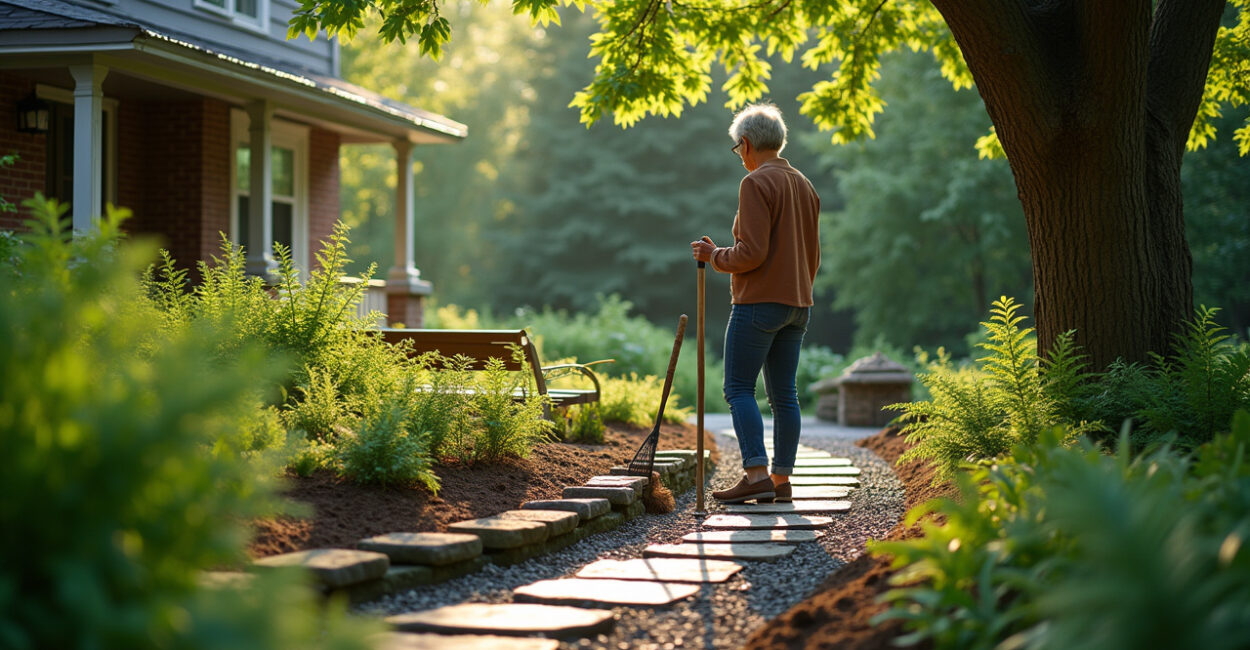
Shade Gardens are a smart choice for homeowners with shady yards who want attractive, low-maintenance landscapes. They concentrate on plants and design that thrive with limited sunlight, reducing watering and upkeep while boosting curb appeal. To start, identify light levels, soil type, and drainage to pick plants that flourish in deep shade, dappled light, or afternoon shade.
Shady properties often suffer from sparse turf and poor-performing sun plants; Shade Gardens turn that limitation into an advantage by prioritizing groundcovers, woodland perennials, and shrubs that prefer cooler, moister conditions. With the right soil amendments, mulch strategy, and plant combinations, you can create a lush, low-effort garden that supports biodiversity and looks intentional year-round.
In this guide you’ll find plant recommendations, soil and mulch tactics, design ideas, maintenance shortcuts, and hardscape tips to build a durable shade garden that needs little work. Each section uses practical examples, comparison tables, and clear steps so you can implement a thriving Shade Garden regardless of experience.
Shade Garden Plant Selections
Best Perennials for Shade Gardens
Perennials that thrive in shade form the backbone of low-maintenance beds. Choose hostas, astilbes, and hellebores for layered foliage and seasonal blooms. These plants tolerate moist, cool soils and reduce bare spots in understory landscapes.
Planting a mix of foliage textures—broad hosta leaves, feathery astilbe plumes, and evergreen ferns—creates visual interest without frequent intervention. They naturalize over time and require minimal fertilization when established.
For diversity, include spring ephemerals like trilliums or spring bulbs that retreat after blooming, leaving space for summer-shade perennials to take over. This staggered rhythm keeps the garden attractive across seasons.
Shade-tolerant Shrubs and Small Trees
Shrubs such as hydrangea paniculata (in lighter shade), heuchera-ish shrubs, and rhododendrons create structure and year-round presence. Small flowering trees like serviceberry or dogwood provide dappled shade and seasonal interest.
Shrubs establish root systems that stabilize soil and compete less with turf, lowering maintenance. Select species adapted to your USDA zone and match mature size to the planting location to avoid future pruning headaches.
Underplant shrubs with groundcovers and bulbs to hide bare stems and reduce mulch exposure. Proper spacing and mulch will cut down on weed pressure and watering needs.
Groundcovers Ideal for Shade Gardens
Low-growing groundcovers like pachysandra, vinca minor, and native wild ginger fill gaps and suppress weeds, creating a living mulch that conserves moisture. They are essential in low-light yards where grass struggles.
Use mixtures of evergreen and seasonal groundcovers to maintain year-round interest and soil protection. Groundcovers reduce the need for edging and frequent beds maintenance when planted densely.
Ensure you choose non-invasive varieties when working near natural areas; native groundcovers often support local fauna and require less input over time.
Soil and Mulch Strategies for Shaded Beds
Improving Soil Health for Shade Gardens
Healthy soil is the foundation of any low-maintenance shade landscape. Incorporate organic matter—compost, leaf mold, or well-rotted manure—to improve structure, drainage, and nutrient-holding capacity in shady beds.
Test soil pH and nutrient levels before planting; many woodland plants prefer slightly acidic to neutral soils. Amendments should be integrated gently to avoid disturbing existing roots and mycorrhizal networks.
Regular top-dressings of compost each spring feed microbes and slowly release nutrients, reducing dependence on synthetic fertilizers and frequent watering.
Mulch Types and Application in Shade Gardens
Mulch conserves moisture and suppresses weeds in shaded areas where evaporation is lower but organic breakdown is faster. Use shredded hardwood, leaf mulch, or pine needles for natural-looking coverage and steady nutrient return.
Apply mulch 2–3 inches deep, keeping it away from stems and trunks to prevent rot. Replenish mulch annually; in deep shade, a slightly thinner layer may reduce fungal issues while still offering benefits.
| Mulch Type | Best Use |
|---|---|
| Shredded hardwood | Long-lasting, good for paths and beds |
| Leaf mold | Excellent for soil biology in woodland gardens |
| Pine needles | Acid-loving plants and fast drainage |
Drainage and Moisture Control Tips
Shade often means damp conditions; improving drainage in low spots prevents root rot and fungal diseases. Install swales, dry creek beds, or amend soil with coarse sand and compost to balance moisture retention and drainage.
Group plants by moisture needs—bog-tolerant species near downspouts, drier-tolerant shrubs on raised mounds—to reduce failure and maintenance. Proper grading and mulch also keep surface water from pooling against stems.
Consider installing a drip irrigation system on a timer for the establishment period, then wean plants off supplemental watering as roots develop and the canopy moderates evaporation.
Design Ideas for Shade Gardens
Layered Planting for Depth in Shade Gardens
Layering combines canopy trees, mid-story shrubs, perennials, and groundcovers to mimic natural woodland structure—this approach creates year-round interest and reduces bare patches. Use height and texture contrasts to guide the eye.
Place taller specimens toward the back or center depending on perspective, with mid-height shrubs creating transition zones. Groundcovers fill the foreground and perform the hard work of suppressing weeds.
This layered approach reduces maintenance because each ecological layer performs a different role: shade creation, soil stabilization, and weed suppression, improving resilience over time.
Paths, Seating, and Focal Points
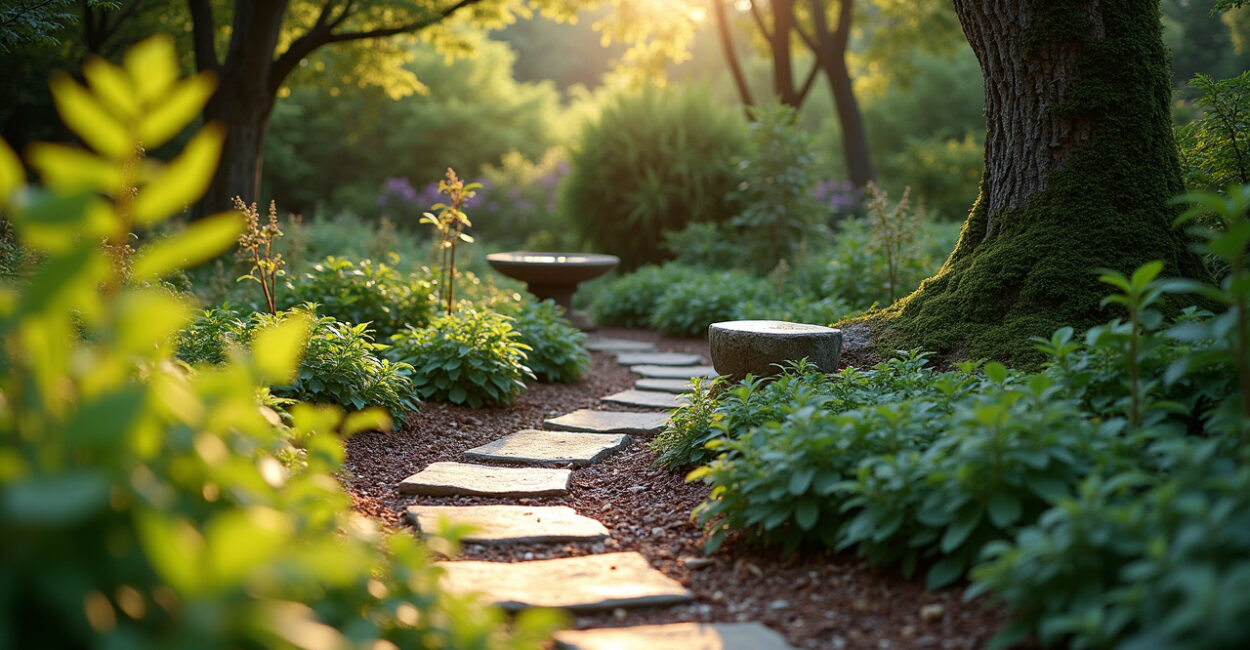
Integrate paths and seating areas with materials that complement the shady mood—flagstone, mulch paths, or recycled decking. Paths encourage exploration and make maintenance access easier without compacting planting beds.
Add focal points like a stone bench, birdbath, or specimen fern to create restful vistas. These elements draw attention and make the garden feel intentionally curated with minimal upkeep.
Use lighting sparingly—soft path lights or uplighting on specimen trunks—to extend usability into evening while avoiding light pollution that disturbs nocturnal wildlife.
Color, Texture, and Seasonal Interest
In shade, foliage becomes the main show: play with variegation, leaf size, and sheen to create contrast. Silver-leaved plants or chartreuse foliage brighten dark corners, while glossy hollies or ferns add texture.
Include a few bloomers—astilbe, camellia, or shade-tolerant hydrangeas—to punctuate the season. Evergreen shrubs and interesting bark carry the winter garden so the space never feels empty.
Plan for maintenance seasons: tidy in spring, cut back spent perennials in late winter, and refresh mulch in fall to keep soil insulated and roots healthy.
Planting and Maintenance Schedules
Establishment Timeline for Shade Gardens
Plant in early spring or fall when temperatures are mild to reduce stress. Water deeply at planting and keep consistent moisture through the first one to two growing seasons while roots develop.
Use slow-release fertilizers only if soil tests indicate deficiencies. Overfeeding in shade encourages weak growth and more disease; focus instead on good soil and mulch practices.
Follow a seasonal checklist: plant spring bulbs in fall, divide congested perennials in spring, and prune lightly after flowering to maintain form without intensive labor.
Low-maintenance Pruning and Care
Minimal pruning keeps shade gardens natural and low-effort—remove dead or damaged wood, thin congested branches for airflow, and avoid heavy shearing except for formal hedges. Prune at appropriate times for each species to protect blooms.
Deadhead sparingly to tidy appearance; many woodland plants naturalize better if allowed to set seed. Use hand tools for small jobs to reduce disturbance and compaction that harms roots.
Monitor for common shade problems—slugs, fungal leaf spots, and crown rot—and address cultural causes first: improve drainage, thin canopy for airflow, and apply organic controls when necessary.
Watering Strategies That Save Time
In established shade gardens, watering frequency is often lower than sunny beds. Water deeply and infrequently to encourage deep roots; use drip irrigation or soaker hoses for targeted delivery and less evaporation.
Mulch and groundcovers drastically reduce surface evaporation, so check soil moisture before adding water. Smart timers or moisture sensors can prevent overwatering and conserve resources.
For new plantings, maintain consistent moisture for 6–12 months depending on species and season, then taper to seasonal supplemental irrigation as plants mature.
Shade Garden Plant Pairings and Palettes
Native Plant Mixes for Shady Sites
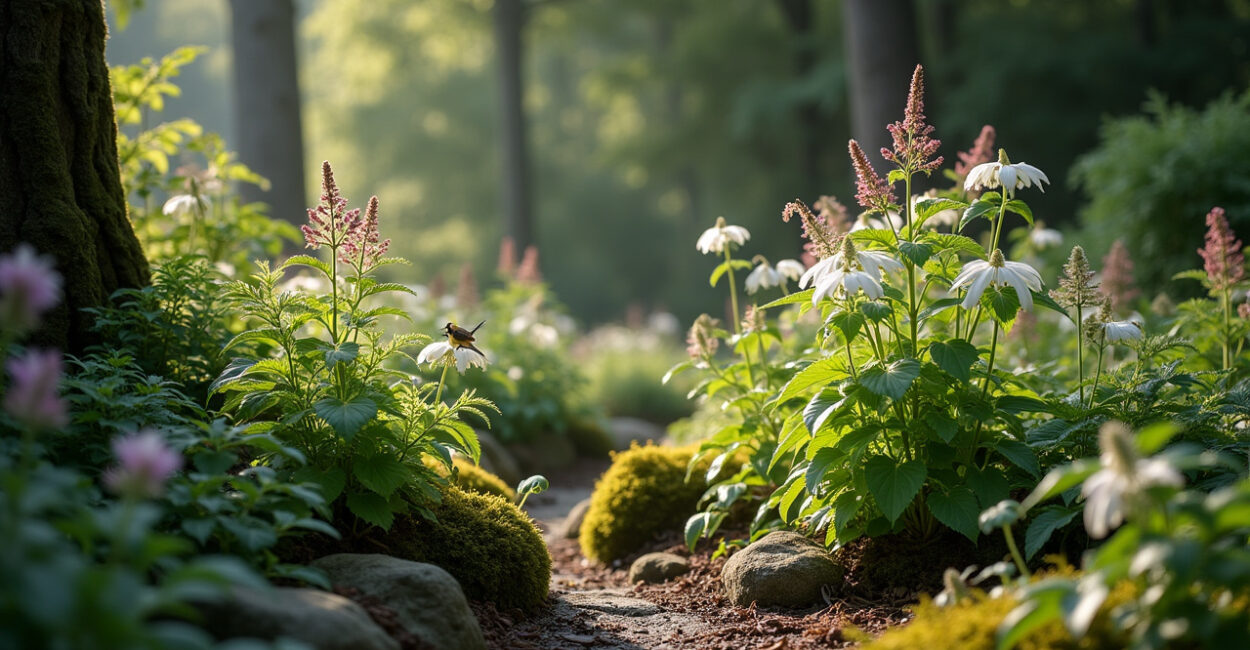
Using native species—trillium, foamflower, and native ferns—promotes ecological balance and reduces maintenance. Natives are adapted to local soils, pests, and moisture regimes, often requiring less intervention than exotics.
Combine natives with compatible ornamentals for year-round interest: spring ephemerals, summer foliage perennials, and evergreen shrubs. This creates habitat for pollinators and birds while keeping the garden low-input.
Check with local extension services for recommended native lists and sourcing; using regionally appropriate species supports long-term success and resilience.
Color Palettes That Brighten Shade
Choose palettes that emphasize foliage color—lime greens, silvers, and deep purples—to enliven dark corners. Strategic placement of variegated hostas and pale astilbes can create luminous contrasts without relying on heavy blooms.
Monochromatic schemes with layered textures can feel elegant and restful. Accent colors from flowers or foliage can be used sparingly to avoid overwhelming subtle shade tones.
Test combinations in small groups before large-scale planting to ensure colors read well in low light and under the canopy of trees.
Combining Edibles with Shade Gardens
Certain edibles like leafy greens, herbs (mint in controlled areas), and woodland crops like ramps or perennial garlic chives perform in partial shade. Integrating edibles adds function without sacrificing low maintenance.
Place edibles where they receive dappled morning sun or near edges with more light. Use containers or raised beds for easier soil control and to separate vigorous edibles from decorative plantings.
Be mindful of pest dynamics—edibles may attract wildlife. Use companion planting and physical barriers rather than heavy chemical inputs to keep the garden sustainable.
Hardscaping and Wildlife Benefits in Shade
Paths, Patios, and Drainage Features
Hardscaping stabilizes shady sites and creates usable outdoor rooms. Permeable pavers, gravel paths, and stepping stones minimize compaction and allow water infiltration while offering accessibility.
Place seating near specimen plants or water features to enjoy shade microclimates. Incorporate drainage elements—French drains or dry creek beds—to control runoff and prevent soggy planting pockets.
Choose materials that contrast with foliage color and texture to create focal points without frequent upkeep. Proper installation reduces long-term maintenance and improves longevity.
Supporting Beneficial Wildlife in Shade Gardens
Shade gardens can be wildlife-friendly: native plants provide nectar and host resources for pollinators, while shrubs and trees offer shelter for birds. Add a shallow birdbath or log piles to increase habitat value.
Avoid broad-spectrum pesticides; encourage predators like ladybugs and birds to keep pests in check. Planting in layers offers nesting and foraging opportunities that mimic natural woodlands.
Even small shade yards can become ecological pockets that connect with larger green corridors, supporting biodiversity in urban and suburban areas.
Durable Materials and Low-upkeep Choices
Select rot-resistant wood, stone, or composite decking for long-lasting features that need little repair. Use stainless steel or powder-coated fixtures for outdoor furniture to reduce repainting and rust issues.
Permeable materials reduce standing water and maintenance while supporting plant health. Choose mulch and edging materials that contain groundcovers without frequent resetting.
Plan for access: design beds and hardscape for easy leaf cleanup and tool access to keep seasonal tasks quick and manageable.
Conclusion
Shade Gardens turn limited sunlight into an opportunity for low-maintenance, attractive landscapes using the right plant choices, soil and mulch tactics, and thoughtful design. By prioritizing shade-tolerant perennials, shrubs, and groundcovers, you can create resilient beds that require minimal water and pruning.
Implement layered planting, sensible hardscaping, and seasonal maintenance to maximize long-term success with Shade Gardens. Try one shade bed as a pilot, observe microclimates, and expand gradually—your shady yard can become a low-effort haven for people and wildlife.
FAQ
What Are the Easiest Plants for a Beginner Shade Garden?
For beginners, choose resilient species like hostas, ferns, astilbe, and pachysandra. These tolerate low light and require little special care beyond initial watering and occasional division. Start with a small bed, test soil moisture, and use mulch to reduce weeds and maintenance.
How Much Sunlight Does a Shade Garden Need to Thrive?
Shade Gardens typically perform in dappled light, morning sun, or full shade with less than four hours of direct sun daily. Match plant choices to measured light levels—deep shade plants differ from those needing bright, filtered light for best results.
Can I Grow Edible Plants in a Shade Garden?
Yes. Leafy greens, certain herbs, and woodland edibles like ramps can grow in partial shade. Place them at sunnier edges or use containers for better soil control. Monitor pests and manage wildlife to protect crops without heavy inputs.
How Often Should I Mulch and Water a Shade Garden?
Mulch should be refreshed annually to maintain a 2–3 inch layer; in deep shade a thinner layer can reduce fungal problems. Water deeply during establishment for the first 6–12 months, then apply supplemental irrigation only during extended dry spells.
Are Native Plants Better for Shade Gardens Than Ornamentals?
Native plants are often better adapted to local conditions, supporting biodiversity and reducing inputs. However, well-chosen ornamentals can complement natives for texture and color. A mix of native and compatible non-invasive ornamentals usually works best.
External sources: USDA, Royal Horticultural Society