Warning: Cannot modify header information - headers already sent in /home/u278635817/domains/myhousegarden.com/public_html/wp-content/plugins/artigosgpt/artigosgpt.php on line 28454
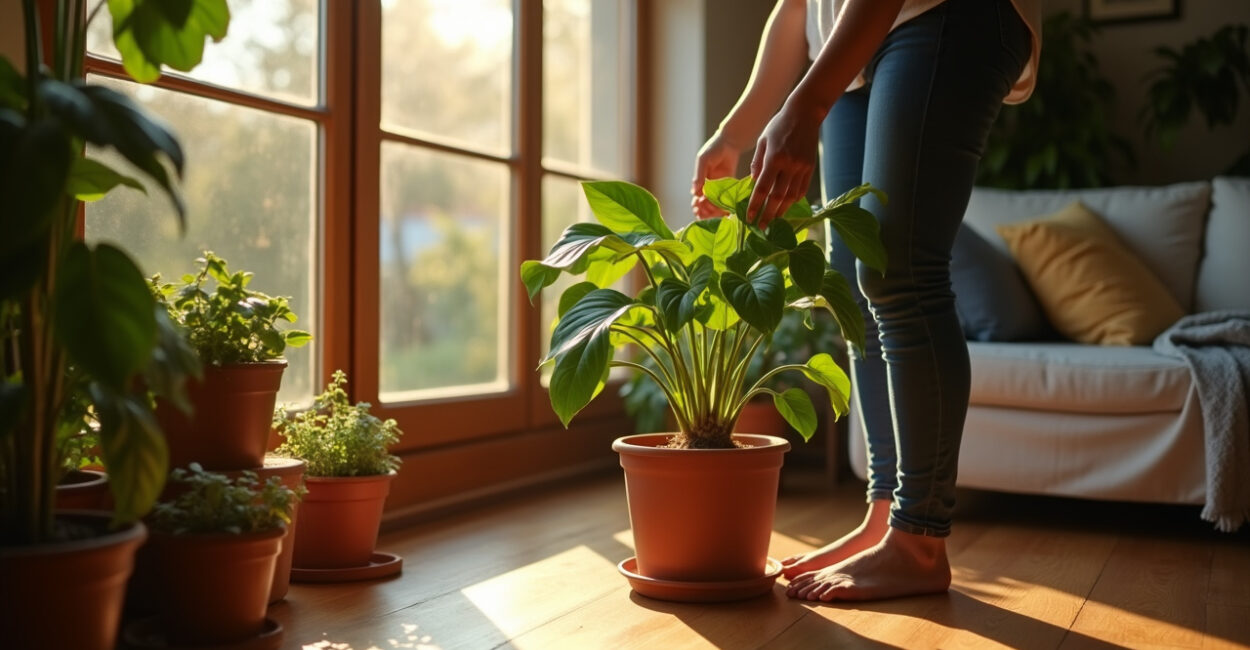
My pothos was limp for two weeks until I moved it three feet across the room. It perked up in five days. That one small change — swapping a plant to a brighter patch — tells you everything you need about indoor light. You don’t need fancy meters or grow lights to fix most problems. You need to learn how to read your rooms, measure brightness in simple ways, and match each species to what it really wants.
How to “measure” Light with Your Eyes (no Tools Required)
You can estimate usable light in minutes, not hours. Stand where the plant sits and note shadows, color clarity, and how your skin feels. Bright light makes sharp shadows and vivid colors; indirect light gives soft, blurred shadows; low light mutes colors and erases shadows. Try this quick test: hold your hand 12 inches from the plant—if it casts a sharp shadow, that spot has bright light. If the shadow is fuzzy, it’s bright indirect. No shadow? Low light.
The Single Best Trick to Quantify Brightness Without a Lux Meter
Take photos. Use your phone camera set to automatic and photograph the plant area at midday with curtains as they are. Look at the histogram or the exposure preview. If the image needs +1 to +2 stops, light is low. If it’s neutral, it’s medium; if it overexposes, it’s bright. This crude quantification gives repeatable results across rooms and days. It also beats vague terms like “lots of sun” — you get a before-and-after that tells you whether a swap helped.

Plants That Thrive in Bright Light (and the Few Surprises People Miss)
Bright light favorites often tolerate direct sun but can burn if suddenly exposed. Classic examples: succulents, cacti, citrus, and most orchids. Less obvious winners: variegated philodendrons and some begonias — they need more light than their plain-leaf cousins because variegation reduces chlorophyll. If a variegated plant turns green, it’s trying to grab more light. Move these plants gradually so they adapt. A quick comparison: expectation — sun equals healthy; reality — sudden direct sun often equals scorched leaves.
Plants for Bright Indirect and Low Light (what to Keep Near Windows Vs Deep Rooms)
Bright indirect: monstera, fiddle-leaf fig (near but not on the pane), calathea. Low to medium light: snake plant, zz plant, pothos, and many ferns. Match leaf type to light: thick, waxy leaves usually mean sun tolerance; thin, delicate leaves mean lower light or strong indirect light. If a plant stretches (leggy growth) or loses variegation, it wants more light. If leaves brown at the edges, it may be getting too much direct light or inconsistent water.

Room Swaps That Transform Struggling Plants — Quick Wins with No Gear
Swap, don’t overthink. Move a struggling plant two to six feet toward the window and observe five days. If it’s still unhappy, try the opposite direction. Simple swaps that work reliably:
- Move sun-seeker from north window to east or west window.
- Relocate shade-tolerant plants from hallway into interior rooms with bright indirect light.
- Rotate plants weekly so all sides get light and avoid one-sided growth.
This is a low-effort, high-payoff routine. Most indoor plant problems respond to a single, well-planned swap.
Common Mistakes That Kill More Plants Than Pests
What to avoid:
- Placing a plant in a bright spot and forgetting you opened a curtain the next week — sudden intensity burns leaves.
- Assuming “bright room” equals “bright spot” — light varies within the same room.
- Using the same watering schedule regardless of light — plants in brighter spots dry faster.
- Ignoring leaf color changes; pale new leaves often mean insufficient light.
Fixes are simple: track light visually, adjust watering, and move plants gradually.
The One Comparison That Changes Decisions: Meter Vs Observation
Meter approach: buy a lux meter or use an app, get numbers, feel precise. Observation approach: watch shadows, color, and growth, then swap a plant and wait a week. Both work, but observation beats data when you’re living with plants. The surprising result is that many experienced growers trust the second method because it reflects the dynamic reality of a room — furniture moved, weather changes, seasonal windows. Use numbers for fine-tuning; use your eyes for day-to-day care.
For deeper reading on light and plant physiology, see research summaries from university horticulture departments and plant science articles. For light standards and safety, check government or educational resources that explain light measurement and plant responses in plain terms, such as University of Minnesota Extension and USDA.
Move one plant today. You’ll either prove the method or learn something useful. Either way, your collection will thank you.
How Quickly Will a Plant Show Improvement After a Light Swap?
Most plants give visible signs within five to fourteen days. You’ll notice perked leaves, firmer stems, and new growth when a swap helps. Some changes are subtle: color saturation and leaf angle adjust in a week. Root recovery and fuller growth may take a month. If nothing improves after two weeks, reassess: the spot might still be too dim, or the plant could have a watering or pest issue. Small, consistent moves are better than sudden jumps that can shock the plant.
Can Phone Camera Exposure Reliably Replace a Lux Meter?
Yes, for practical houseplant care. A phone photo at midday gives a quick, repeatable estimate of relative brightness between rooms. It won’t provide lux accuracy for scientific work, but it’s enough to decide whether a plant needs to move closer to a window. Use the same camera settings and time of day for comparisons. Combine photos with shadow tests for best results. If you need exact numbers for specialized plants, then consider a dedicated light meter.
Which Signs Show a Plant is Getting Too Much Direct Light?
Too much direct light often causes bleached or brown patches, especially on thin-leaved plants. Leaves may curl, look papery, or develop brown tips. Variegated plants can scorch quickly because their white areas lack chlorophyll. Sudden exposure after months in shade is a common cause. If you see rapid leaf discoloration, move the plant back from the pane, provide filtered light with a sheer curtain, and allow recovery slowly to avoid further damage.
How Should I Adjust Watering Based on Light Levels?
Light drives water use. In bright spots, soil dries faster, so water more often but in smaller amounts to keep roots healthy. In low-light areas, water less frequently and check soil moisture before rewatering. A good habit: stick your finger an inch into the pot—if it’s dry, water; if it’s moist, wait. Overwatering in low light is the fastest way to root rot. Track conditions for two weeks after a move to find the right rhythm.
Are There Reliable Houseplants That Survive in True Low Light?
Yes. Snake plants, ZZ plants, and certain pothos varieties tolerate true low light better than most. They grow slowly but consistently and are forgiving of irregular care. “Tolerate” doesn’t mean thrive: leaves may be smaller and growth reduced. Use low-light plants in bathrooms, hallways, or north-facing rooms. If you want faster growth or richer color, you’ll still need to place them in brighter indirect light or supplement with targeted light in winter months.