
Native Pollinator Gardens: The Mistake That Shrinks Bloom Time
How matched moisture affects native pollinator gardens: why planting species in their ideal wetness boosts bloom time and supports pollinators longer.
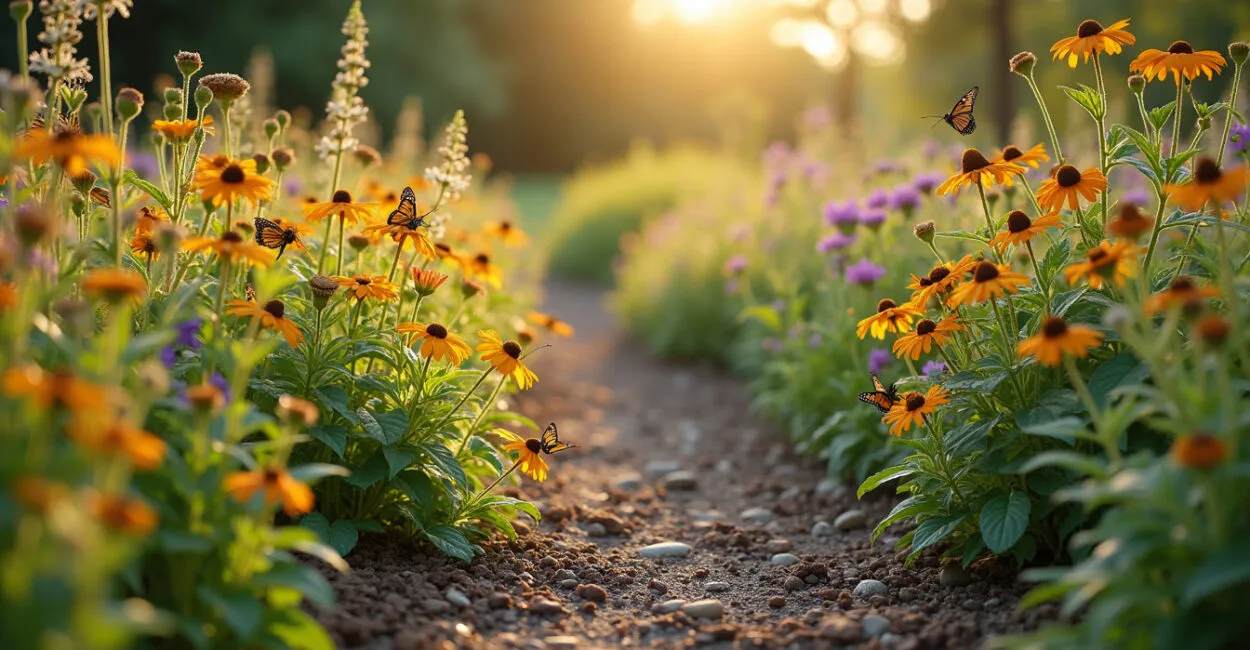 Pollinators gather across dry and damp beds
Matched moisture is the quiet fix behind many common native pollinator garden mistakes.
People blame “bad soil,” “weak plants,” or “not enough rain.” More often, the real problem is simpler: a dry-loving native gets planted where the ground stays damp, or a moisture-lover ends up baking at the edge of a bed. That mismatch shortens bloom time and raises losses fast.
Get moisture right, and survival improves without extra irrigation. The plants stop fighting the site and start doing what you wanted in the first place: feeding bees, butterflies, and hummingbirds longer.
The Mistake That Looks Harmless Until Bloom Time Shrinks
In technical terms, matched moisture means placing each plant in a spot with the same water pattern it evolved for: dry, average, or consistently moist. In plain English, it’s “right plant, right wetness.”
One of the most common native pollinator garden mistakes is treating all natives like they want the same conditions. They don’t. Prairie species often want sharp drainage. Woodland-edge plants can handle more shade and steadier moisture. Wet-meadow natives may sulk in a sunny bed that dries out by noon.
When moisture is off, the plant spends energy surviving instead of flowering. That’s why bloom windows get shorter. The garden may still be alive, but it is quietly underperforming.
Read also: Native Plants for Pollinators: A Landscape Plan That Works
What to Match Before You Buy a Single Plant
Start with the site, not the wish list. Walk your garden after rain and again two days later. Where does water pool? Where does the soil crack? Where is the ground still cool and damp? Those clues matter more than a glossy plant tag.
- Dry, fast-draining spots: prairie and scrub natives
- Average garden soil: many adaptable meadow species
- Moist or low areas: streamside and wet-edge natives
Viable pollinator gardens are often built on this one decision. The USDA NRCS planting guidance and many university extension guides repeat the same idea for a reason: site match beats extra care. A plant that fits the moisture stays upright longer, flowers longer, and asks less of you later.
Read also: Native Plants Vs. Lawns: Pollinators Win in Most Landscapes
That’s the part many gardeners miss. They water to fix a mismatch that should never have been planted there.
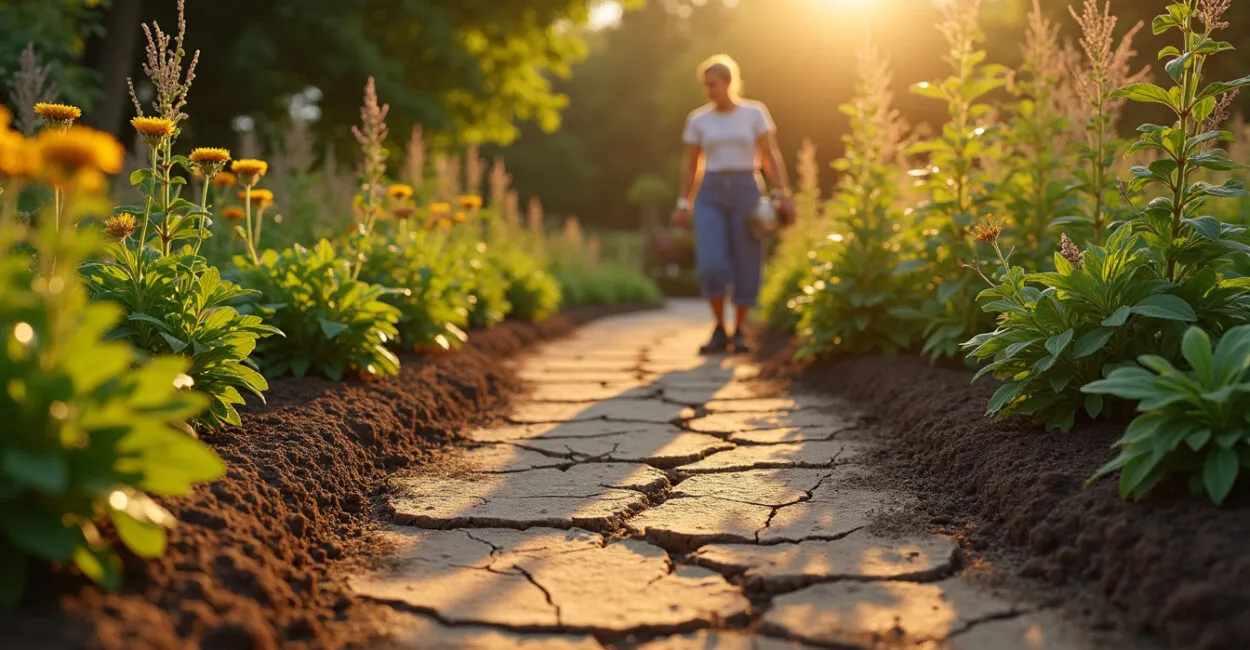
Why the “tough Native” Myth Keeps Causing Failures
Here’s the trap: “native” gets mistaken for “bulletproof.” It isn’t. A species can be native and still be picky about moisture, light, and soil texture. That misunderstanding is one of the oldest common native pollinator garden mistakes.
I’ve seen beds where one corner stayed lush all summer while the other cracked open by July. Same garden. Same hose. Different microclimates. The gardener kept adding more water to the whole bed, which helped one half and drowned the other. Bloom time actually got shorter.
Think less about watering more, and more about watering where it fits. That shift changes everything. The National Science Foundation has supported research on plant stress and adaptation, and the takeaway is useful here: stress that is too high—or too constant—costs growth and reproduction.
This is where matched moisture becomes a design tool, not a maintenance chore. Fix the site, and the garden starts behaving like a habitat, not a rescue project.
📱 See this content as a Web Story
FAQ
What Are the Most Common Native Pollinator Garden Mistakes?
The biggest mistakes are ignoring moisture, grouping plants by looks instead of site needs, and assuming all natives need the same care. Overwatering dry-site species is just as damaging as letting wet-site species bake in full sun. If bloom time keeps shrinking, moisture mismatch is one of the first things to check.
How Do I Know If My Garden Has a Moisture Mismatch?
Look for uneven growth, early wilting, yellowing leaves, or plants that stay small even with regular watering. After rain, check which areas dry first and which stay soggy. If one side of the bed always looks happier than the other, the problem is probably the site—not the fertilizer.
Should I Water Natives Less Once They’re Established?
Usually yes, but only if they’re planted in the right place. Established natives can handle lower water because their roots are already deeper and the plant matches the site. If the moisture is wrong from the start, “less water” can help one plant and kill another. The site still decides the outcome.
Can Mulch Fix Poor Moisture Matching?
Mulch helps hold water and reduce heat, but it cannot turn a dry site into a wet one, or vice versa. It’s support, not a cure. Think of it as a buffer that softens extremes. If the plant is wrong for the spot, mulch may delay the failure, but it won’t solve it.
What Should I Do Before Replanting a Failing Bed?
Test drainage, watch how long the soil stays wet, and sort the bed into dry, average, or moist zones. Then choose natives that fit each zone instead of forcing one plant palette everywhere. That one step solves more common native pollinator garden mistakes than another round of watering ever will.
Pollinators don’t reward effort alone. They reward fit. And in a native garden, fit starts with moisture.
Get that one thing right, and the bed stops begging for rescue and starts acting like a real habitat.