
Non-Toxic Shrubs for Backyards: 7 Picks That Still Look Luxurious
Non-toxic shrubs for backyards that combine low maintenance, pet safety, and upscale appeal: boxwood, viburnum, forsythia, spirea, ninebark, camellia, and ro…
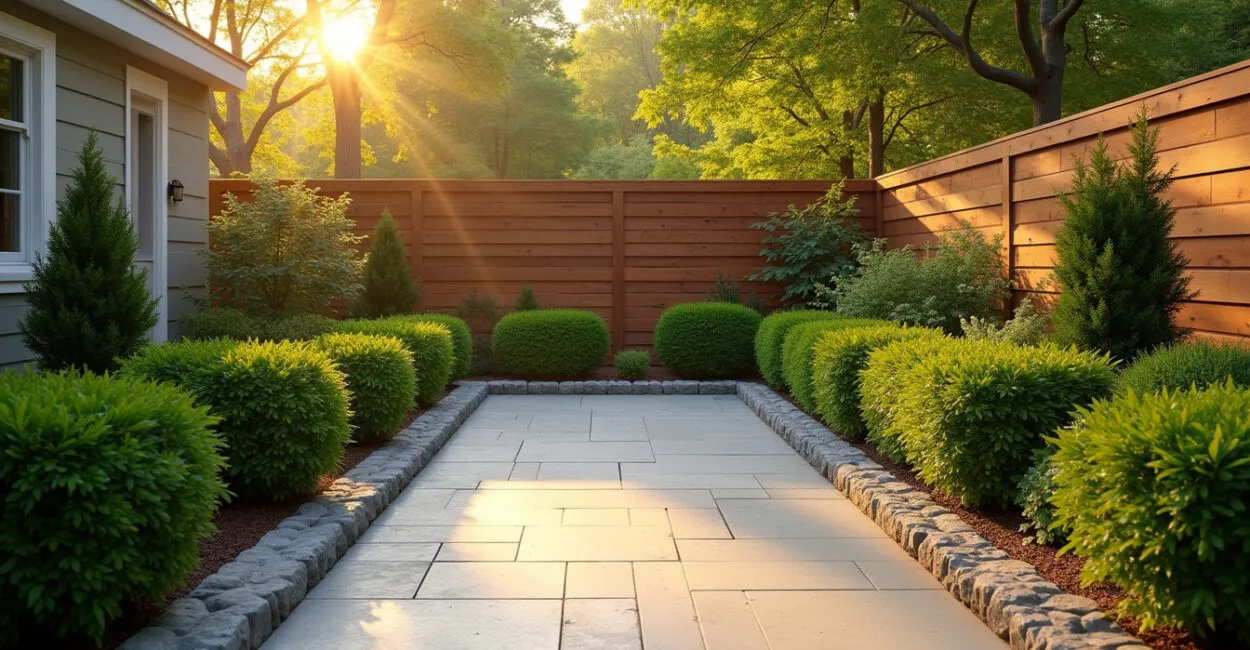 Layered shrubs create a lush, pet-friendly backyard garden
These non-toxic shrubs for backyards can make a pet-safe yard look expensive, not plain.
Some “safe” landscaping looks sparse the second you step back. The better picks keep their shape, handle heat, and don’t turn into weekend chores. That’s the sweet spot here: polished, low-maintenance, and far less nerve-racking if your dog or cat likes to wander.
For pet owners, the goal is not just “not poisonous.” It’s shrubs that stay tidy, tolerate pruning, and give you that layered, finished look without a lot of babysitting.
1) The 7 Shrubs That Do the Job Without Looking Boring
Here are the safest-looking non-toxic shrubs for backyards that still feel upscale: boxwood, viburnum, forsythia, spirea, ninebark, camellia, and rosemary. They cover the main design jobs—structure, bloom, color, and texture—without forcing you into a high-maintenance garden.
- Boxwood: best for clean lines and formal edges.
- Viburnum: fuller, softer, and great for screening.
- Forsythia: early spring color that wakes up a dull yard.
- Spirea: compact and easy to shape.
- Ninebark: rich foliage with a more modern look.
- Camellia: glossy leaves and a polished feel.
- Rosemary: aromatic, evergreen, and useful near paths.
According to the ASPCA’s plant safety guide, always verify the exact species before planting, because common names can hide surprises. If you want a yard that reads “designed,” not “decorated,” start with shape first, flowers second. That rule matters more than color.
2) The Look That Feels Luxurious is Usually the Simplest One
In practice, the most expensive-looking non-toxic shrubs for backyards are the ones repeated in groups, not scattered like confetti. Three boxwoods at the corner of a bed look better than one of everything. Three viburnums behind them create depth. That layered repetition gives you a calm, finished front yard without visual noise.
Luxury in landscaping is usually repetition, restraint, and one strong shape repeated well.
I’ve seen homeowners plant seven “interesting” shrubs and end up with a yard that looks busy, not rich. Then they replace half of them with two or three disciplined choices, and the whole space suddenly reads intentional. That shift is why non-toxic shrubs for backyards can outperform flashier plants.
For broader pet-safety context, the Penn State Extension has a solid overview of why plant identification matters more than guesswork.
3) What to Avoid If You Want Low-maintenance, Not Low-impact
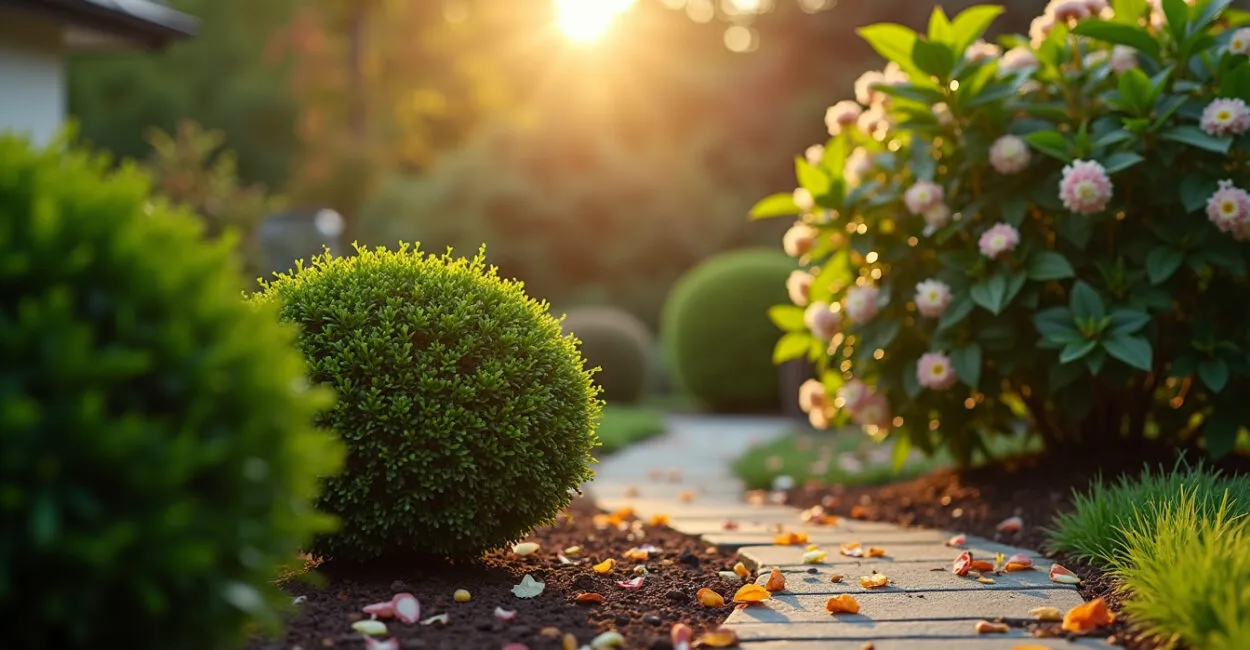
The biggest mistake is choosing shrubs for flowers alone. Flower-heavy plants can drop petals, attract more cleanup, or grow unevenly. Another trap: ignoring mature size. A “small” shrub at the nursery can become a wall you keep fighting.
- Don’t buy on bloom color alone.
- Don’t mix too many leaf textures.
- Don’t skip mature height and width.
- Don’t assume a pretty shrub is pet-safe.
Some non-toxic shrubs for backyards still need pruning, but that’s a better problem than replacing a plant twice. The National Gardening Association’s planting basics at the RHS reinforce the same point: design around size, spacing, and structure first. Do that, and maintenance drops fast.
Are Boxwoods Safe Around Pets?
Boxwoods are commonly listed among non-toxic shrubs for backyards, but you still want to keep pets from chewing anything in large amounts. The plant may be non-toxic, yet chewing can still cause stomach upset. Use them as border structure, not as a snack zone.
What Shrub Looks Most Luxurious with the Least Work?
Viburnum is a strong answer because it fills space beautifully and doesn’t usually look messy. Boxwood is the cleaner, more formal choice. If you want a softer, layered look, mix the two instead of relying on one shrub everywhere.
Do Non-toxic Shrubs Need Full Sun?
Not always. Camellias and some viburnums handle partial shade well, while rosemary and forsythia want more sun. Match the shrub to your light conditions first, or you’ll spend more time rescuing it than enjoying it.
Can I Build a Pet-safe Front Yard on a Budget?
Yes. Buy fewer shrubs, but buy better ones, and repeat them in clusters. A small row of the right shrubs looks more expensive than a crowded mix of discounted plants. That’s the trick behind many polished non-toxic shrubs for backyards.
How Do I Know a Plant is Really Non-toxic?
Check the exact botanical name, not just the store label. Common names can be misleading, and different cultivars may vary. When in doubt, cross-check with a trusted source like ASPCA or a university extension before planting.
Pick the shrubs that do three jobs at once: stay safe, stay neat, and stay beautiful. That’s how a backyard stops looking planted—and starts looking designed.
📱 See this content as a Web Story